If AI Training Becomes Fair Use, Independent Artists Need a Bigger Rights Strategy
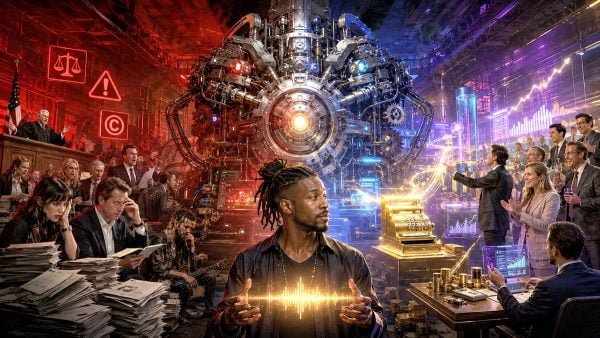
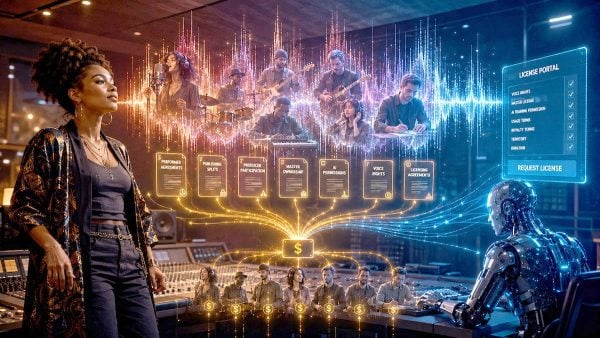
For the last several years, the music business has been circling one giant question about artificial intelligence: whether AI companies should have to pay for the copyrighted music they use to train their models. That debate has attracted artists, record labels, publishers, technology companies, lawyers, lobbyists and enough venture capital to make almost any musician suspicious. The basic argument has always sounded simple. Creators say their work has value and should not be fed into commercial systems without permission or compensation, while AI companies argue that models learn from existing material in ways that can qualify as fair use. What changed this week is that the U.S. government stepped much more clearly into that argument, and Washington is leaning toward giving AI developers considerable freedom to train on copyrighted material.
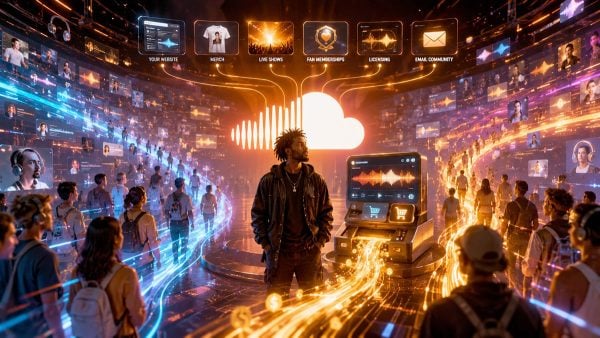
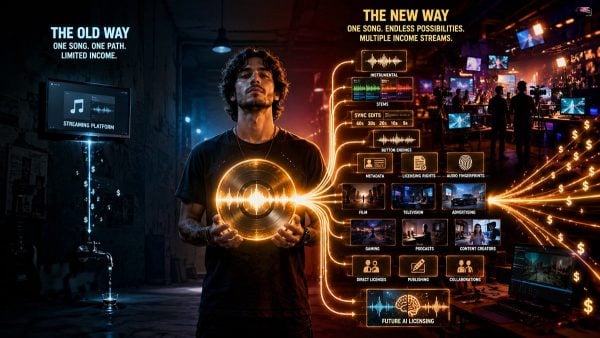
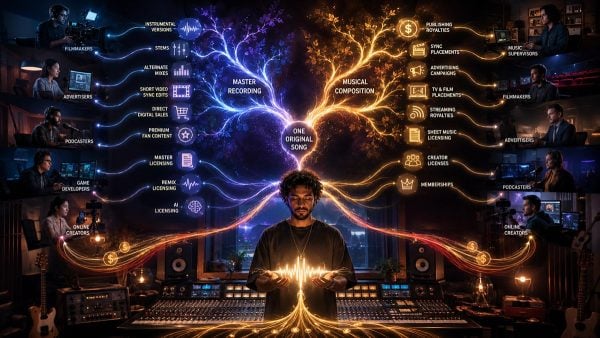
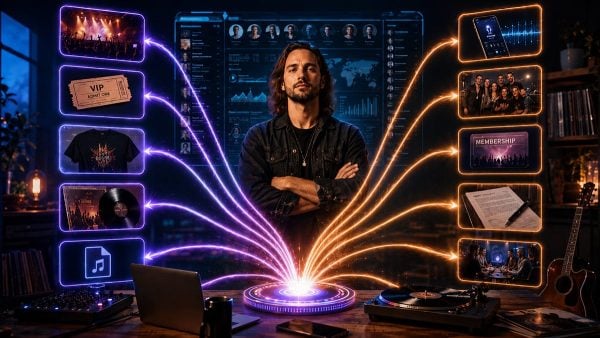
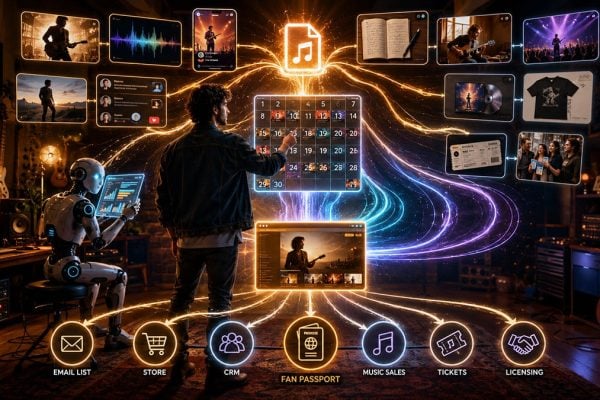
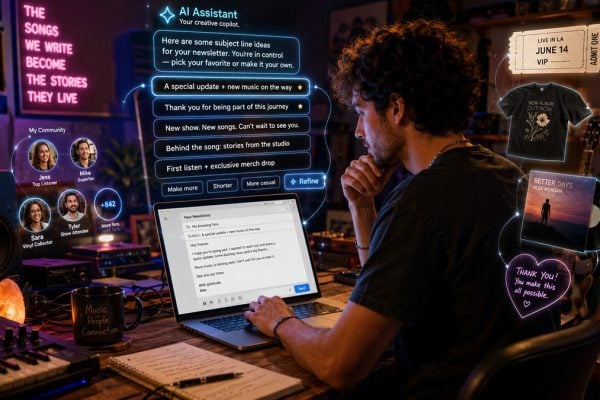
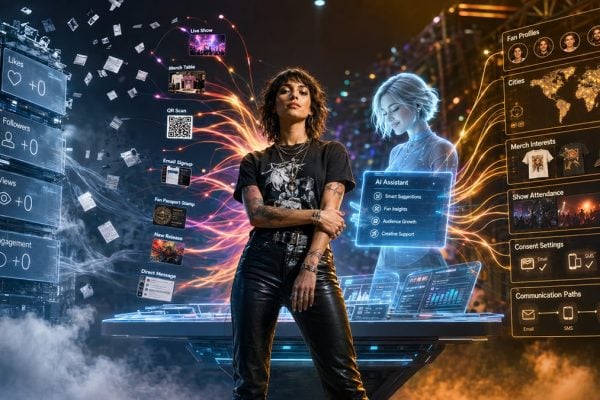
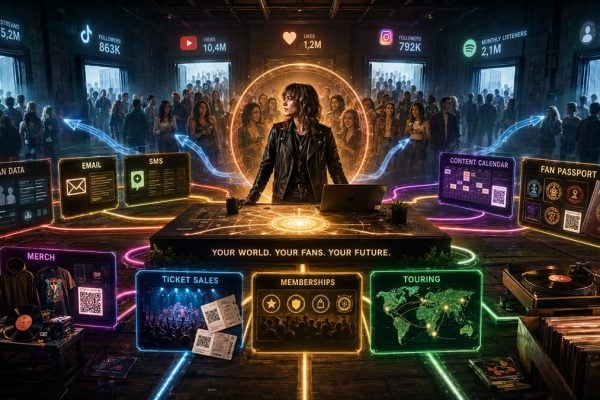
For most of the modern independent music movement, we have spent a lot of time telling artists to own their masters, control their publishing, keep their copyrights, and avoid signing contracts that turn a lifetime of creative work into somebody else’s asset. That advice still matters because ownership is the foundation of almost every serious attempt to build long-term income from music. The problem is that the music business has changed enough that owning the song is no longer the entire independence question. An artist can own every note they recorded and still depend on a long chain of companies to distribute it, collect money from it, communicate with fans, license it, store it, sell tickets around it, process payments, and make it visible to the outside world.
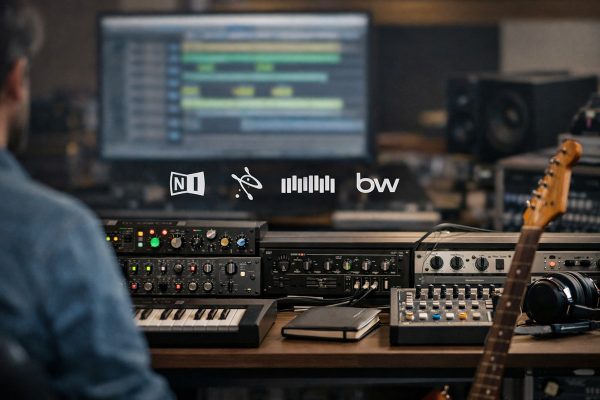
Your Studio Has New Landlords: Native Instruments, iZotope and the Price of Trusting an Ecosystem
Listen to the Podcast Discussion
There are few relationships in modern music more intimate than the one between a producer and a piece of software that has been sitting inside every session for ten years. We may pretend plugins are tools in the same way a screwdriver is a tool, but nobody has ever opened an old album session and discovered that their screwdriver needs to log into an account in Germany before it can turn a screw. Music software is different. We buy it, learn it, build templates around it, save presets in it, use it on records, recommend it to friends and eventually stop thinking about the company behind it because the software has quietly become part of the studio furniture.
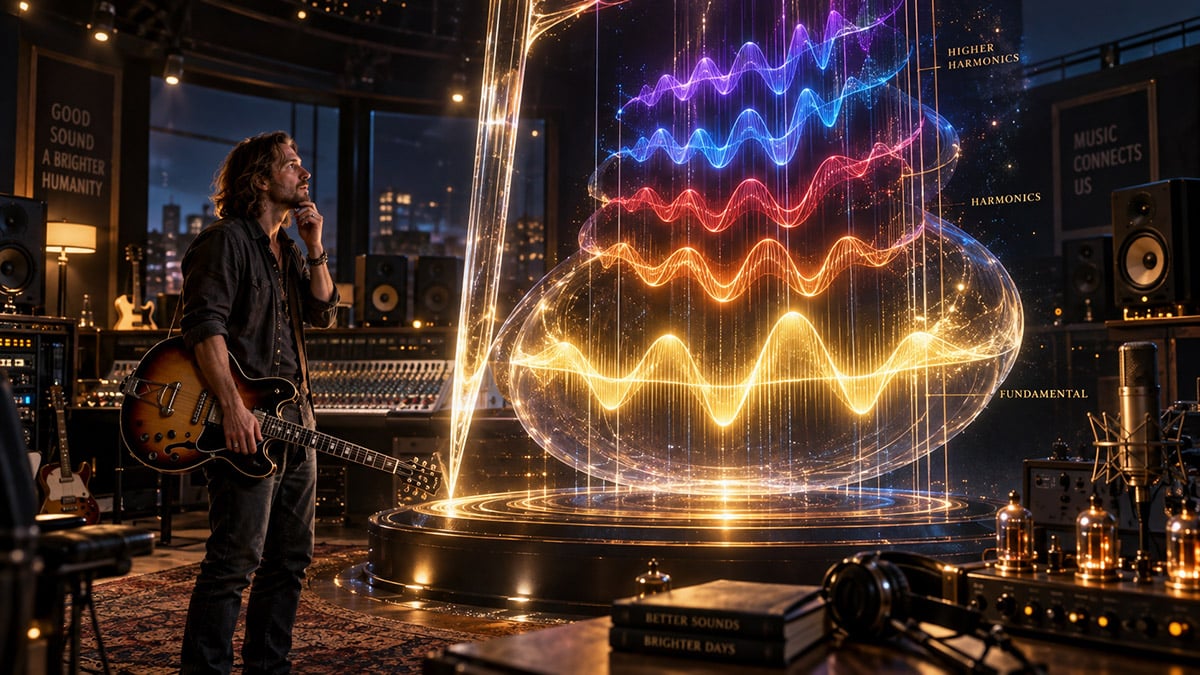
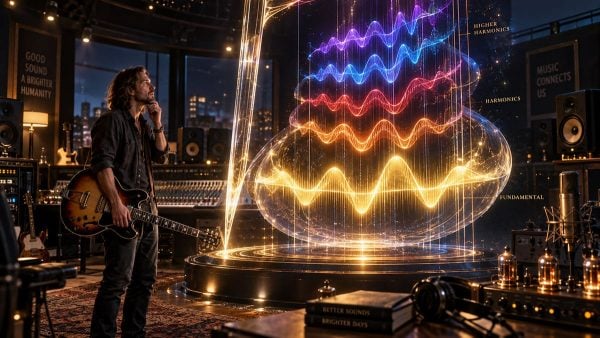
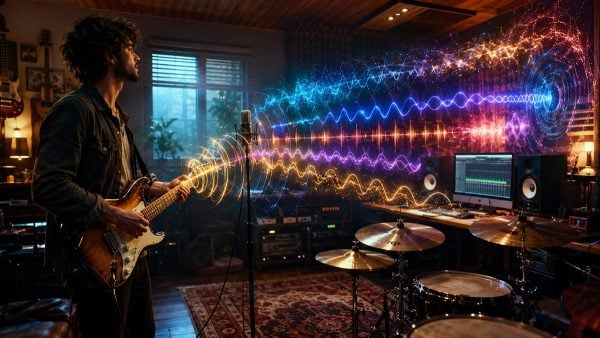
Harmonics Without the Math: What “Warmth,” Saturation, Tubes and Transformers Are Really Doing to Your Music
Listen to the Podcast Discussion StreamNew Podcasts
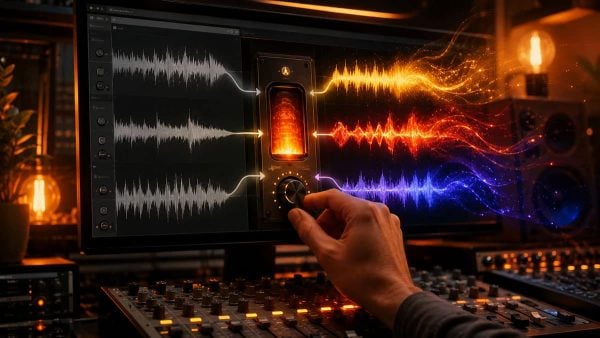
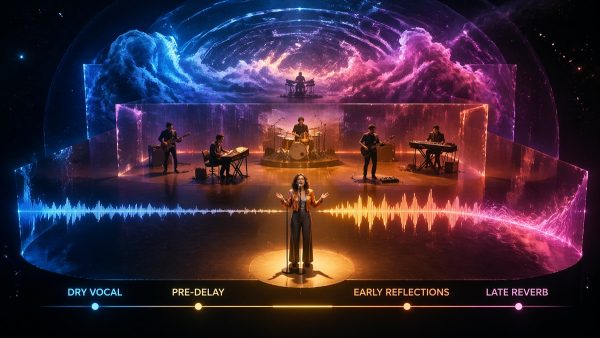
Walk through enough recording studios and eventually somebody will tell you that a microphone preamp sounds warm because it has tubes, another sounds punchy because it has transformers, and a plug-in sounds analog because it adds harmonics. Give the conversation another ten minutes and somebody will announce that even harmonics are musical while odd harmonics are harsh, as though the harmonic series itself has joined a political party. These words describe real things, but years of advertising, studio mythology and musicians repeating what other musicians told them have turned some useful engineering ideas into a strange collection of half-truths.
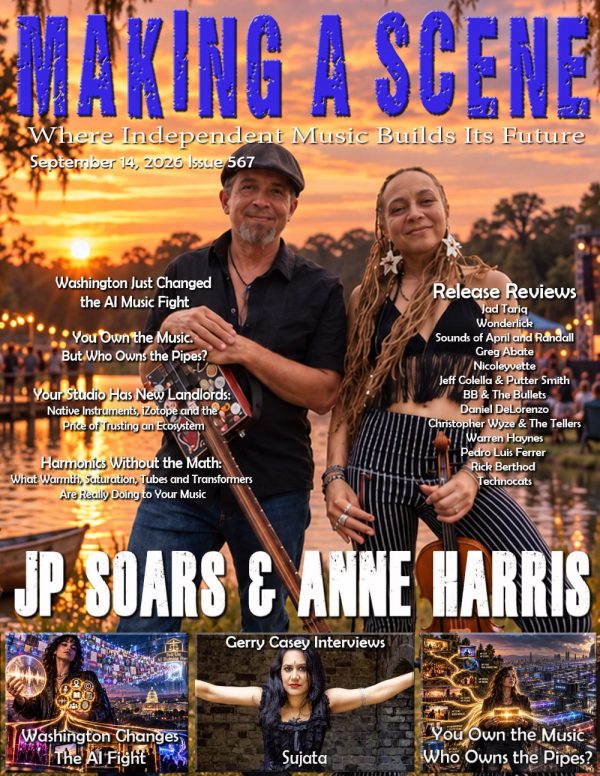
JP Soars has spent more than two decades building his reputation the way roots music was meant to be built: onstage, night after night, with a guitar in his hands and a road-tested sound that refuses to stay politely inside one genre. A fiery guitarist, soulful singer, and inventive songwriter, Soars moves through blues, rock and roll, Latin rhythms, country, Southern soul, and gypsy jazz with the confidence of a musician guided less by category than by feel.
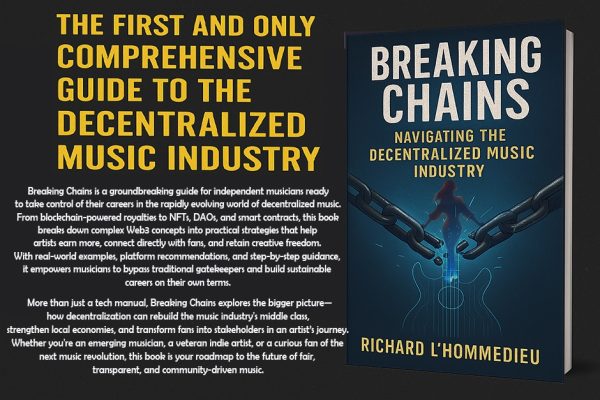
Tired of streaming pennies while gatekeepers cash in?
It’s time to take back control.
🔥 Now Available in Kindle, Paperback, and Hardcover.
⚡ Exclusive Collector’s Run: Only 50 hand-numbered, signed editions exist. When they’re gone, they’re gone forever.
👉 Claim your copy today—and take your place in the future of indie music.
“Breaking Chains” is a timely and insightful exploration of how decentralization is reshaping the music industry. Richard L’Hommedieu draws on deep industry knowledge to examine the shifting balance of power between artists, labels, and digital platforms. The book offers both a critique of the traditional music business and a roadmap for musicians seeking independence in a rapidly evolving landscape. With clear explanations and practical strategies, L’Hommedieu empowers readers to understand blockchain, streaming economics, and new models of ownership. More than just a guide, it’s a call to artists to reclaim control of their work and careers. A must-read for musicians, managers, and anyone curious about the future of music."