The Song You Already Own May Be Your Best Investment
Listen to the Podcast Discussion
The Music Business Has Finally Discovered Something Artists Should Have Known All Along
For most of the history of the record business, artists were trained to think about music in release cycles. You wrote a song, recorded it, released it, promoted it for a few months, crossed your fingers, annoyed your friends with social media posts, and eventually moved on to the next record. The old album was pushed toward the back of the shelf while everybody chased whatever was supposed to happen next.
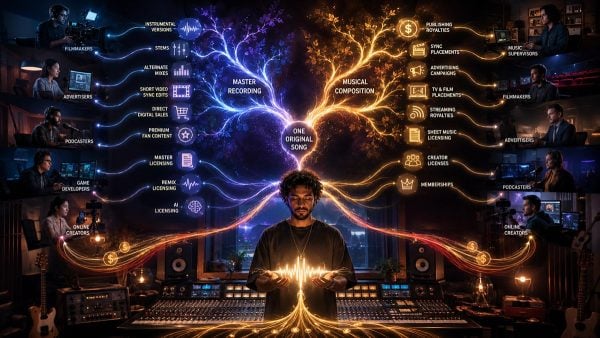
The financial world has been looking at music very differently. Investors, publishers, labels, private equity firms, royalty companies, and catalog buyers increasingly look at a song not simply as something that was released three years ago, but as an asset capable of producing income for many years into the future. That difference in thinking is enormous, because once you stop treating your catalog like yesterday’s news, you start asking very different questions about what the music you already own could be doing for you.
Don’t Close the Session Yet: Build the Revenue Package When You Finish the Master
Listen to the Podcast Discussion
The Song Is Finished. The Business Asset Is Not.
There is a wonderful moment in every recording project when everybody finally agrees that the song is finished. The singer has stopped asking whether one word in the second verse could be louder. The guitar player has accepted that the solo does not need another half-decibel. The mastering engineer has sent the file called something reassuring like SONGTITLE_FINAL_MASTER.wav, and for one brief shining moment nobody has added the words “new,” “revised,” or “really final” to the filename. TestStudio Software
This is usually when the independent artist exports the stereo master, sends it to a distributor, uploads the artwork, picks a release date, and closes the recording session with the satisfied feeling that the job is done. That made a certain amount of sense when the main job of a record was to become a record, but today’s finished recording can do far more than sit inside Spotify, Apple Music, or somebody’s phone.
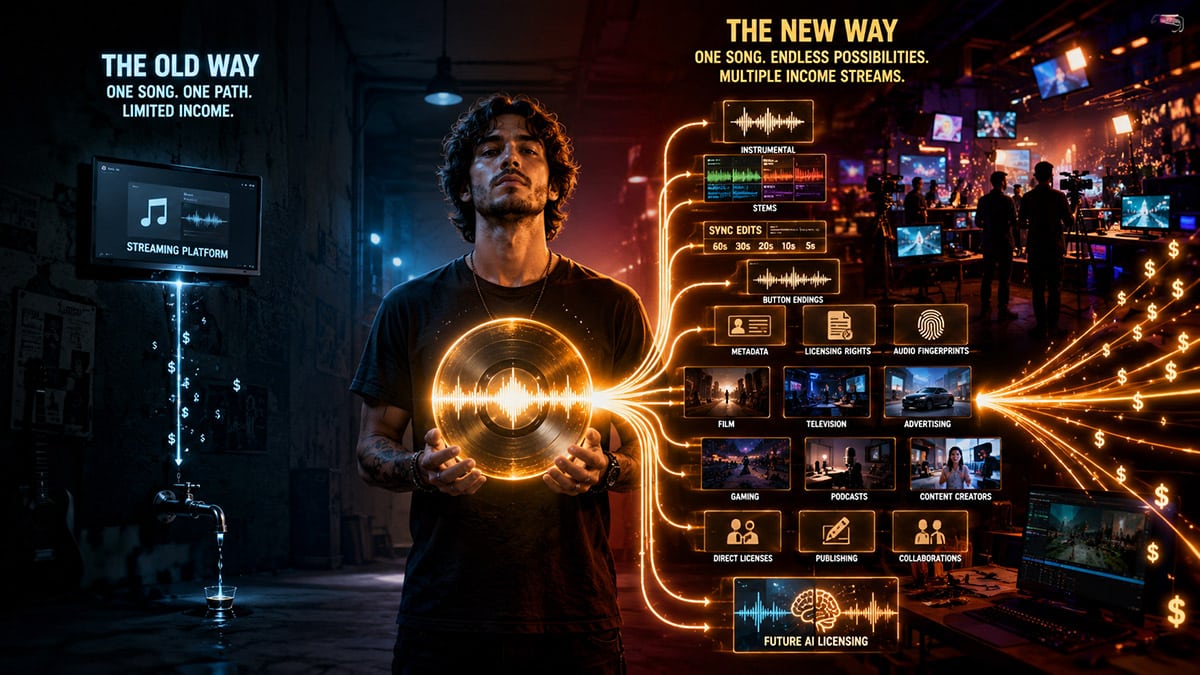
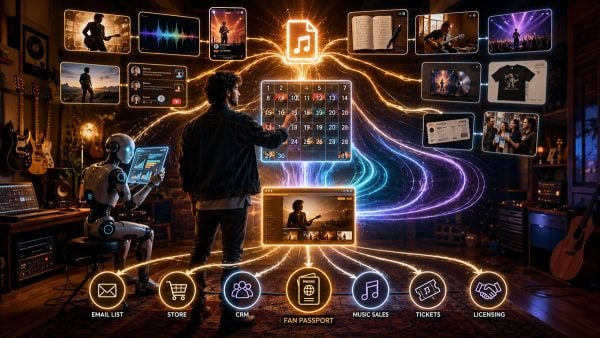
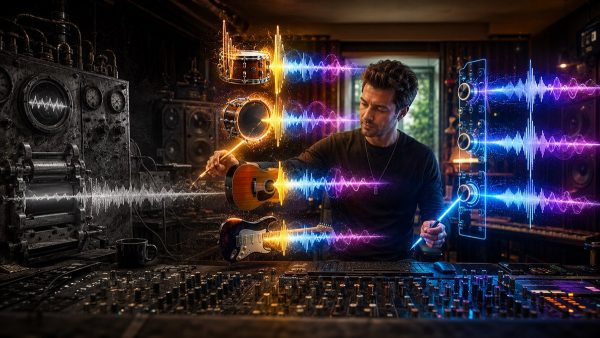
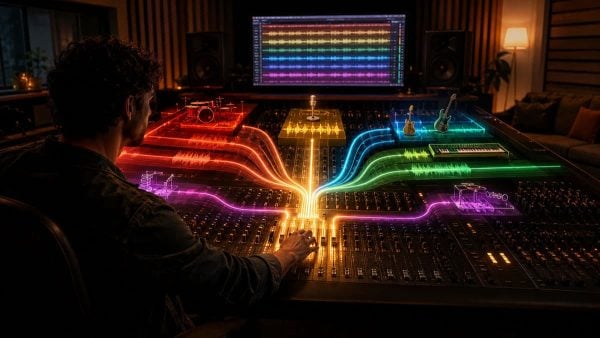
That open recording session is actually sitting on top of a small factory.
Direct-to-Fan Platforms Are Becoming Discovery Platforms. Don’t Make the Same Mistake Twice
Listen to the Podcast Discussion
There was always something pleasantly old-fashioned about the original idea behind https://www.patreon.com/. You went out into the world, made music, played shows, posted videos, appeared on podcasts, begged the algorithm gods for mercy, handed out flyers, annoyed your friends, annoyed your friends’ friends, and somehow found people who cared about what you did. Then Patreon gave some of those people a way to support you every month. It was less like a giant advertising billboard and more like a cash register sitting near the back of the club. AccessingExpert Tutorials
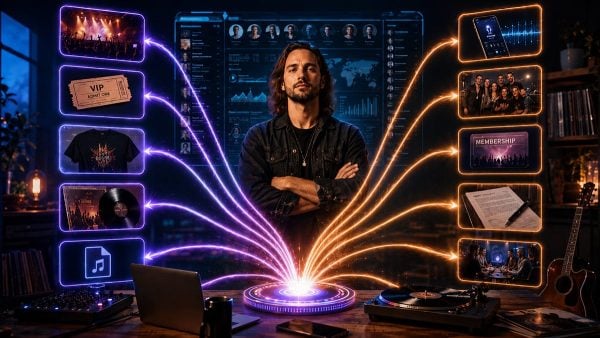
That basic bargain was easy to understand. You brought the fan, and Patreon helped you monetize the relationship. Patreon did not have to become Facebook, YouTube, TikTok, Spotify, a record store, a fan club and your manager all before lunch. That distinction is getting blurrier.
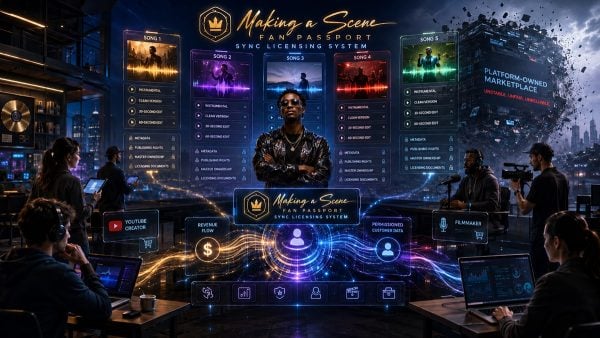
September 1 Is a Warning: Build an Exit Package for Every Music Platform
Listen to the Podcast Discussion
There are certain phrases no musician wants to see in the subject line of an email from a company holding an important piece of their career. “Important changes to your account” is one. “Service transition” is another. “We’re evolving” usually means somebody in a conference room has made a decision that is about to create several hours of work for people who were not invited to the conference room. Then there is the granddaddy of them all: “sunsetting.” BuyingHigh-Fidelity Studio Headphones
Corporate language is wonderfully peaceful. Nothing ever closes, gets killed or breaks. Services are “realigned,” products “evolve,” businesses “transition” and features “sunset,” as though your stems, royalty records and release metadata are peacefully retiring to a beach house in Florida.
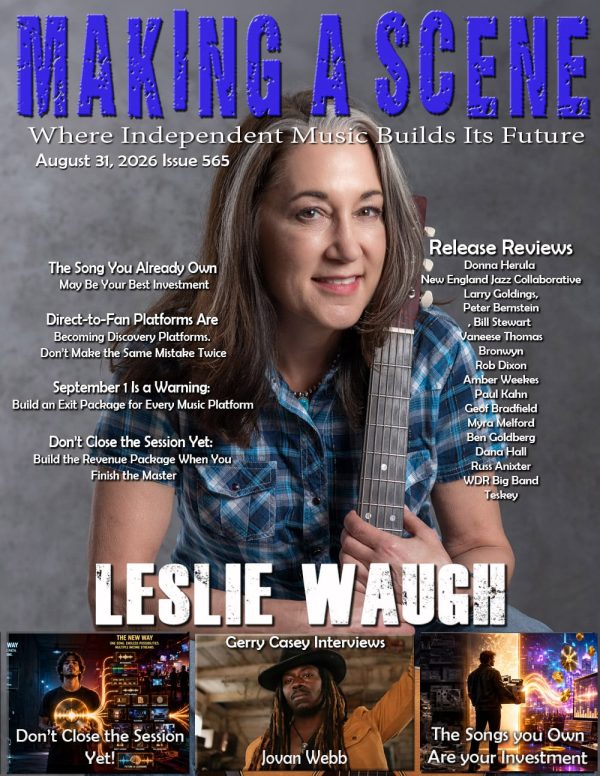
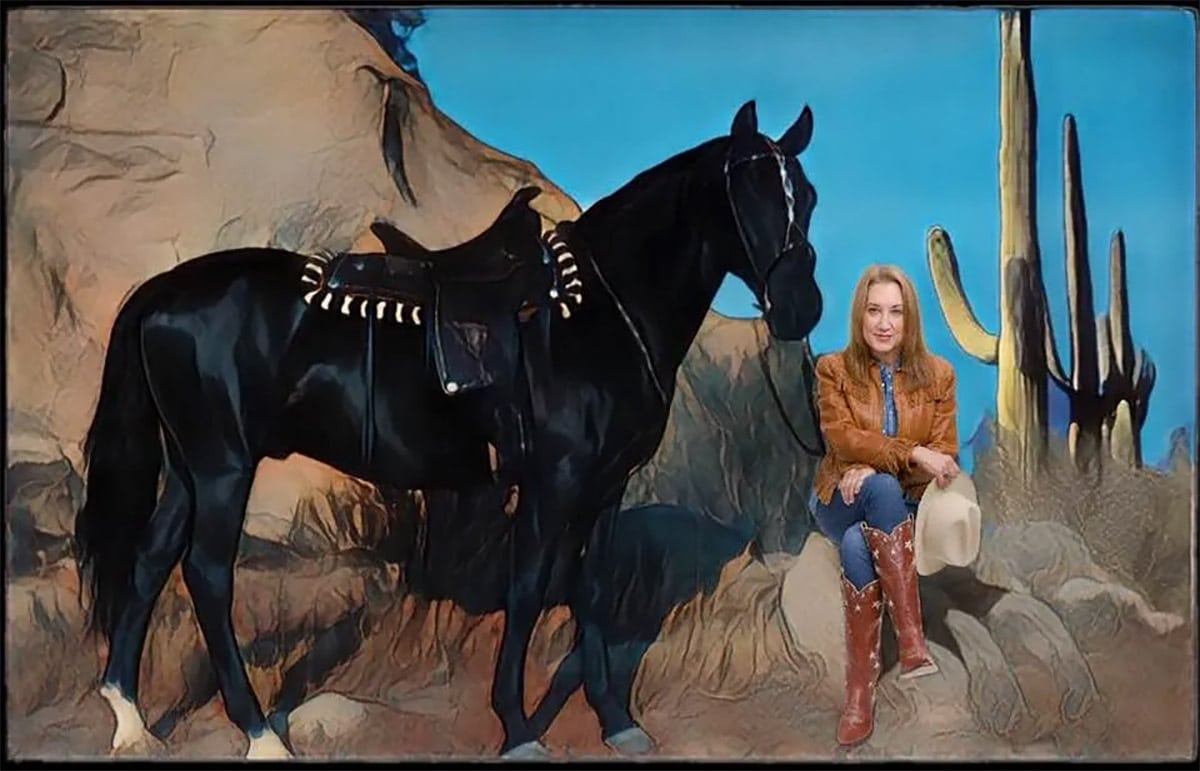
Leslie Waugh is a Texas-based Americana singer-songwriter whose music tells the kind of stories that country music was built to carry: not the glossy kind about beer, trucks, and easy slogans, but the deeper kind about identity, reinvention, disappointment, resilience, love, and the strange grace of finding your own voice later than expected.
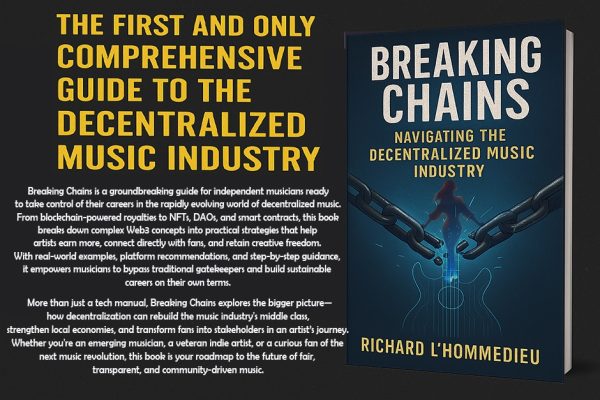
Tired of streaming pennies while gatekeepers cash in?
It’s time to take back control.
🔥 Now Available in Kindle, Paperback, and Hardcover.
⚡ Exclusive Collector’s Run: Only 50 hand-numbered, signed editions exist. When they’re gone, they’re gone forever.
👉 Claim your copy today—and take your place in the future of indie music.
“Breaking Chains” is a timely and insightful exploration of how decentralization is reshaping the music industry. Richard L’Hommedieu draws on deep industry knowledge to examine the shifting balance of power between artists, labels, and digital platforms. The book offers both a critique of the traditional music business and a roadmap for musicians seeking independence in a rapidly evolving landscape. With clear explanations and practical strategies, L’Hommedieu empowers readers to understand blockchain, streaming economics, and new models of ownership. More than just a guide, it’s a call to artists to reclaim control of their work and careers. A must-read for musicians, managers, and anyone curious about the future of music."