How Indie Artists Can Turn Almost Anything Into a Smart Media Collectible
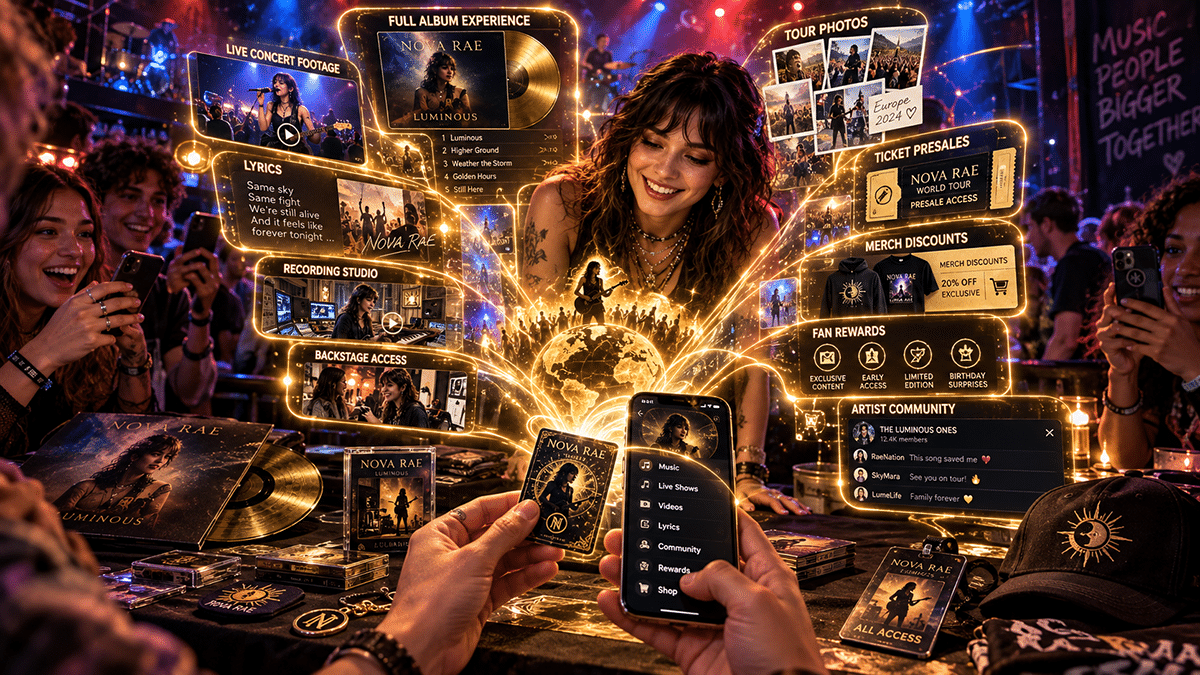
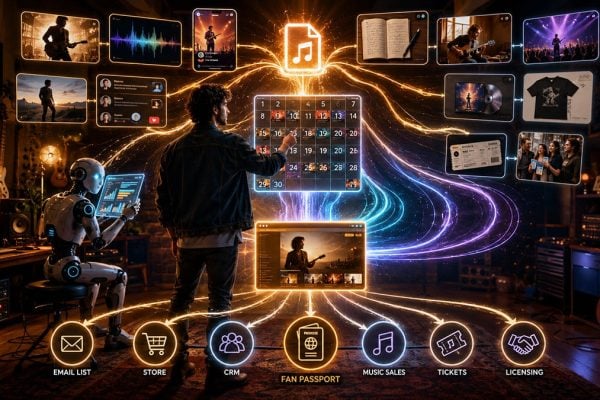
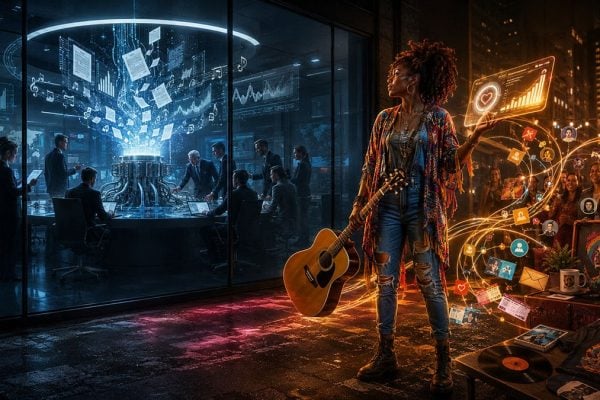
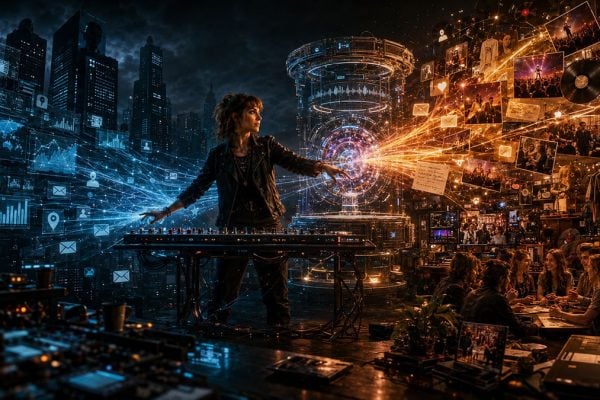
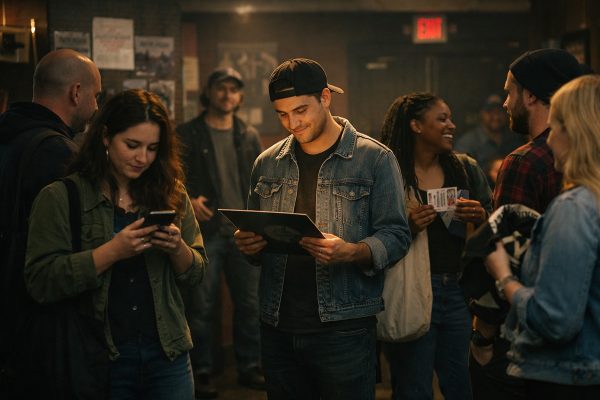
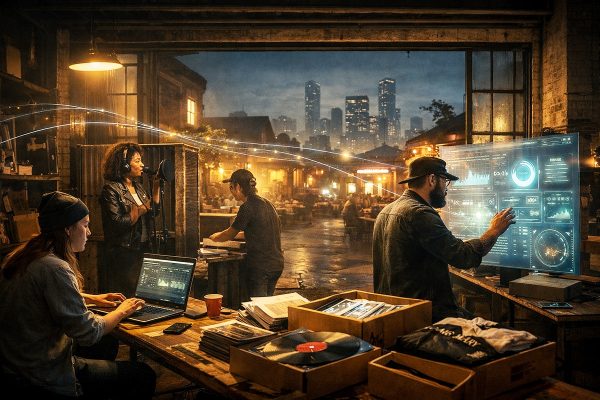
For most of the recorded music business, the album had a fairly simple job description. It was the thing that contained the music. You bought the vinyl record, cassette or CD because that was how you got the songs, and the artwork, photographs and liner notes came along for the ride as part of the package. Digital music separated the songs from the object, and streaming finished the job by making the physical carrier unnecessary for listening. That sounds like terrible news for merchandise until you realize that the object has now been freed from its old job and can take on a much more interesting one: instead of merely carrying the recording, it can carry the relationship between the artist and the fan.
What Independent Musicians Can Learn from Netflix, Disney, and the Streaming Wars
Listen to the Podcast Discussion
How to Turn Ordinary Merch Into Physical-Digital Collectibles Without Setting Fire to the Tour Budget
The first generation of Smart Media Albums has arrived, and now comes the much more interesting question: what can an independent artist actually make with this stuff? StreamAlbums
That question matters because nobody needs another technology looking for an excuse to exist. The music business has already provided artists with enough revolutionary tools that somehow require a monthly subscription, three passwords, a tutorial video and the patience of a Buddhist monk before anybody earns twelve dollars. Smart Media becomes interesting when we stop treating NFC as the product and start treating it as the invisible doorway inside a physical object a fan genuinely wants to own.
We Solved Music Distribution. We Forgot to Solve Making a Living.
Listen to the Podcast Discussion
There was a time when one of the biggest problems facing an independent musician was simply getting a record into the marketplace. You could make a great album, spend money you probably didn’t have recording it, press a few hundred CDs, load the boxes into your car and then discover that most of the record business had no particular interest in helping you put those CDs anywhere people might actually buy them. Distribution was a gate, and the people standing in front of that gate usually wanted to know who your label was, who your distributor was and whether somebody more important than you had already decided that you mattered. Independent musicians spent decades trying to get around that system, and eventually technology did something rather wonderful: it kicked a large hole in the wall.
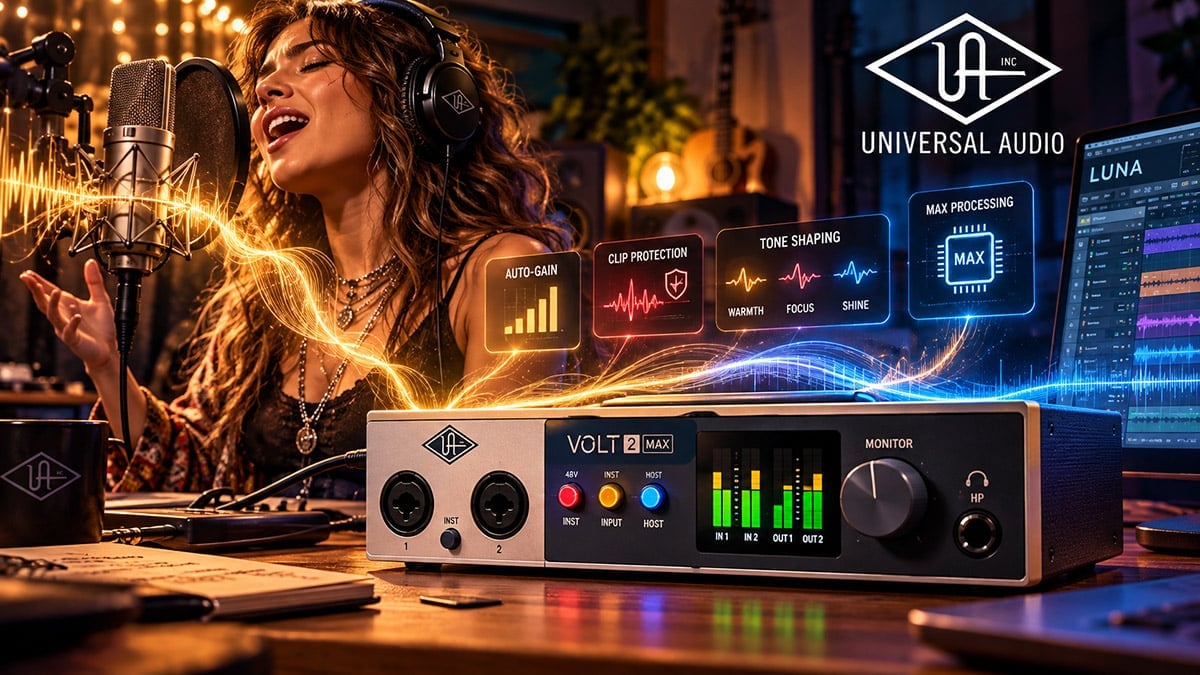
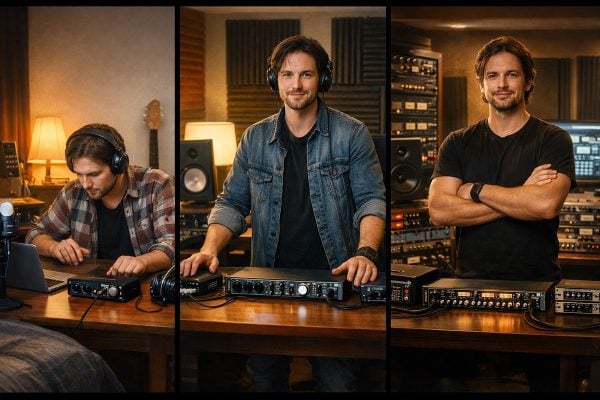
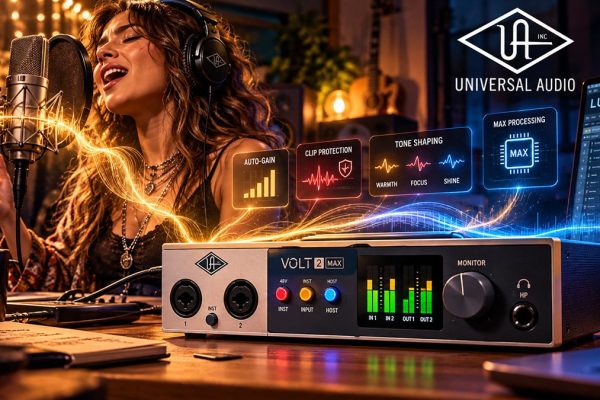
Universal Audio Volt Gen 2 Review: The Audio Interface Is Becoming the Assistant Engineer
Universal Audio Brings More Engineering Decisions Into the Interface
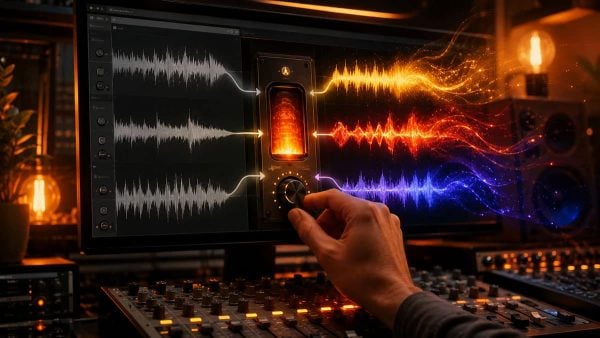
For most of the history of home recording, the audio interface has had a fairly simple job. It takes the tiny electrical signal coming from a microphone, guitar, keyboard, or other source, amplifies it, turns it into digital information, and sends that information into the computer. Once that happened, most of the real engineering decisions were expected to take place somewhere else. The engineer set the gain, watched the meters, decided whether compression was needed, built the headphone mix, adjusted monitoring, and made sure the musician did not suddenly become twice as loud the moment the red recording light came on. The interface was important, but it was mostly the doorway into the studio rather than an active participant in what happened inside it.
Born and raised in the Englewood neighborhood on Chicago’s South Side, Chief Raven found the blues in 1971 after seeing Freddie King perform at the Kinetic Theatre in Chicago. That moment set something in motion that never really stopped. After serving 16 years in the U.S. Navy, he moved to Milwaukee and began building a life around the music that had grabbed him years earlier.
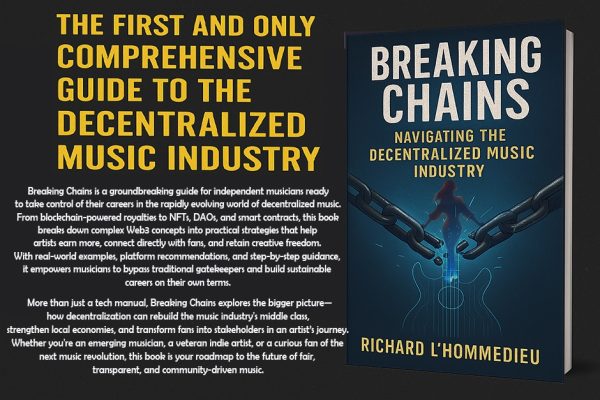
Tired of streaming pennies while gatekeepers cash in?
It’s time to take back control.
🔥 Now Available in Kindle, Paperback, and Hardcover.
⚡ Exclusive Collector’s Run: Only 50 hand-numbered, signed editions exist. When they’re gone, they’re gone forever.
👉 Claim your copy today—and take your place in the future of indie music.
“Breaking Chains” is a timely and insightful exploration of how decentralization is reshaping the music industry. Richard L’Hommedieu draws on deep industry knowledge to examine the shifting balance of power between artists, labels, and digital platforms. The book offers both a critique of the traditional music business and a roadmap for musicians seeking independence in a rapidly evolving landscape. With clear explanations and practical strategies, L’Hommedieu empowers readers to understand blockchain, streaming economics, and new models of ownership. More than just a guide, it’s a call to artists to reclaim control of their work and careers. A must-read for musicians, managers, and anyone curious about the future of music."