You Can Hold Music Again: How Smart Media Could Reconnect a Digital Generation With the Album
Listen to the Podcast Discussion
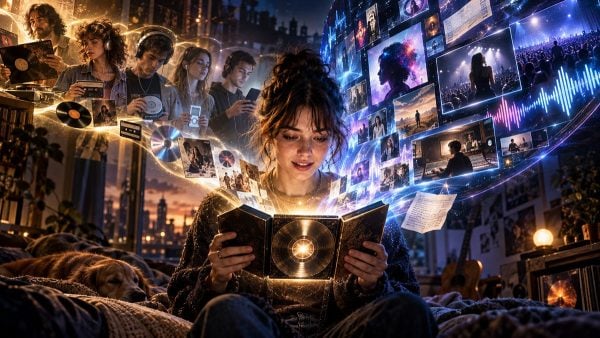
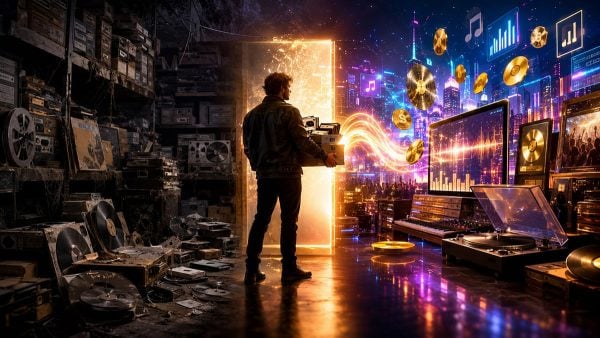
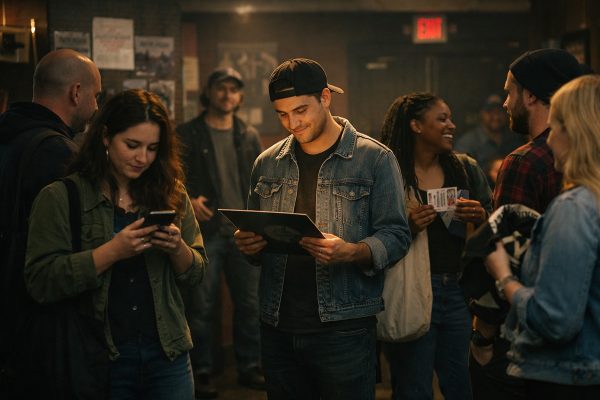
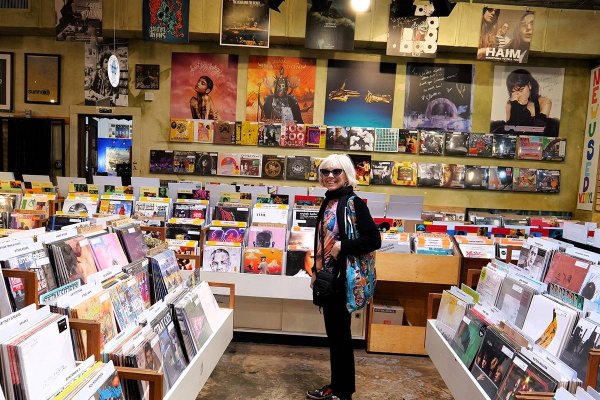
For most of recorded music history, loving music meant touching it. You walked into a record store, flipped through rows of albums, picked one up, studied the cover, carried it home, broke the seal and spent time with the object before the first song ever reached your ears. The music was obviously the reason for buying the album, but the ritual around it became part of the experience, and that physical connection helped turn songs into memories. StreamMusic Online
You Finished the Record Now Build the Smart Media Album
Listen to the Podcast Discussion
A Making a Scene Practical Guide to Turning a Finished Album Into a Physical-Digital Product Fans Can Buy, Tap, Keep and Come Back To
In our previous Making a Scene feature on Smart Media Albums, we looked at why this emerging physical-digital format could become important for independent artists. Luminate has now recognized Smart Media as a physical music category in the United States and Canada, and qualifying products will become eligible for Billboard charts beginning with the October 2–8, 2026 tracking week. That development is important, but knowing that Smart Media exists and actually building a Smart Media release are two very different things.
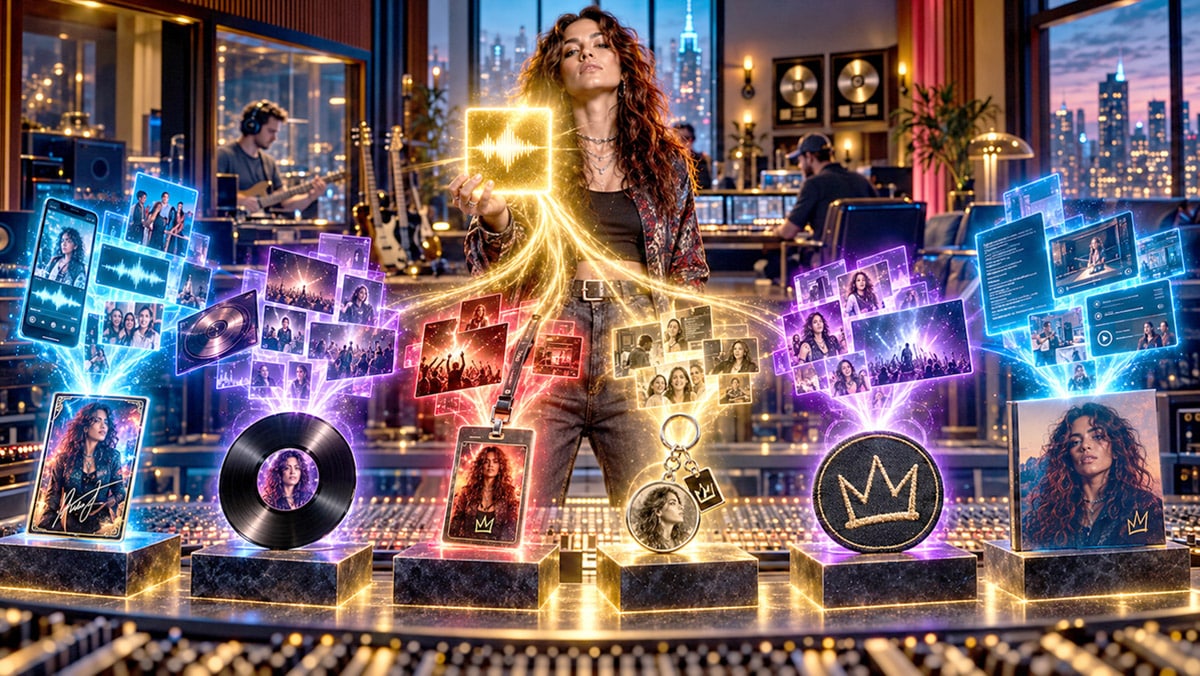
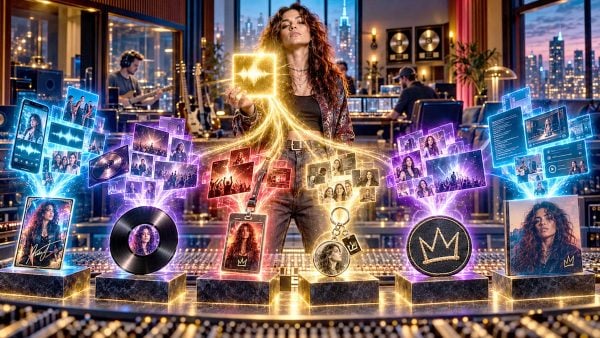
Five Things You Can Sell and the One Thing You Should Keep
Listen to the Podcast Discussion
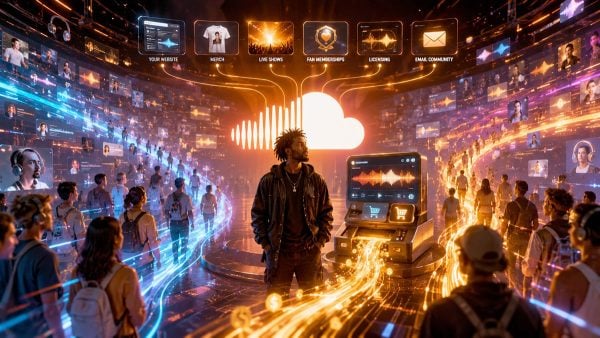
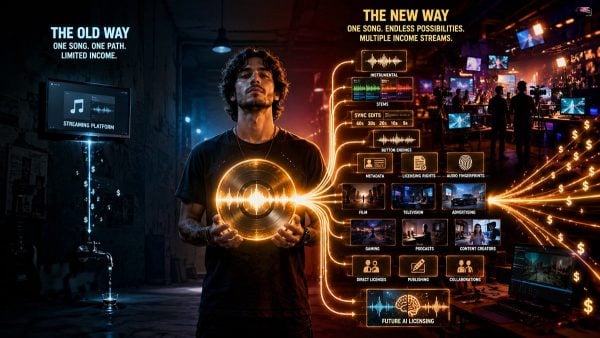
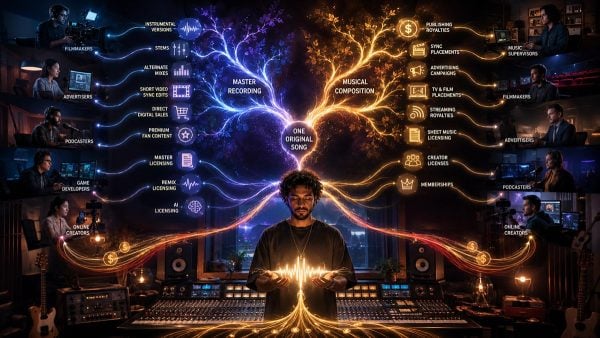
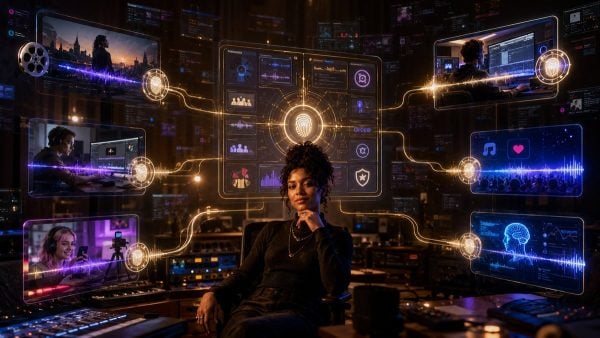
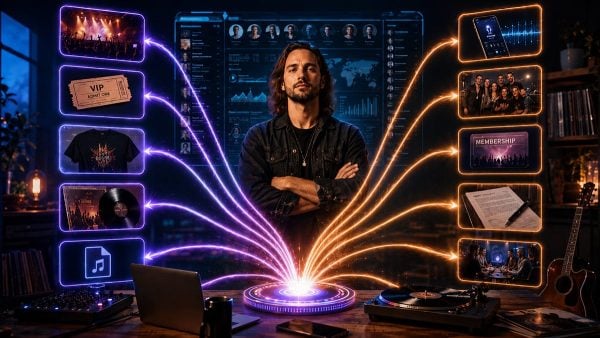
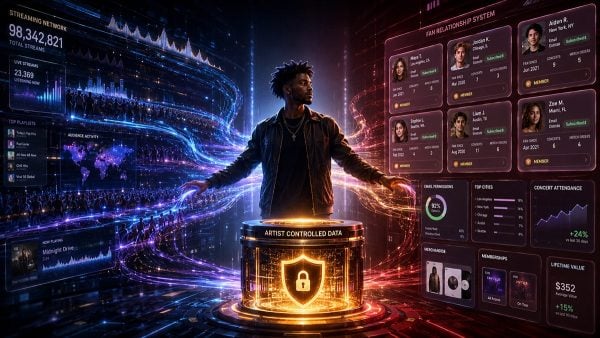
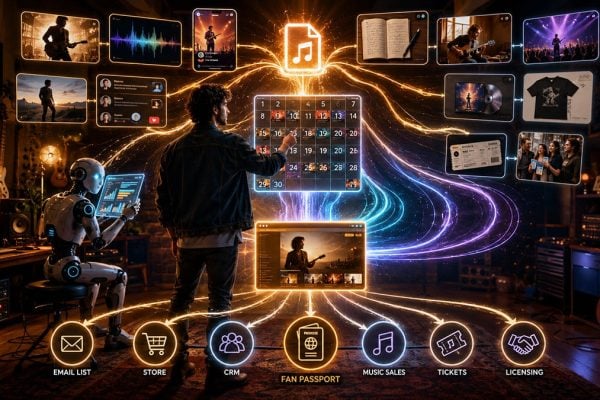
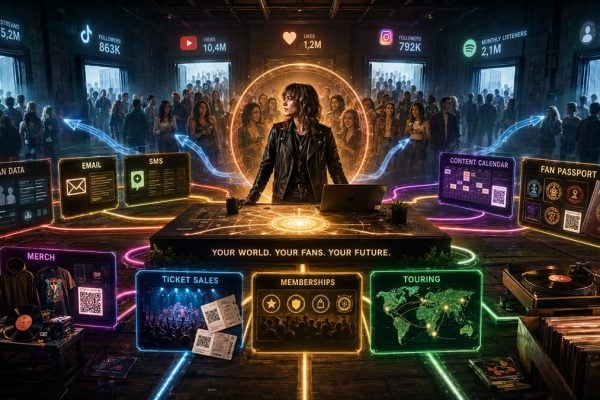
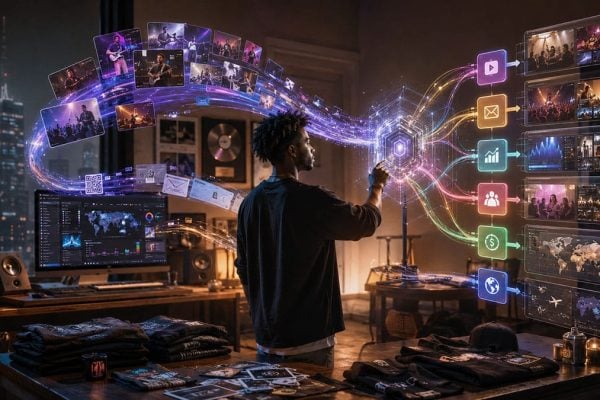
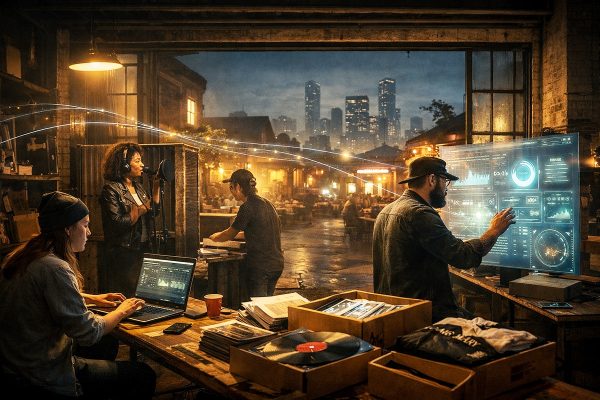
There is a habit in the music business that we probably should have questioned a long time ago. An artist spends months writing a song, recording it, paying musicians, fixing vocals, choosing mixes, mastering the final recording, building an audience around it and eventually creating something with real economic value. Then, almost immediately, the industry teaches that artist to think about who can take control of it, distribute it, own a piece of it or put it inside somebody else’s business. Somewhere along the way, we skipped a much more useful question: what exactly did the artist create, and how many different ways can those assets make money without the artist surrendering the machinery that makes future income possible?
Why the Voice in the Room Is Not Always the Voice in the Recording
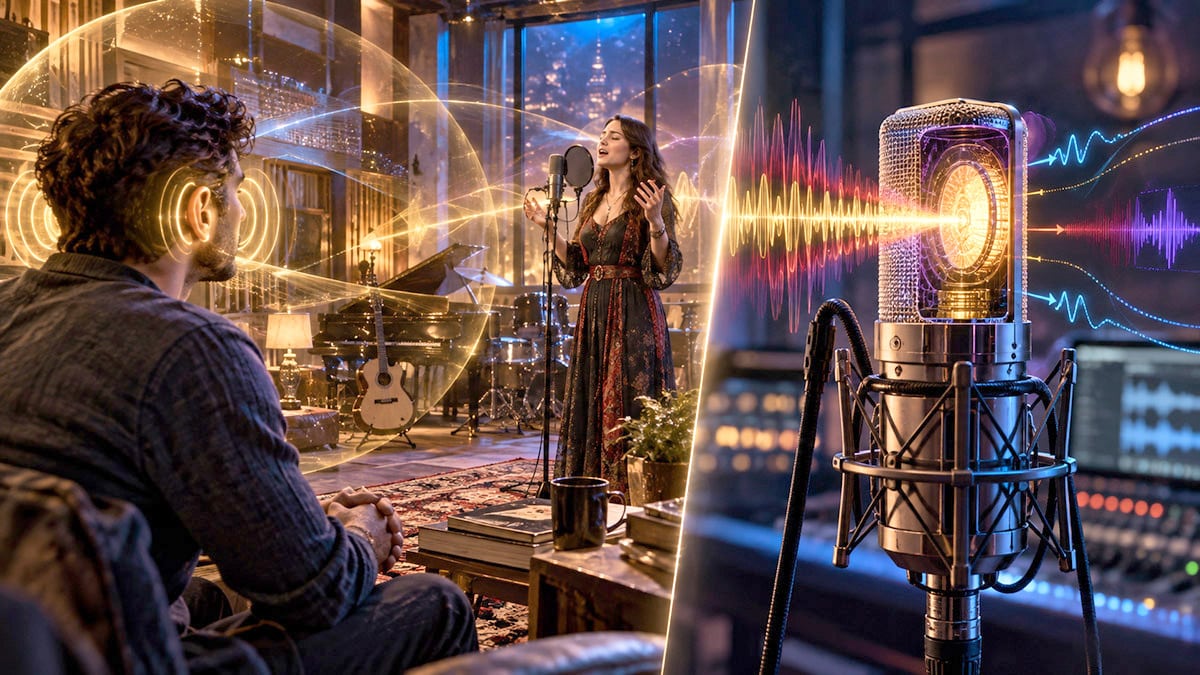
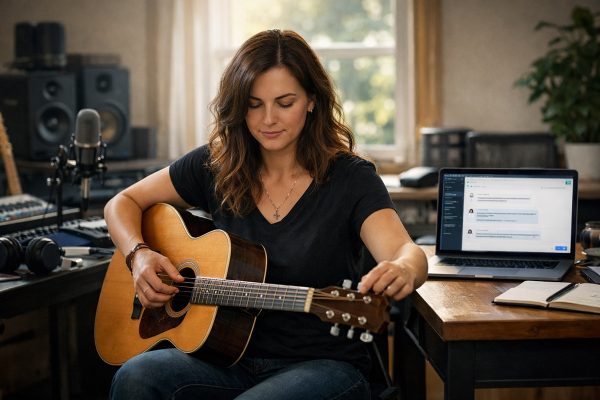
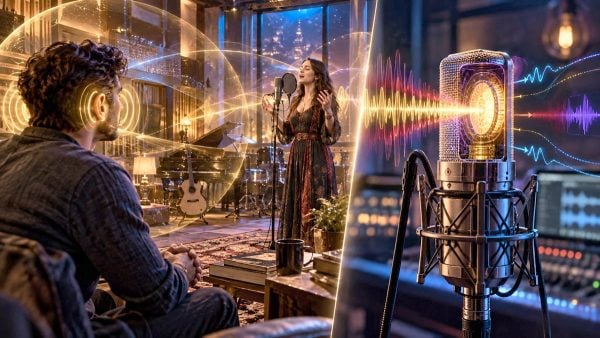
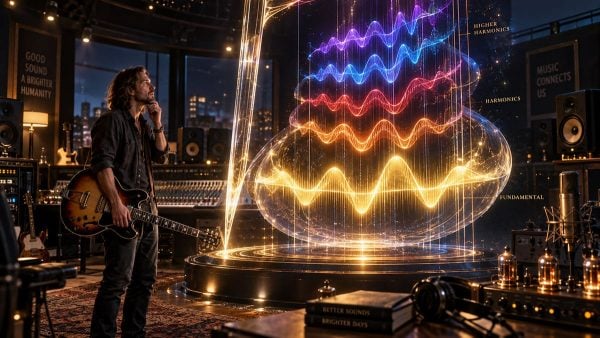
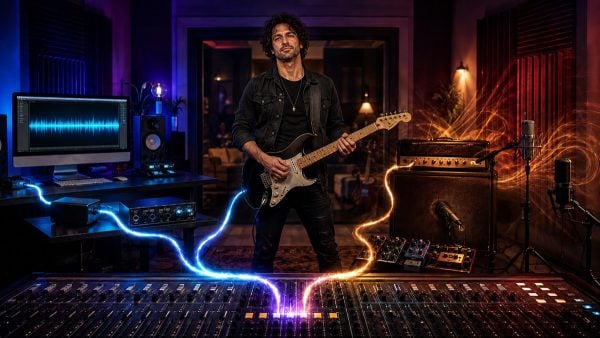
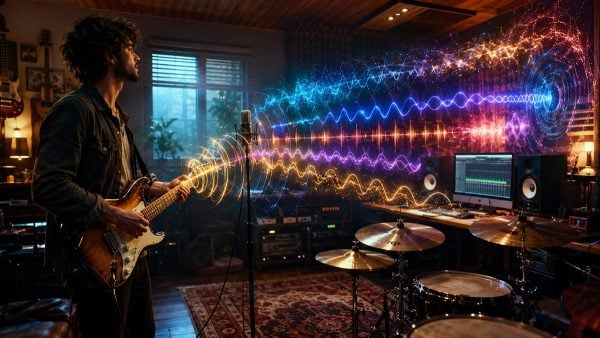
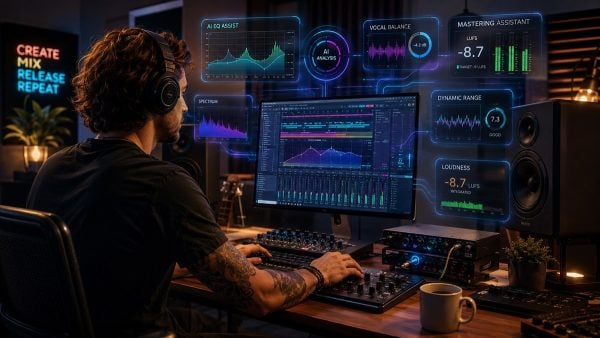
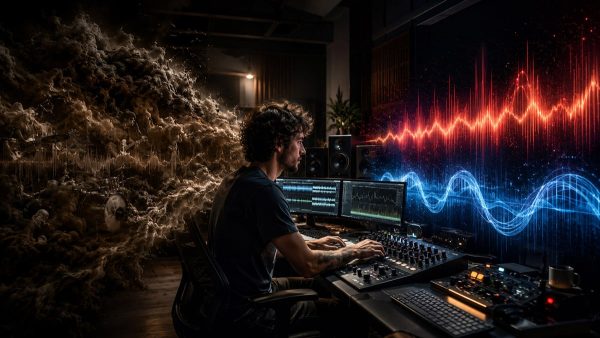
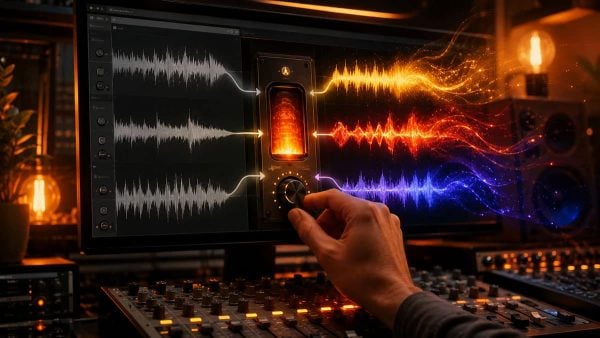
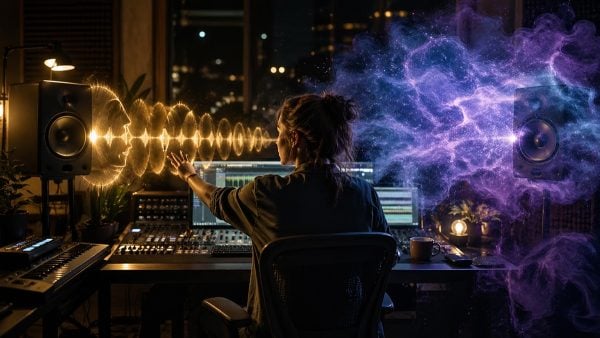
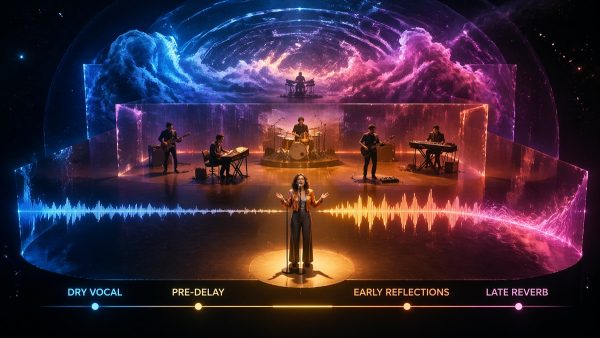
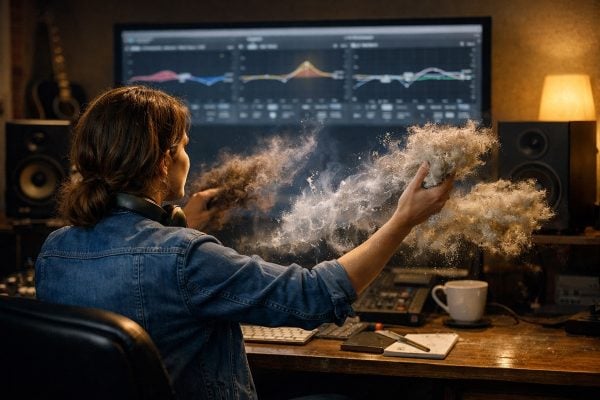
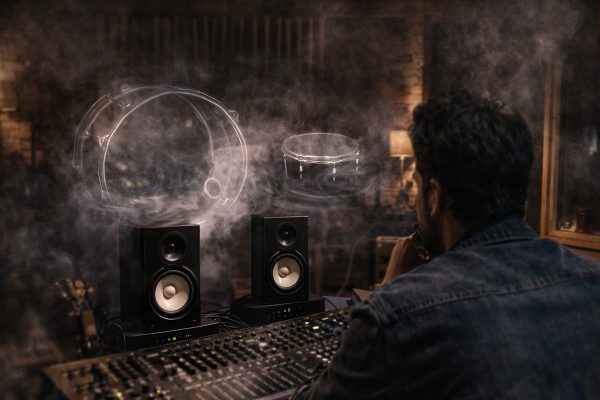
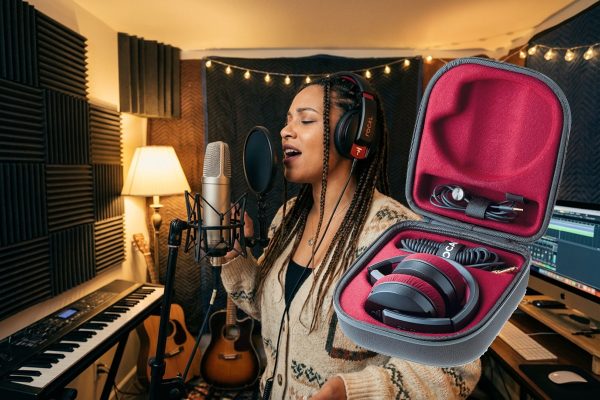
One of the strangest experiences in a home studio happens before anybody has touched an EQ, compressor, reverb, or one of those plugins that promises to make your vocal sound like it was recorded in a million-dollar studio somewhere in the Hollywood Hills. A singer stands a few feet in front of you and sounds wonderful. The voice feels warm and natural, the low notes have body without getting muddy, the high notes have excitement without becoming painful, and everything seems balanced enough that you start congratulating yourself on how easy this session is going to be. Then you put up a microphone, record thirty seconds, listen through the monitors, and discover that the same singer has somehow become thin, nasal, boomy, brittle, overly intimate, or so painfully sibilant that every “S” sounds like somebody opening a shaken can of soda directly beside your ear.
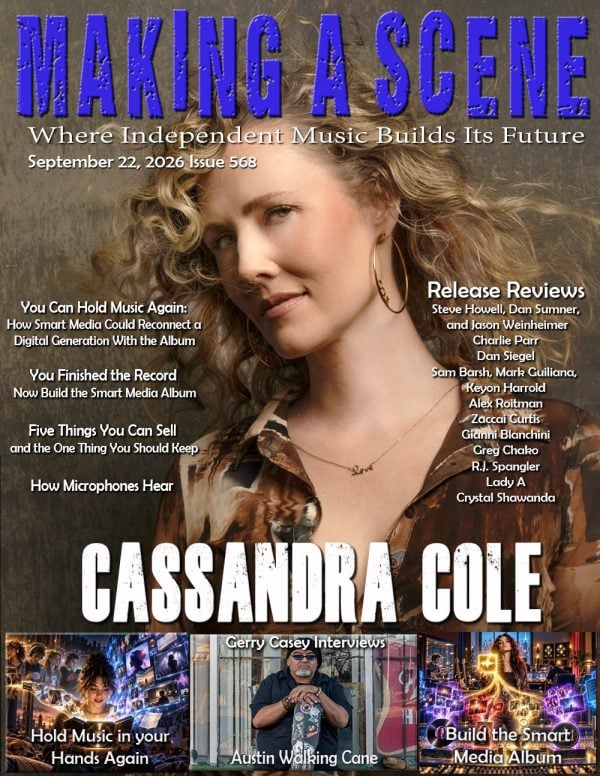
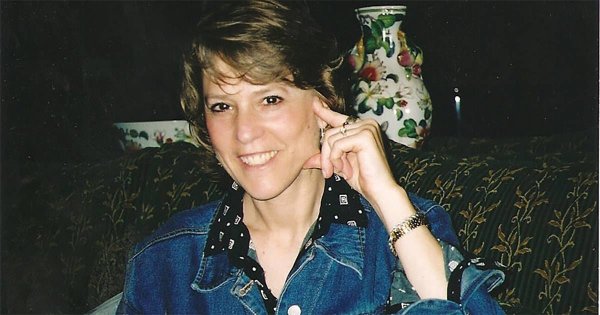
Cassandra Cole is a California-born, Minnesota-based singer-songwriter whose music occupies the space where alternative soul, indie folk, and emotionally charged songwriting meet. Now rooted in the Twin Cities, Cole has developed a sound that is intimate without being fragile, atmospheric without losing its human center, and driven by a willingness to explore difficult emotions with uncommon honesty.
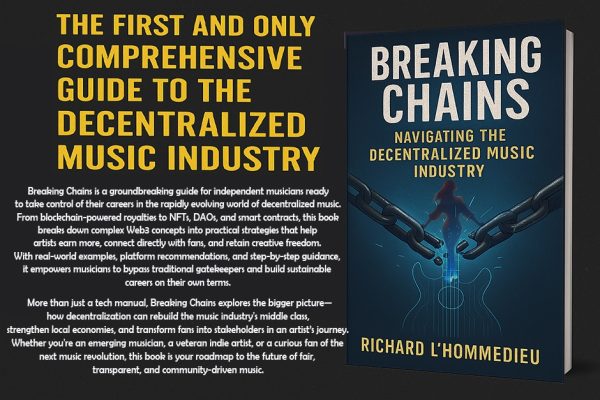
Tired of streaming pennies while gatekeepers cash in?
It’s time to take back control.
🔥 Now Available in Kindle, Paperback, and Hardcover.
⚡ Exclusive Collector’s Run: Only 50 hand-numbered, signed editions exist. When they’re gone, they’re gone forever.
👉 Claim your copy today—and take your place in the future of indie music.
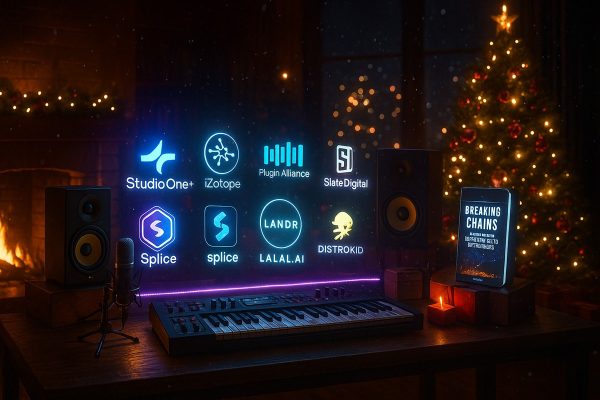
“Breaking Chains” is a timely and insightful exploration of how decentralization is reshaping the music industry. Richard L’Hommedieu draws on deep industry knowledge to examine the shifting balance of power between artists, labels, and digital platforms. The book offers both a critique of the traditional music business and a roadmap for musicians seeking independence in a rapidly evolving landscape. With clear explanations and practical strategies, L’Hommedieu empowers readers to understand blockchain, streaming economics, and new models of ownership. More than just a guide, it’s a call to artists to reclaim control of their work and careers. A must-read for musicians, managers, and anyone curious about the future of music."