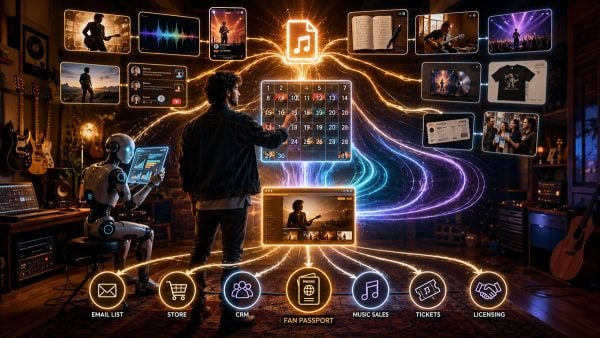
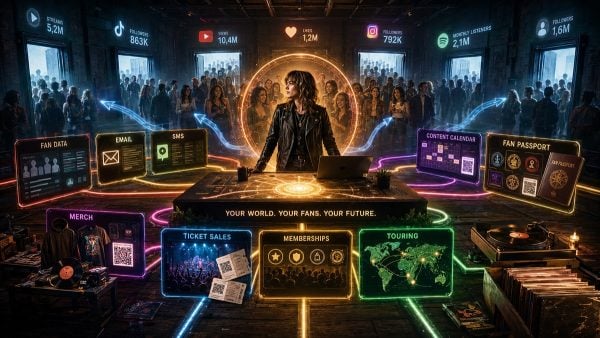
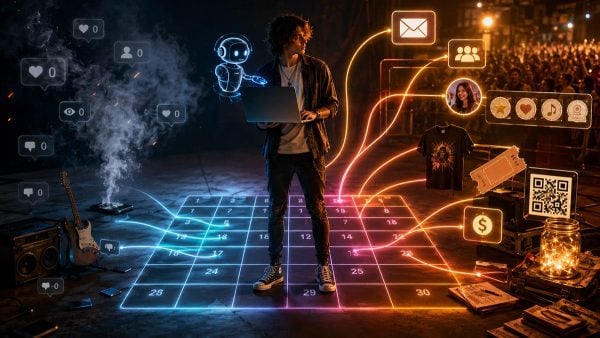
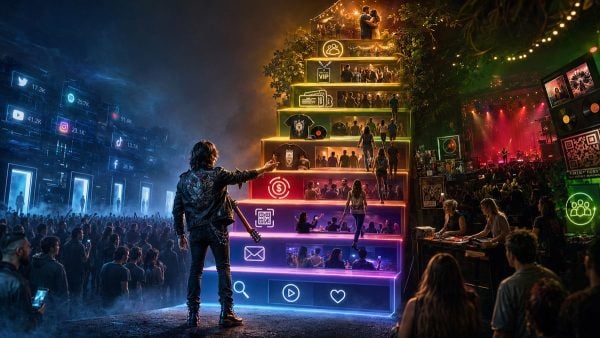
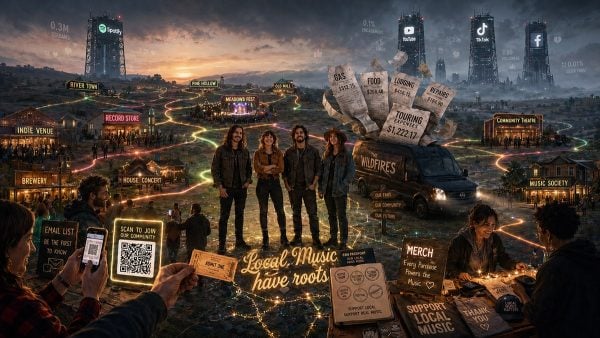
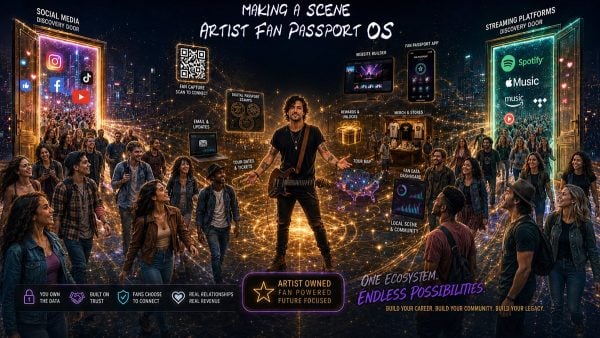
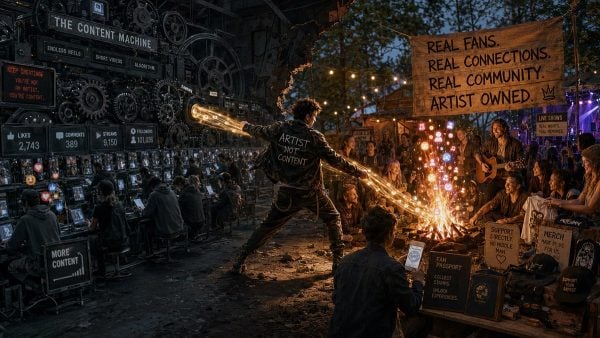
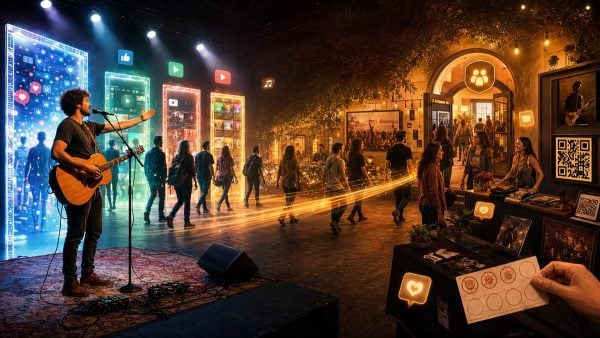
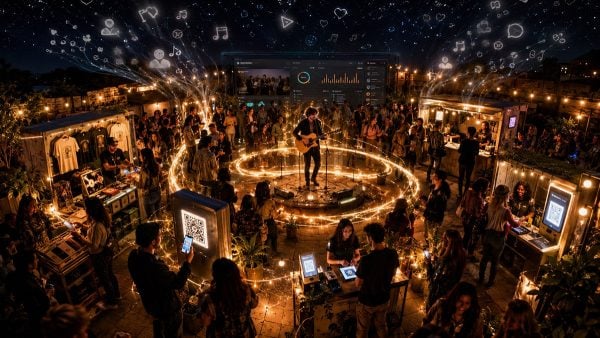
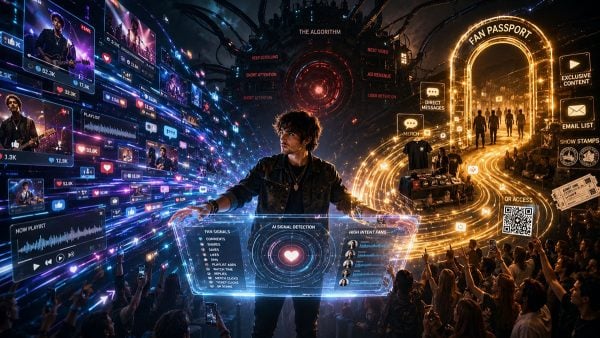
The Music Industry Does Not Have a Fan Problem. It Has a Customer-Ownership Problem
Listen to the Podcast Discussion
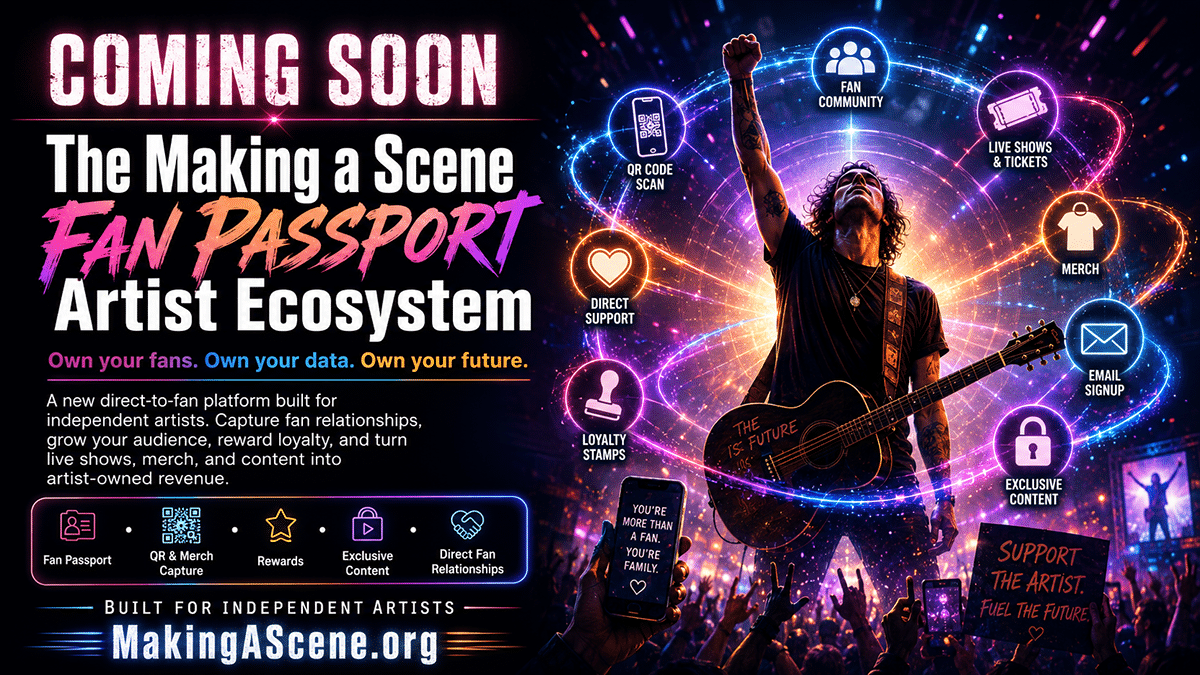
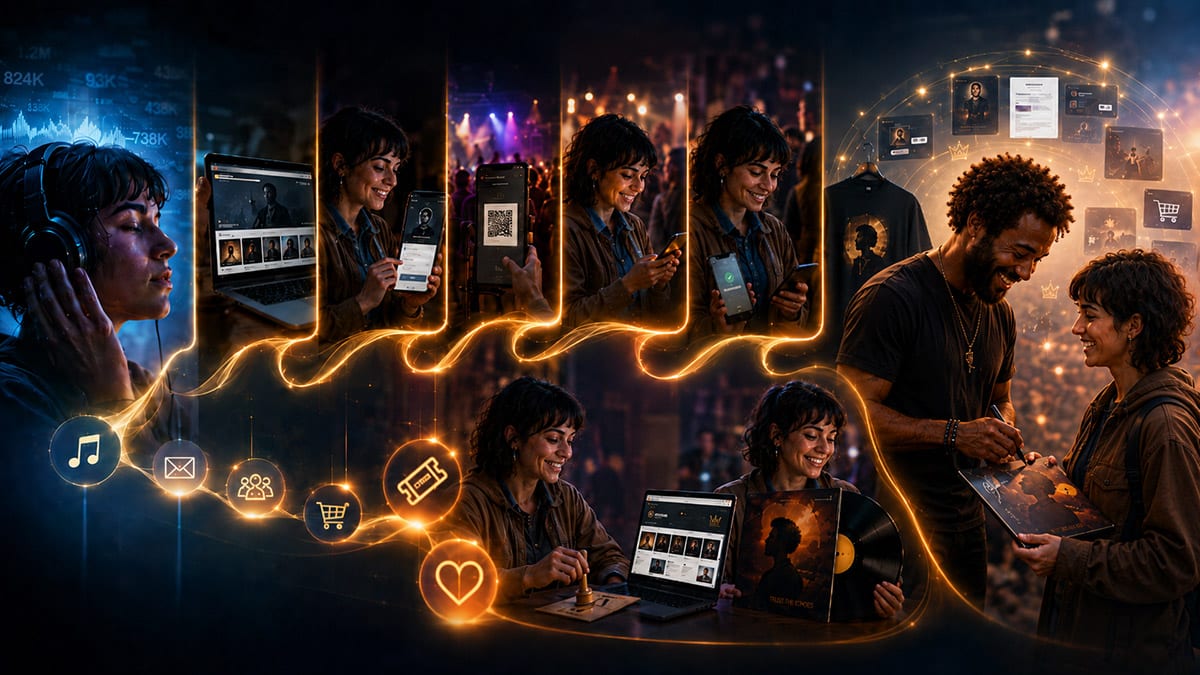
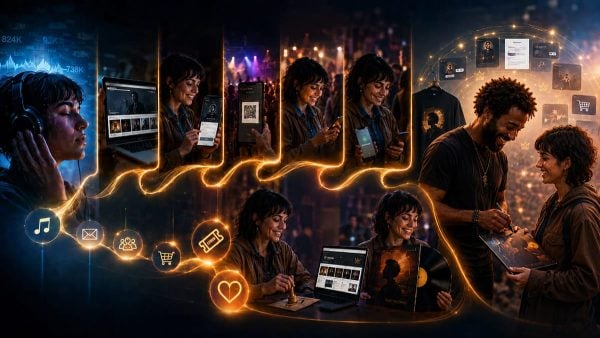
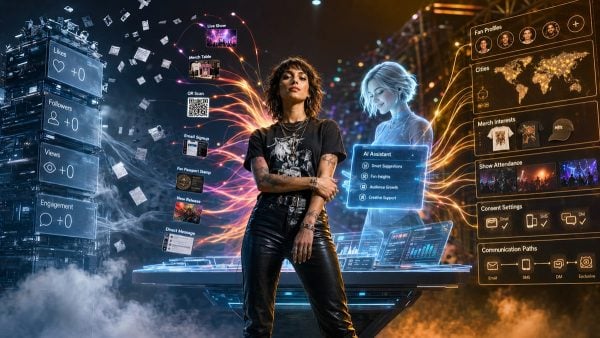
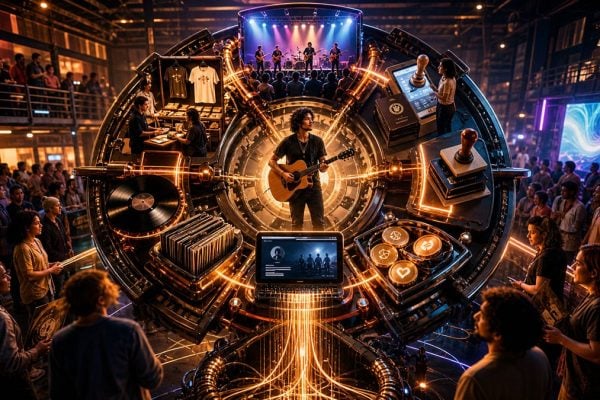
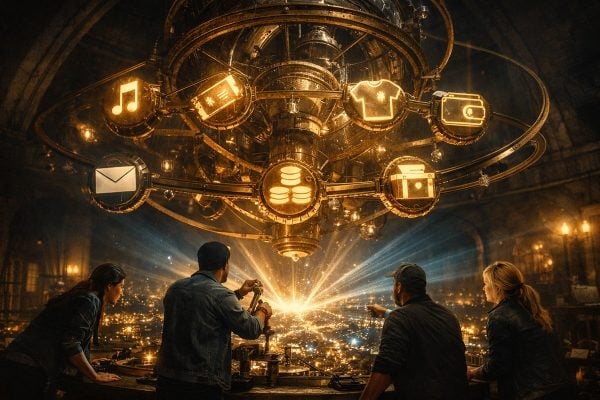
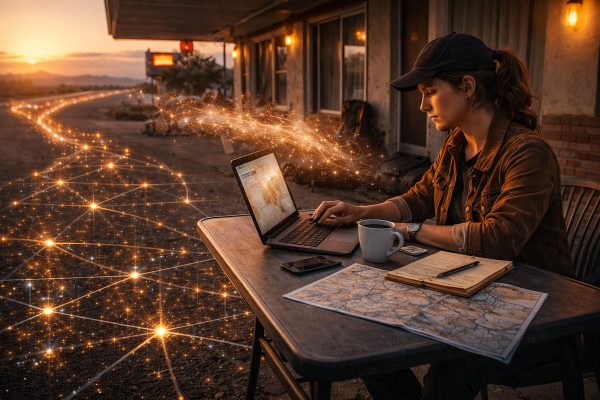
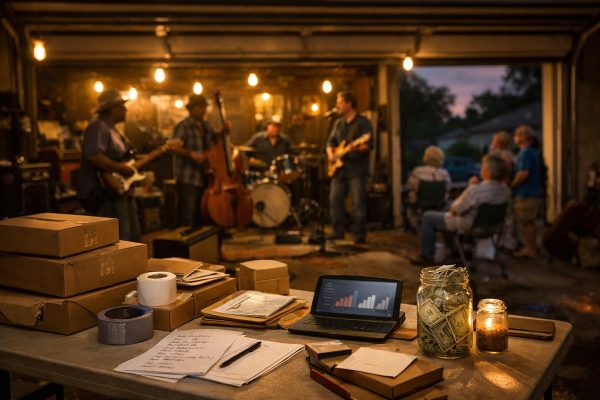
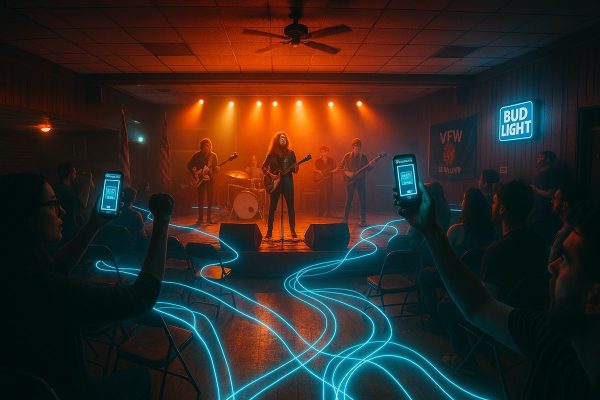
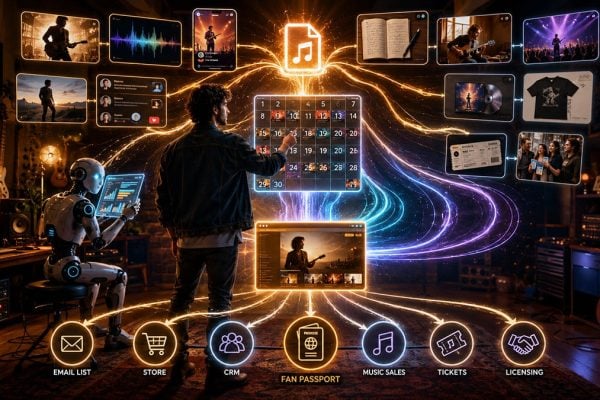
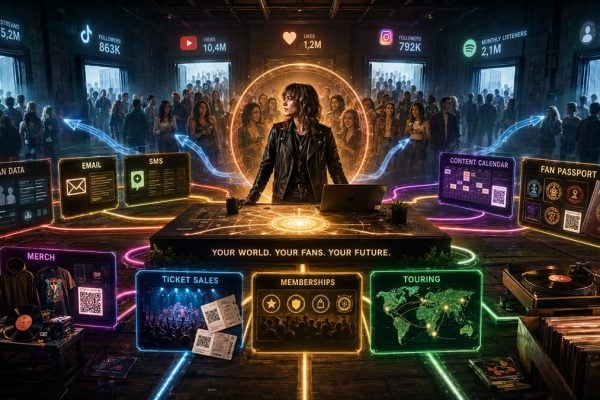
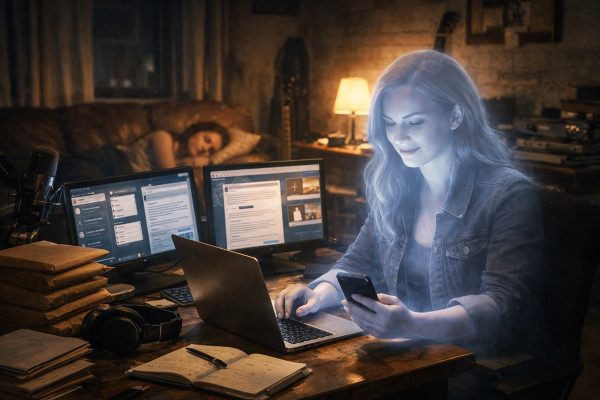
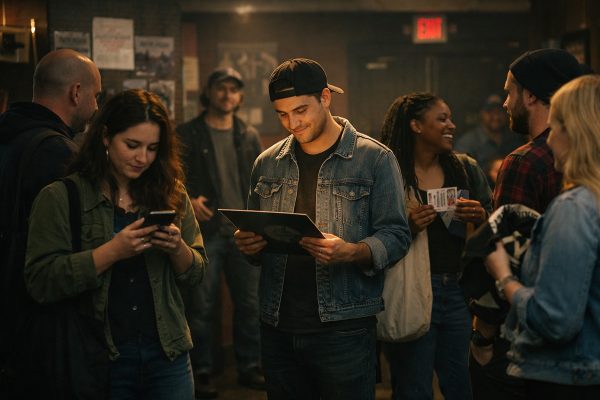
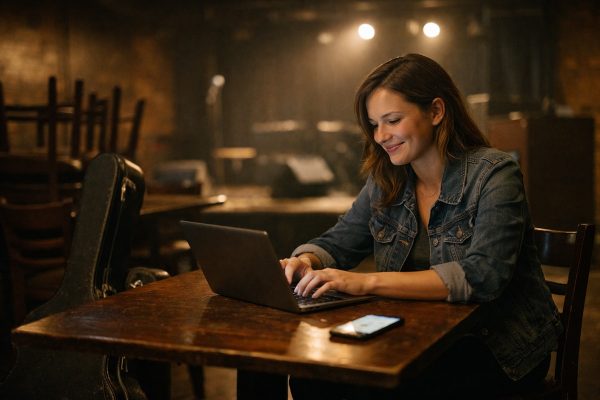
An independent artist sits in front of a laptop, staring at numbers that should feel exciting. The new single has passed 100,000 streams. A video has collected thousands of views. The band’s social pages have picked up followers from several countries. Last month’s show sold well, and the ticketing company scanned hundreds of people through the door. By every visible measure, something seems to be happening.
AI Training Royalties Are Coming—But Will Indie Artists Get Paid?
Listen to the Podcast Discussion
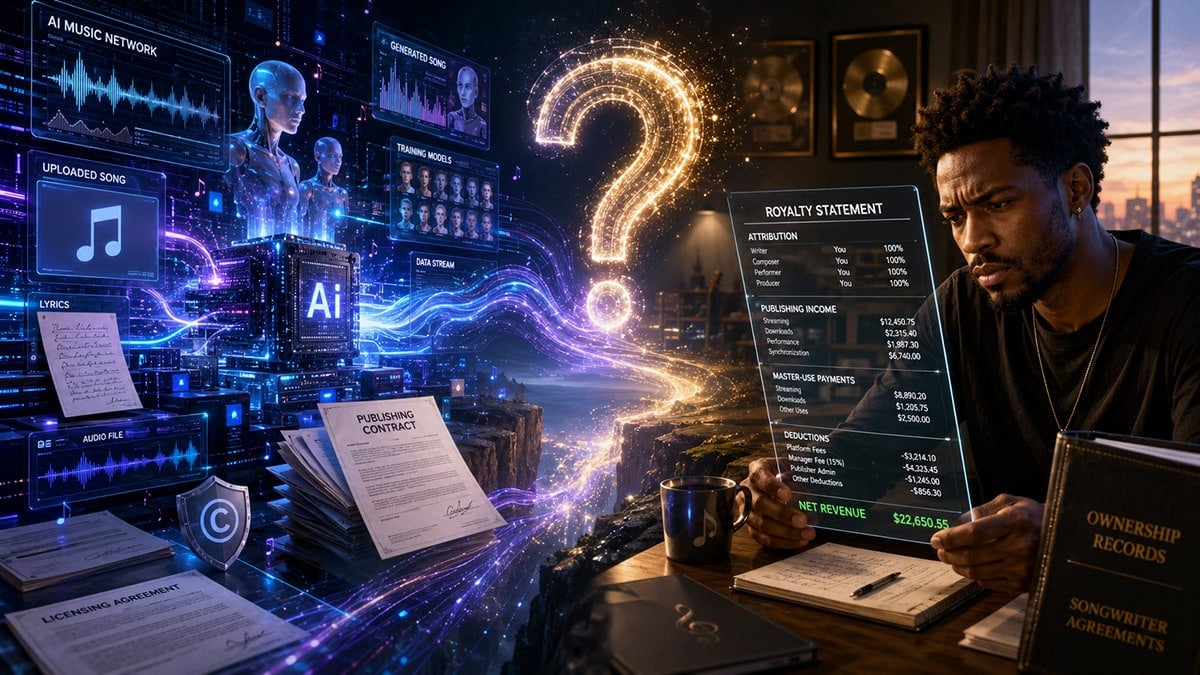
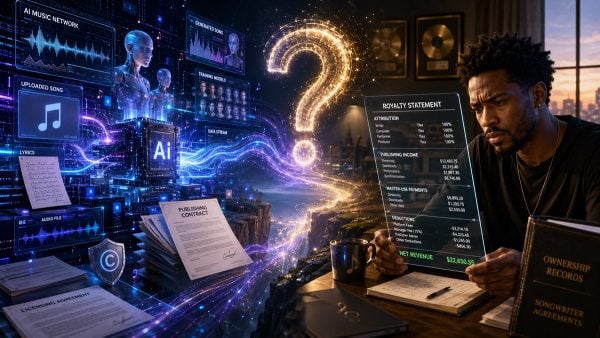
Artificial intelligence companies have spent the past few years treating music like an unattended buffet. Recordings, lyrics, artwork, voices, performances, and entire creative styles have been pulled into giant data collections. Artists were often left wondering whether their work had been used, who used it, what it helped create, and whether anybody planned to pay them. MachineLearning & Artificial Intelligence
Now the music business is beginning to move toward a different model. Instead of taking first and arguing about permission later, some companies are trying to build licensed AI systems in which creators can choose whether their work is included. That sounds better. It probably is better.
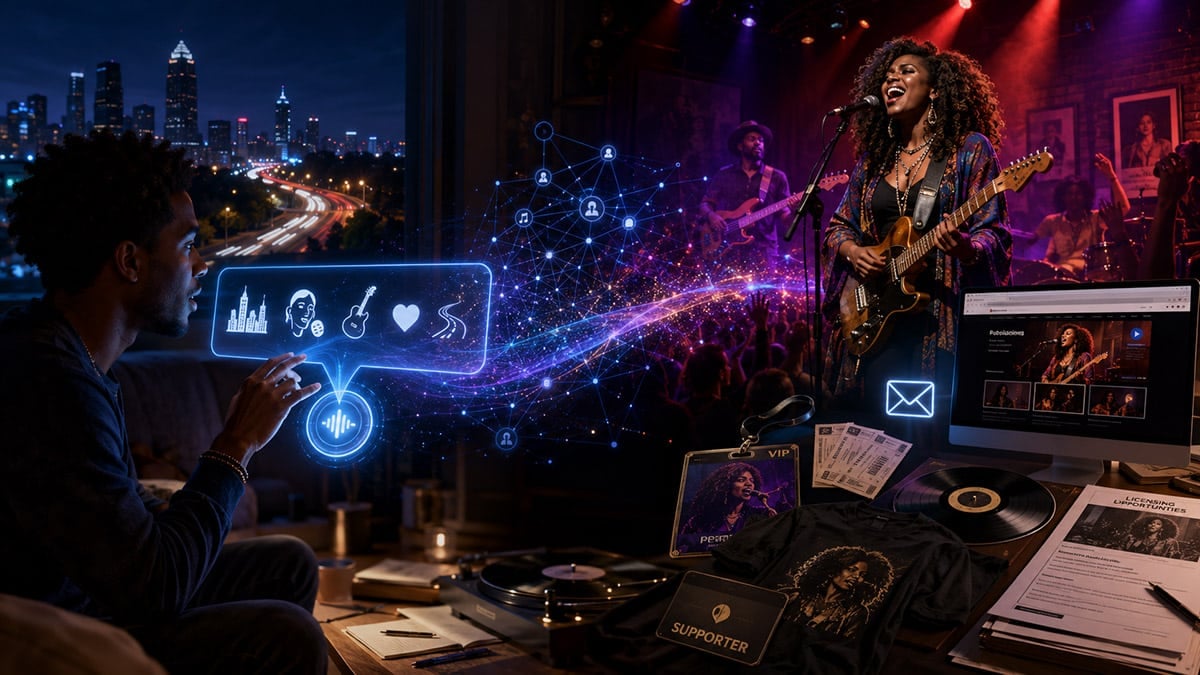
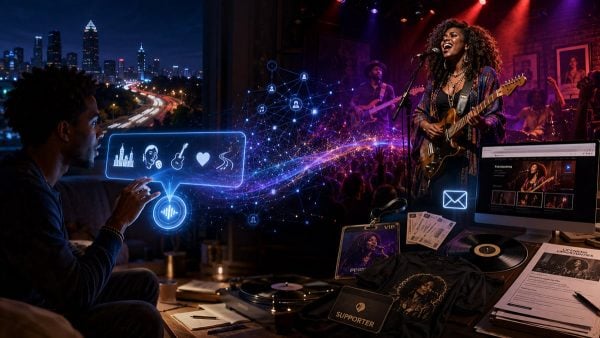
Picture a music fan driving home late at night. The road is empty, the dashboard is glowing, and the fan wants to hear something new. In the old days, this person might search for “blues rock,” open a playlist with a picture of a guitar on the cover, and begin skipping through songs that all seem to have been chosen by the same mysterious fellow wearing sunglasses indoors. Music& Audio
Now the fan may be able to ask a much better question.
“Find me a blues-rock artist from Atlanta with powerful female vocals, strong guitar work, and songs that sound good on a late-night drive.”
That is not a normal search. It is a description of a need. The listener is not naming an artist or requesting a song title. The listener is describing a sound, a place, a voice, a mood, and a moment.
This is where music discovery is heading.
What Sound Actually Is: The Science Every Musician Should Understand
Listen to the Podcast Discussion
Before the Microphone, Something Has to Move
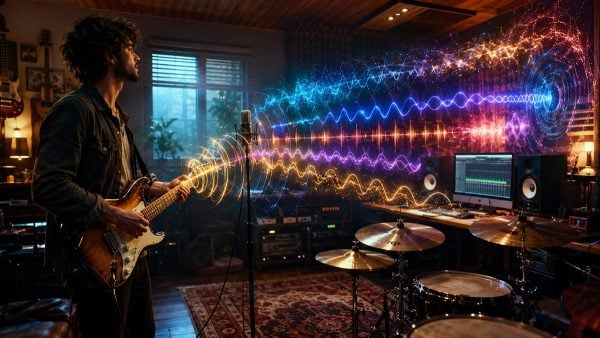
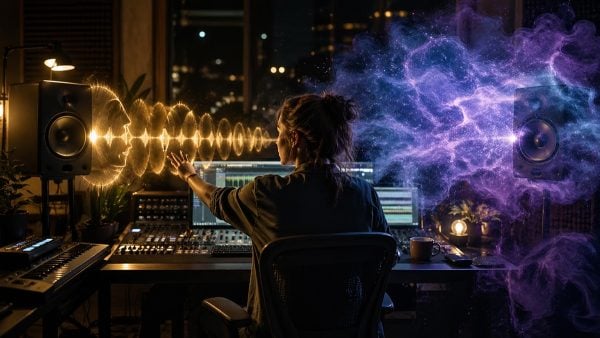
Every recording begins with movement.
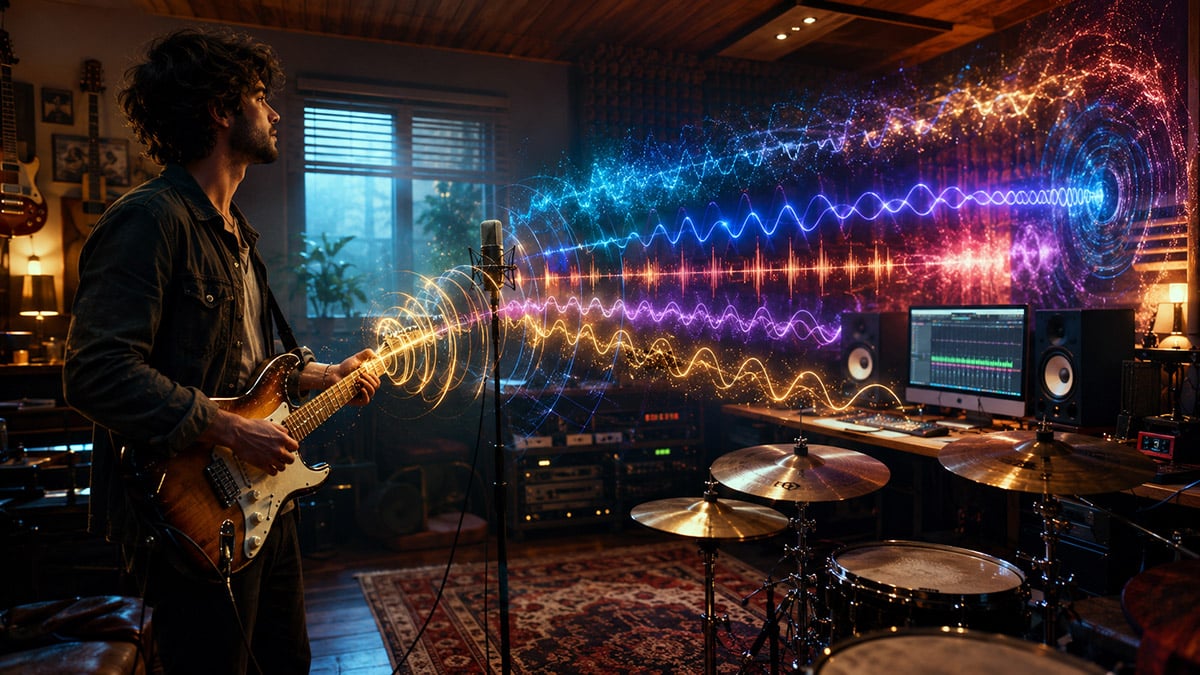
Before the microphone, the preamp, the audio interface, the computer, the waveform, the compressor, and the plugin with the picture of a rusty spaceship, something must vibrate.
A singer pushes air from the lungs past the vocal folds. Those folds open and close rapidly. A guitarist plucks a string, causing it to move back and forth. A drummer strikes a drumhead, which bends inward and springs back. A cymbal flexes in many directions at once. A piano hammer hits a string. A loudspeaker cone moves forward and backward.
That movement pushes and pulls on the air around it.
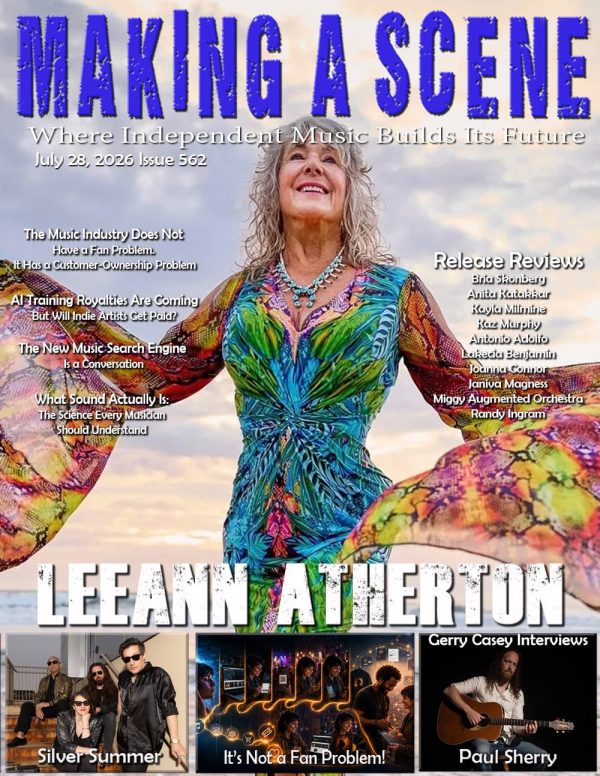
Leeann Atherton is a country, gospel, and blues singer-songwriter based in Austin, Texas, with a voice shaped by the South, the road, and a lifetime of hard-earned musical instinct. Her sound carries the grit of the blues, the warmth of gospel, and the storytelling heart of country music, delivered with the kind of honesty that cannot be faked.
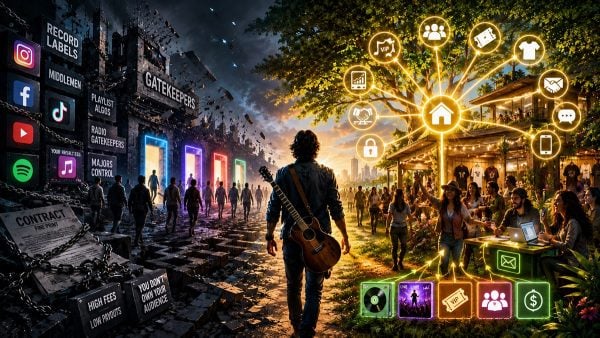
Tired of streaming pennies while gatekeepers cash in?
It’s time to take back control.
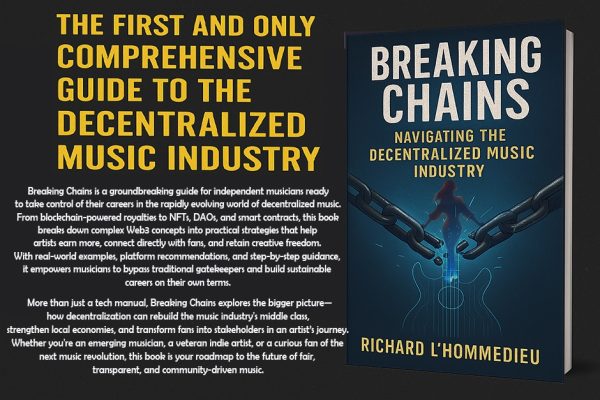
🔥 Now Available in Kindle, Paperback, and Hardcover.
⚡ Exclusive Collector’s Run: Only 50 hand-numbered, signed editions exist. When they’re gone, they’re gone forever.
👉 Claim your copy today—and take your place in the future of indie music.
“Breaking Chains” is a timely and insightful exploration of how decentralization is reshaping the music industry. Richard L’Hommedieu draws on deep industry knowledge to examine the shifting balance of power between artists, labels, and digital platforms. The book offers both a critique of the traditional music business and a roadmap for musicians seeking independence in a rapidly evolving landscape. With clear explanations and practical strategies, L’Hommedieu empowers readers to understand blockchain, streaming economics, and new models of ownership. More than just a guide, it’s a call to artists to reclaim control of their work and careers. A must-read for musicians, managers, and anyone curious about the future of music."