How To Build A Simple Artist CRM (Customer Relationship Management) Without Getting Overwhelmed
Listen to the Podcast Discussion
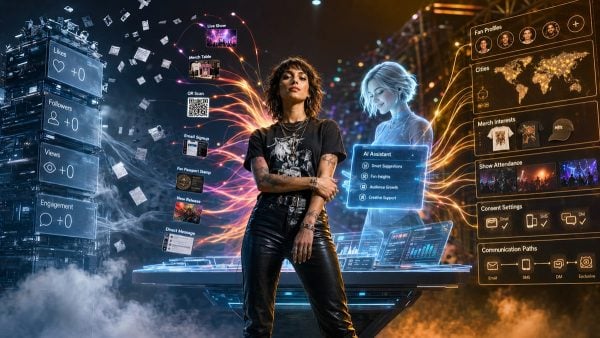
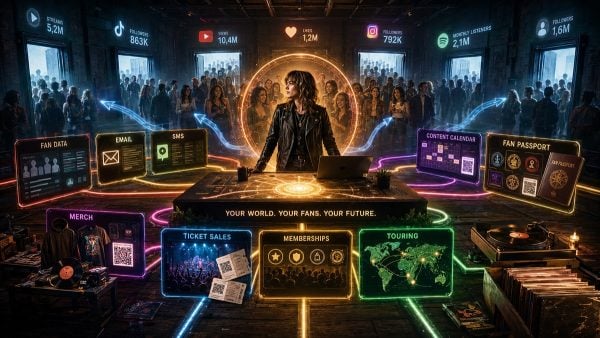
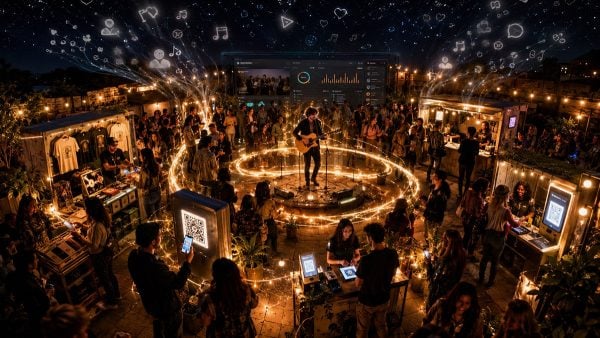
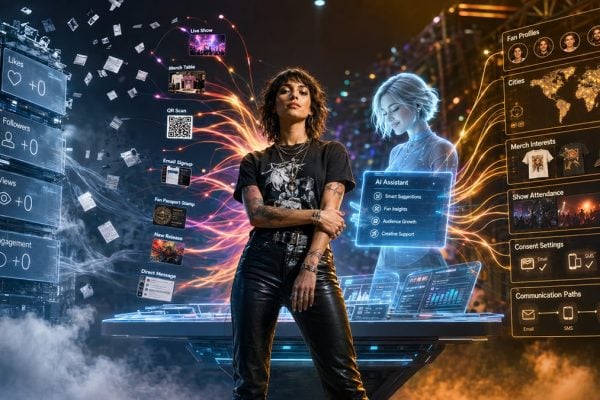
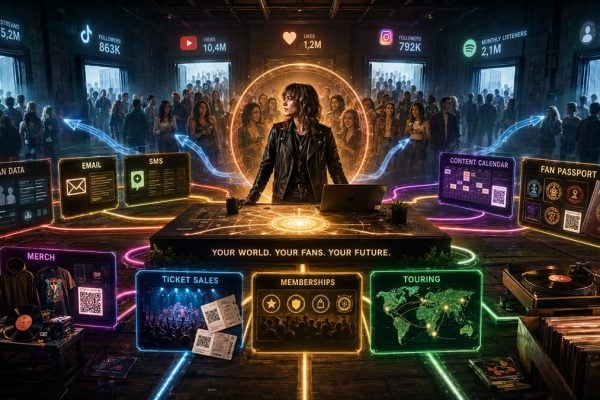
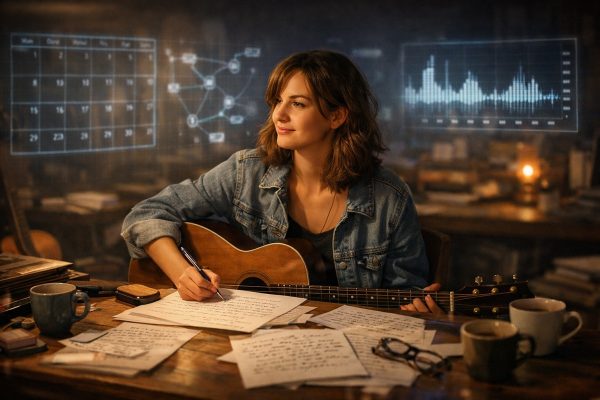
The Fan List Is Not The Boring Part
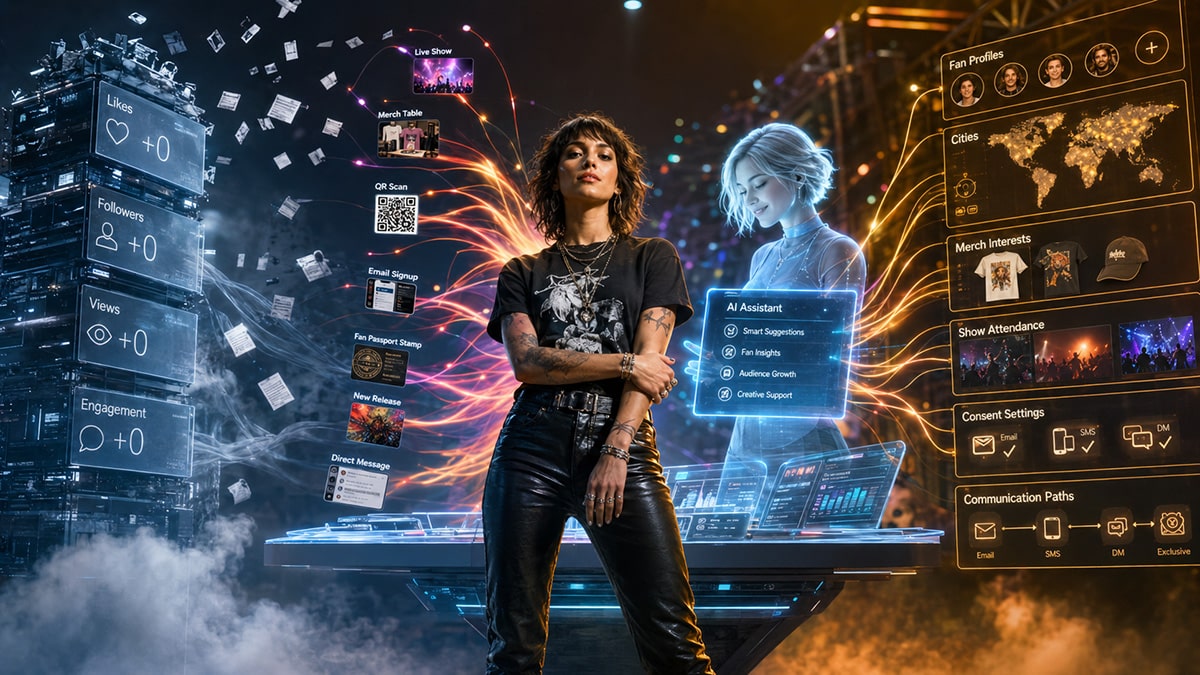
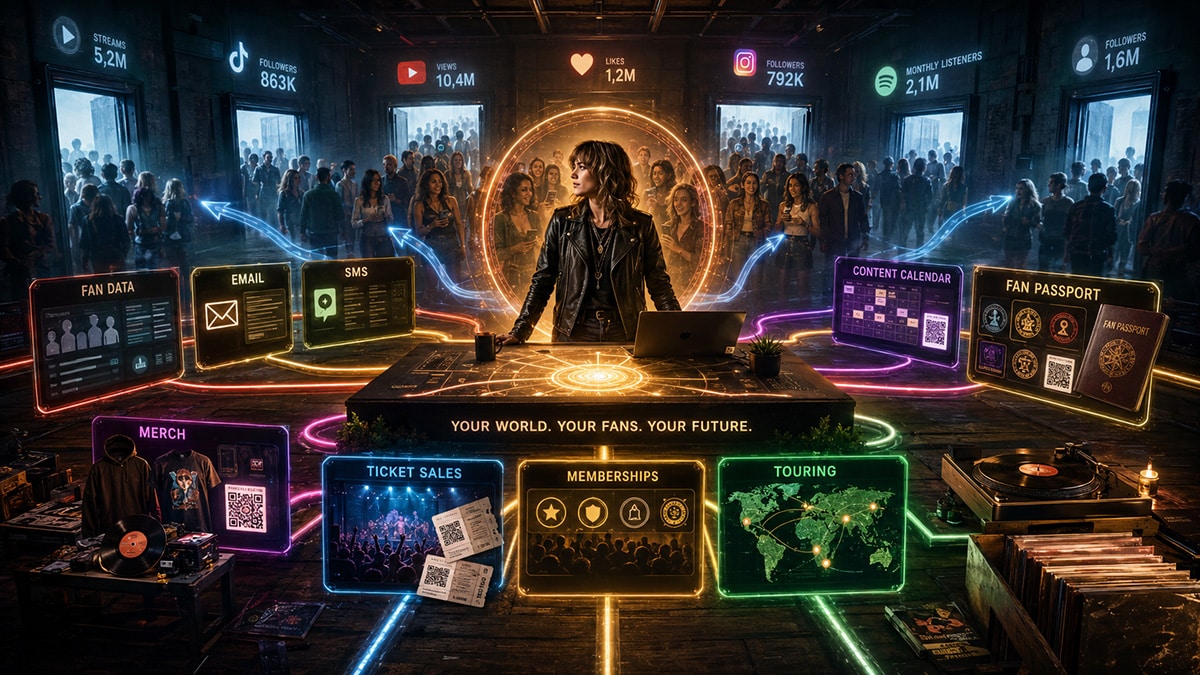
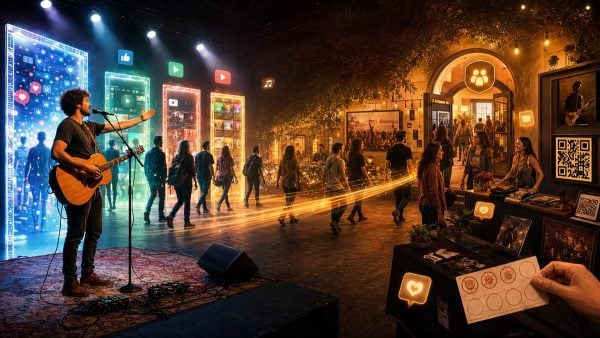
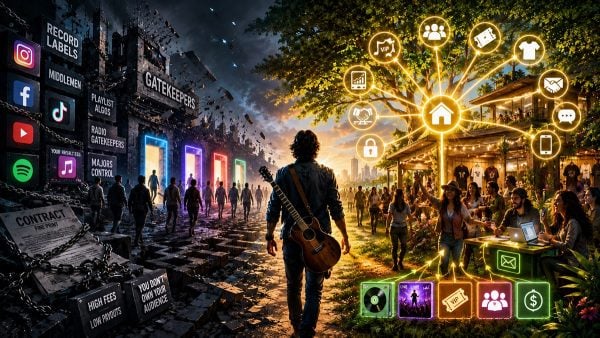
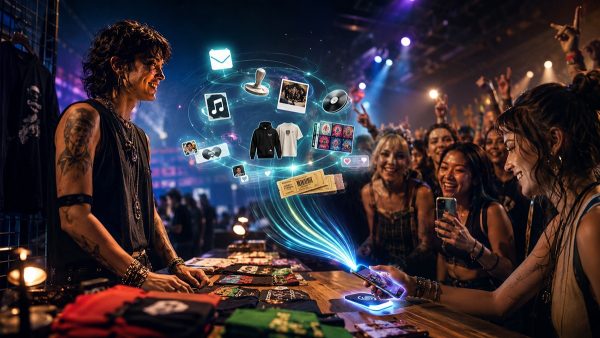
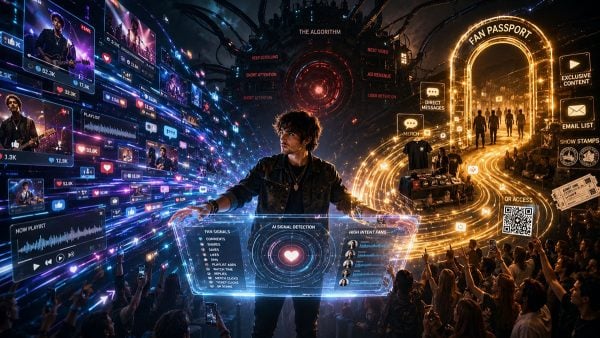
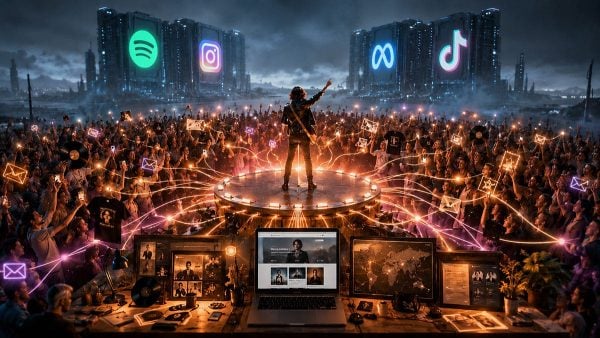
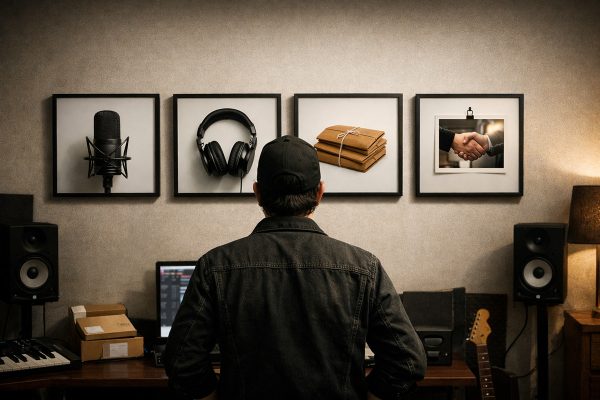
Somewhere along the way, independent artists were tricked into thinking the “business side” of music was a separate, joyless dungeon where creativity goes to die under a pile of spreadsheets. The myth says the real artist writes songs, plays shows, makes records, and posts into the algorithmic void while some mysterious business goblin with a laptop handles the rest. That myth has been very useful for platforms, labels, middlemen, and anyone else who benefits when artists stay disorganized.
For a long time, the dream was simple. Find a manager who knew the right people, could get the right meetings, and maybe knew which hotel lobby to haunt during a conference. The manager was the person with access. They had the phone numbers, the relationships, the mystery spreadsheet, and the ability to say, “Let me make a call,” which always sounded like wizardry even when it meant leaving a voicemail.
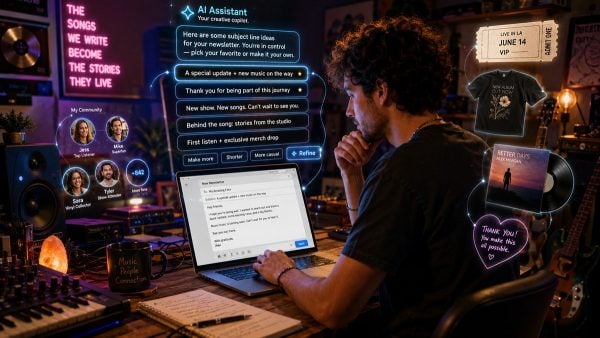
How To Use AI To Write Better Email Subject Lines For Fans
Listen to the Podcast Discussion
The First Line Is The Front Door
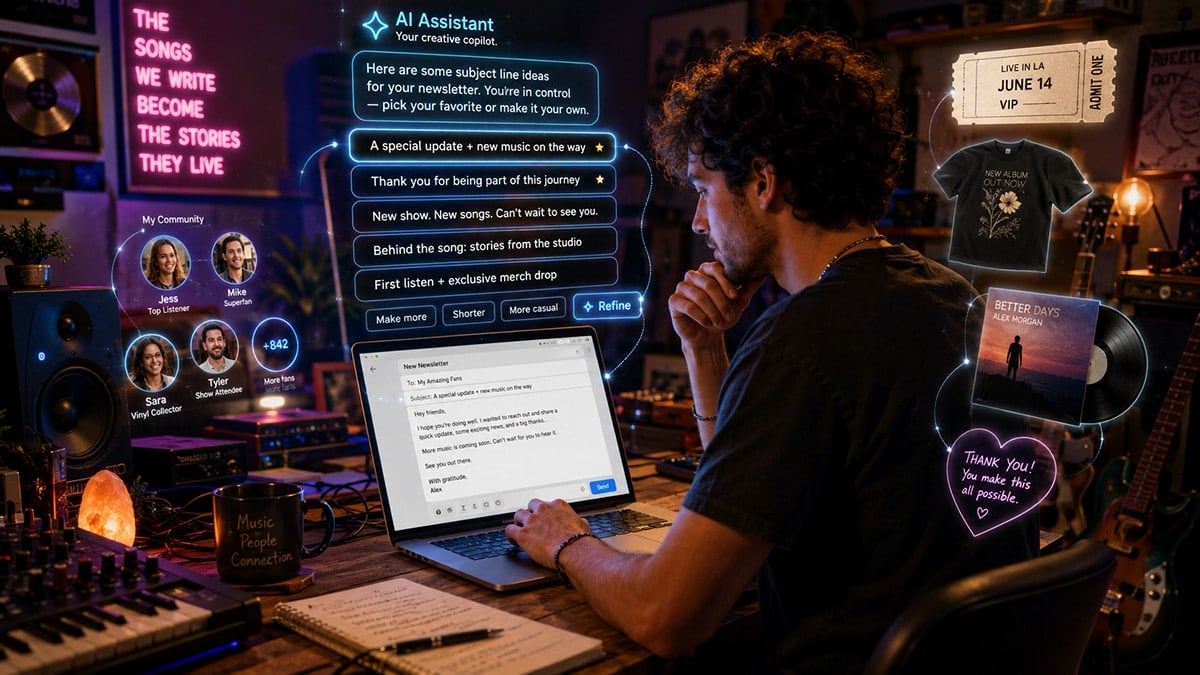
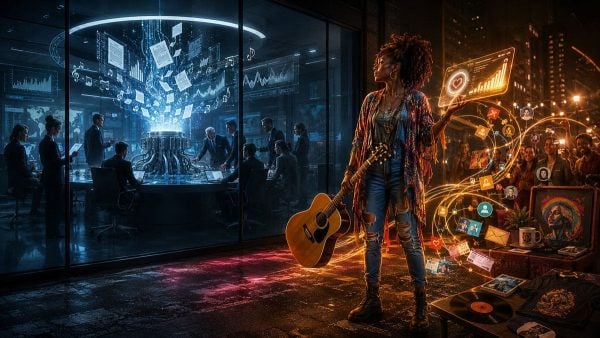
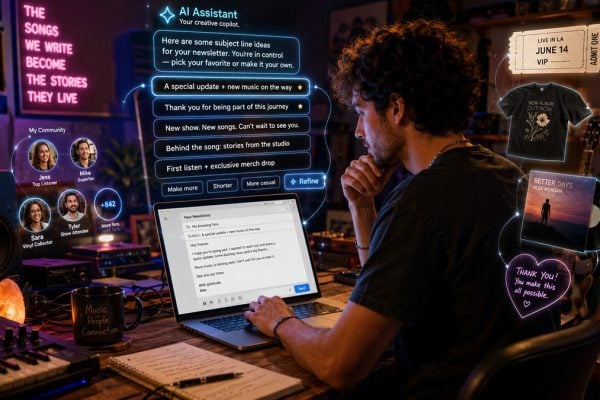
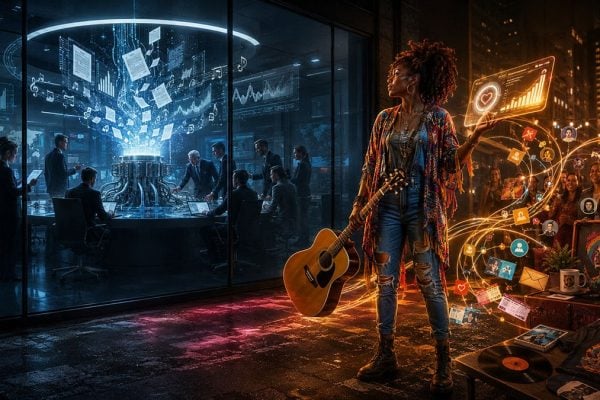
Every indie artist knows the feeling. You have a show coming up, a new single dropping, a fresh batch of shirts on the merch table, or a membership offer you finally got the nerve to launch. You write the email. You care about the email. You know the people on that list are not strangers. They are fans, friends, buyers, believers, and maybe a few people who signed up three years ago at a gig and forgot they did. Then you get to the subject line and freeze.
That tiny line suddenly feels bigger than the song.
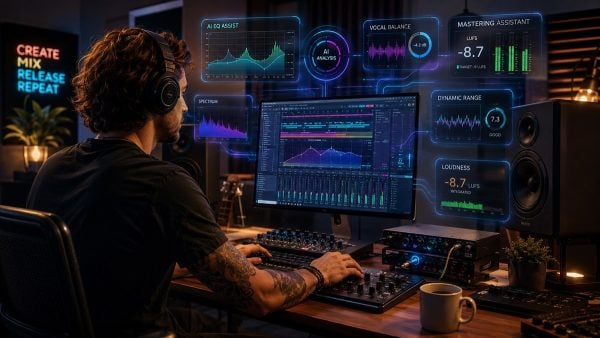
Using AI Tools to Improve Your Mix Without Letting AI Take Over
Listen to the Podcast Discussion Podcasts
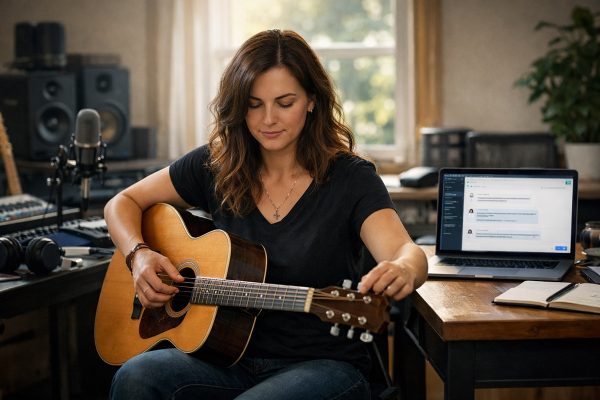
The New Home Studio Problem
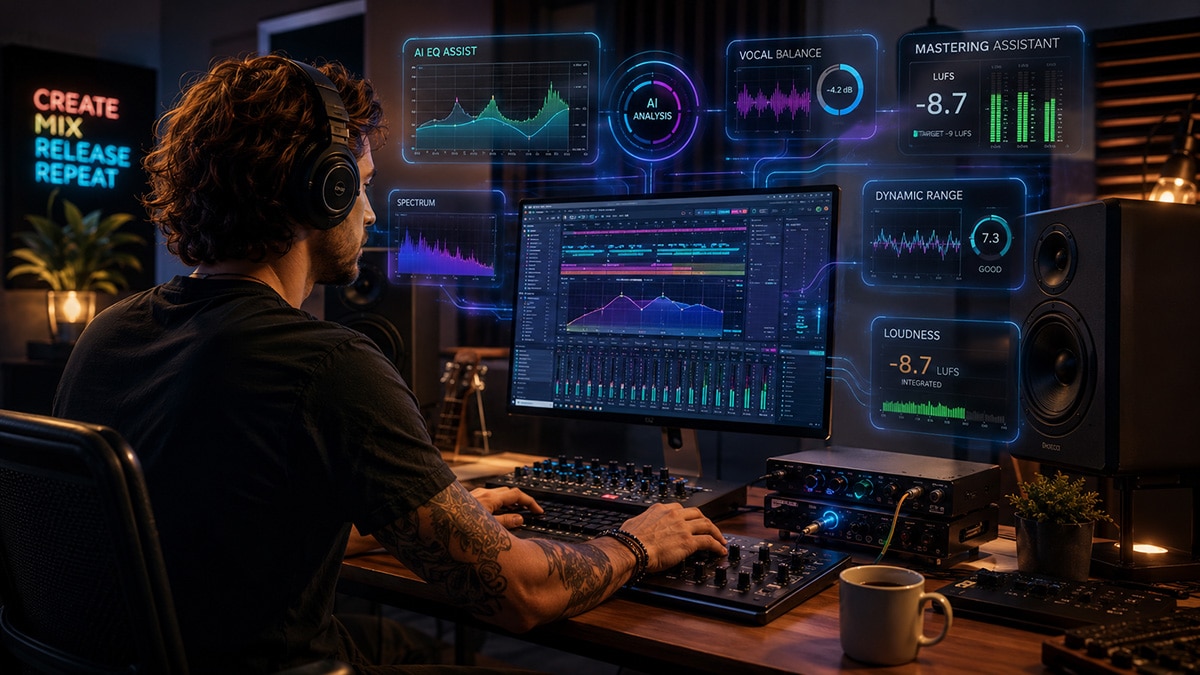
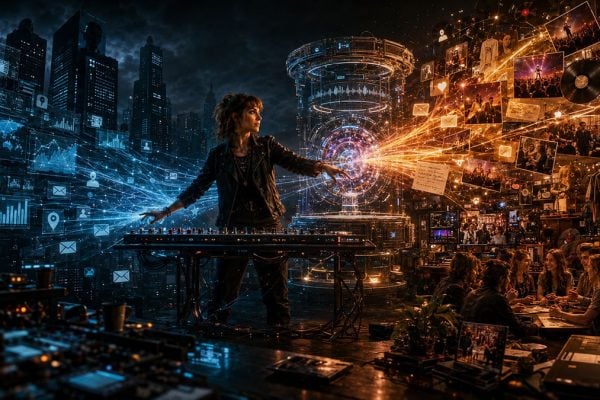
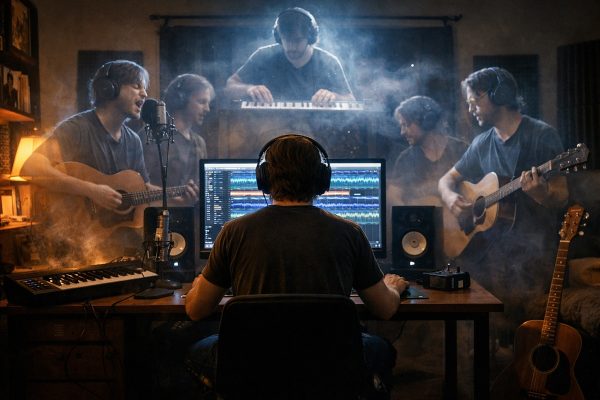
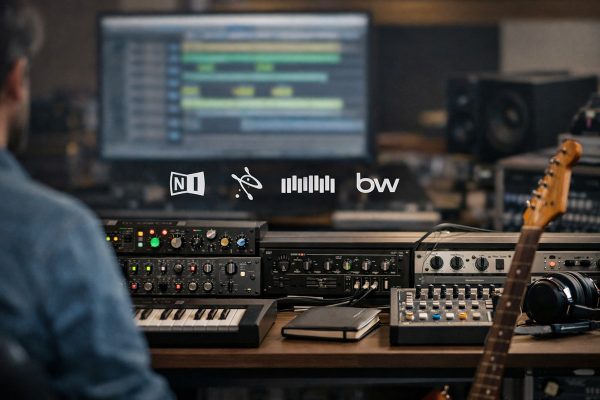
The home studio has changed everything for the independent artist. That little room in the house, the spare bedroom, the basement corner, the treated garage, or the desk with a laptop and a pair of headphones is no longer just a demo space. It is where songs are written, arranged, recorded, mixed, mastered, pitched, released, and sometimes turned into real income.
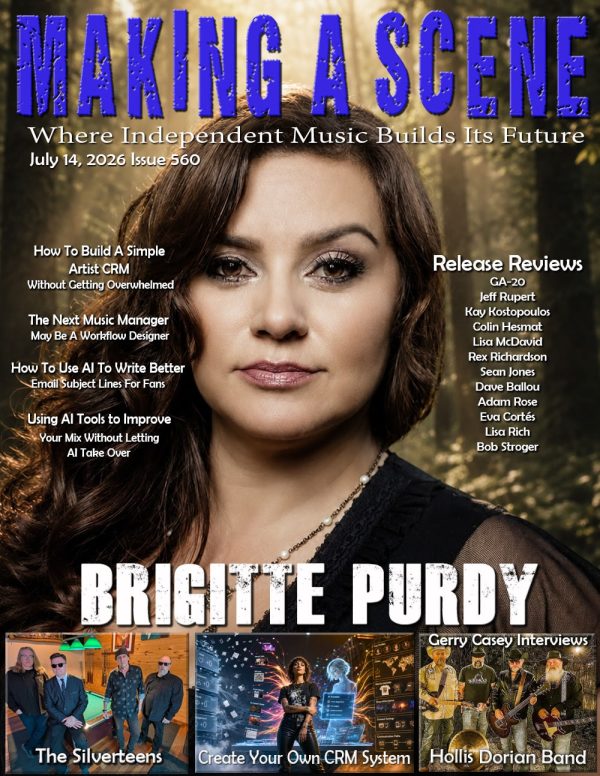
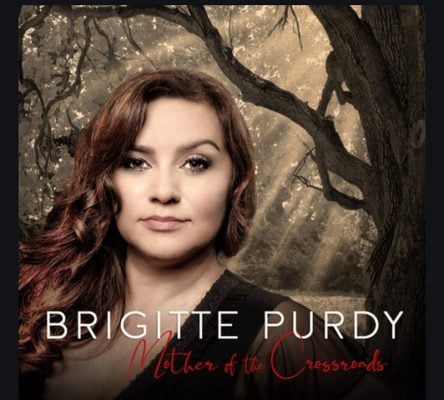
Raised in Los Angeles, Brigitte was drawn to the power and honesty of soul, blues, and rhythm and blues. Her pure, silky vocal tone quickly set her apart, earning her opportunities to perform alongside respected artists including Walter Trout, Sugaray Rayford, Tim Bogert, Dionne Warwick, and Dolly Parton. She has also contributed background vocals for major artists such as The Who and Paul Rodgers, experiences that placed her in the company of some of rock, soul, and blues music’s most recognizable names.
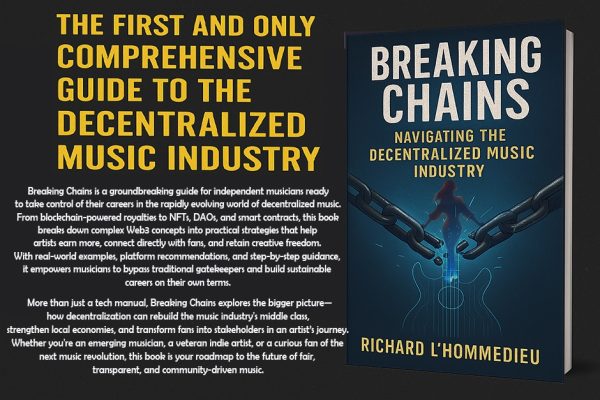
Tired of streaming pennies while gatekeepers cash in?
It’s time to take back control.
🔥 Now Available in Kindle, Paperback, and Hardcover.
⚡ Exclusive Collector’s Run: Only 50 hand-numbered, signed editions exist. When they’re gone, they’re gone forever.
👉 Claim your copy today—and take your place in the future of indie music.
“Breaking Chains” is a timely and insightful exploration of how decentralization is reshaping the music industry. Richard L’Hommedieu draws on deep industry knowledge to examine the shifting balance of power between artists, labels, and digital platforms. The book offers both a critique of the traditional music business and a roadmap for musicians seeking independence in a rapidly evolving landscape. With clear explanations and practical strategies, L’Hommedieu empowers readers to understand blockchain, streaming economics, and new models of ownership. More than just a guide, it’s a call to artists to reclaim control of their work and careers. A must-read for musicians, managers, and anyone curious about the future of music."