Build the Stack, Own the Fan: How Independent Artists Can Create a Sustainable Music Business
Stop Waiting for One Check to Save Your Career
Independent artists have spent decades being sold different versions of the same dream. There is always supposed to be one thing that changes everything, whether that thing is a record deal, radio airplay, a viral video, a giant playlist, a million streams, a social-media breakthrough, an NFT collection, or whatever shiny object arrives next Tuesday.
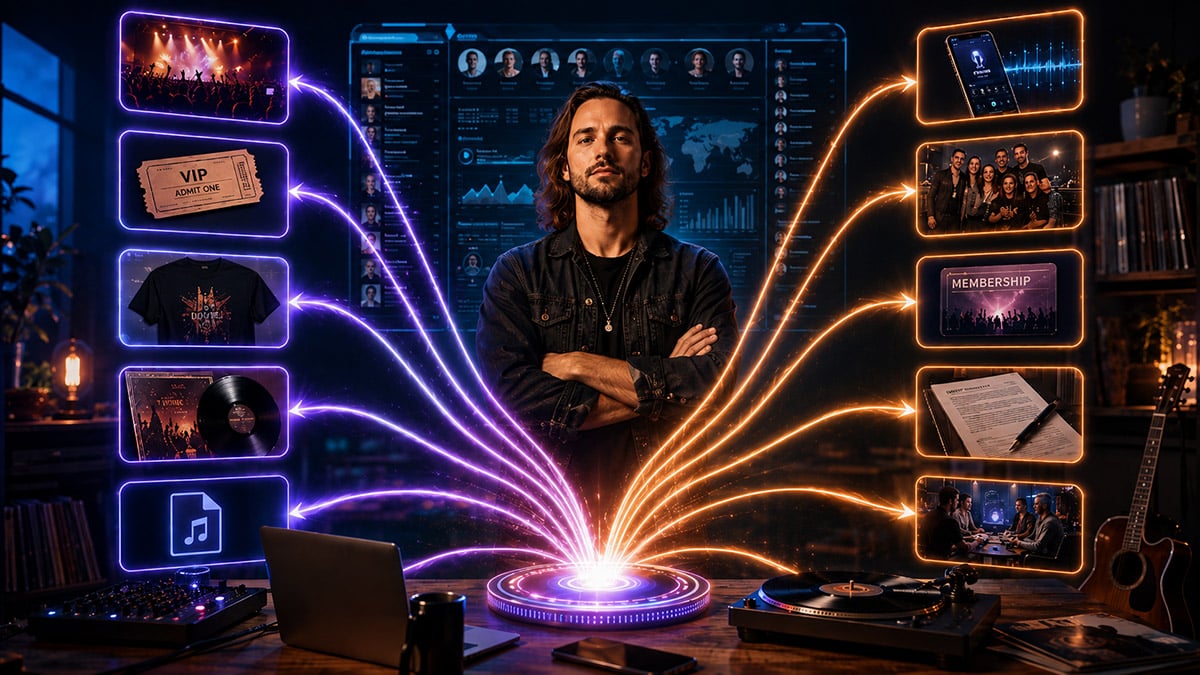
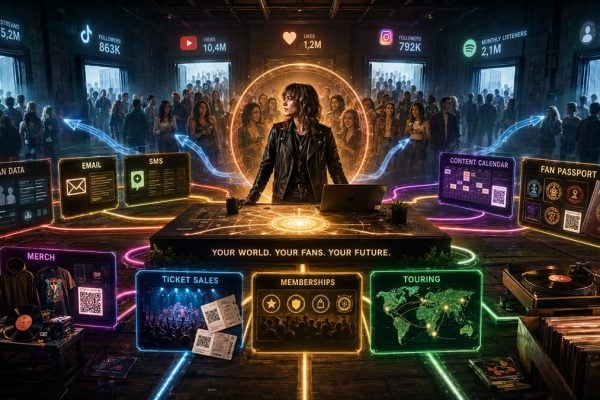
The problem is that sustainable businesses rarely depend on one source of income. A recent Warner Music Group earnings report provided a useful reminder of this because the company’s growth was spread across streaming, physical music, artist services and expanded rights, and several publishing categories rather than coming from one magical royalty stream. That does not mean an independent artist should try to become Warner Music, but it does mean there is something worth stealing from the business model.
One Song, Many Products: How Indie Artists Can Turn a Recording Into a Revenue Catalog
Listen to the Podcast Discussion
We Have Been Selling the Song Far Too Cheaply
An independent artist can spend weeks writing a song, another week arranging it, several days recording it, more time editing and mixing it, then hand it to a mastering engineer before finally releasing it into the world. After all that work, the finished product often becomes one WAV file that gets sent to a distributor, which turns it into a streaming product that might earn tiny pieces of money one play at a time. Then everybody packs up, congratulates themselves on release day, and starts worrying about writing the next song. There is nothing wrong with streaming the song. The mistake is thinking the streaming master is the only product you created. CommissioningCustom Graphic Artwork
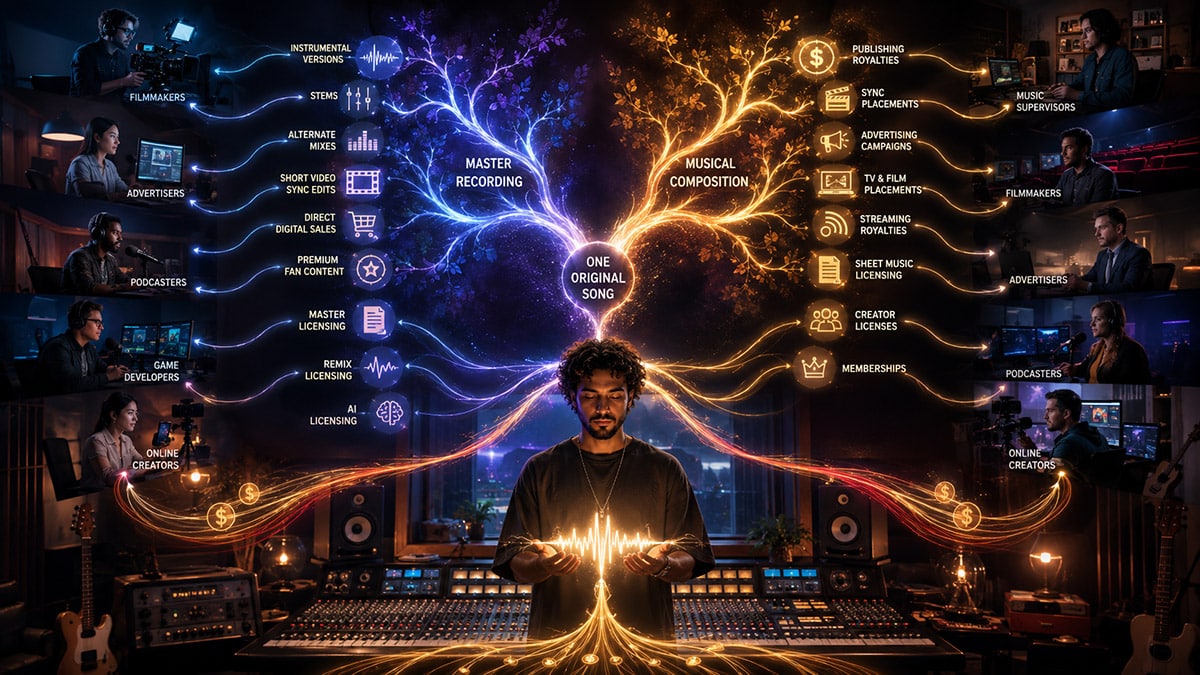
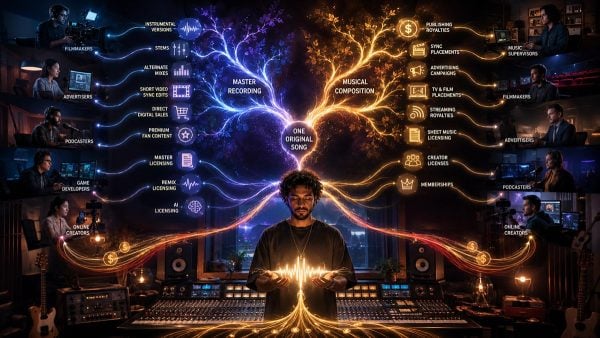
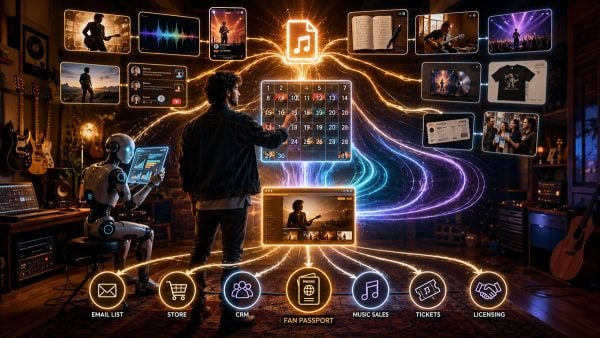
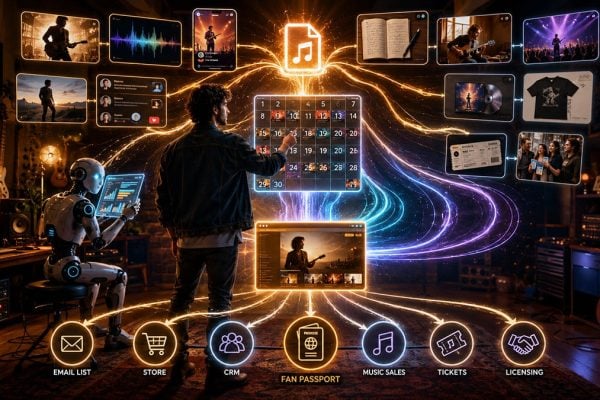
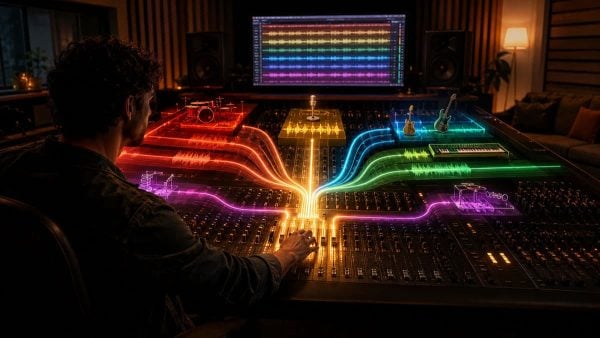
A professionally produced song can become the foundation of an entire family of products. The original master can live beside an instrumental master, clean version, alternate mix, stems, short advertising edits, video stings, premium fan content, remix material, educational material, direct-download products, sync assets, licensing packages and, increasingly, carefully controlled assets that may someday be licensed for artificial-intelligence uses. The artist did the expensive creative work once, but the business can keep finding new ways to package that work.
When the Recording Carries the License: AI, Audio Provenance and the Future of Artist-Owned Rights
Listen to the Podcast Discussion
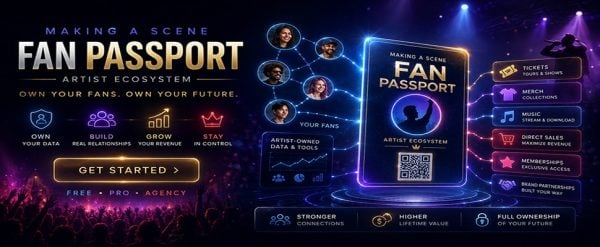
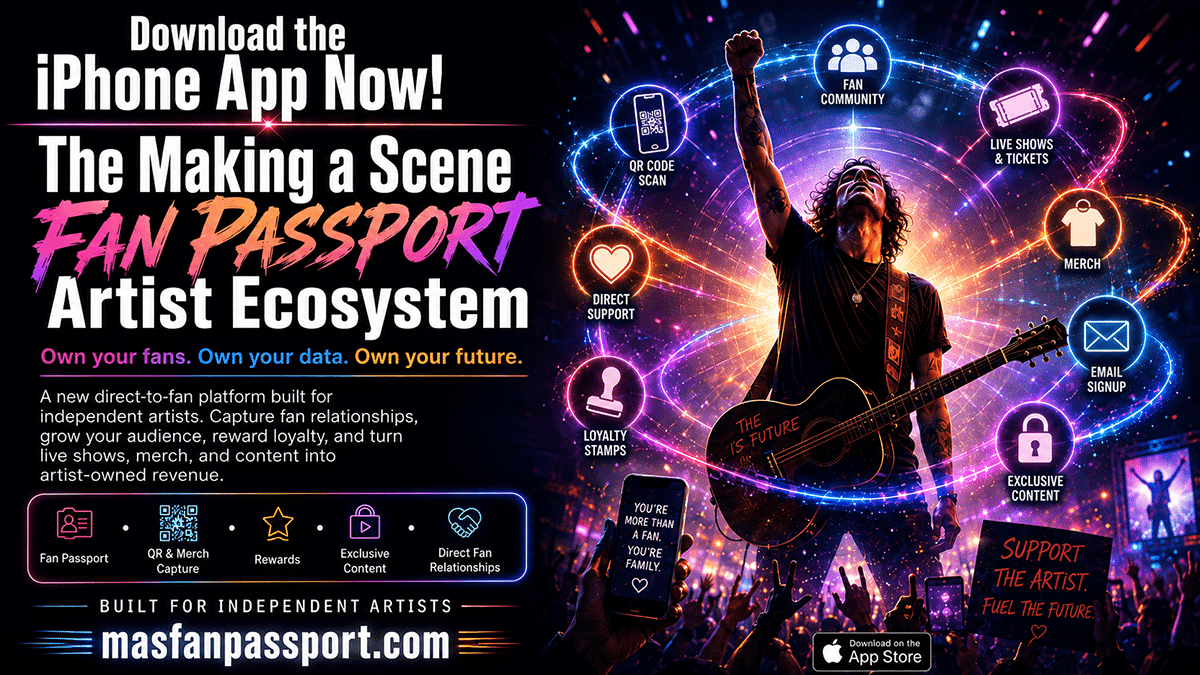
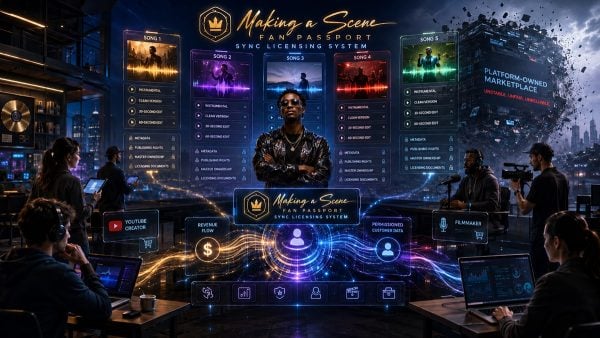
An A2IM spotlight on SonicOrigin points toward a future where a recording can carry a persistent connection to its ownership and AI-licensing terms even after ordinary metadata disappears. Making a Scene is moving in the same direction with the MAS Audio Fingerprint system, connecting both Sync and AI licensing to the artist-controlled Fan Passport source of truth. Together, these ideas suggest that the next generation of music files may do something recordings have historically been terrible at doing: explain who owns them, what they can be used for and where somebody can go to legally spend money. MusicRecording Technology
Your Recording Has Always Been Terrible at Introducing Itself
A modern recording can travel around the world faster than most musicians can find a clean pair of socks for the gig. You can finish a master in Georgia, send it to somebody in Los Angeles, have it dropped into a video project in London and discover it playing from somebody’s phone in Berlin before you have finished arguing about whether the vocal should have been half a decibel louder.
AI Licensing Is Becoming a Contract Business: What Indie Artists Must Demand Before They Opt In
Listen to the Podcast Discussion
The AI Fight Is Learning to Speak Contract
For the last few years, the music industry’s argument over artificial intelligence has mostly sounded like a fight about permission. AI companies have wanted enormous amounts of material to develop increasingly capable systems, while songwriters, artists, publishers, labels, and other rights holders have been asking a fairly basic question: who gave you permission to use our work in the first place? That fight is far from finished, but something more interesting is beginning to happen alongside it. The conversation is slowly shifting from whether AI companies should license music toward what an actual AI music license should contain, how much it should be worth, and how much control the creator should keep after signing it. RecordingIndustry
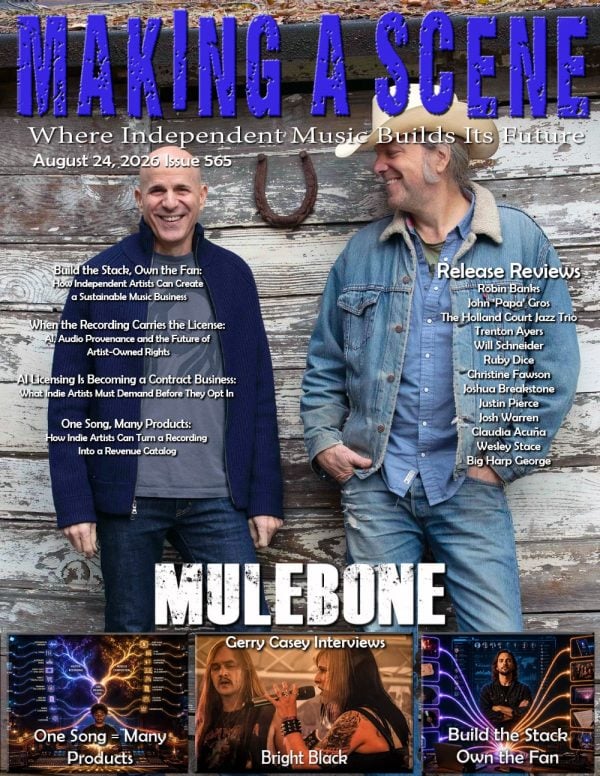
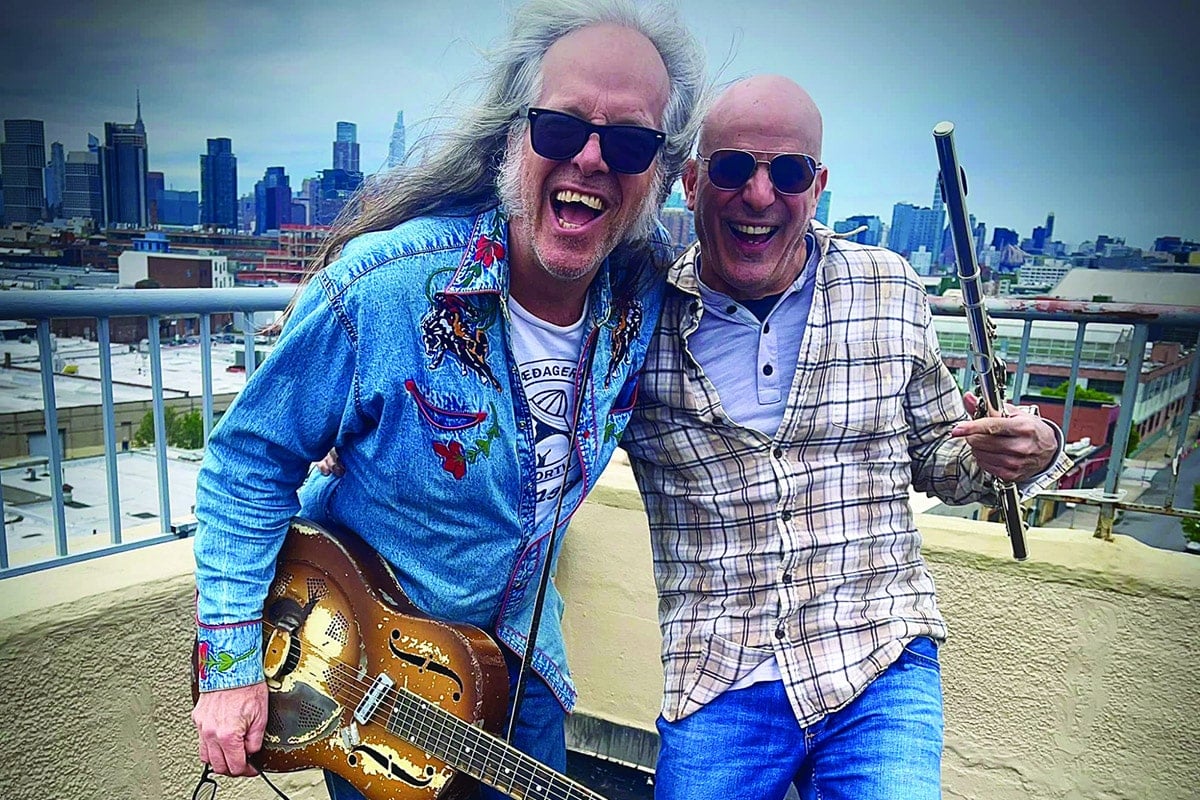
Mulebone is the long-running blues and roots partnership of guitarist, vocalist, songwriter, and producer Hugh Pool and multi-instrumentalist Jon Ragusa. Built on the foundation of traditional blues, the duo takes the language of country blues, folk, roots music, and early American song forms and stretches it into something soulful, agile, and adventurous.
At the heart of Mulebone is a rare musical conversation between two players who know the tradition well enough to honor it, but not so carefully that they forget to have some fun with it. Their music can move from slide-guitar boogies and one-chord trance riffs in the spirit of Howlin’ Wolf to the uptempo ragtime snap of Reverend Gary Davis and the rural textures of country blues. Sometimes they play close to the source, almost tracing the outline of the original form. At other times, they step back, lift the music into the air, and look at it from a new angle.
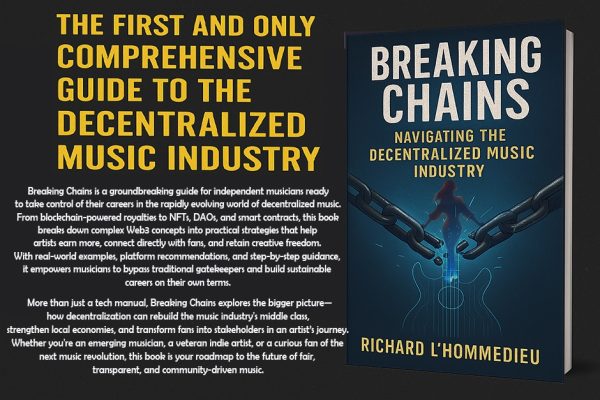
Tired of streaming pennies while gatekeepers cash in?
It’s time to take back control.
🔥 Now Available in Kindle, Paperback, and Hardcover.
⚡ Exclusive Collector’s Run: Only 50 hand-numbered, signed editions exist. When they’re gone, they’re gone forever.
👉 Claim your copy today—and take your place in the future of indie music.
“Breaking Chains” is a timely and insightful exploration of how decentralization is reshaping the music industry. Richard L’Hommedieu draws on deep industry knowledge to examine the shifting balance of power between artists, labels, and digital platforms. The book offers both a critique of the traditional music business and a roadmap for musicians seeking independence in a rapidly evolving landscape. With clear explanations and practical strategies, L’Hommedieu empowers readers to understand blockchain, streaming economics, and new models of ownership. More than just a guide, it’s a call to artists to reclaim control of their work and careers. A must-read for musicians, managers, and anyone curious about the future of music."