When YouTube Removes the Cash Register: What the Creator Music Change Means for Indie Artists
Listen to the Podcast Discussion Podcasts
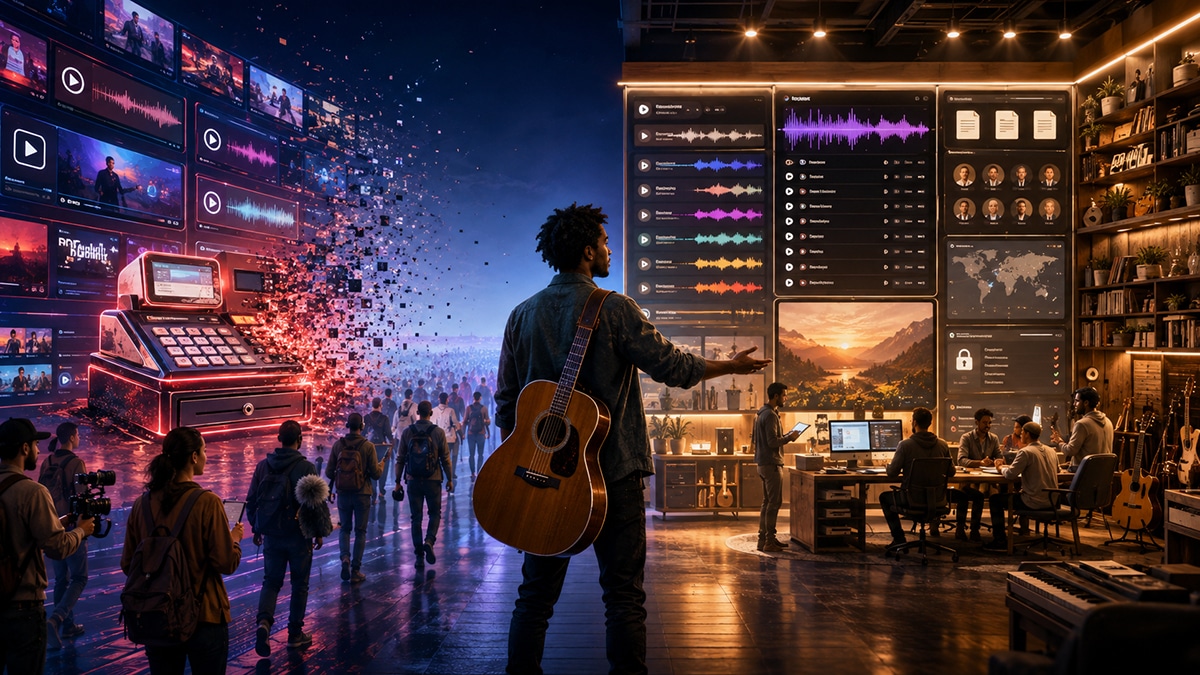
For the last few years, YouTube Creator Music offered independent musicians something worth paying attention to. A video creator could find certain songs inside YouTube’s licensing marketplace, pay an upfront fee for permission to use one of those tracks, and then use that music in an eligible monetized video while keeping the normal revenue share from the video.
For the music rights holder, the arrangement created something that looked remarkably like a small-scale synchronization licensing marketplace. It was not Hollywood money, and nobody was ordering a new swimming pool because a cooking channel licensed their instrumental, but it created a relatively simple way for music owners and video creators to do business with each other.
Now that paid part of Creator Music is going away.
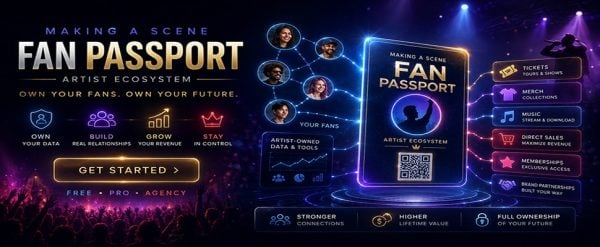
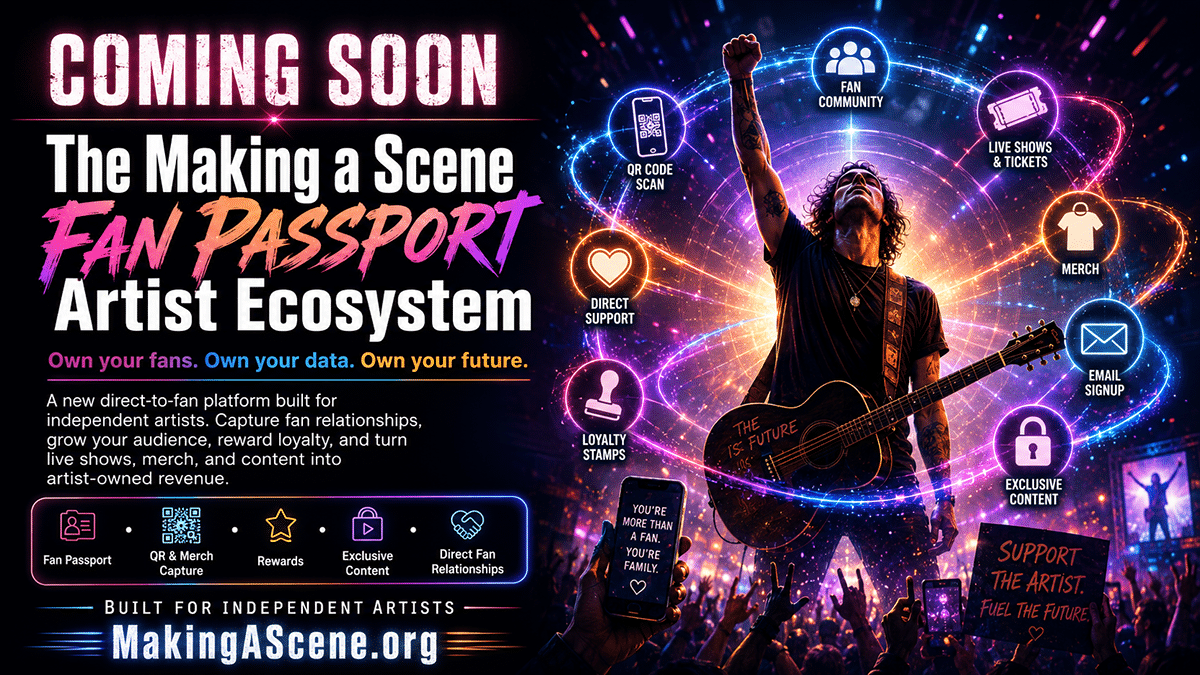
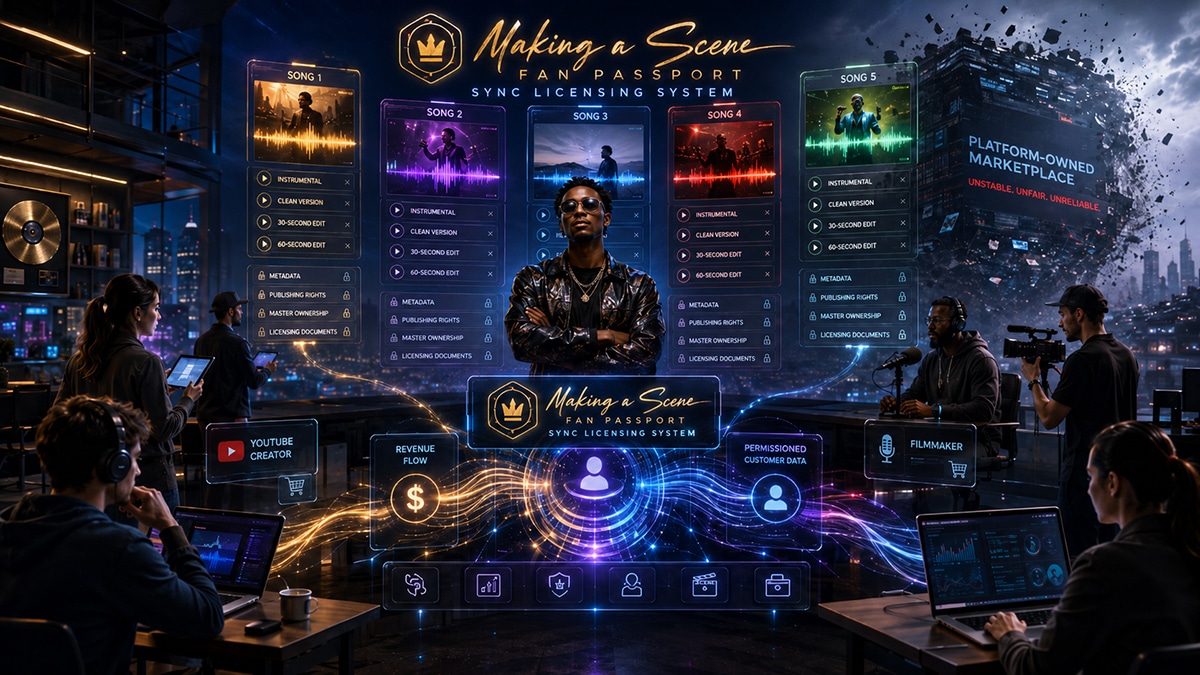
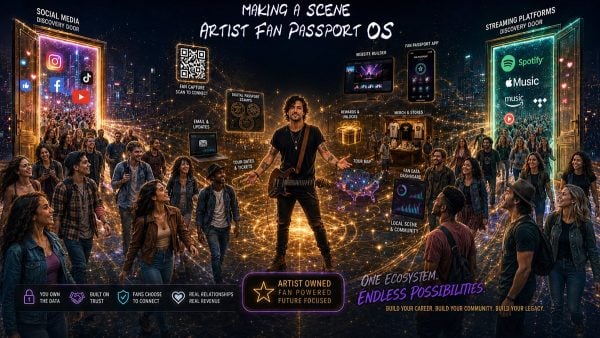
YouTube Took Away Paid Creator Music Licensing. Making a Scene Is Building the Artist-Owned Replacement.
Listen to the Podcast Discussion
YouTube Changed the Rules. Indie Artists Should Change the Game. OnlineVideo
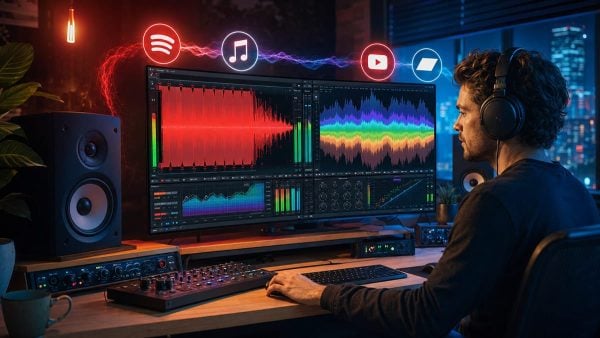
On August 10, 2026, something important changed inside YouTube at https://www.youtube.com/. The company began phasing out the paid-license side of Creator Music, the system that had allowed eligible creators to pay an upfront fee for certain songs and legally use those tracks in YouTube videos. YouTube’s current Help documentation says paid licenses are being phased out as Creator Music moves toward free, or “gratis,” licensing. Existing paid licenses already attached to videos can remain valid until their terms expire, while unused paid licenses purchased before the cutoff are subject to YouTube’s stated transition rules.
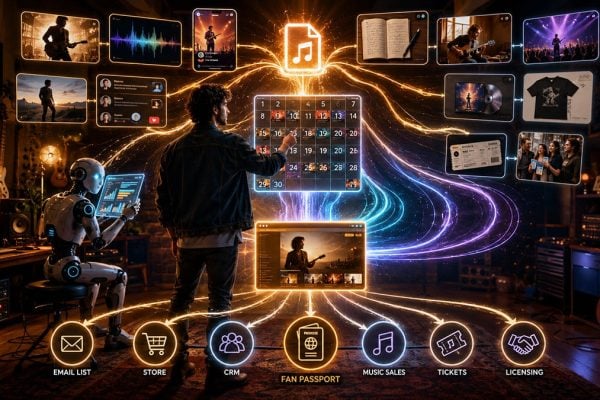
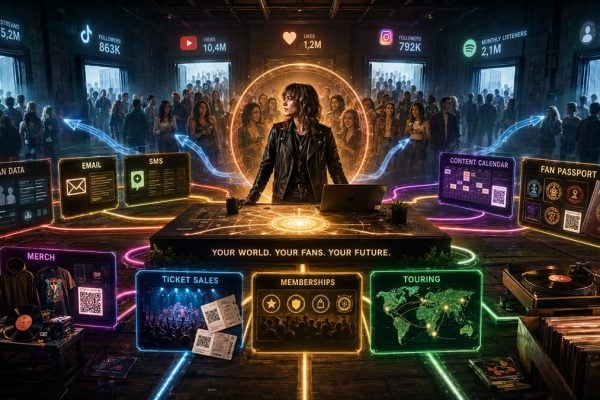
The Platform Dependency Audit: Could Your Music Business Survive If One Company Disappeared Tomorrow?
Listen to the Podcast Discussion
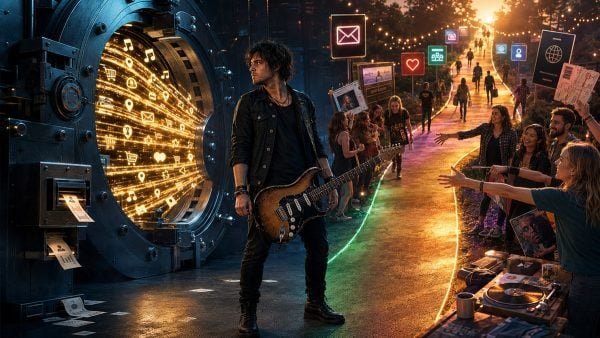
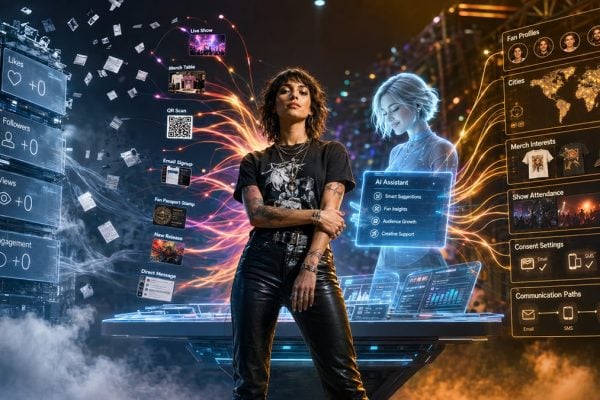
There is a strange little habit in the music business that we have somehow learned to accept as normal. Artists spend years creating music, building audiences, selling tickets, gathering followers, uploading catalogs, collecting customer information, and developing relationships, and then they store enormous pieces of that business inside companies they do not control. VisualArt & Design
That arrangement can work beautifully right up until it doesn’t. A platform changes its pricing, removes a feature, sells itself, changes its algorithm, modifies its licensing program, restricts an account, changes ownership, decides your favorite feature was apparently not as beloved inside the quarterly earnings meeting as it was inside your business, and suddenly you discover exactly which parts of your career you actually owned.
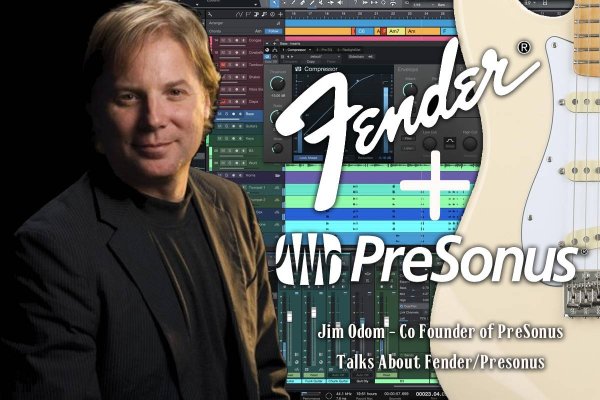
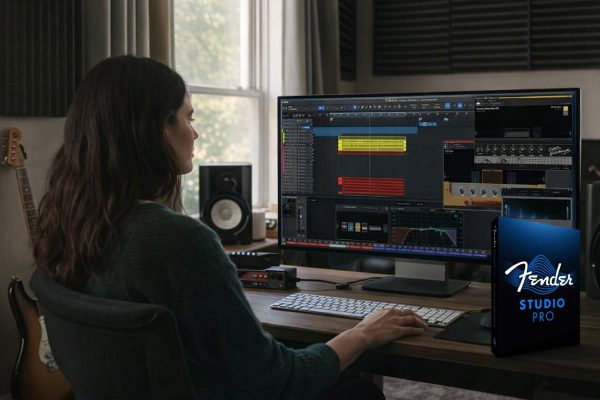
Fender Is Building a Recording Ecosystem, Not Just Selling Another MIDI Controller
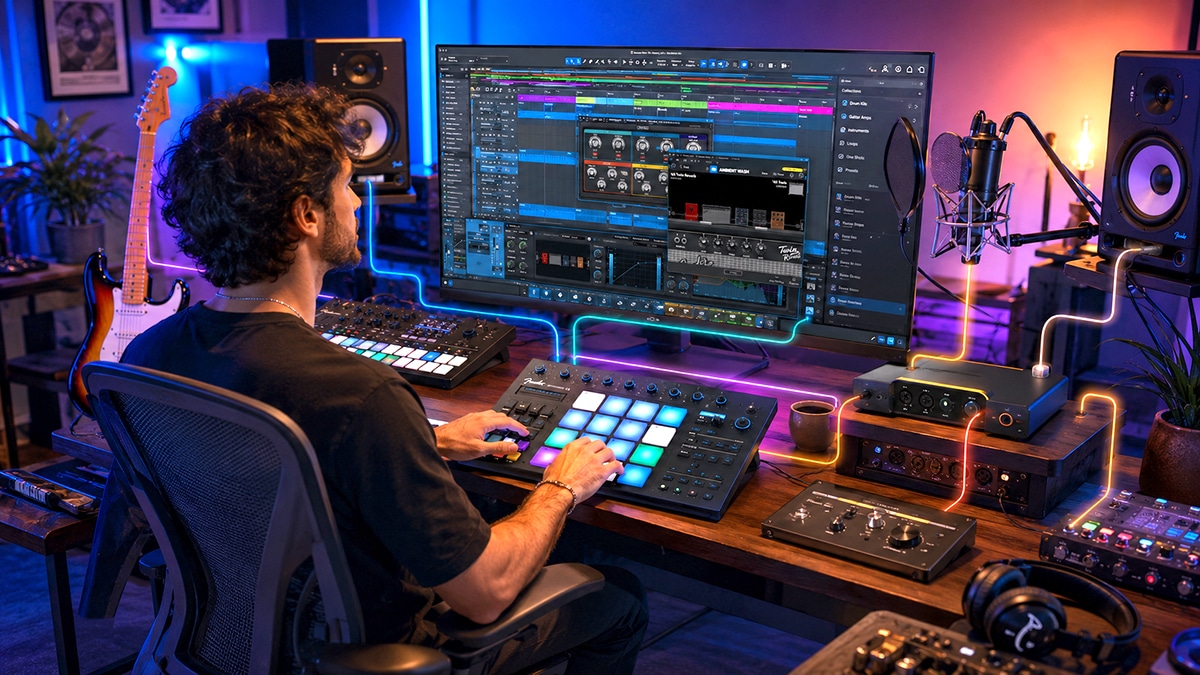
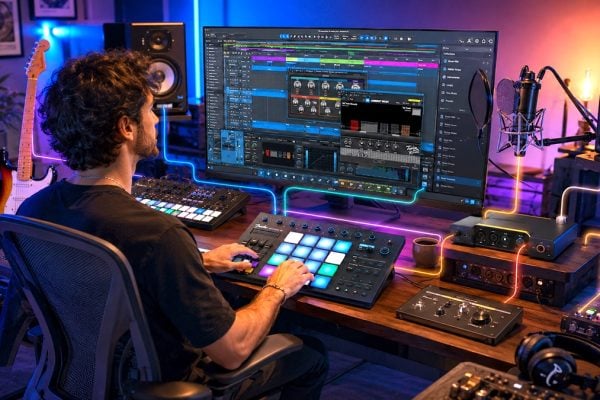
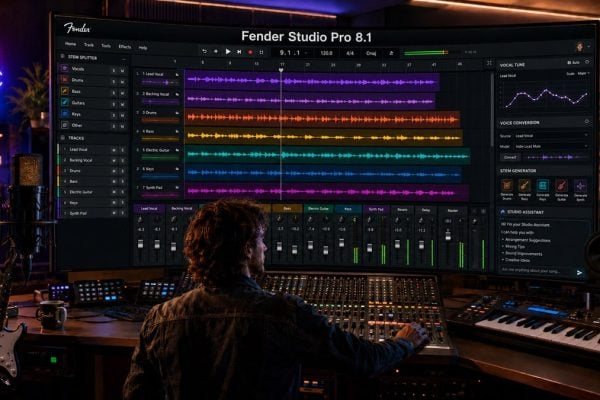
There was a time when buying recording gear was fairly simple. You bought the thing, brought the thing home, plugged in the thing, and the thing remained yours until you spilled coffee on it, dropped it down a flight of stairs, or convinced yourself that the slightly newer thing would somehow make your songs better. Software changed that relationship. Subscriptions changed it even more. Today, a musician can own a microphone, interface, controller, computer, and monitors while still renting an important part of the studio every month. Fender’s new Motion 16 and Motion 32 MIDI controllers are interesting because Fender appears to be pushing in the other direction. These are not simply two new pieces of hardware. They are part of a much larger attempt to make Fender the center of an artist’s recording workflow.
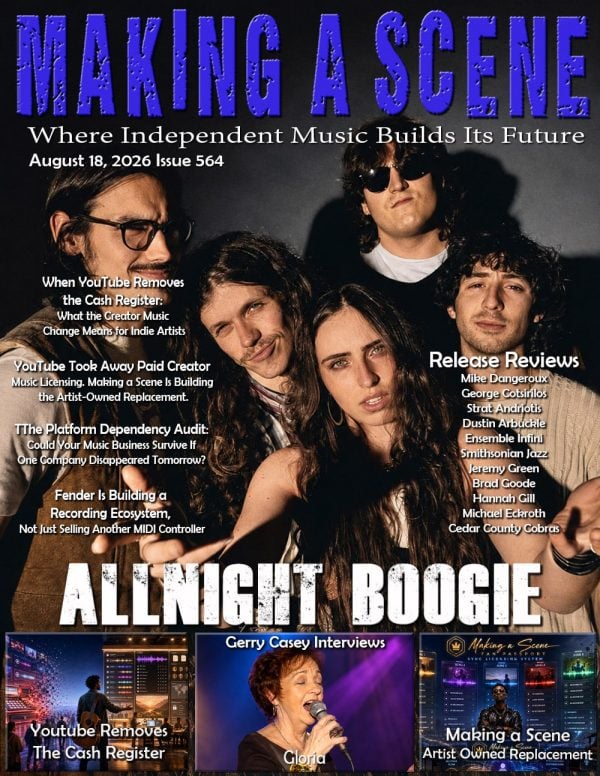
At its core, All Night Boogie Band is a quintet, occasionally expanding into an octet with horns. That flexibility gives the group a broad musical reach. They can dig into raw blues, stretch into soul and R&B, lean into rock and roll, and bring the full-room lift of a horn section when the song calls for something bigger. The result is a sound that feels rooted in tradition without being trapped by it. This is not museum-piece blues. It is living, breathing, sweaty, high-energy music made for stages, festivals, dance floors, and anyone who still believes a band should be able to move both the heart and the hips.
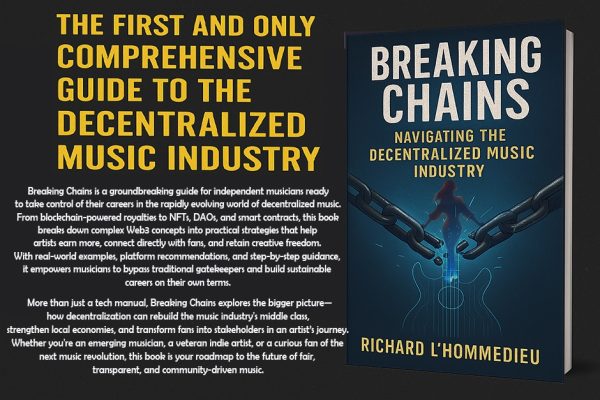
Tired of streaming pennies while gatekeepers cash in?
It’s time to take back control.
🔥 Now Available in Kindle, Paperback, and Hardcover.
⚡ Exclusive Collector’s Run: Only 50 hand-numbered, signed editions exist. When they’re gone, they’re gone forever.
👉 Claim your copy today—and take your place in the future of indie music.
“Breaking Chains” is a timely and insightful exploration of how decentralization is reshaping the music industry. Richard L’Hommedieu draws on deep industry knowledge to examine the shifting balance of power between artists, labels, and digital platforms. The book offers both a critique of the traditional music business and a roadmap for musicians seeking independence in a rapidly evolving landscape. With clear explanations and practical strategies, L’Hommedieu empowers readers to understand blockchain, streaming economics, and new models of ownership. More than just a guide, it’s a call to artists to reclaim control of their work and careers. A must-read for musicians, managers, and anyone curious about the future of music."