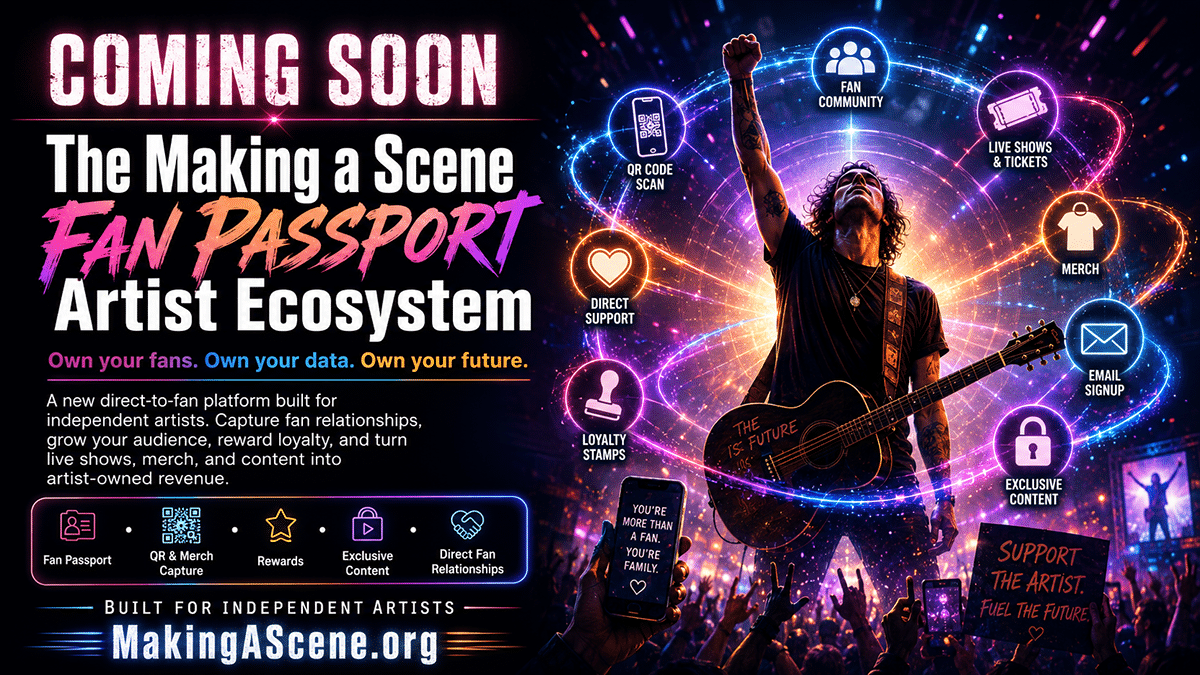
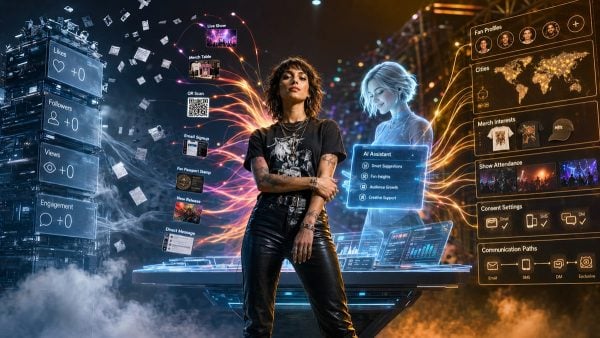
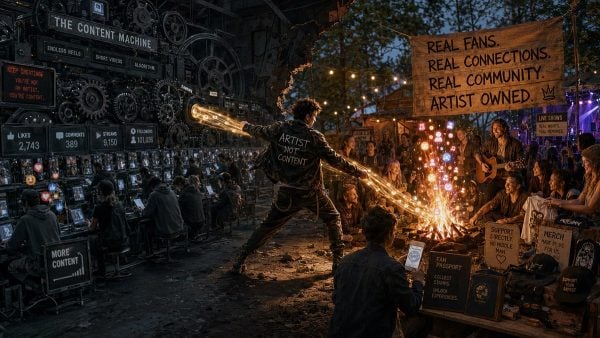
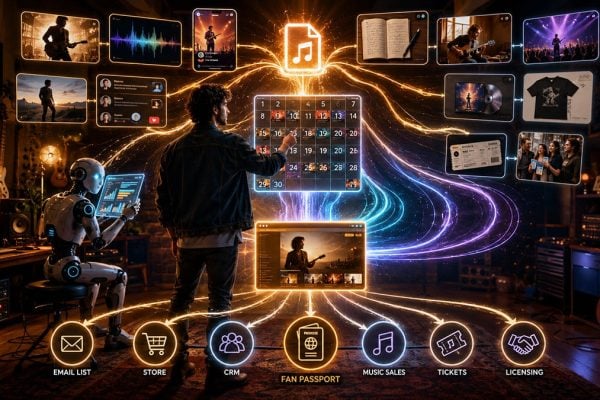
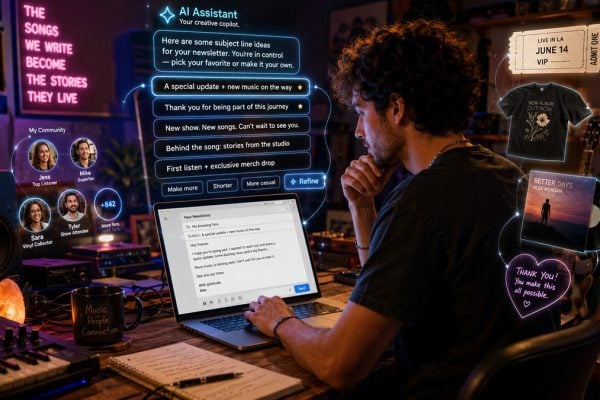
Every independent artist has heard the same advice. Post more. Make more videos. Be consistent. Feed the algorithm. Dance near the chorus. Point at floating words. Pretend your drummer did something shocking in the studio.
Some of that may help people discover you. None of it automatically gives you a music business.
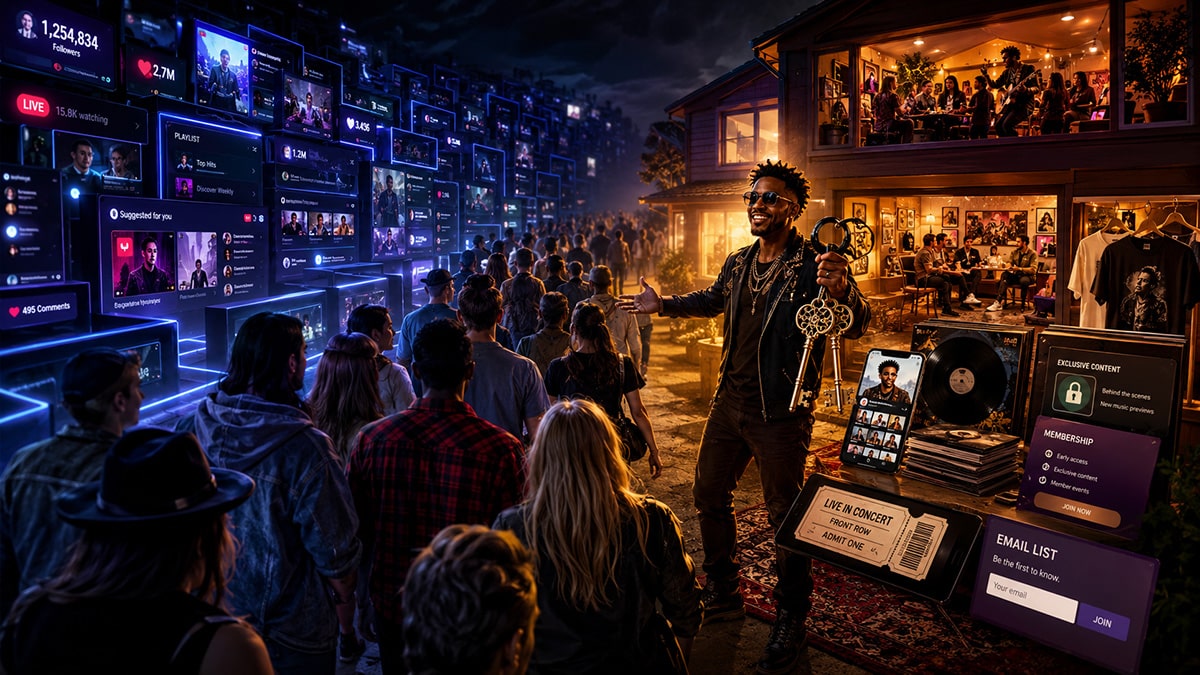
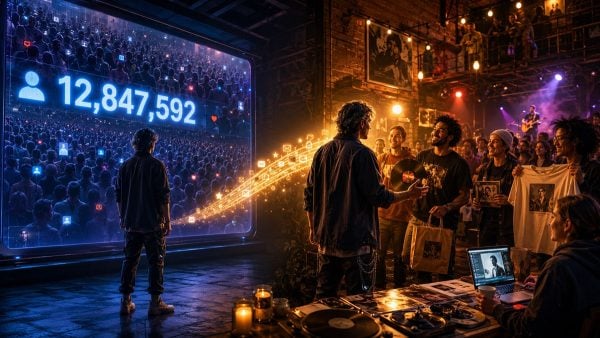
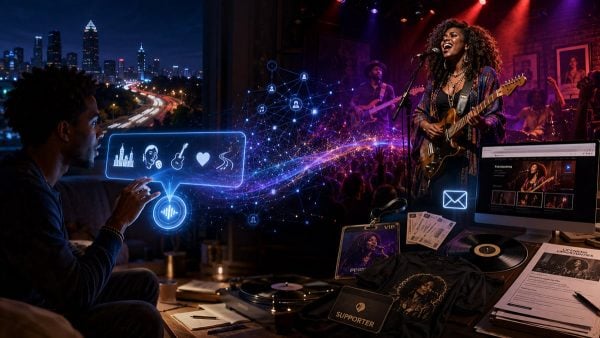
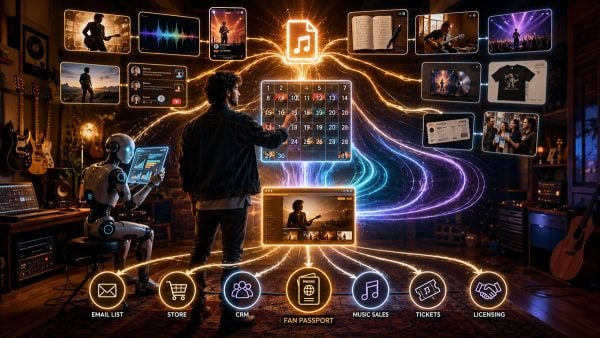
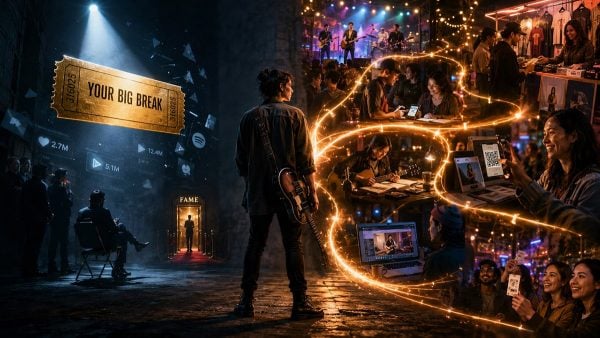
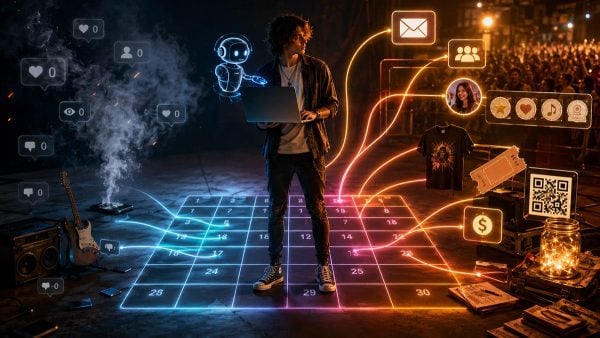
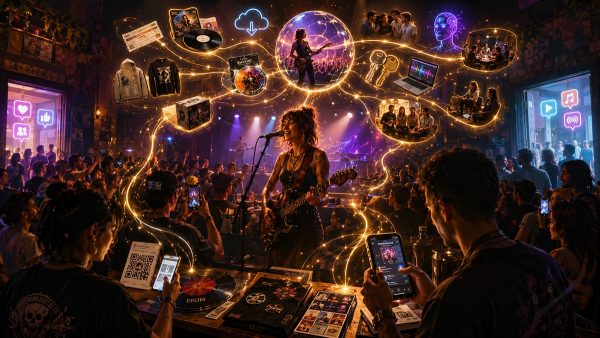
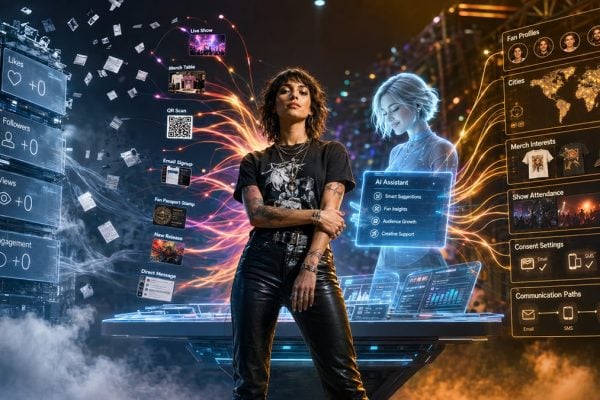
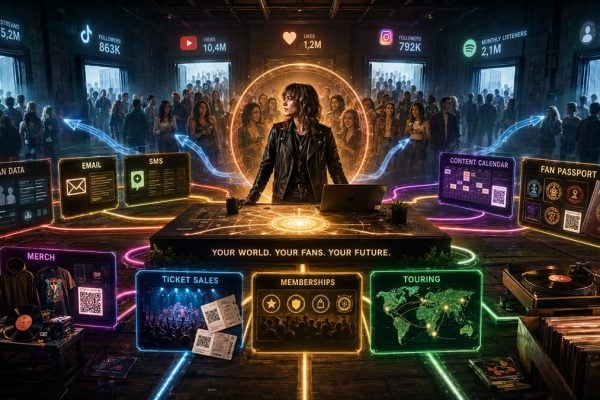
A social media post can earn thousands of views and still leave the artist with no useful way to contact the people who watched it. A song can land on a playlist, gain streams, and disappear from the listener’s life as soon as the platform serves the next track. A video can go viral while ticket sales remain stubbornly committed to remaining exactly where they were.
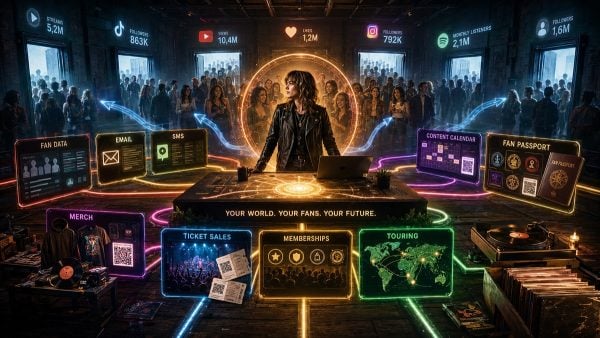
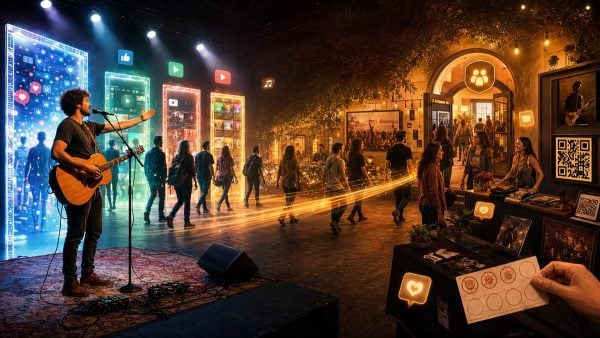
The problem is not that social media and streaming are useless. They are extremely useful when given the right job.
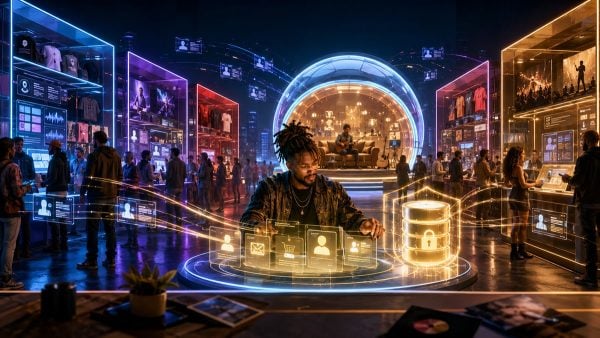
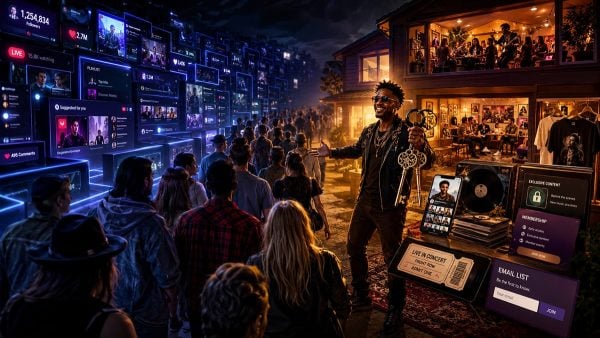
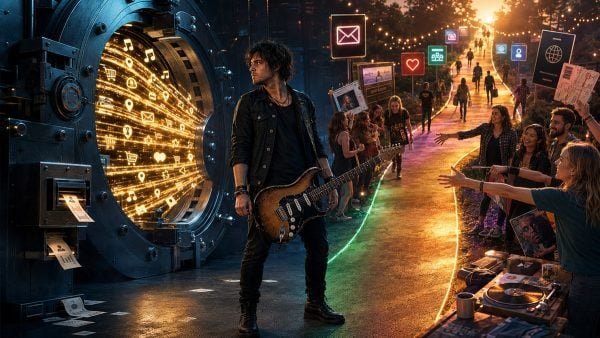
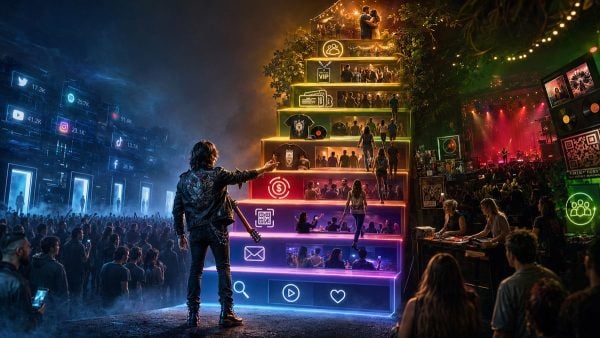
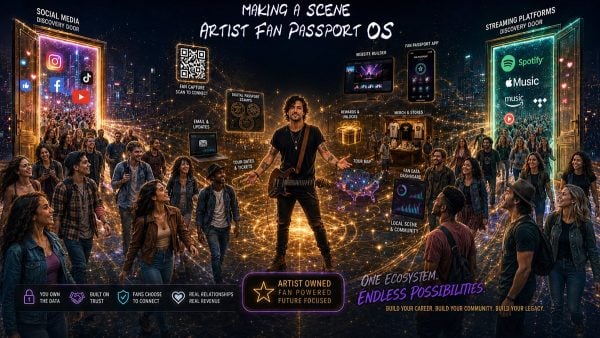
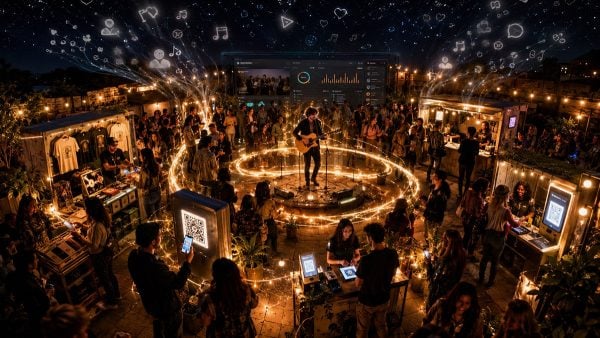
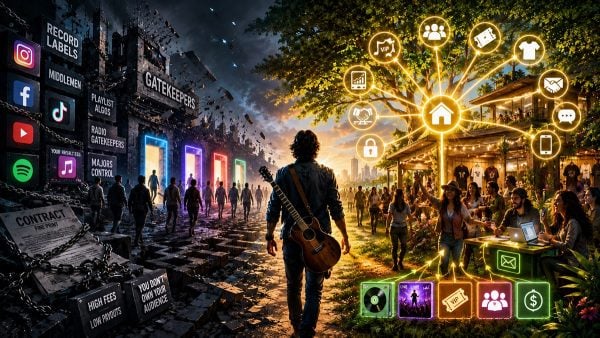
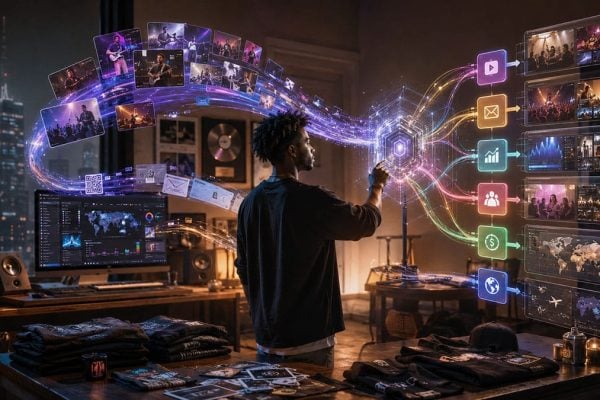
They are doors of discovery. They are not the house.
The AI Copyright Fight Will Be Won by Whoever Has the Best Records
Listen to the Podcast Discussion
Sony’s New Lawsuit Comes With a Very Long Song List
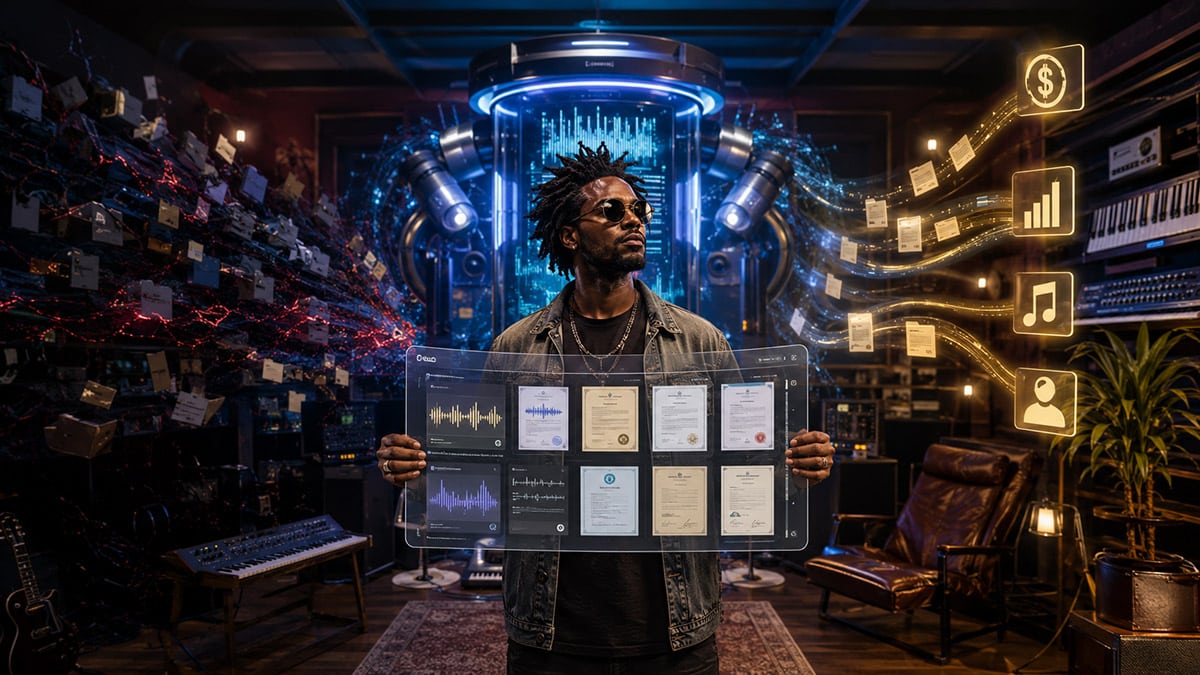
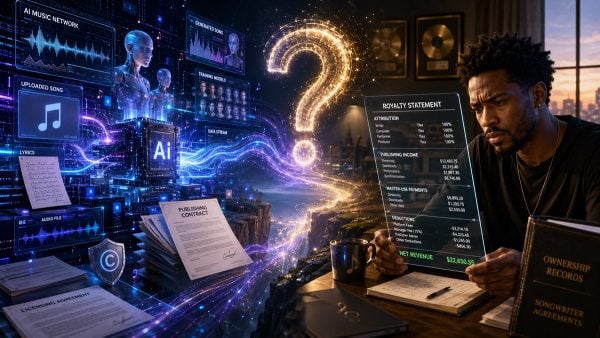
Sony Music Entertainment filed another federal lawsuit against AI music company Udio on July 20, 2026. This time, Sony’s complaint concerns more than 30,000 sound recordings that it claims were copied and used in connection with Udio’s generative AI models without permission. Music& Audio
That is an enormous number of recordings. It is large enough to make the average independent artist stare at their own hard drive, notice three folders named “Old Masters,” and quietly close the laptop.
Sony had previously attempted to add 30,442 recordings to the lawsuit it originally brought against Udio in 2024. On July 2, 2026, U.S. District Judge Alvin K. Hellerstein denied that request, leaving the earlier case focused on 333 works that remained in the original action. Sony responded by filing a separate lawsuit covering the additional recordings.
Sony says it found the additional works after gaining access to information about Udio’s training data during legal discovery. According to Sony’s allegations, it then used audio-fingerprinting technology to compare that information with recordings in its catalog.
Those words matter: according to Sony’s allegations.
Your Distributor Is Becoming Your Storefront: Private Equity, Consolidation, and the Fight for the Independent Artist’s Customer
Listen to the Podcast Discussion
For many independent artists, choosing a music distributor feels like choosing a mailbox.
You upload the song, type in the title, attach the artwork, enter enough names and numbers to make your eyes glaze over, and then wait for the music to appear on Spotify, Apple Music, Amazon Music, YouTube Music, TikTok, and the rest of the digital neighborhood. Music& Audio
The distributor delivers the package. The stores play the music. Royalties eventually trickle back. Everybody goes home.
Your Fans Are Not Portable Just Because Your Songs Are
Listen to the Podcast Discussion Podcasts
On July 22, 2026, SoundCloud announced that it had acquired the remaining assets of Nina Protocol, an independent music platform built around direct artist-to-fan sales, editorial discovery, and blockchain-based ownership tools. The acquisition included Nina’s editorial archive and its genre map, a system designed to connect artists, releases, scenes, and musical communities. SoundCloud also introduced an optional migration process that gives Nina artists a way to move their music, content, and followers into SoundCloud’s creator ecosystem. Artists are not being moved automatically. Each artist must decide whether to take part, and the financial terms of the deal were not publicly disclosed. MusicStreams & Downloads
At first glance, this may look like a relatively small technology acquisition. One company closed, a larger company bought some of what remained, and artists were offered a way to move their work. The editorial archive may survive, the genre map may find a new life, and former Nina artists may gain access to a larger creator platform. From a distance, it looks like the music industry version of moving boxes from one apartment to another and hoping none of the cables disappear.
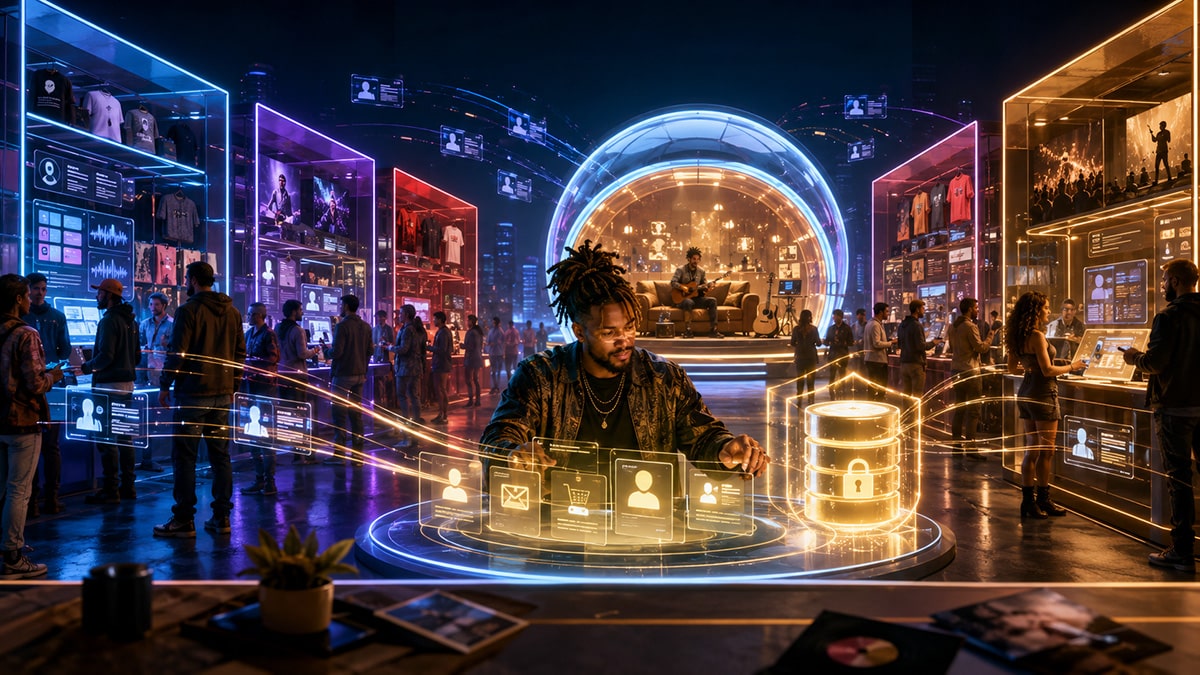
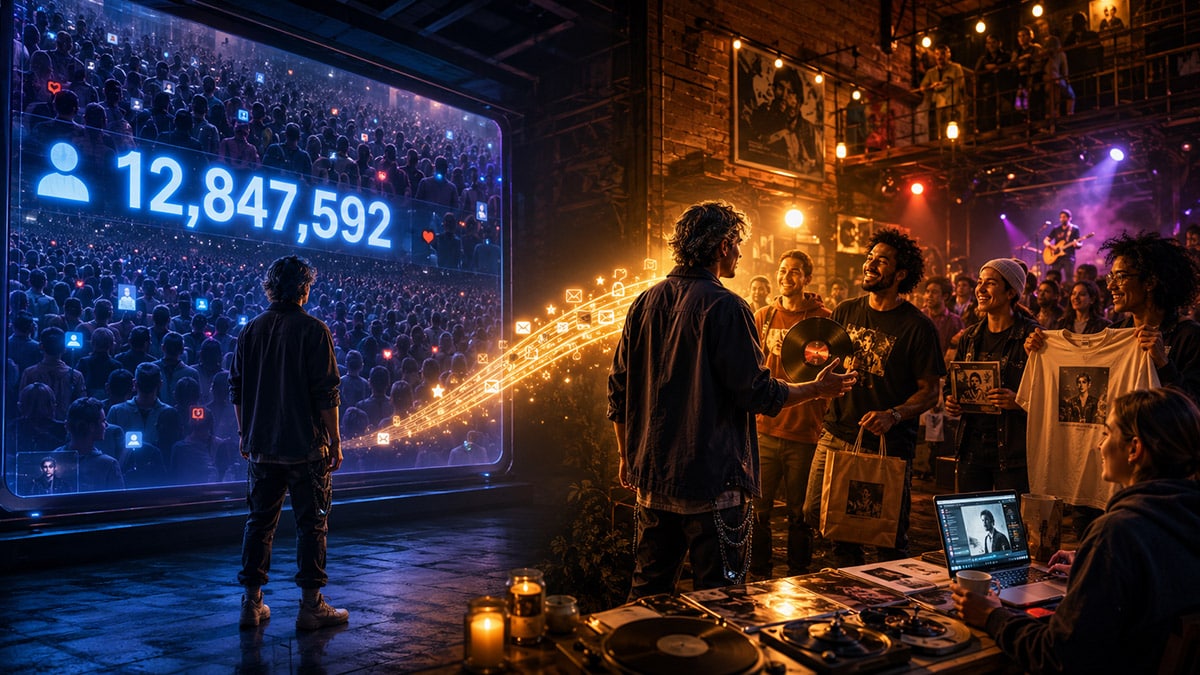
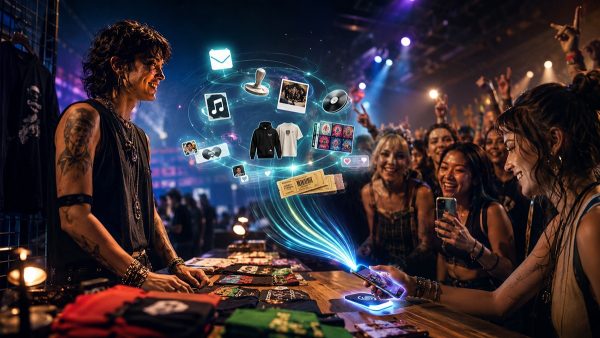
But this story raises a much larger and more uncomfortable question for independent musicians. When an artist-friendly platform shuts down, gets acquired, runs out of funding, changes direction, or simply disappears, which parts of an artist’s business can actually travel with the artist? Music files may be easy to copy. Artwork may be downloadable. A biography can be pasted into a new profile. Even a follower count may sometimes be carried into another system. The harder issue is whether the business relationship behind those numbers can move too.
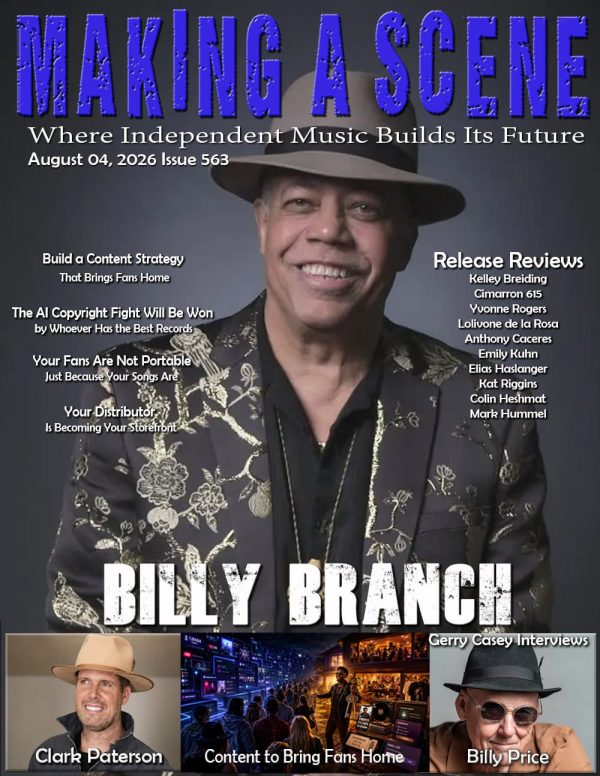
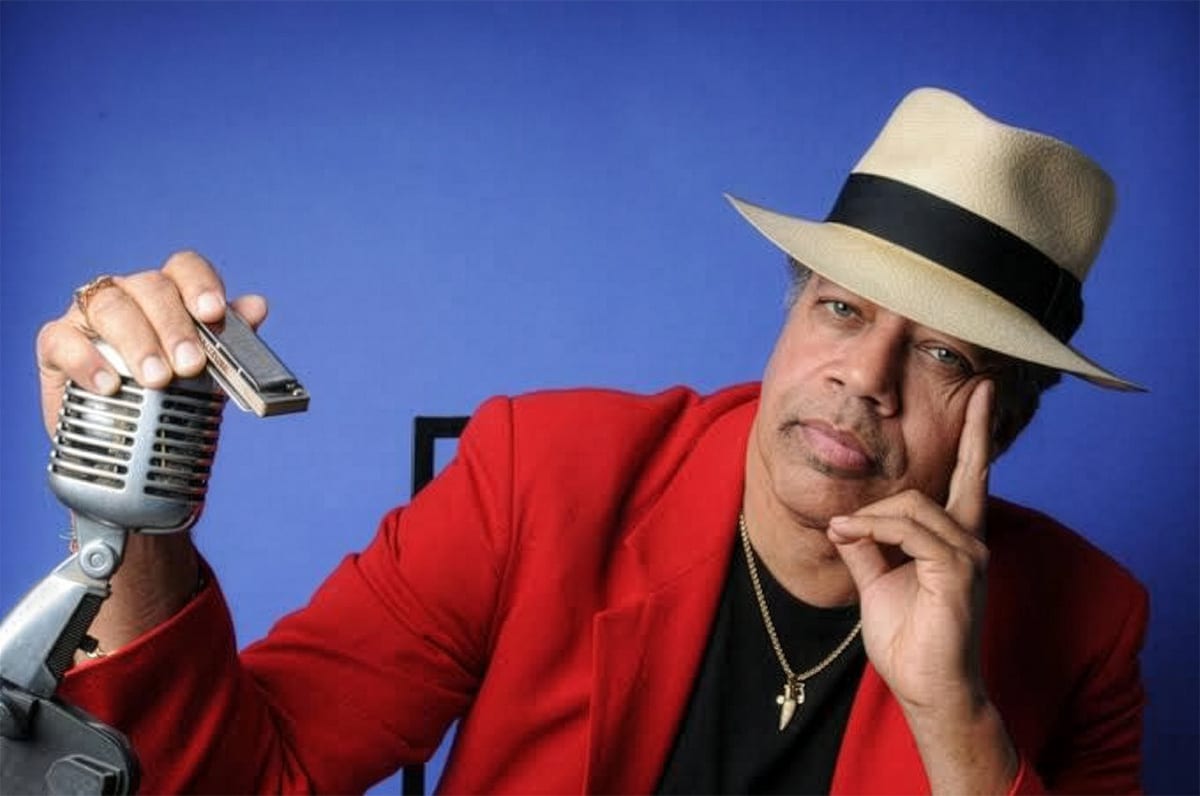
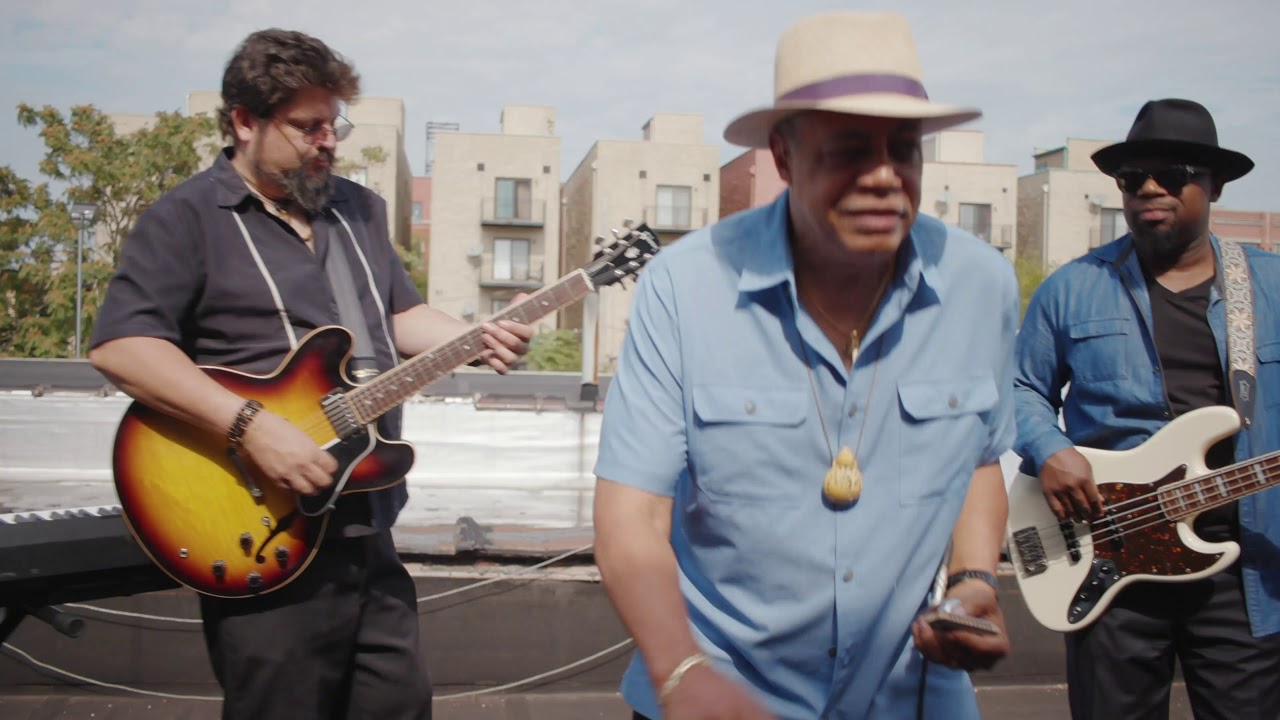
Billy Branch is one of the most respected living ambassadors of Chicago blues: an Emmy Award winner, three-time Grammy Award nominee, retired Grammy governor, Blues Hall of Fame inductee, educator, actor, narrator, humanitarian, and master harmonica player whose career has carried the sound of the blues around the world.
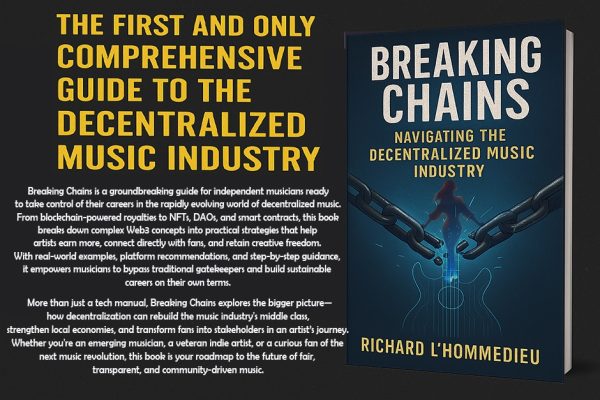
Tired of streaming pennies while gatekeepers cash in?
It’s time to take back control.
🔥 Now Available in Kindle, Paperback, and Hardcover.
⚡ Exclusive Collector’s Run: Only 50 hand-numbered, signed editions exist. When they’re gone, they’re gone forever.
👉 Claim your copy today—and take your place in the future of indie music.
“Breaking Chains” is a timely and insightful exploration of how decentralization is reshaping the music industry. Richard L’Hommedieu draws on deep industry knowledge to examine the shifting balance of power between artists, labels, and digital platforms. The book offers both a critique of the traditional music business and a roadmap for musicians seeking independence in a rapidly evolving landscape. With clear explanations and practical strategies, L’Hommedieu empowers readers to understand blockchain, streaming economics, and new models of ownership. More than just a guide, it’s a call to artists to reclaim control of their work and careers. A must-read for musicians, managers, and anyone curious about the future of music."