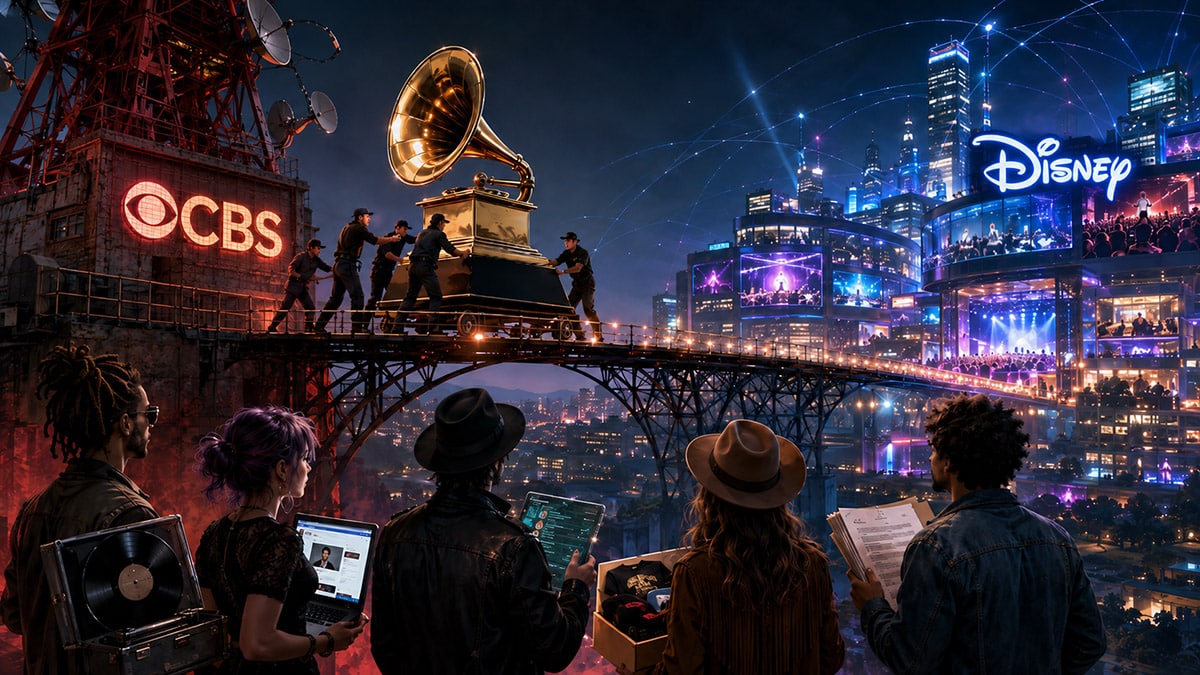
The Grammys Leave CBS for Disney: The Money, Media Power, and Politics Behind Music’s Biggest Move
Listen to the Podcast Discussion
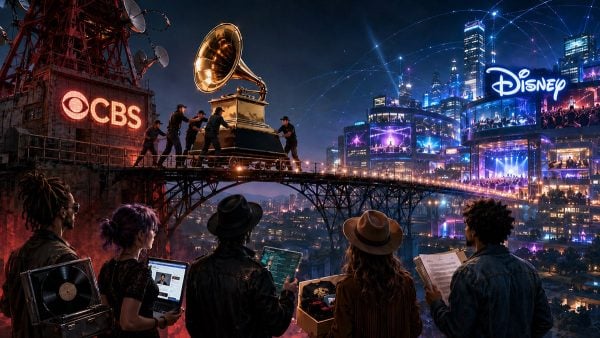
For more than half a century, the Grammy Awards and CBS seemed permanently attached. The golden gramophone showed up on CBS every winter like an old relative who never needed directions to the house. Hosts changed, musical styles changed, television changed, and musicians went from selling records to chasing fifteen-second video trends. Yet the Grammys stayed put. MusicAwards
Universal Music’s Stock Crash Is a Warning About Building a Career on Streaming Alone
Listen to the Podcast Discussion
The Music Business Had a Very Bad Day
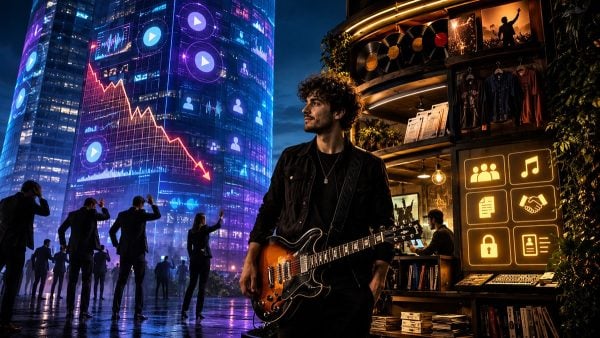
On July 31, 2026, Universal Music Group had the kind of day that gets the attention of everyone in the music business. Shares of the world’s largest music company lost roughly one-quarter of their value in Amsterdam. It was Universal Music Group’s worst trading day since the company became publicly traded in September 2021. The decline erased approximately $10 billion from the company’s market value, based on the exchange rate at the time.
TREBEL Buys Sesh and the Race to Own the Superfan Layer Begins
Listen to the Podcast Discussion
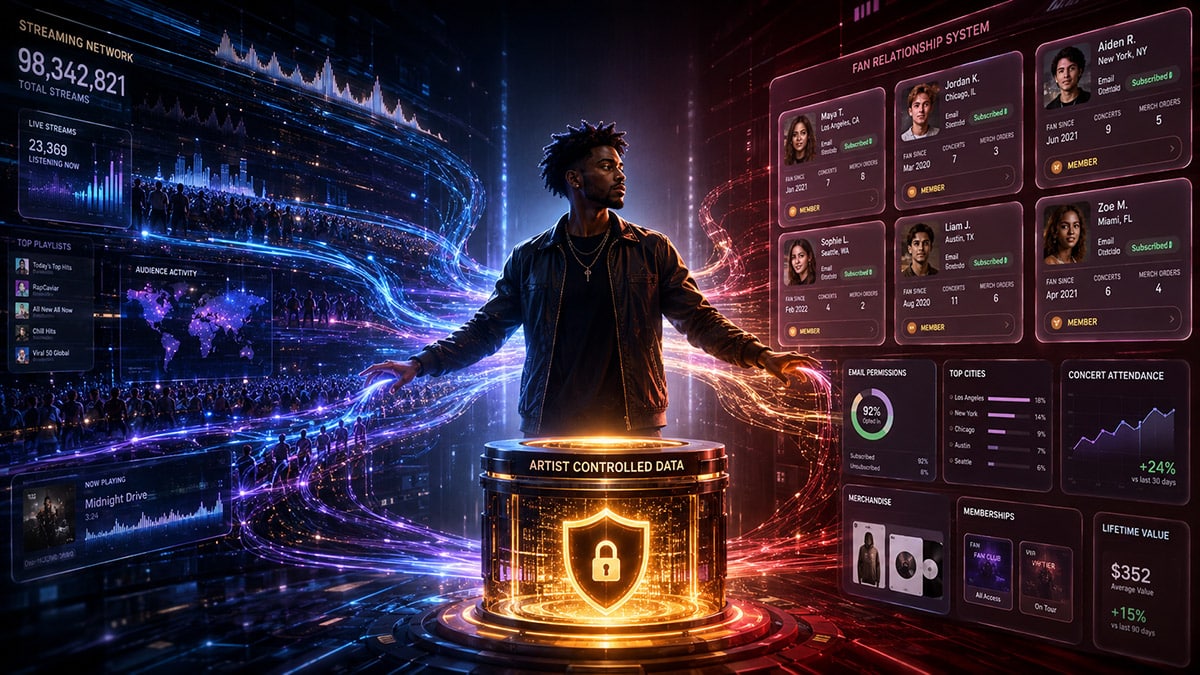
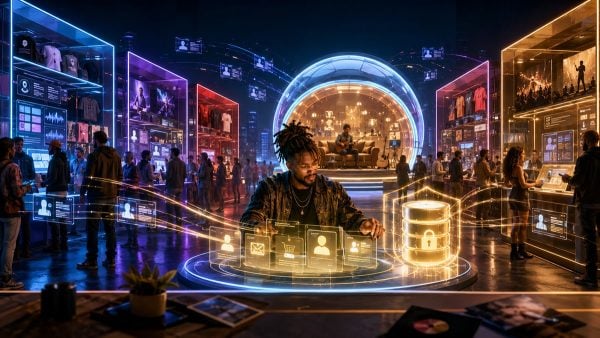
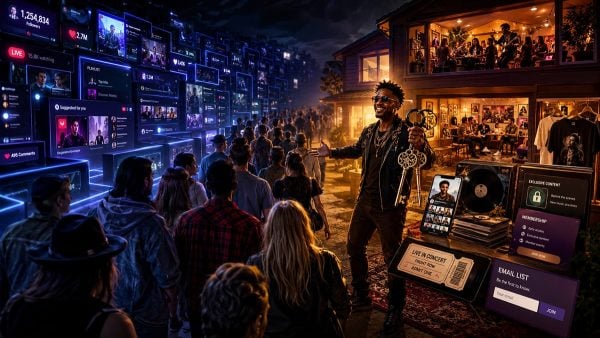
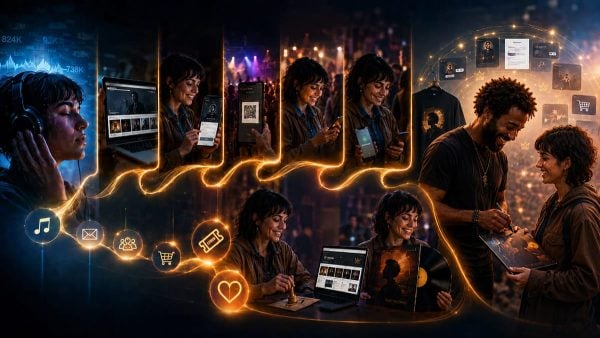
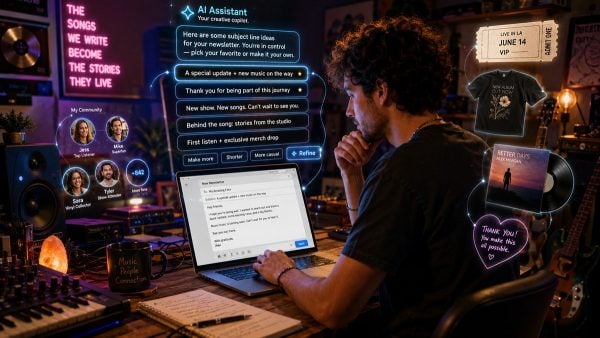
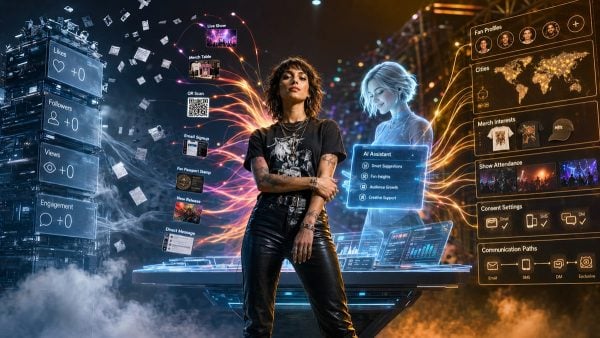
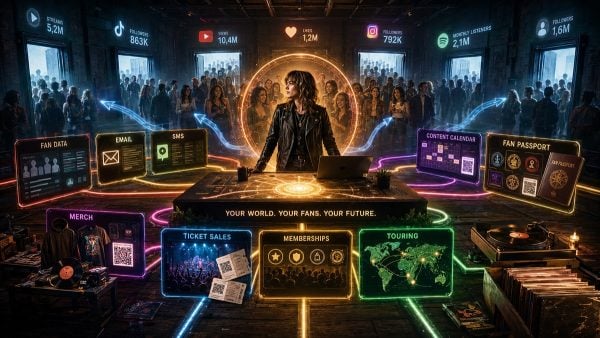
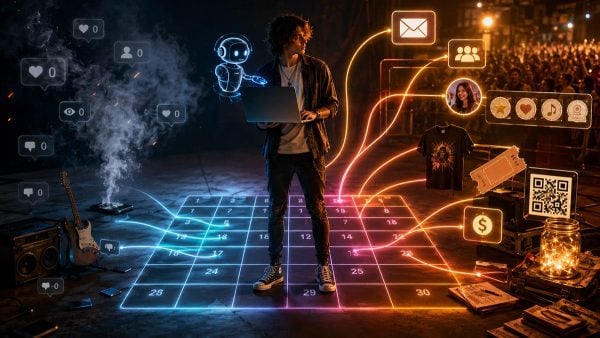
For most of the streaming era, the music platform business has revolved around one basic action: getting someone to press play. The listener searches for a song, finds a playlist, follows a recommendation, or taps whatever the algorithm places in front of them. The platform tracks the activity, serves an advertisement or collects a subscription payment, and sends a small portion of the revenue through the music-rights system. The artist receives a stream count, a royalty report, and perhaps a map showing where the listening took place. Everyone calls this engagement, although the artist usually still has no idea who engaged
DI vs. Mic Recording for Guitars and Bass: What’s the Difference?
Listen to the Podcast Discussion
Two Ways to Capture the Same Player
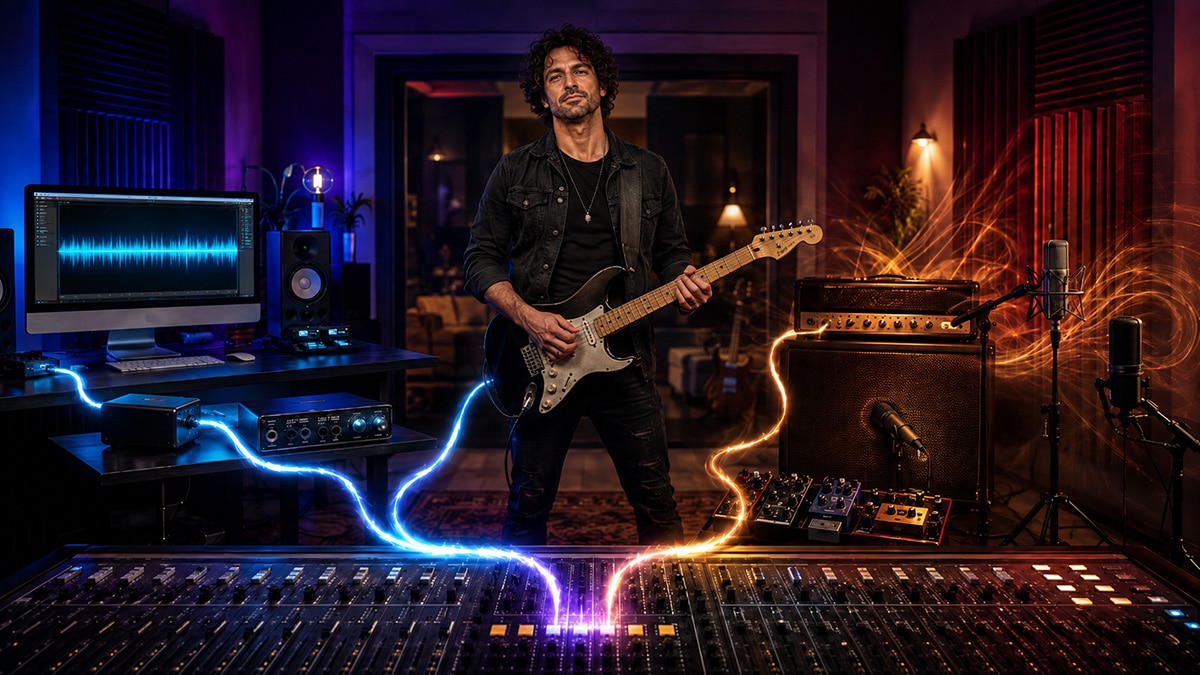
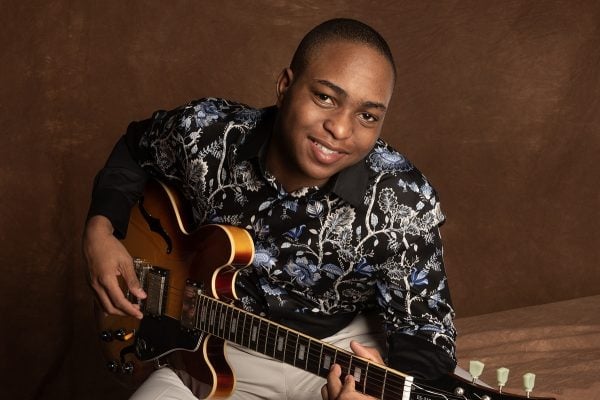
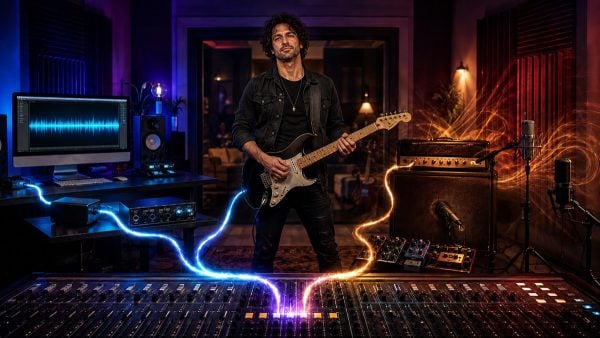
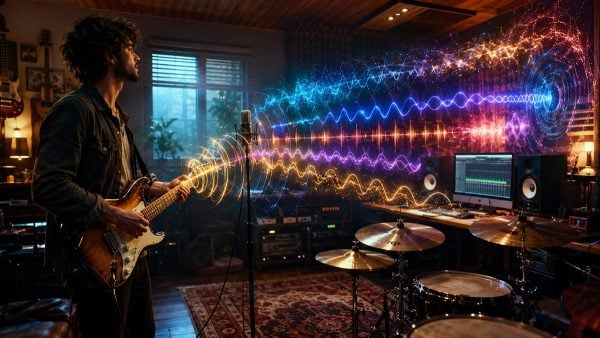
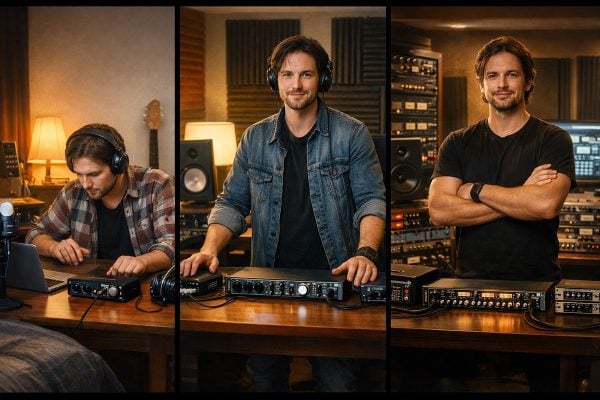
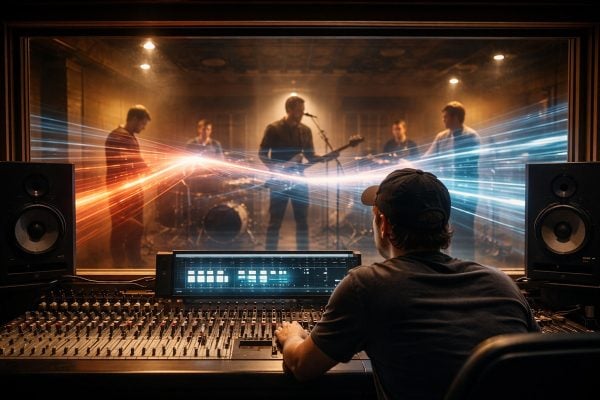
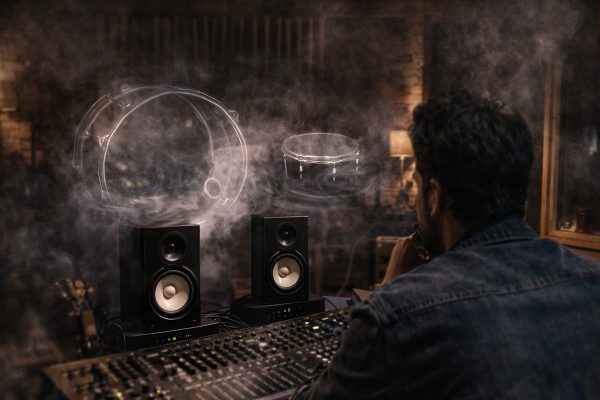
Put a bass player or guitarist in front of a recording system and you can capture the performance in two very different places. You can take the electrical signal straight from the instrument before it reaches a loudspeaker, or you can place a microphone in front of an amplifier and record the sound after the amp, speaker, cabinet, air, and room have all changed it. Guitars
That is the basic difference between DI and microphone recording, but it is not a contest between the “real” method and the “fake” method. Both are real, both have been used on successful records, and both can be either wonderful or awful depending on the player, instrument, song, room, equipment, and decisions being made.
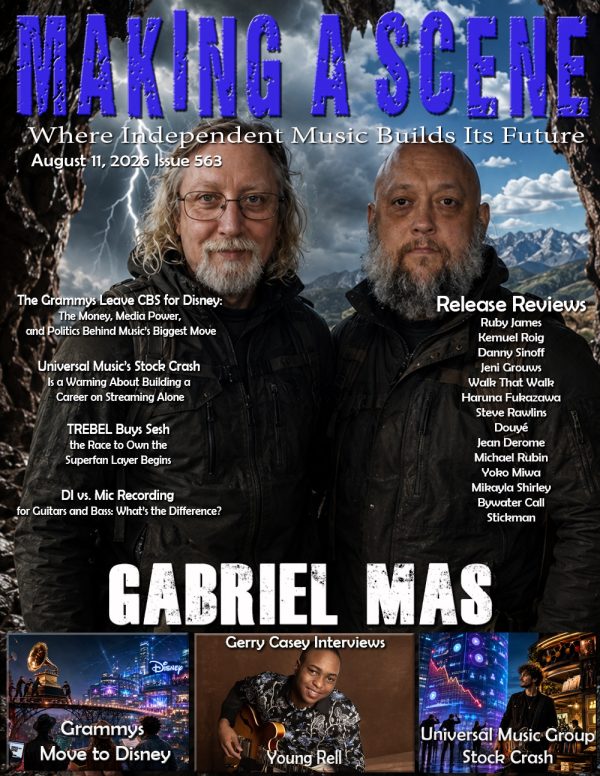
Gabriel Más is the spiritual and creative continuation of Gabriel Bondage, the 1970s progressive rock band that built its identity around ambitious compositions, mystical themes, and a restless desire to push music beyond ordinary boundaries. The name Gabriel Más, with más meaning “more” in Spanish, reflects both a return and an expansion: a new chapter rooted in the past, but not confined by it.
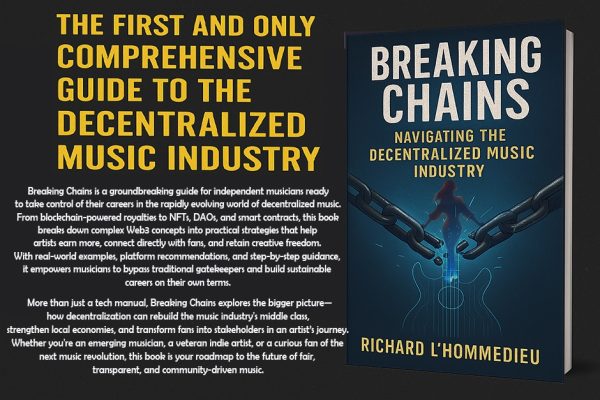
Tired of streaming pennies while gatekeepers cash in?
It’s time to take back control.
🔥 Now Available in Kindle, Paperback, and Hardcover.
⚡ Exclusive Collector’s Run: Only 50 hand-numbered, signed editions exist. When they’re gone, they’re gone forever.
👉 Claim your copy today—and take your place in the future of indie music.
“Breaking Chains” is a timely and insightful exploration of how decentralization is reshaping the music industry. Richard L’Hommedieu draws on deep industry knowledge to examine the shifting balance of power between artists, labels, and digital platforms. The book offers both a critique of the traditional music business and a roadmap for musicians seeking independence in a rapidly evolving landscape. With clear explanations and practical strategies, L’Hommedieu empowers readers to understand blockchain, streaming economics, and new models of ownership. More than just a guide, it’s a call to artists to reclaim control of their work and careers. A must-read for musicians, managers, and anyone curious about the future of music."