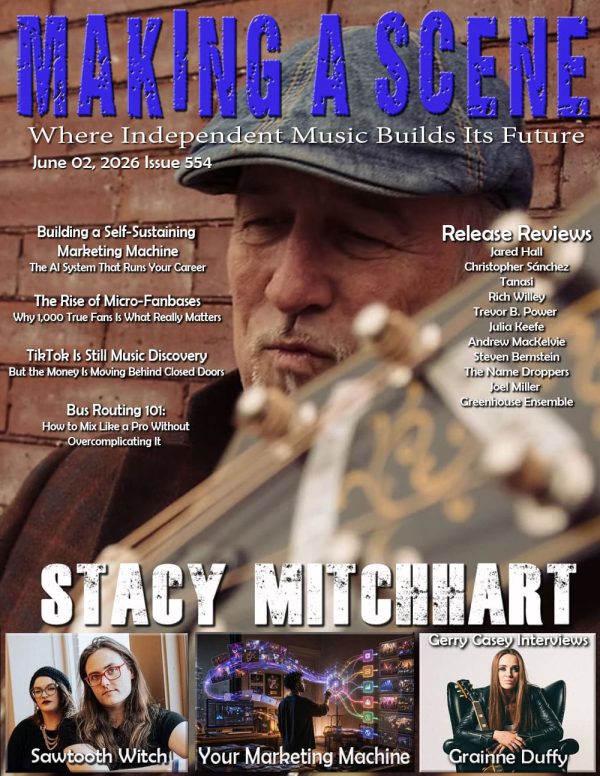
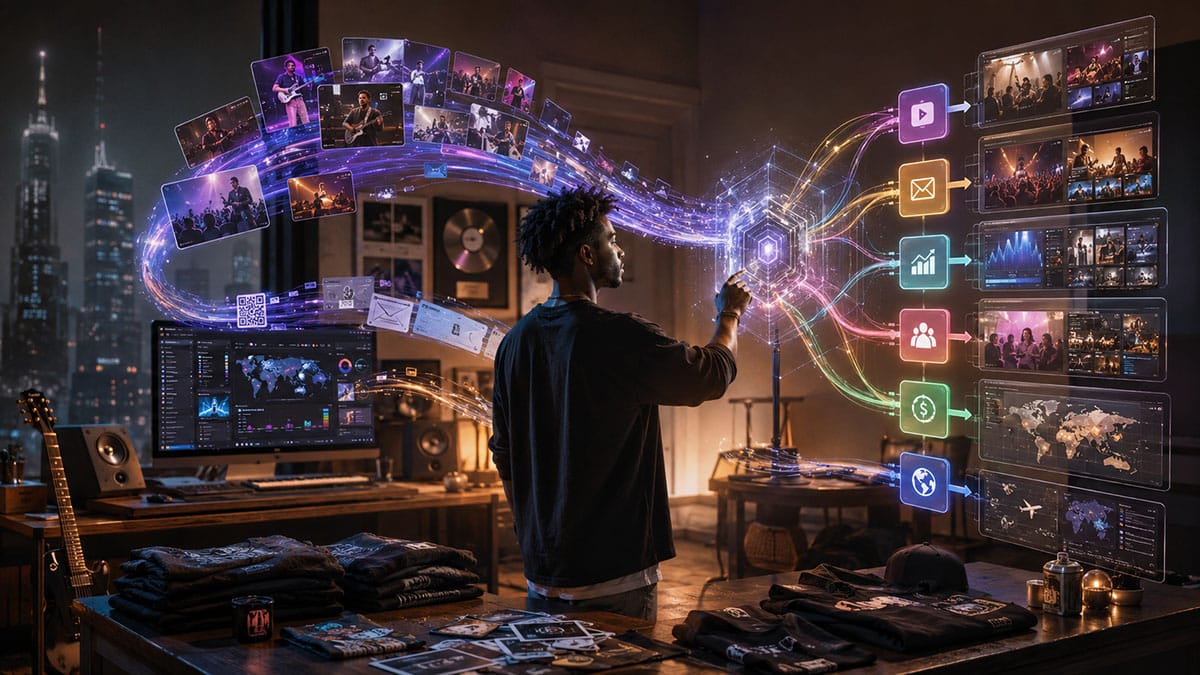
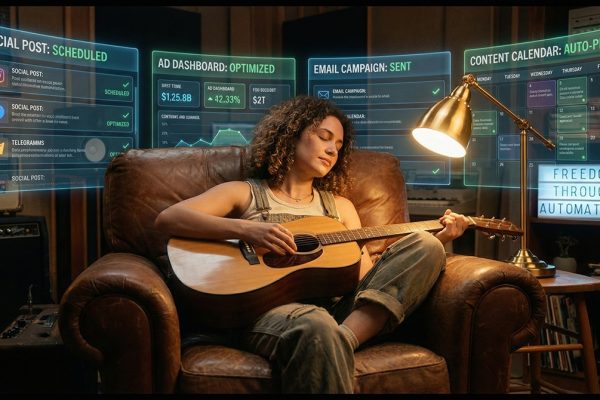
Building a Self-Sustaining Marketing Machine: The AI System That Runs Your Career
Listen to the Podcast Discussion
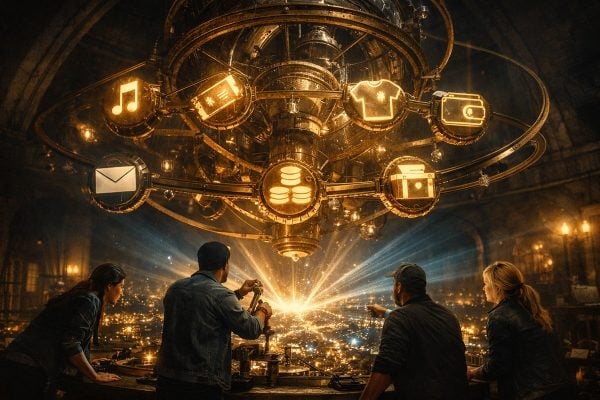
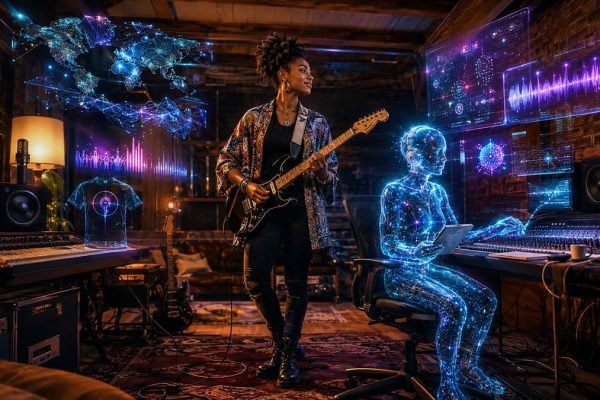
The Artist Should Not Be the Entire Marketing Department
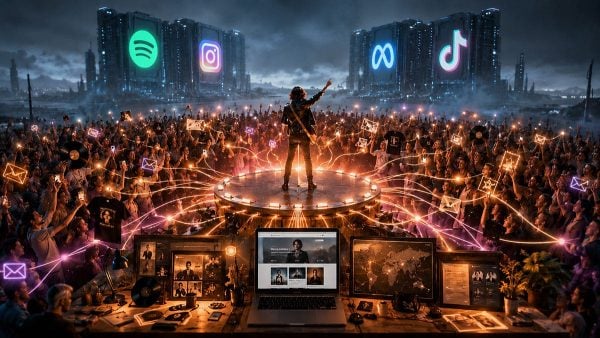
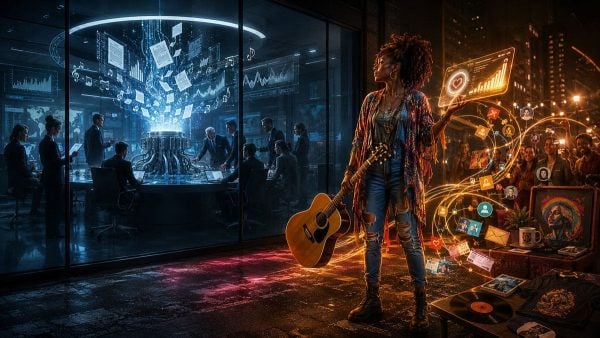
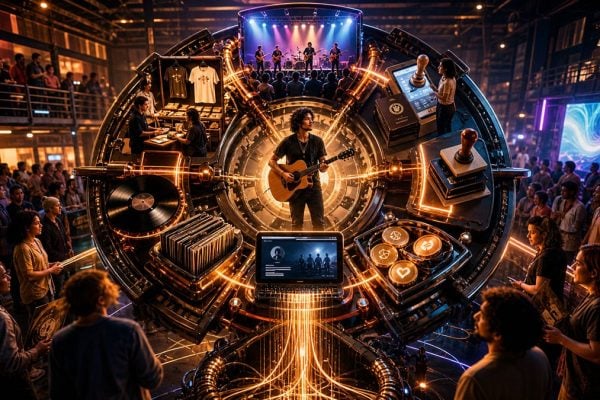
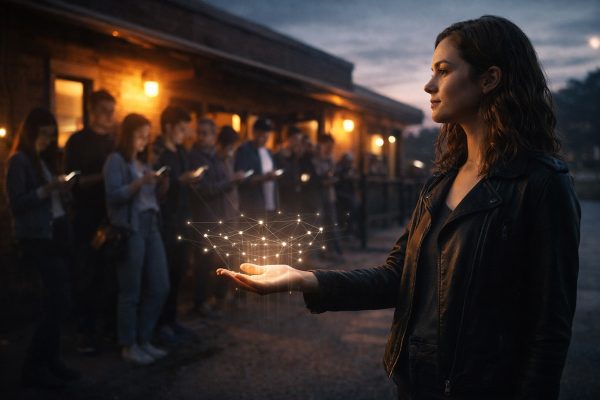
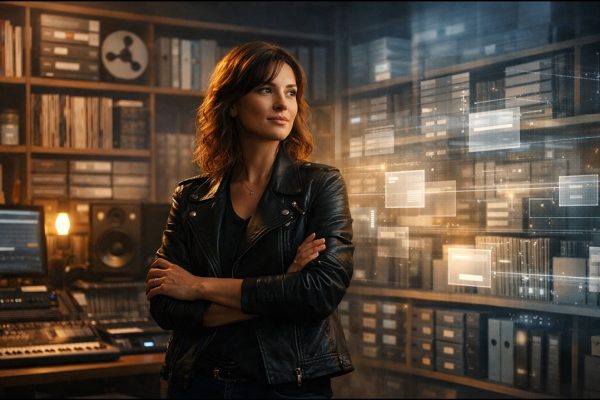
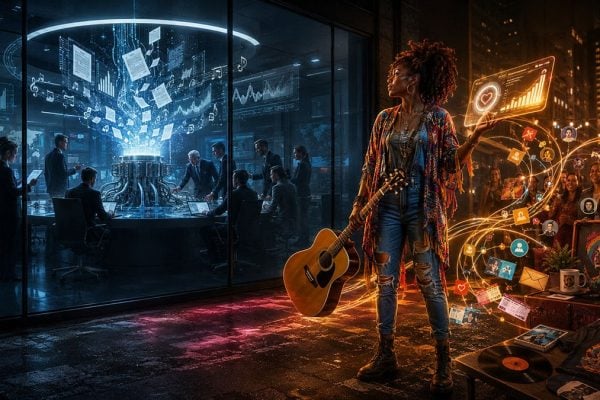
There is a dirty little secret in the modern music business. Most independent artists are not only expected to write the songs, rehearse the band, book the shows, record the music, mix the tracks, post the videos, design the merch, answer the messages, build the email list, study the analytics, pitch the playlist, sell the tickets, update the website, and somehow still have enough soul left to be creative. That is not independence. That is exhaustion wearing a DIY T-shirt.
The Rise of Micro-Fanbases and Why 1,000 True Fans Is What Really Matters
Listen to the Podcast Discussion
The Old Music Business Wanted Everybody. The New Music Business Needs Somebody.
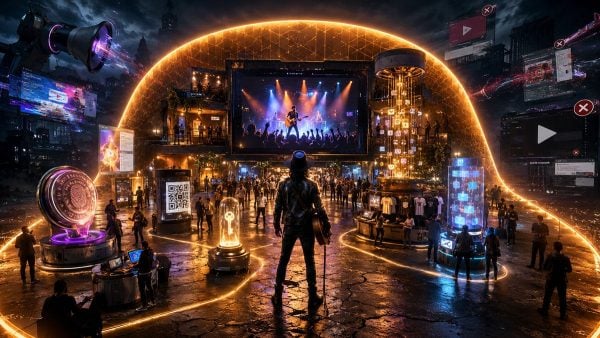
For decades, the music industry sold artists the same shiny dream: reach the masses, get famous, get signed, get played everywhere, and somehow money will fall from the sky like confetti. It was a beautiful story if you were the label, the radio chain, the distributor, the playlist gatekeeper, the ticketing monopoly, or the platform sitting between the artist and the fan. For the artist, it was usually a lottery ticket dressed up as a career plan.
TikTok Is Still Music Discovery, But the Money Is Moving Behind Closed Doors
Listen to the Podcast Discussion
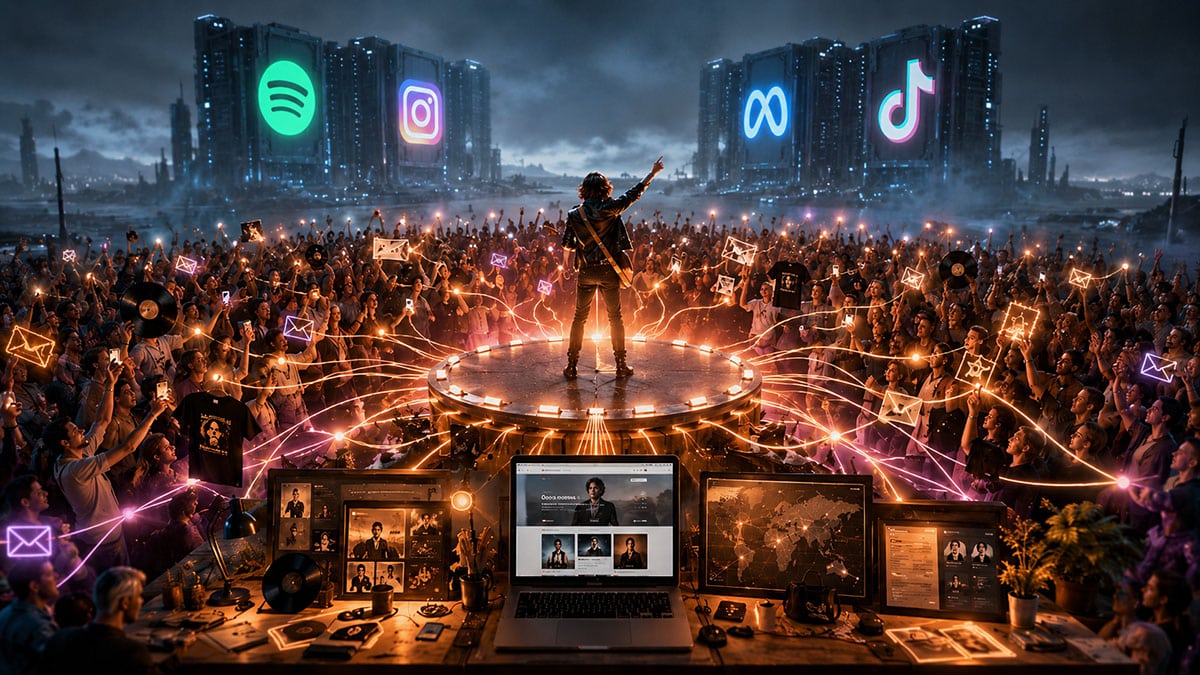
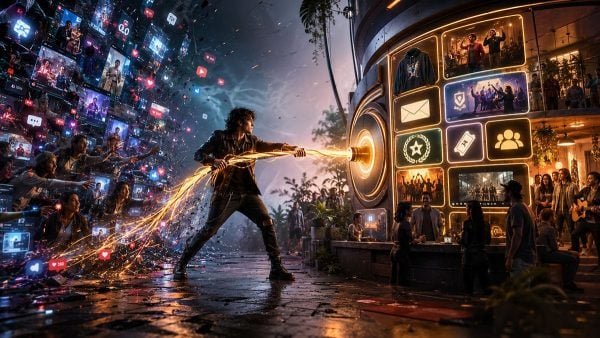
TikTok Is Not Your Fanbase. It Is a Discovery Tollbooth.
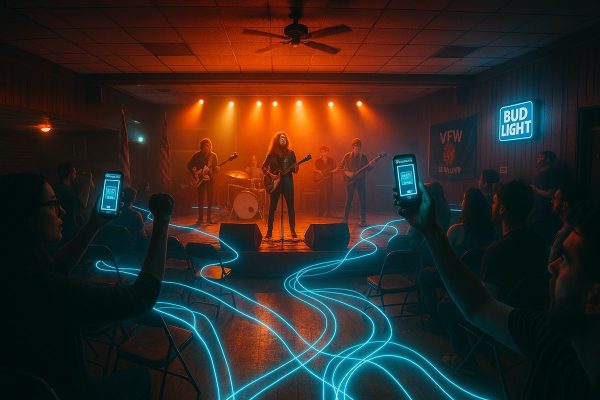
For the last few years, the music industry has sold artists a simple dream. Post the right clip on TikTok. Catch the algorithm at the right moment. Get a sound moving. Watch the streams roll in. Maybe a label calls. Maybe a playlist adds you. Maybe lightning hits.
Bus Routing 101: How to Mix Like a Pro Without Overcomplicating It
Listen To the Podcast Discussion
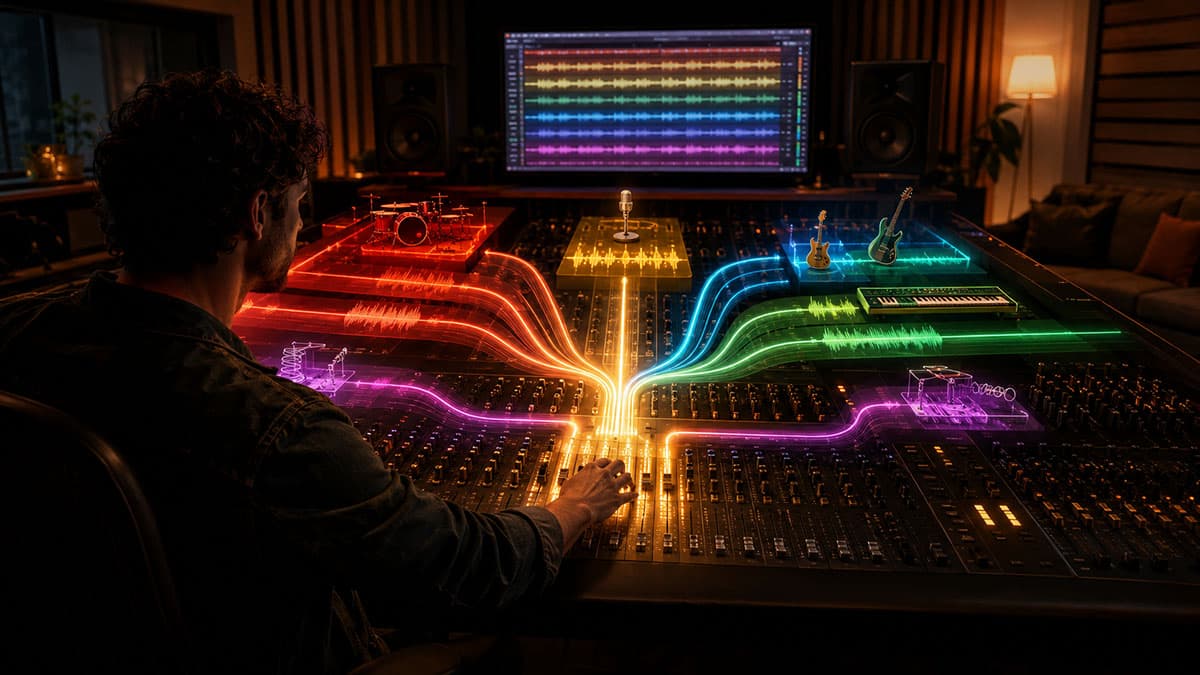
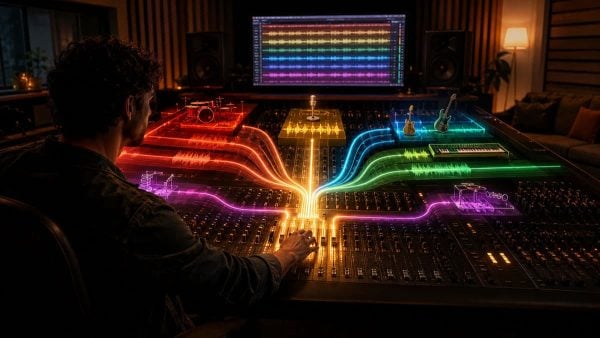
The Mix Is Not Just Sound. It Is Traffic Control.
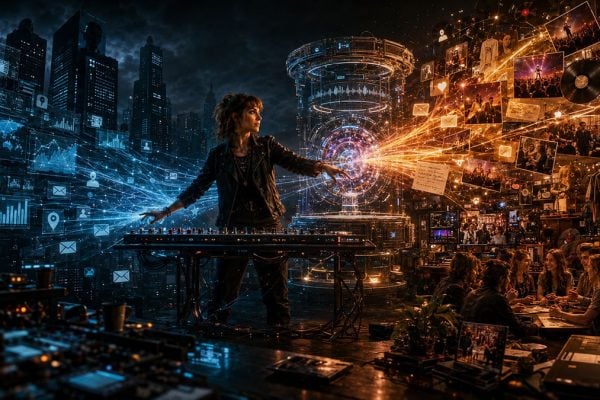
Most independent artists start mixing with one simple goal: make every track sound better. So they open the session, click on the kick drum, add an EQ. Then they move to the snare, add a compressor. Then the lead vocal needs help, so they add more EQ, maybe a de-esser, maybe a little reverb. Then the guitars feel too loud. The drums feel too small. The background vocals are jumping out. The bass is fighting the kick. Before long, the session looks like somebody spilled cables inside the computer.
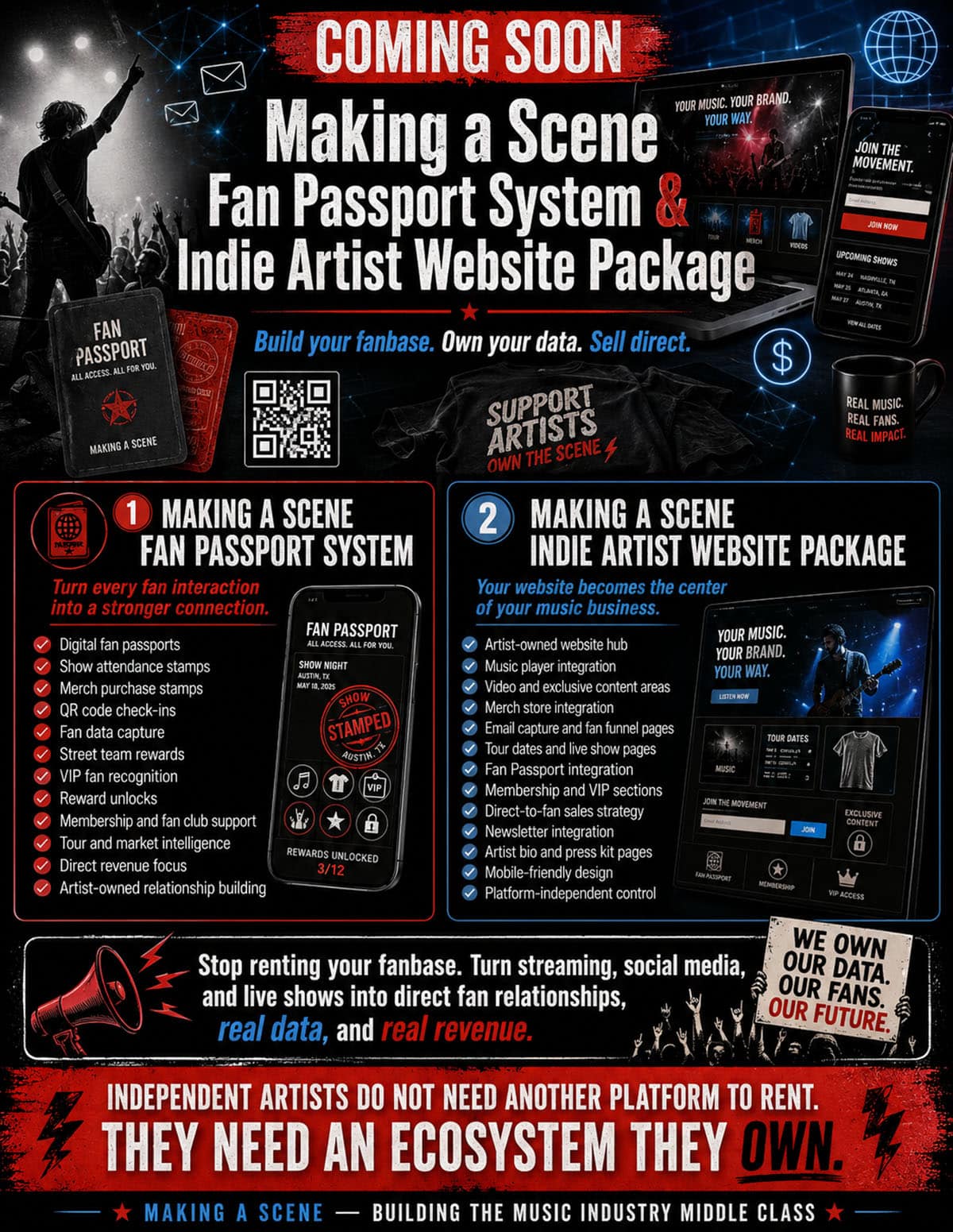
Don’t send your fans to other platforms. Capture their data with the Making a Scene WordPress Plugin and automate a 4-email follow-up series from your own website.
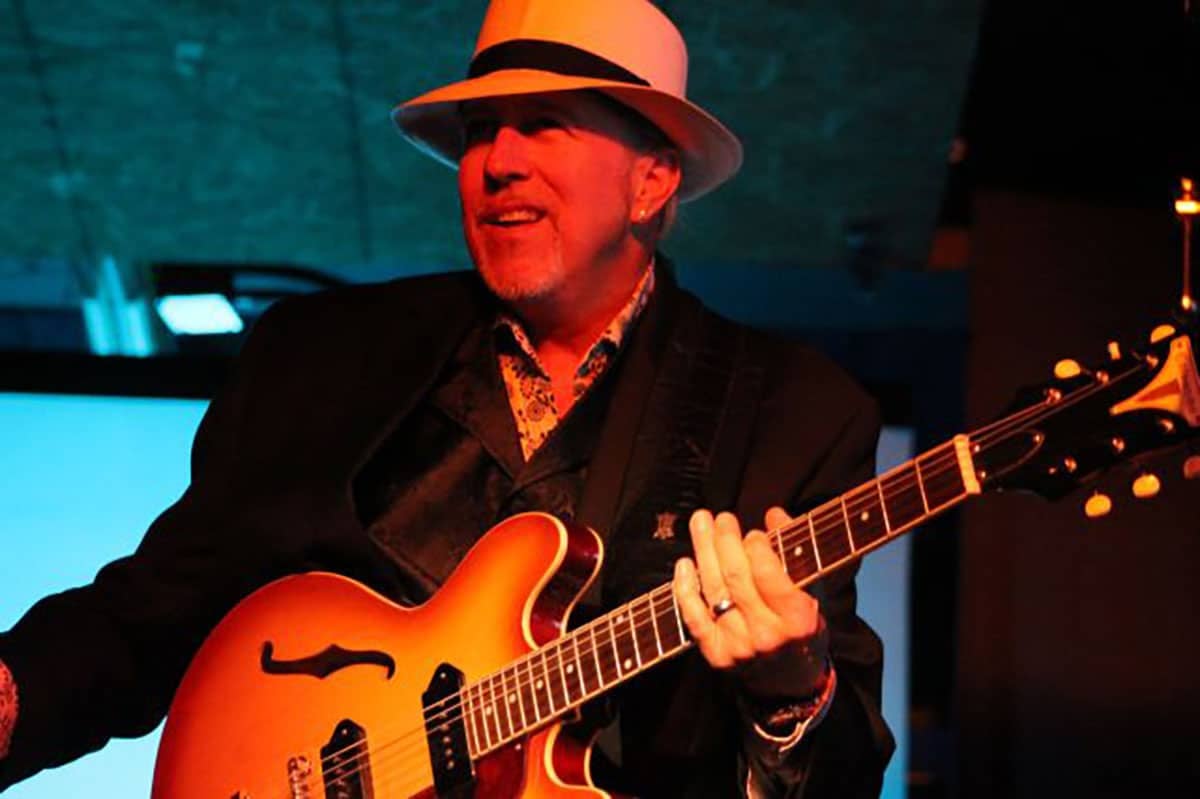
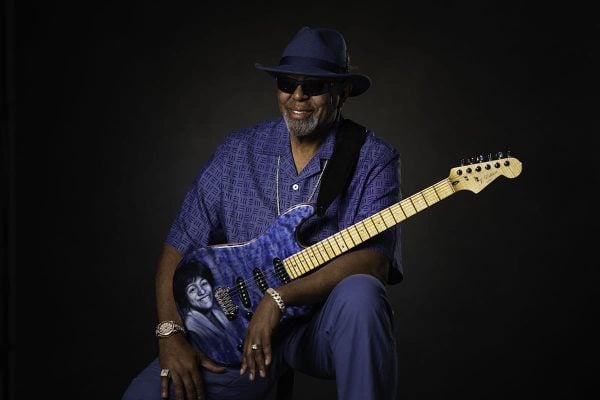
Stacy Mitchhart’s musical journey began in Cincinnati, Ohio, in a house where jazz guitar masters like Wes Montgomery and Johnny Smith were always spinning on the stereo. With that kind of soundtrack in the air, it was only natural that he gravitated toward the guitar. But it wasn’t just the notes that grabbed him early—it was the performance. As a kid, he saw Little Richard on television and couldn’t look away. Little Richard’s style, confidence, and larger-than-life showmanship opened Stacy’s eyes to a powerful idea: music isn’t only something you play—it’s something you deliver. That lesson became a lifelong part of Mitchhart’s identity, and today he’s known for a brand of showmanship that keeps audiences coming back night after night.
Tired of streaming pennies while gatekeepers cash in?
It’s time to take back control.
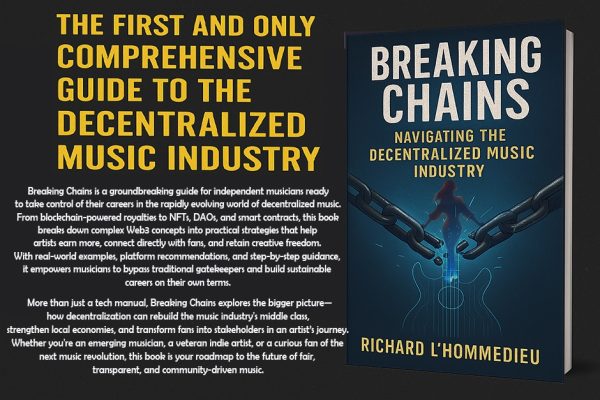
🔥 Now Available in Kindle, Paperback, and Hardcover.
⚡ Exclusive Collector’s Run: Only 50 hand-numbered, signed editions exist. When they’re gone, they’re gone forever.
👉 Claim your copy today—and take your place in the future of indie music.
“Breaking Chains” is a timely and insightful exploration of how decentralization is reshaping the music industry. Richard L’Hommedieu draws on deep industry knowledge to examine the shifting balance of power between artists, labels, and digital platforms. The book offers both a critique of the traditional music business and a roadmap for musicians seeking independence in a rapidly evolving landscape. With clear explanations and practical strategies, L’Hommedieu empowers readers to understand blockchain, streaming economics, and new models of ownership. More than just a guide, it’s a call to artists to reclaim control of their work and careers. A must-read for musicians, managers, and anyone curious about the future of music."