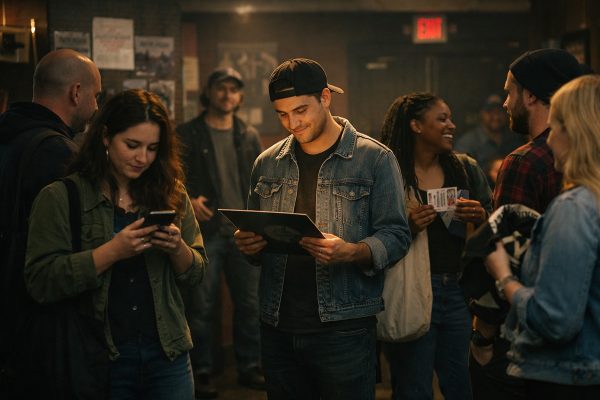
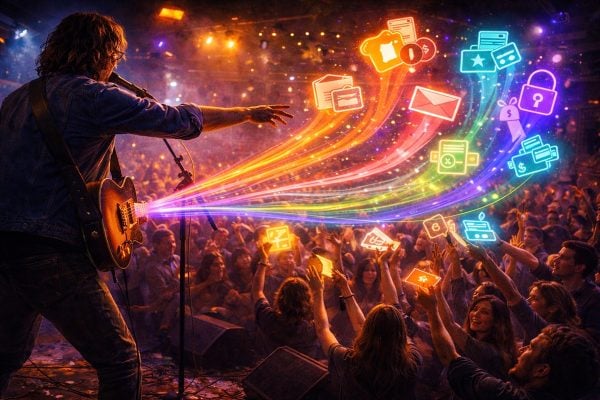
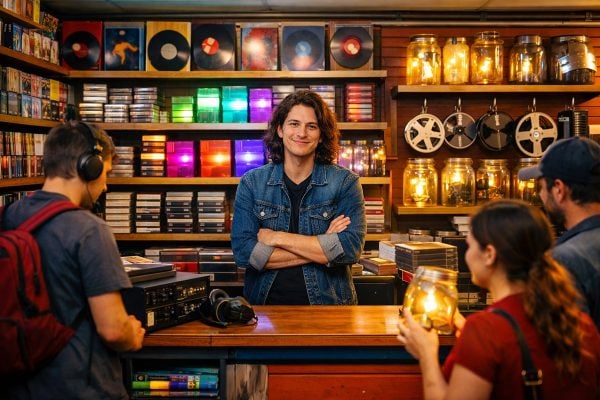
There was a time when recorded music was the thing. The record was not the flyer. It was not the teaser. It was not the loss leader for a T-shirt, a tour, or a playlist slot. It was the product. Fans saved up for it, hunted for it, lined up for it, argued about it, and lived with it. The album sat on a shelf, in a car, in a stereo, in a stack by the bed. It had weight. It had ritual. It had value.
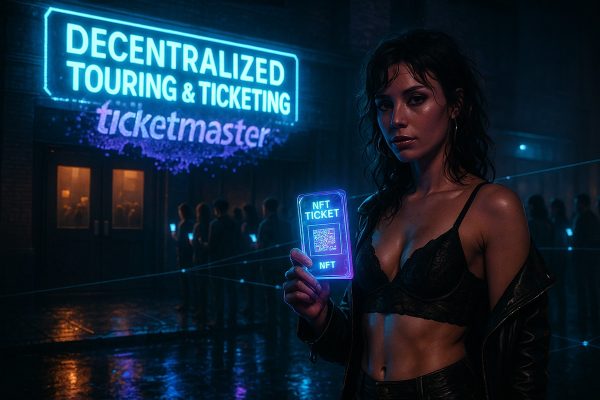
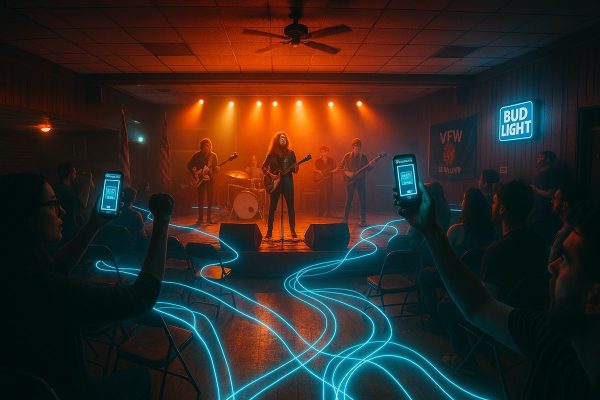
Touring Used to Sell Records. Now Records Exist to Sell Touring. What Happens Next?
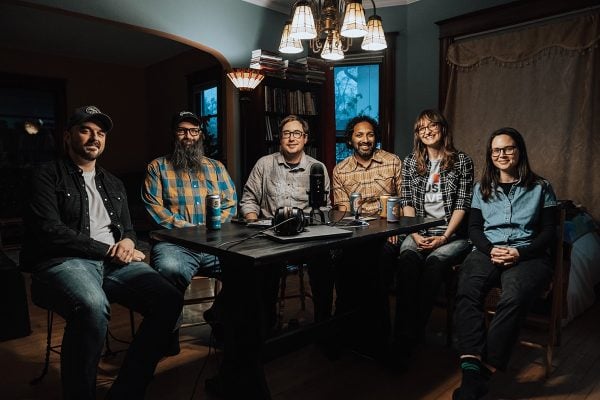
Listen to the Podcast Discussion
The old deal is dead
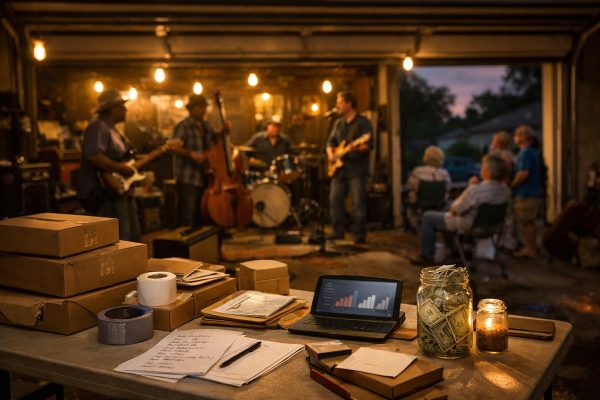
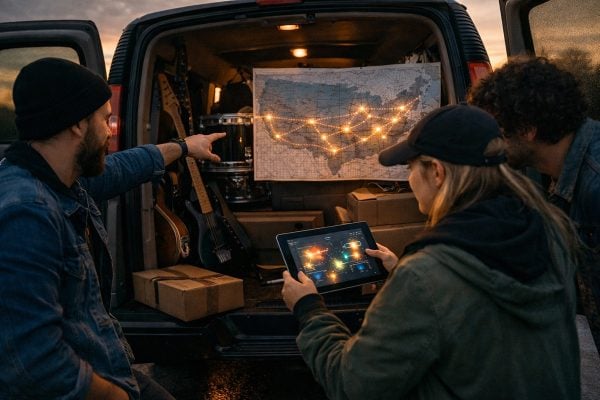
For a long time, the bargain in music was pretty clear. You made records so people would care. Then you hit the road and turned that attention into ticket sales, merch money, and a bigger audience. Before streaming ate the center out of recorded music, albums were not just art. They were products with real cash value. Touring was promotion, and the record was the thing being promoted.
How Indie Artists Keep Fans Inside Their Own Ecosystem
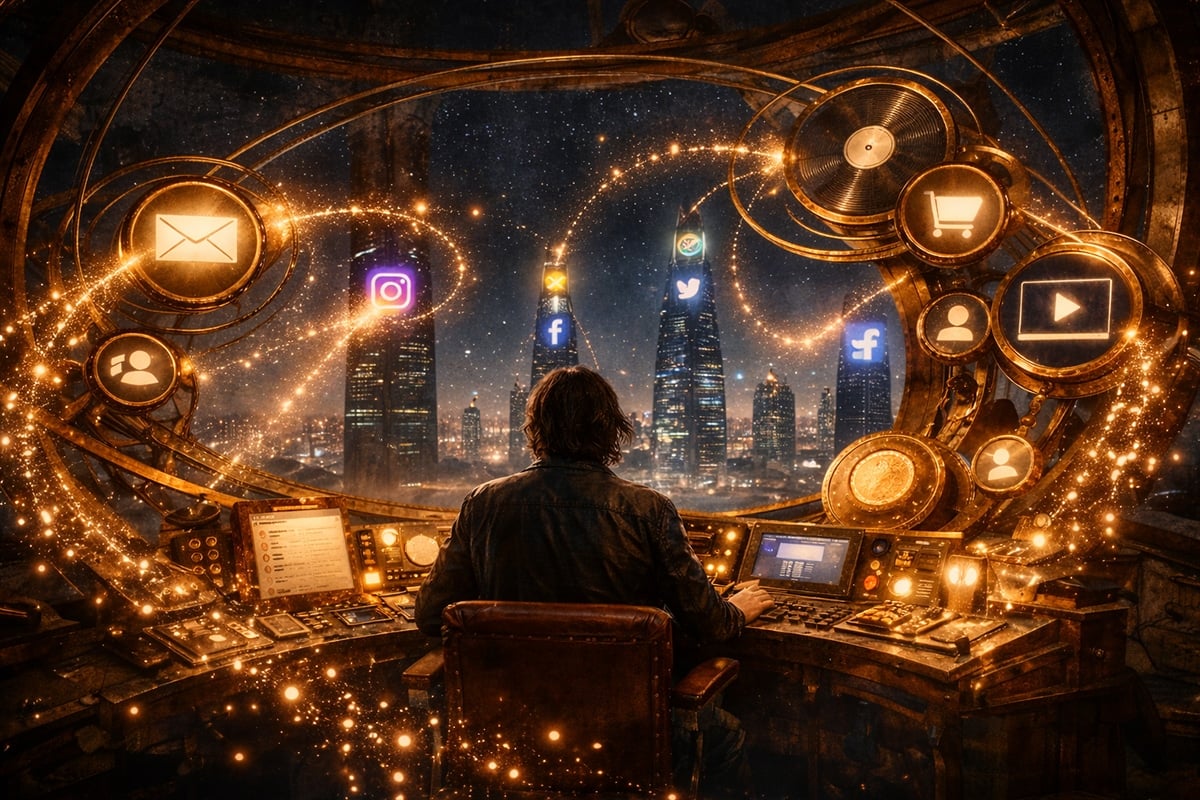
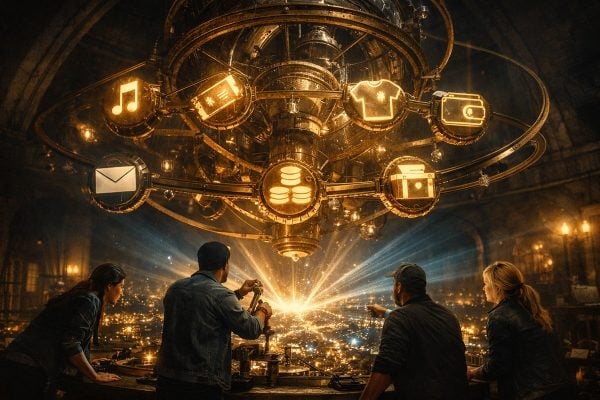
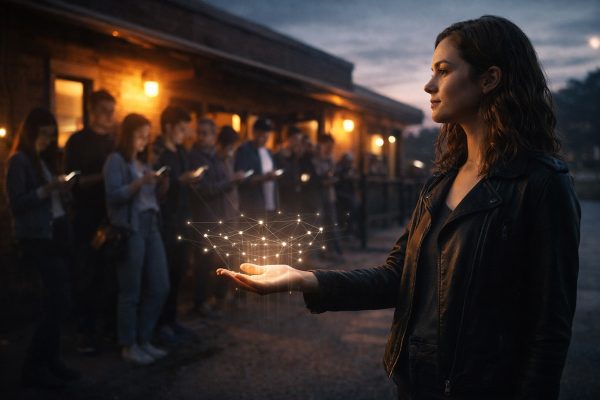
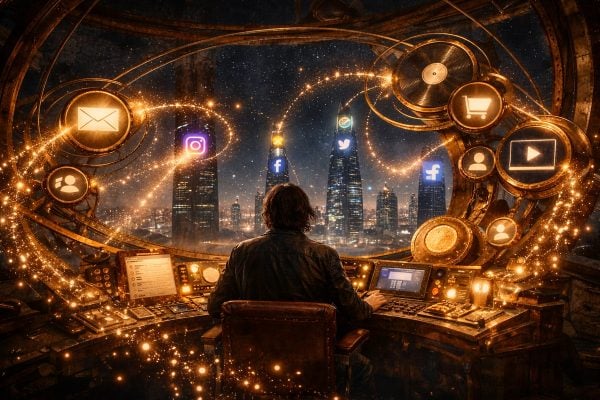
There is a moment almost every indie artist knows by heart. A fan finally pays attention. They click the link in your bio. They hear part of a song. They watch a clip. They feel something. Then they disappear. Not because your music failed. Not because your story was weak. They disappear because you sent them into somebody else’s machine. You handed them to Spotify, YouTube, Instagram, or TikTok, and those platforms did exactly what they were built to do. They kept the fan for themselves.
Parallel Compression: Making Your Mix Punch Without Killing Dynamics
Listen to the Podcast Discussion
The Trick That Sounds Expensive Even When Your Studio Isn’t
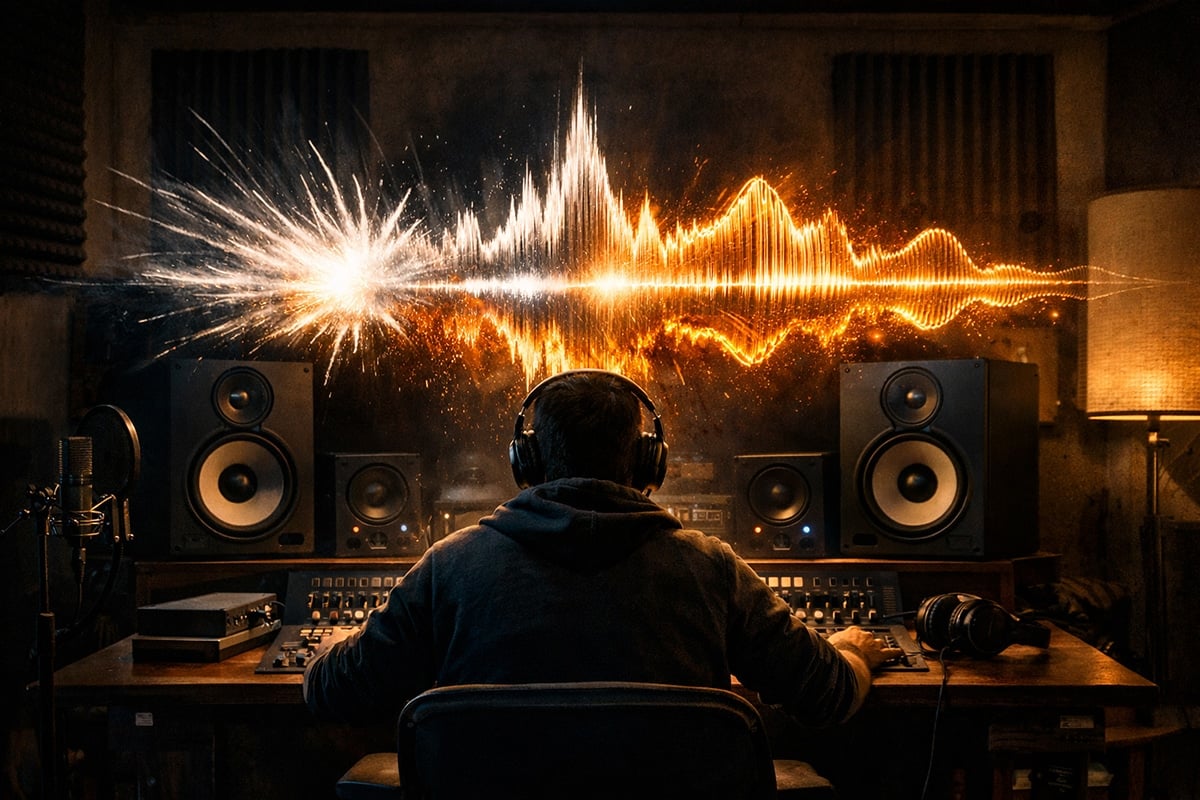
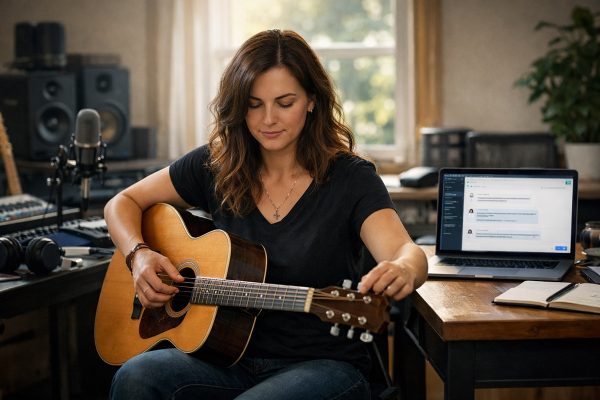
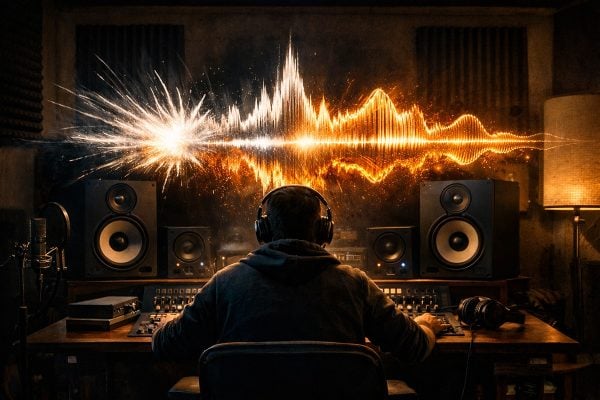
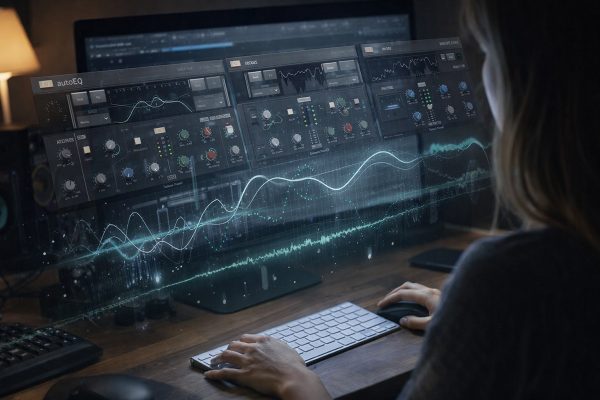
There is a moment almost every home-recording artist runs into. You finish a mix. It sounds clean. It sounds balanced. Nothing is obviously broken. But when you play it next to a record that hits you in the chest, yours feels polite. The kick does not leap out. The vocal does not stay in your face. The song has emotion, but not enough muscle. So you reach for compression, push harder, and suddenly the life drains out of the track. The groove gets smaller. The singer sounds pinned to the wall. The whole thing is louder, but somehow less alive. Parallel compression is the move that solves that problem. It is one of those real studio tricks that sounds fancy, but it is built on a simple idea: keep your natural performance, then blend in a second, heavily compressed version underneath it. Done right, you get punch, thickness, density, and excitement without flattening the human feel out of the song. For indie artists, that matters because a mix that feels finished earns trust faster, holds attention longer, and gives your direct releases, live recordings, sync submissions, fan-club exclusives, and premium downloads a better shot at turning into actual money instead of just more content floating in the feed.
The Box That Decides Whether Your Studio Feels Fast or Feels Broken
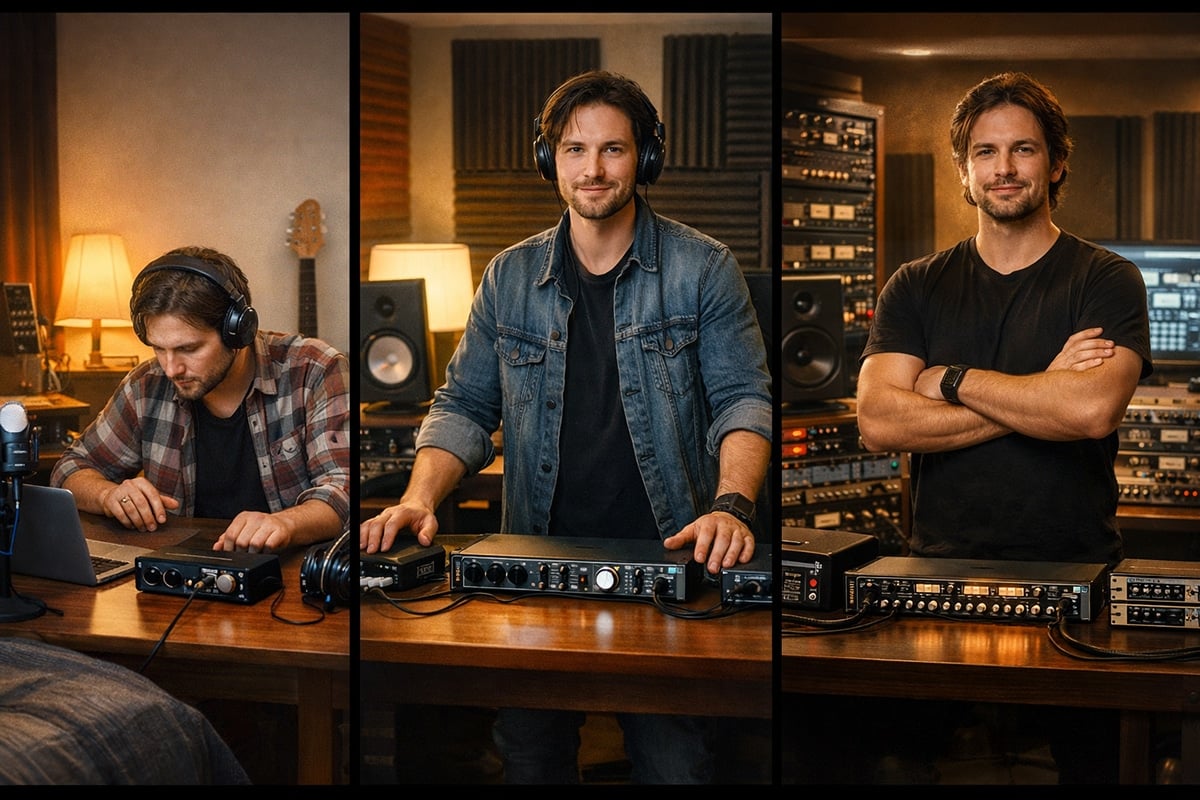
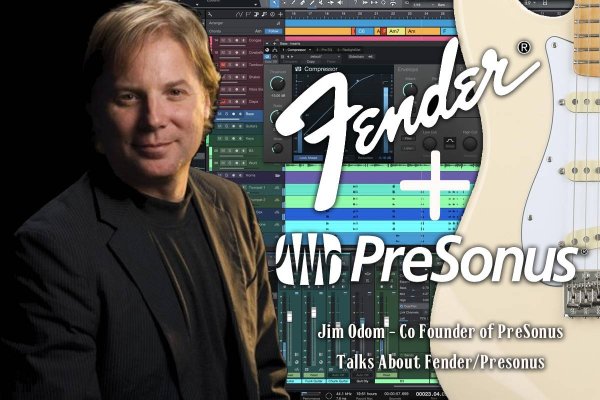
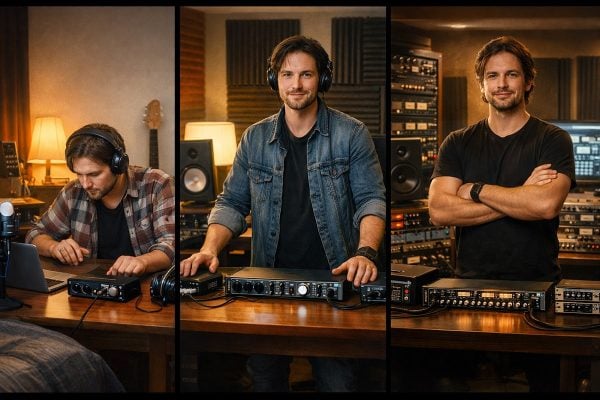
There is a certain kind of gear mistake that musicians make all the time. They obsess over microphones, plugins, monitors, and shiny rack toys, then they treat the recording interface like a boring utility purchase. That is backward. Your interface is the center of the studio. It is the box that decides how your microphone gets into the computer, how your speakers get fed, how your headphones behave, how low your latency feels, how your outboard gear connects, and how easy it will be to grow from a simple home setup into a serious project studio. Pick the right one and the whole room feels smooth. Pick the wrong one and everything becomes friction.
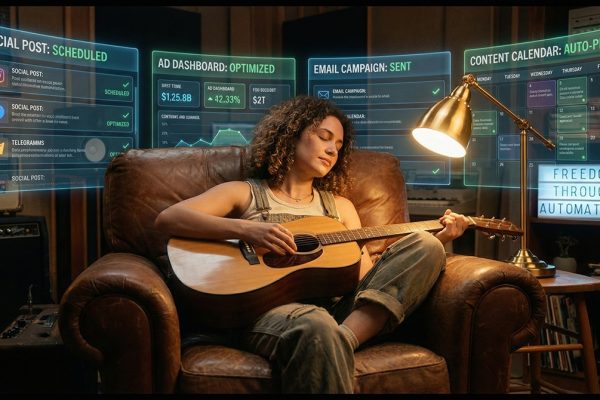
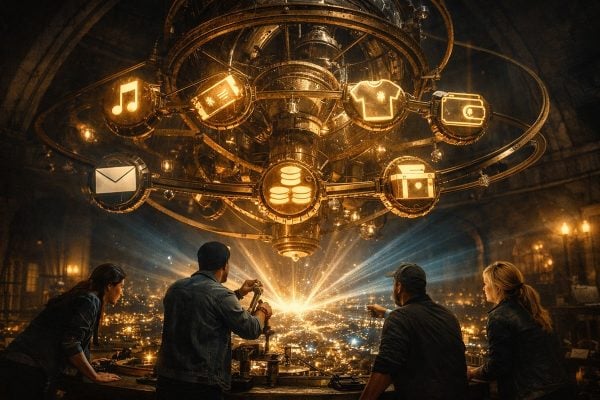
Don’t send your fans to other platforms. Capture their data with the Making a Scene WordPress Plugin and automate a 4-email follow-up series from your own website.
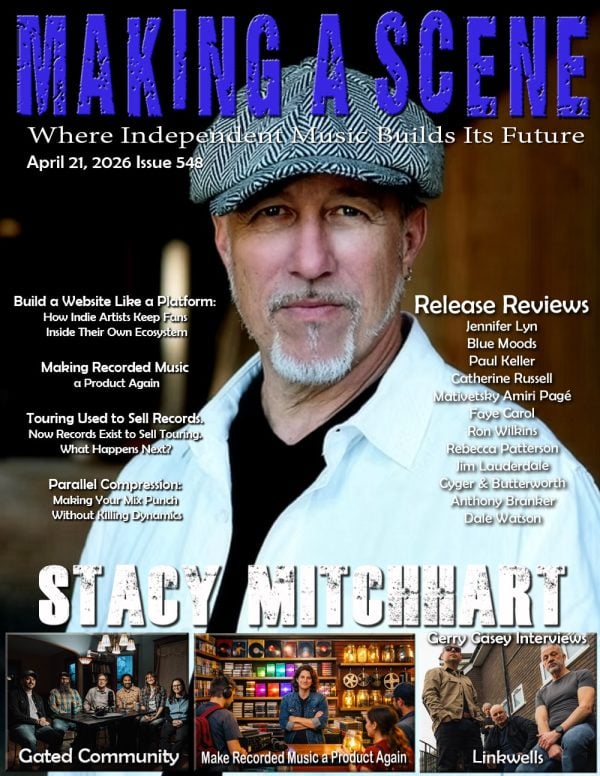
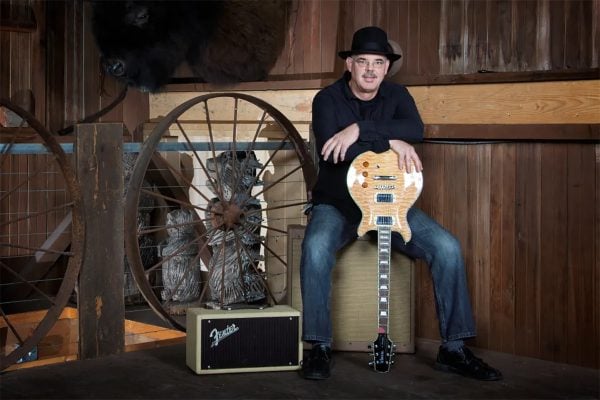
Stacy Mitchhart’s musical journey began in Cincinnati, Ohio, in a house where jazz guitar masters like Wes Montgomery and Johnny Smith were always spinning on the stereo. With that kind of soundtrack in the air, it was only natural that he gravitated toward the guitar. But it wasn’t just the notes that grabbed him early—it was the performance. As a kid, he saw Little Richard on television and couldn’t look away. Little Richard’s style, confidence, and larger-than-life showmanship opened Stacy’s eyes to a powerful idea: music isn’t only something you play—it’s something you deliver. That lesson became a lifelong part of Mitchhart’s identity, and today he’s known for a brand of showmanship that keeps audiences coming back night after night.
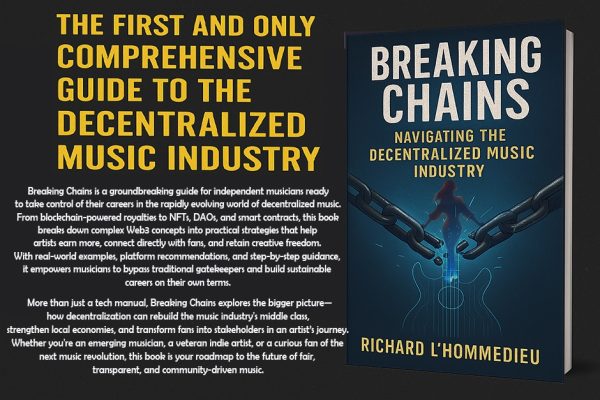
Tired of streaming pennies while gatekeepers cash in?
It’s time to take back control.
🔥 Now Available in Kindle, Paperback, and Hardcover.
⚡ Exclusive Collector’s Run: Only 50 hand-numbered, signed editions exist. When they’re gone, they’re gone forever.
👉 Claim your copy today—and take your place in the future of indie music.
“Breaking Chains” is a timely and insightful exploration of how decentralization is reshaping the music industry. Richard L’Hommedieu draws on deep industry knowledge to examine the shifting balance of power between artists, labels, and digital platforms. The book offers both a critique of the traditional music business and a roadmap for musicians seeking independence in a rapidly evolving landscape. With clear explanations and practical strategies, L’Hommedieu empowers readers to understand blockchain, streaming economics, and new models of ownership. More than just a guide, it’s a call to artists to reclaim control of their work and careers. A must-read for musicians, managers, and anyone curious about the future of music."