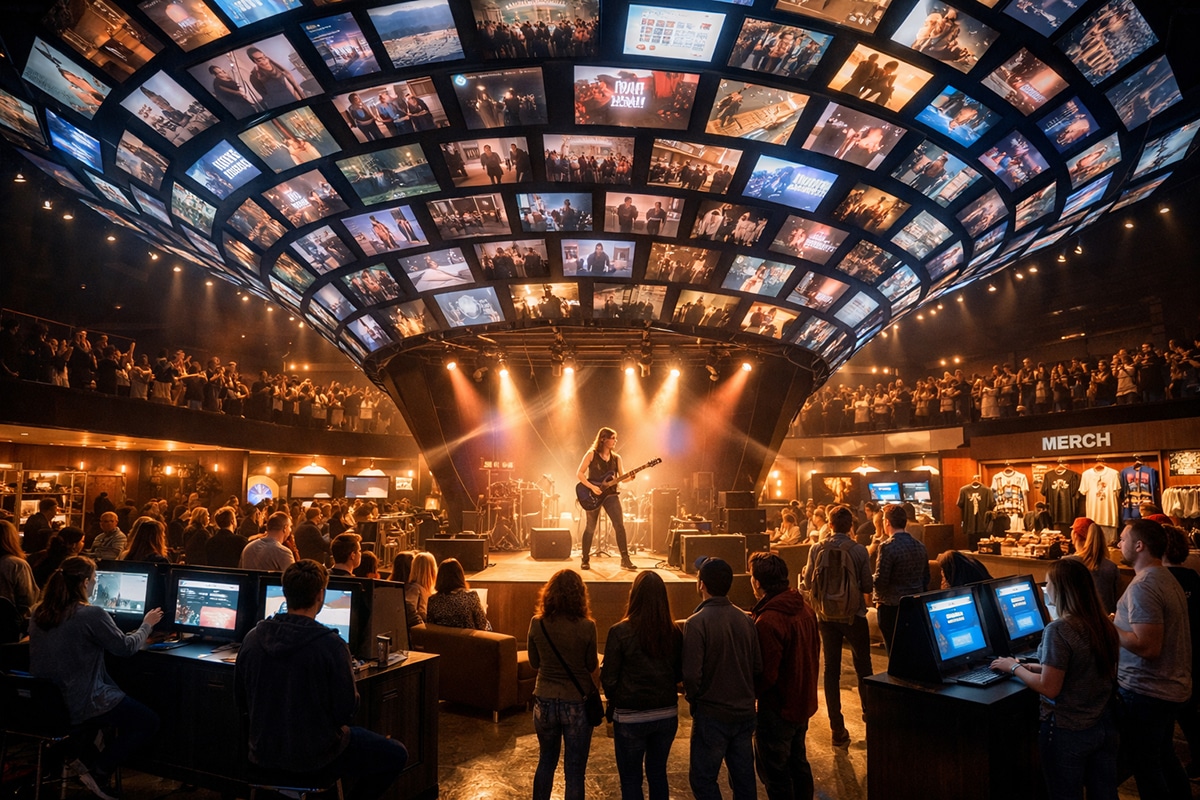
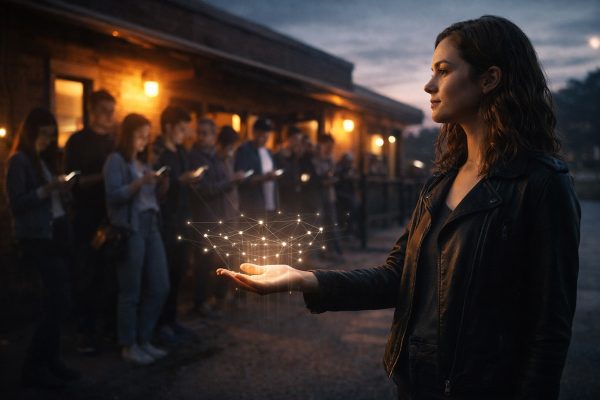
There is a bad habit all over independent music right now. An artist works hard to get attention on Instagram, TikTok, YouTube, Facebook, Threads, or X. A new fan finally bites. They click. And what do they find? Another stack of links, another rented profile, another platform asking them to wander off and forget why they came in the first place. That is not a funnel. That is a leak. Pew’s latest U.S. social media data still shows huge reach on YouTube and Facebook, with Instagram and TikTok especially strong with younger adults, which is exactly why these platforms matter for discovery. But reach is not ownership, and attention is not the same thing as a relationship.
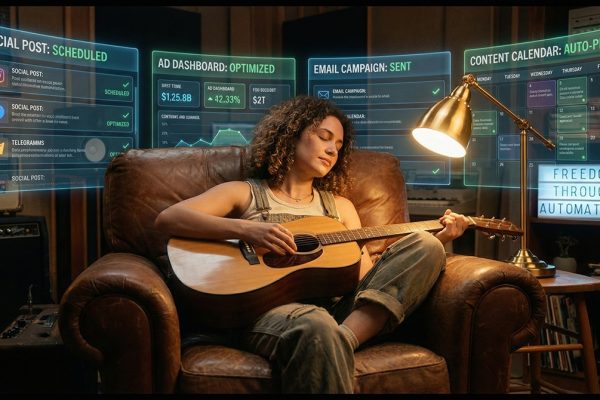
Don’t send your fans to other platforms. Capture their data with the Making a Scene WordPress Plugin and automate a 4-email follow-up series from your own website.
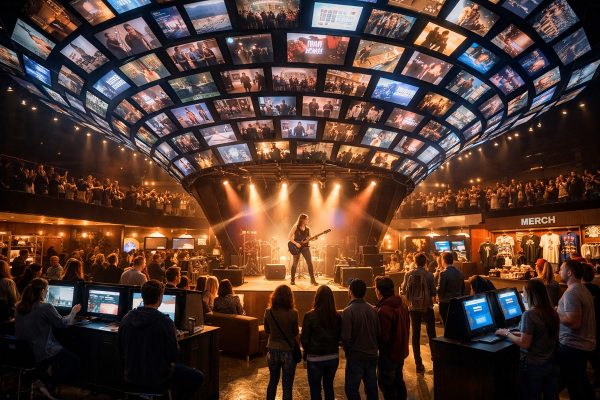
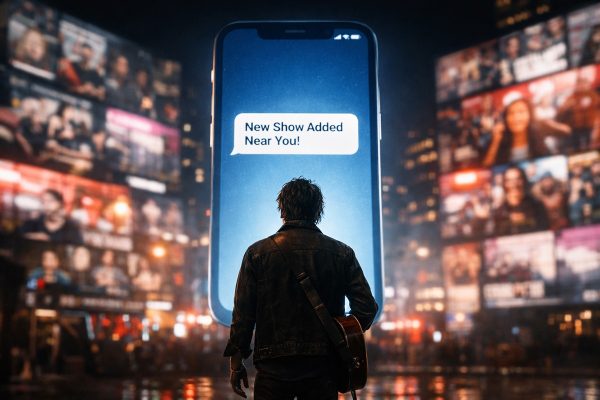
Predictive Touring: Using AI to Decide Where You Should Play Before You Book the Show
Listen to the Podcast Discussion
There used to be a standard indie-touring ritual. You stared at a map, circled cities you had heard were “good markets,” texted a few friends, checked which clubs had an open Thursday, and called it strategy. Then came the long drive, the half-full room, the weak merch table, the gas bill, the post-show talk where everyone said, “It was still good exposure,” which is music-business language for “the math did not work.”
Creating a Touring Syndicate for Increased Leverage
Listen to the Podcast Discussion
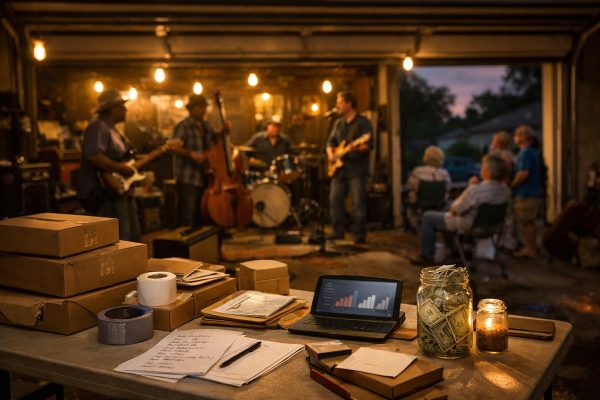
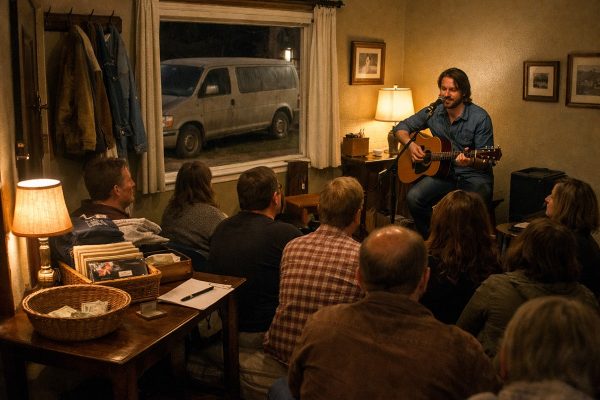
For years, indie artists have been told the same tired story about touring in America. Build your streaming numbers. Pray for algorithm luck. Hope a promoter notices. Spend money on ads. Guess which city might work. Book the run. Drive the miles. Cross your fingers. Lose money in three towns, break even in two, and call the whole thing “building.” That story has made a lot of middlemen comfortable. It has not made a lot of artists stable.
Subtractive EQ vs Additive EQ: The Secret to Clean Mixes
Listen to The Podcast Discussion
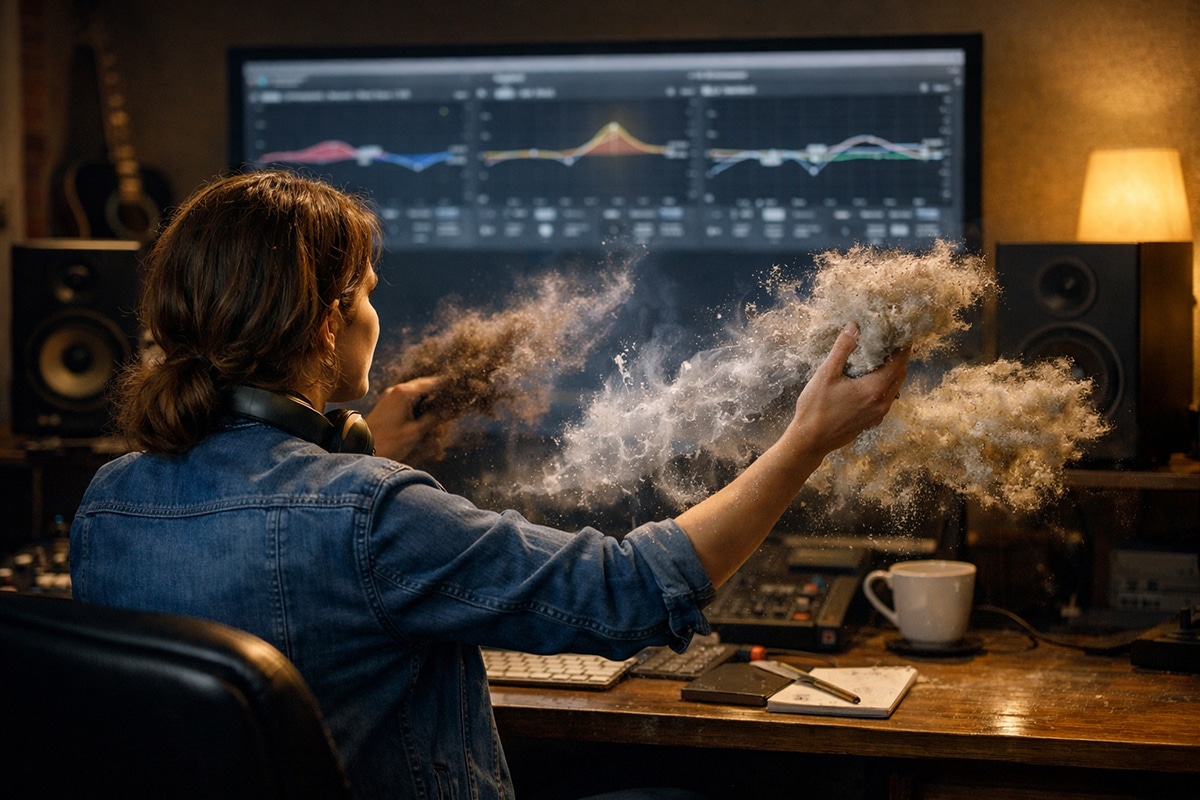
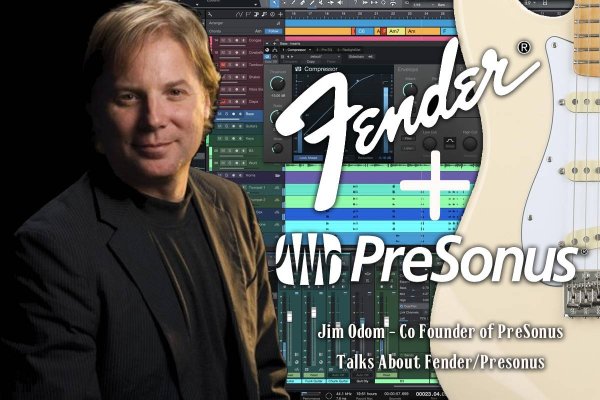
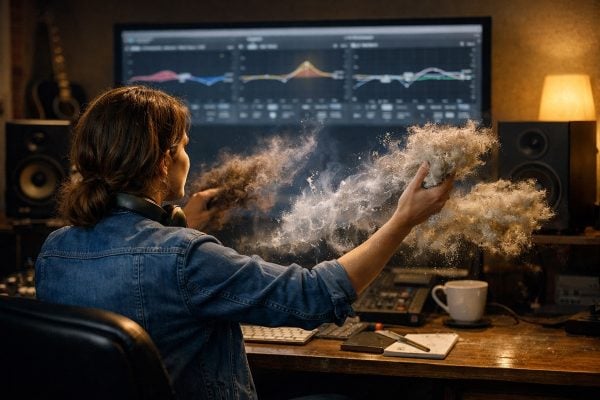
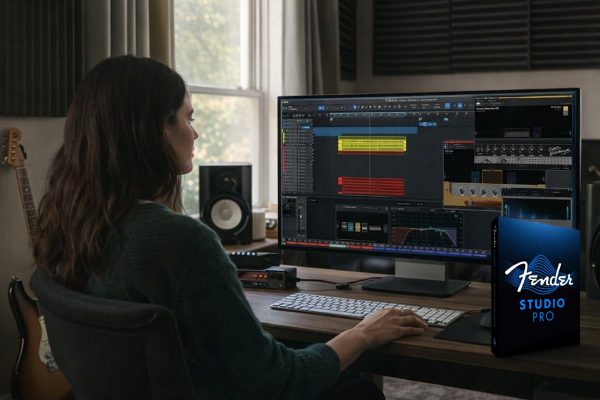
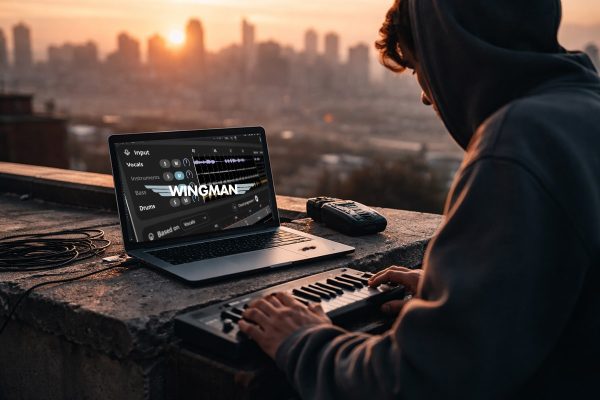
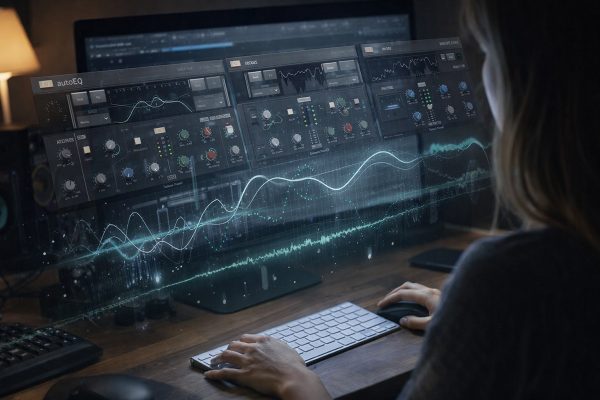
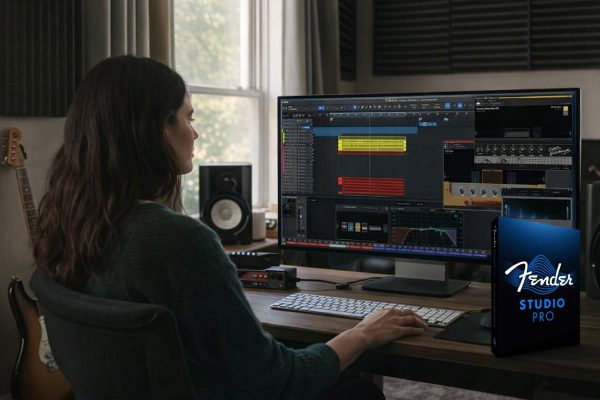
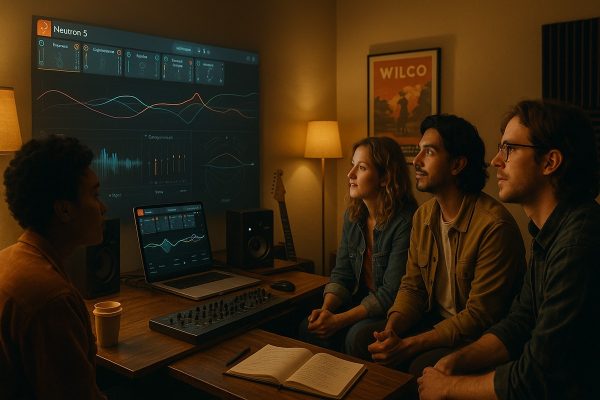
There is a reason so many home studio mixes sound busy, cloudy, and weirdly tired even when every track is “exciting” on its own. It is not always the mic. It is not always the room. It is not always that you need some expensive boutique plugin blessed by a guy on YouTube wearing a beanie in July. A lot of the time, the problem is simpler and a little more humbling. We boost before we listen. We decorate before we clean. We keep reaching for more when the track is begging for less. That is where subtractive EQ comes in, and it is why this one move can make a mix feel more expensive, more open, and more professional without adding a single new sound. Fender Studio Pro is built on the Studio One platform, and Fender’s current Studio Pro pages describe its Standard EQ as a parametric EQ with dynamic EQ and visual feedback, while the platform also includes broader mix tools like multiband dynamics and a modernized workflow in version 8. That makes it a very good place to learn restraint instead of hype.
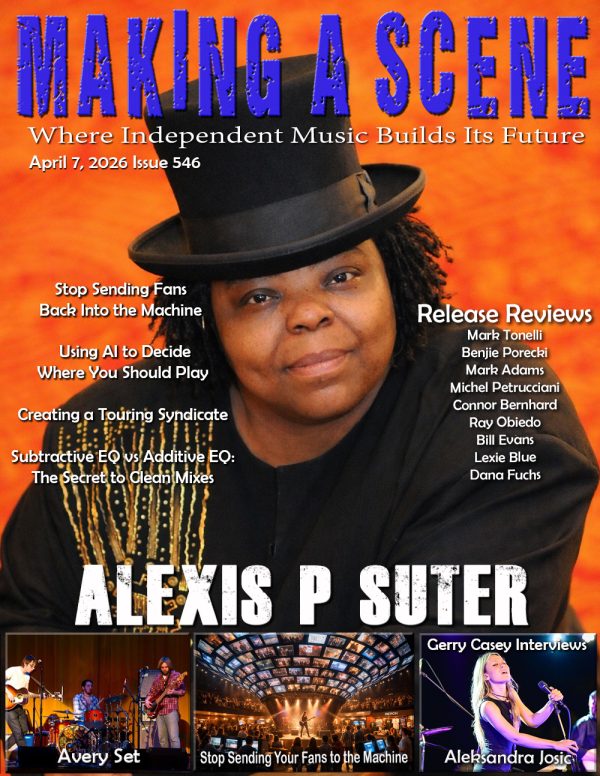
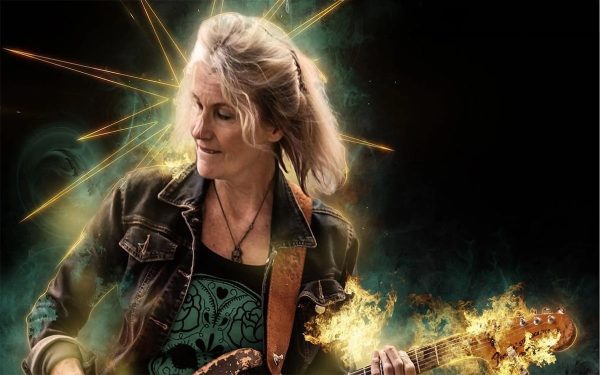
Alexis P. Suter is a three-time Blues Music Award nominee—recognized in major categories including the Koko Taylor Award and Best Soul Blues Female Artist—and one of the most commanding voices in modern blues and soul. Raised in Brooklyn in a musically gifted family, Alexis grew up with the belief that music is not just entertainment—it’s an emotional and spiritual experience. That idea still sits at the center of everything she does on stage.
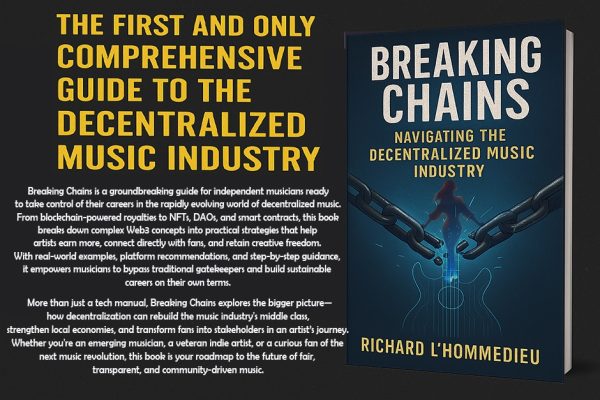
Tired of streaming pennies while gatekeepers cash in?
It’s time to take back control.
🔥 Now Available in Kindle, Paperback, and Hardcover.
⚡ Exclusive Collector’s Run: Only 50 hand-numbered, signed editions exist. When they’re gone, they’re gone forever.
👉 Claim your copy today—and take your place in the future of indie music.
“Breaking Chains” is a timely and insightful exploration of how decentralization is reshaping the music industry. Richard L’Hommedieu draws on deep industry knowledge to examine the shifting balance of power between artists, labels, and digital platforms. The book offers both a critique of the traditional music business and a roadmap for musicians seeking independence in a rapidly evolving landscape. With clear explanations and practical strategies, L’Hommedieu empowers readers to understand blockchain, streaming economics, and new models of ownership. More than just a guide, it’s a call to artists to reclaim control of their work and careers. A must-read for musicians, managers, and anyone curious about the future of music."