The Real Reason Streaming Pays So Little, And Why It Was Designed That Way
Listen to the Podcast Discussion
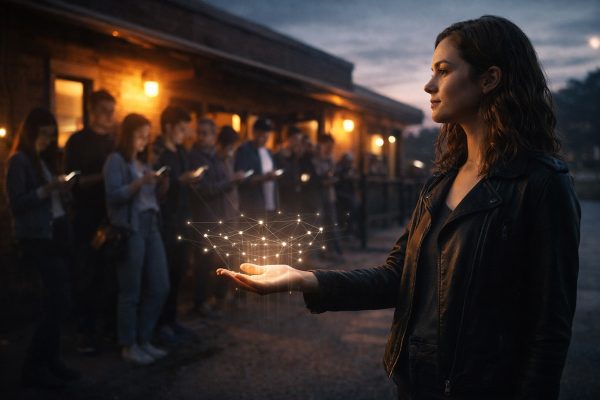
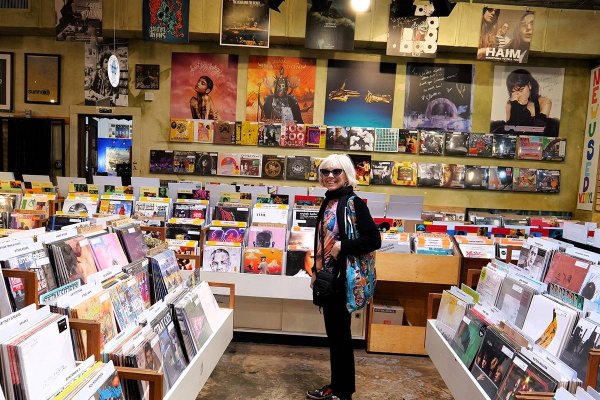
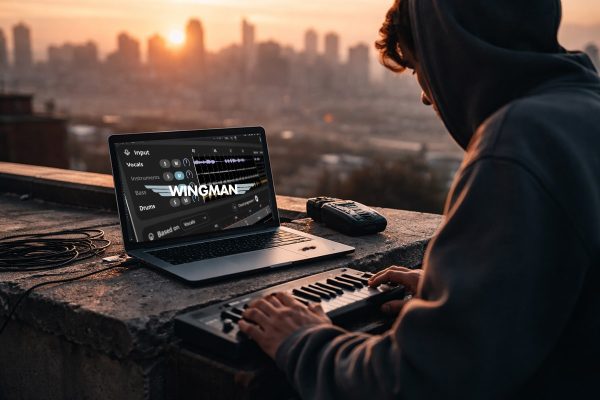
Streaming did not become unfair by accident. The dominant payout model was built to make giant catalogs easy to license, cheap to sell, and sticky for listeners. That helped platforms grow and helped major rights holders protect old power in a new format. It did not build a healthy middle class for working artists. The next fight is not just about a better royalty formula. It is about ownership, fan data, and turning streaming back into what it should be for independents: discovery, not destiny.
The music business loves a clean rescue story. Piracy nearly burned the whole thing down. Streaming rode in like a hero. Subscriptions brought the money back. Everybody got saved. End of movie.
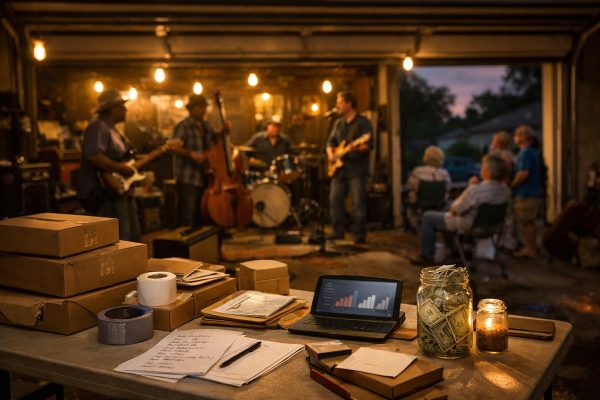
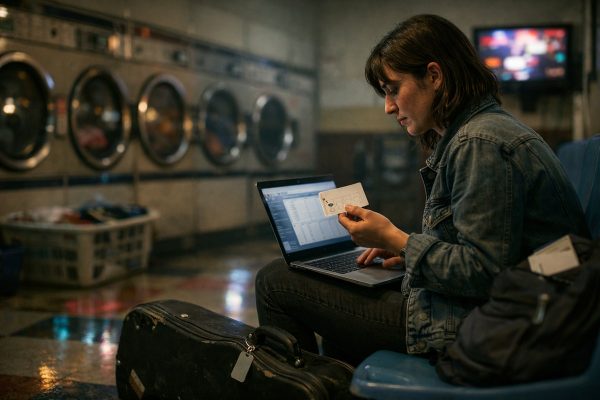
Except that is not how it feels from the van, the home studio, the merch table, or the monthly distro report.
Don’t send your fans to other platforms. Capture their data with the Making a Scene WordPress Plugin and automate a 4-email follow-up series from your own website.
There is a war on ownership in the music business, and most of it is happening in plain sight.
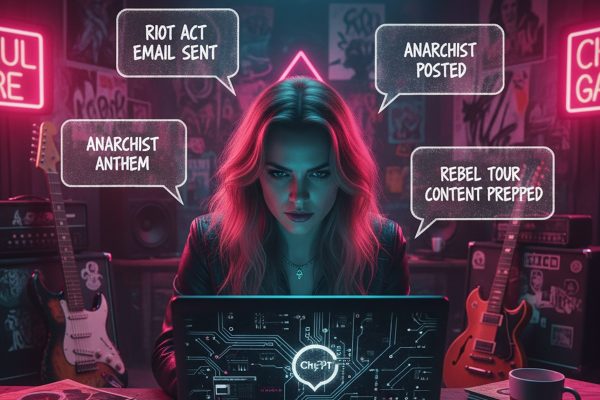
It is not being fought with lawsuits or angry speeches. It is being fought with product design. It is being fought with dashboards, autoplay, pre-save buttons, short-form feeds, and a thousand tiny choices that train artists to believe reach is enough. The message is always the same. Be everywhere. Post more. Feed the machine. Stay visible. Hope the platform keeps showing you to people.
That sounds like opportunity. A lot of the time, it is really dependency.
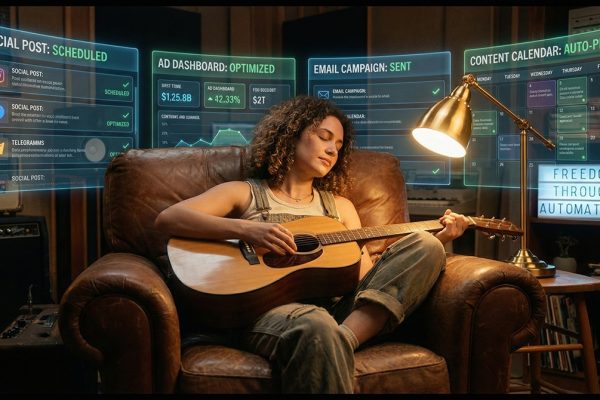
Your AI Twin: Building a Digital Version of Yourself That Markets While You Sleep
Listen to the Podcast Discussion
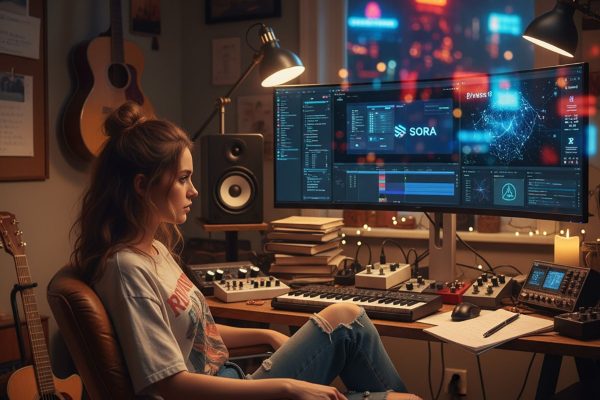
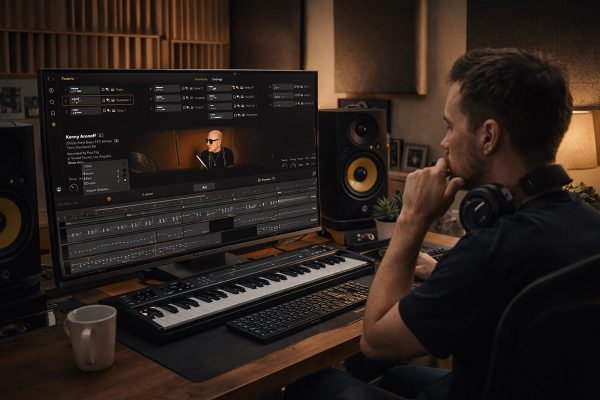
There used to be a simple rule in the music business. If you wanted more reach, you needed more people. A label. A manager. A publicist. A radio plugger. A street team. A content person. A marketing assistant. Maybe even somebody whose whole job was just following up on emails you forgot to answer.
That old system did not disappear because it got fair. It disappeared because it got too expensive, too centralized, and too slow for the average independent artist. The jobs are still there. The work still has to get done. The difference is that now the artist is usually the one doing all of it.
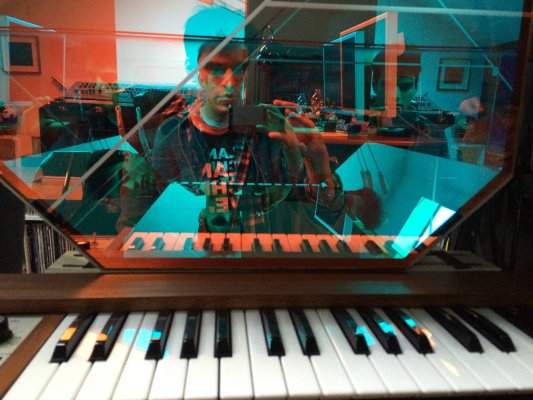
That is where the idea of an AI twin gets interesting.
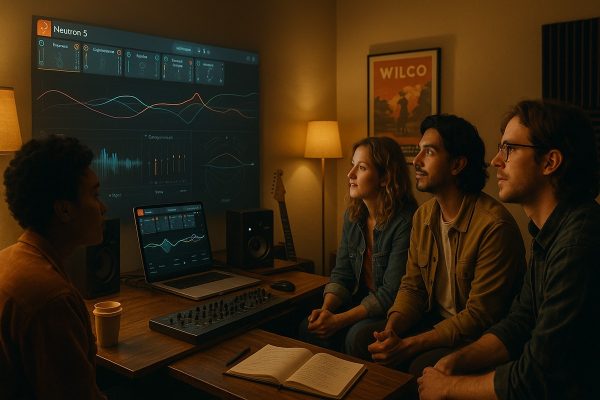
EQ-Based Gating: The Smart Way to Leave Space in a Mix Without Killing the Music
Listen to the Podcast Discussion
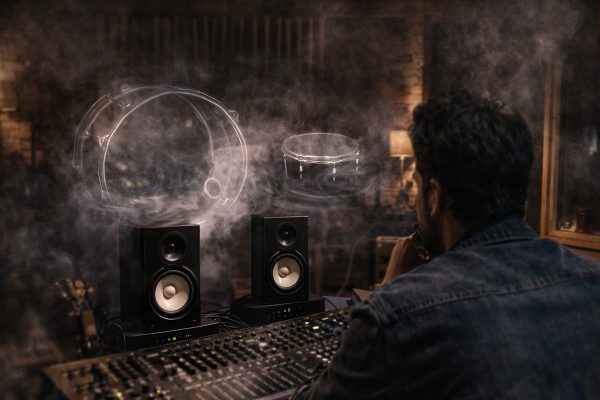
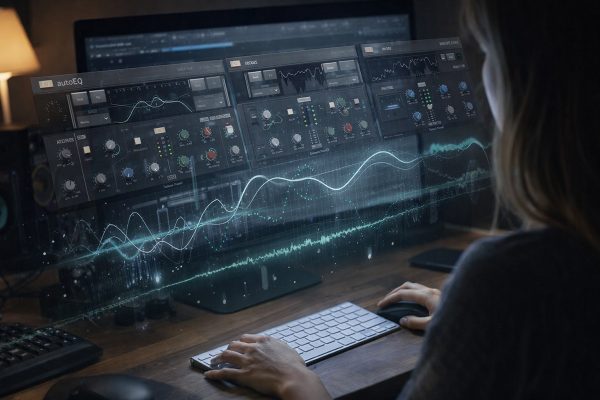
There is a point in almost every mix where the fight starts. The vocal wants the center. The guitars want width. The bass wants weight. The kick wants authority. The toms want to sound huge for three moments in the song and then politely disappear before they turn the whole bottom end into a muddy parking lot. This is the part where a lot of home studio mixers either over-EQ everything until the track sounds skinny, or they give up and let the arrangement stay crowded. EQ-based gating is the move that lives in between those two bad decisions.
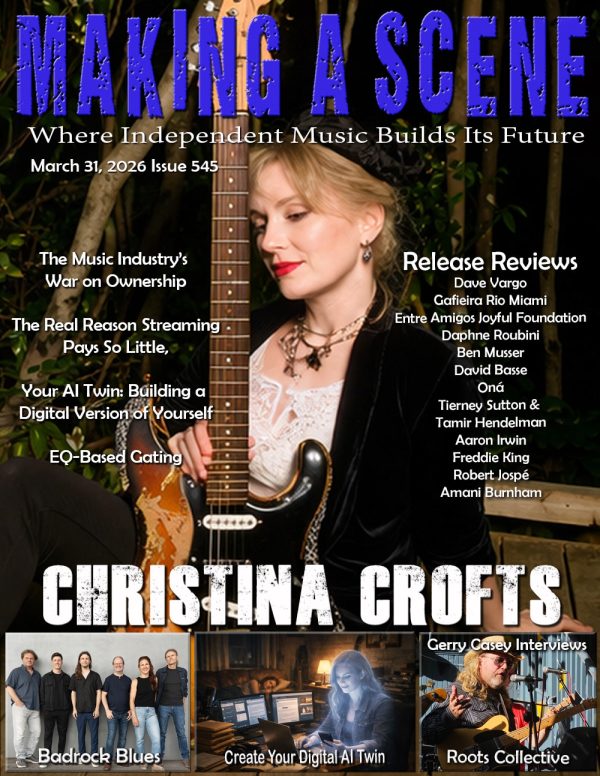
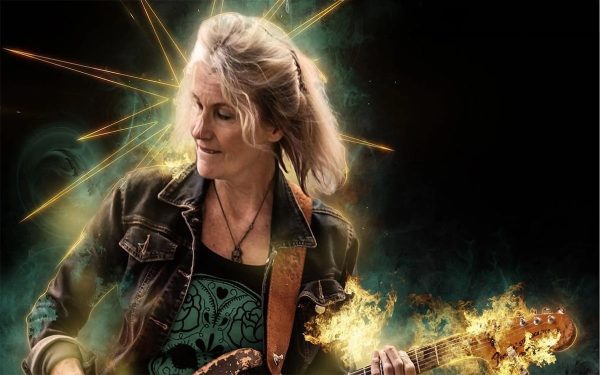
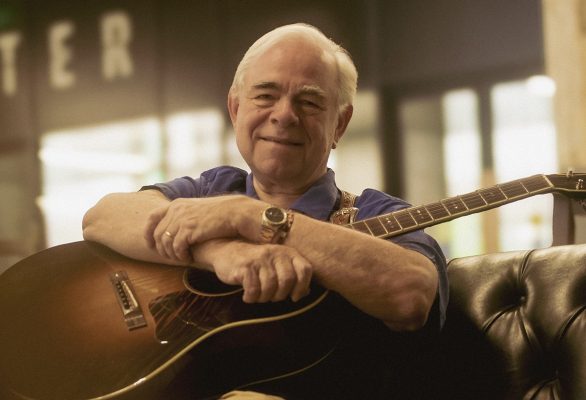
Christina Crofts is a singer, songwriter, guitarist, and slide guitarist—and a true veteran of Australia’s blues and rock scene. Known for her uncompromising bottleneck tone and a “big sound” that far exceeds her small frame, Crofts has spent years building a reputation as one of the country’s most commanding live performers and distinctive slide players.
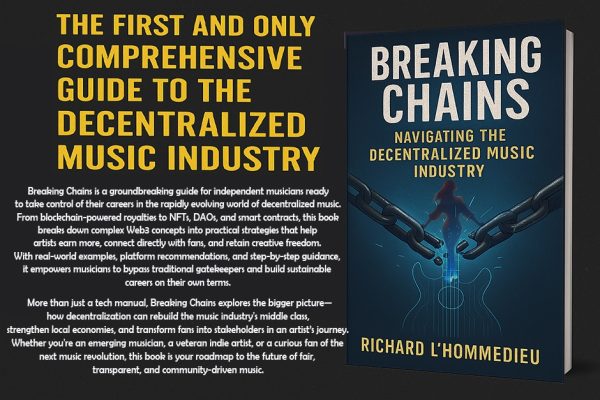
Tired of streaming pennies while gatekeepers cash in?
It’s time to take back control.
🔥 Now Available in Kindle, Paperback, and Hardcover.
⚡ Exclusive Collector’s Run: Only 50 hand-numbered, signed editions exist. When they’re gone, they’re gone forever.
👉 Claim your copy today—and take your place in the future of indie music.
“Breaking Chains” is a timely and insightful exploration of how decentralization is reshaping the music industry. Richard L’Hommedieu draws on deep industry knowledge to examine the shifting balance of power between artists, labels, and digital platforms. The book offers both a critique of the traditional music business and a roadmap for musicians seeking independence in a rapidly evolving landscape. With clear explanations and practical strategies, L’Hommedieu empowers readers to understand blockchain, streaming economics, and new models of ownership. More than just a guide, it’s a call to artists to reclaim control of their work and careers. A must-read for musicians, managers, and anyone curious about the future of music."