|
The #1 Resource for the Indie Artist and the Fans that Love them |
| |
|
 |
|
Under Attack! |
Our site was hit with a cyber attack traced back to Singapore. Because of this, I had to set up a Cloudflare account to protect MakingAScene.org from future attacks and keep the site online for our readers and artists. While this step gives us stronger security, it also raises the costs of running the site. Making A Scene has always been about supporting the indie music community without paywalls or clickbait, but now we could use your support.
If you value what we do and want to help us keep going strong, please consider donating. Every bit makes a difference.
👉 You can donate via PayPal: [email protected]
Thank you for standing with us and helping keep Making A Scene alive and independent. |
|
|
| |
 |
|
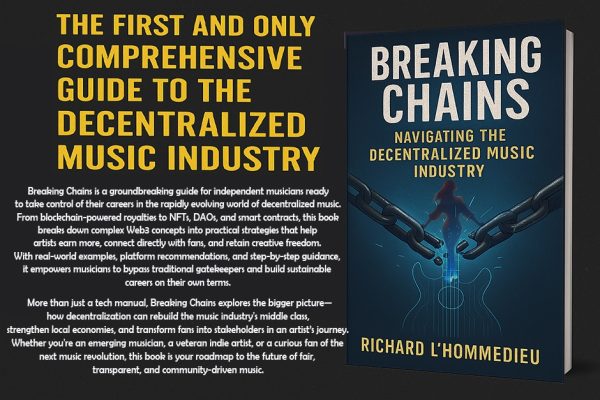
The Book They DON'T Want you to Read!! |
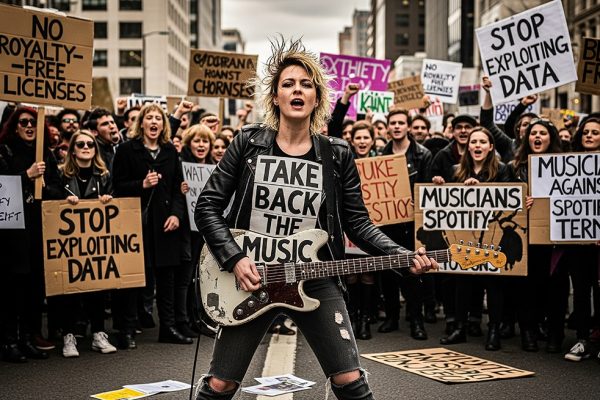
Tired of streaming pennies while gatekeepers cash in?
It’s time to take back control.
🔥 Now Available in Kindle, Paperback, and Hardcover.
⚡ Exclusive Collector’s Run: Only 50 hand-numbered, signed editions exist. When they’re gone, they’re gone forever.
👉 Claim your copy today—and take your place in the future of indie music.
“Breaking Chains” is a timely and insightful exploration of how decentralization is reshaping the music industry. Richard L’Hommedieu draws on deep industry knowledge to examine the shifting balance of power between artists, labels, and digital platforms. The book offers both a critique of the traditional music business and a roadmap for musicians seeking independence in a rapidly evolving landscape. With clear explanations and practical strategies, L’Hommedieu empowers readers to understand blockchain, streaming economics, and new models of ownership. More than just a guide, it’s a call to artists to reclaim control of their work and careers. A must-read for musicians, managers, and anyone curious about the future of music."
Suz Holmes -Blue Note West
|
|
|
| |
 |
|
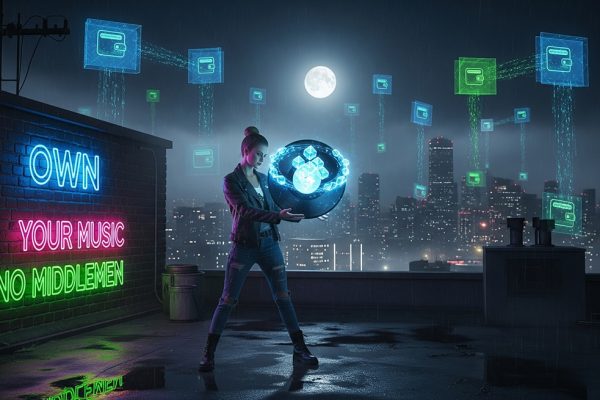
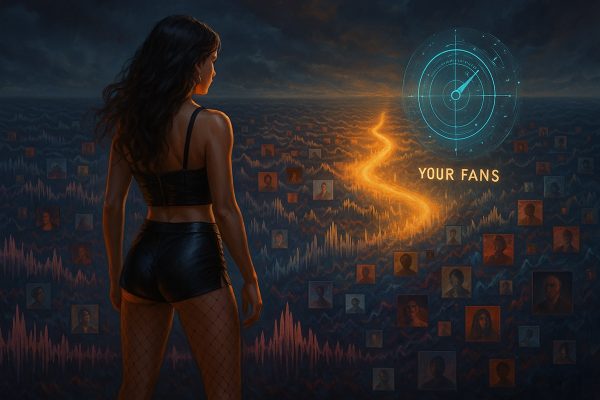
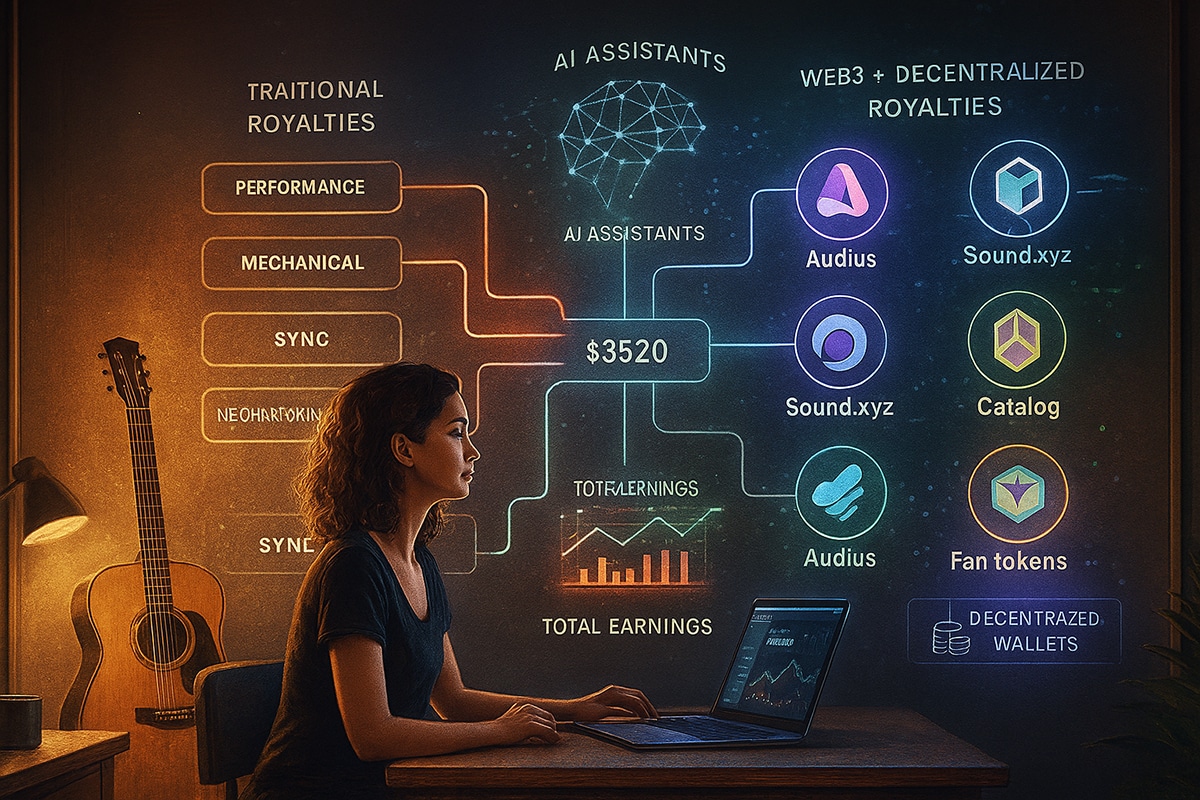
Follow the Money: How Indie Musicians Can Collect Every Dollar They’re Owed (and Use AI + Web3 to Get Even More) |
|
So you’ve finally dropped your new single. The mix sounds tight, the artwork is on point, and you’ve hit “distribute.” Feels amazing, right? But here’s the thing — releasing a song doesn’t automatically mean you’ll get paid for it. In fact, most indie musicians never see a big chunk of the money they’ve actually earned because they don’t know where to look or how to collect it.
|
|
|
| |
Video of The Week
"Did you see Judy?"
|
| |
 |
|
AI for Email & Direct-to-Fan Communication: How to Use AI to Write Emails Fans Actually Want to Read |
|
If you’re an indie artist, chances are you’ve heard a dozen times that you need to “start an email list.” Maybe you’ve even dabbled in it: pasted some show dates into Mailchimp, blasted it to everyone who signed up, and hoped for the best. But let’s be honest—most musicians don’t stick with email because the process feels clunky and the results underwhelming. |
|
|
| |
 |
|
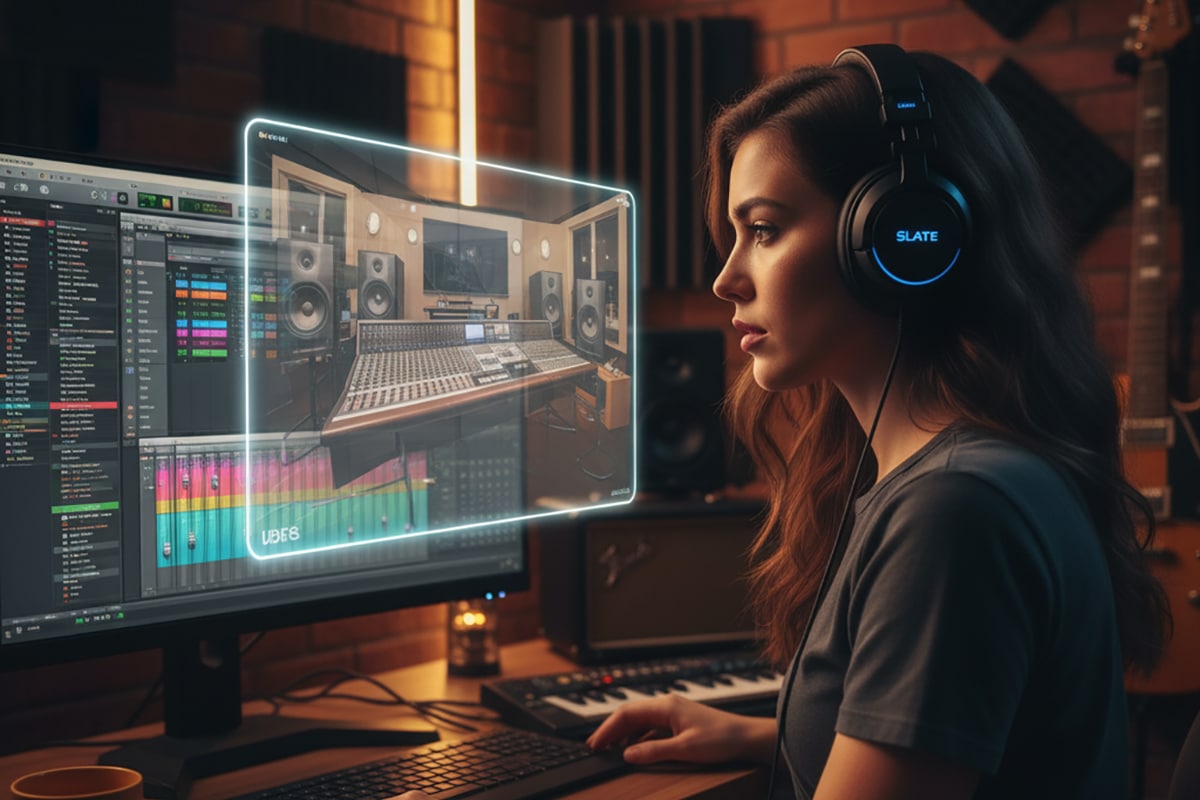
Slate Digital VSX Headphone System: A Deep Dive Review |
|
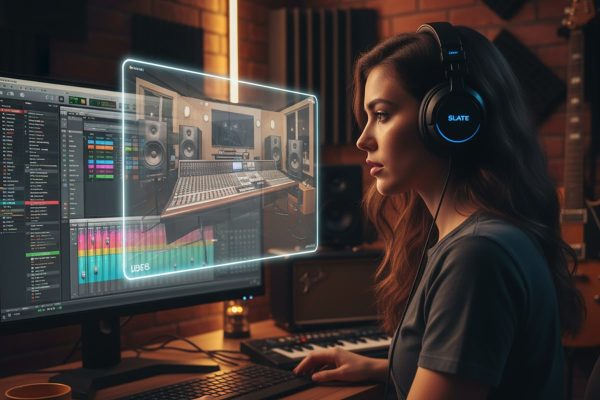
I want to start this review with something important: I bought these headphones myself. I didn’t get an endorsement, a discount, or a sponsorship. This review is based on my own money, my own time, and my own ears. That matters because when you’re spending hundreds of dollars on a piece of gear, you need an honest perspective—not marketing fluff. |
|
|
| |
 |
|
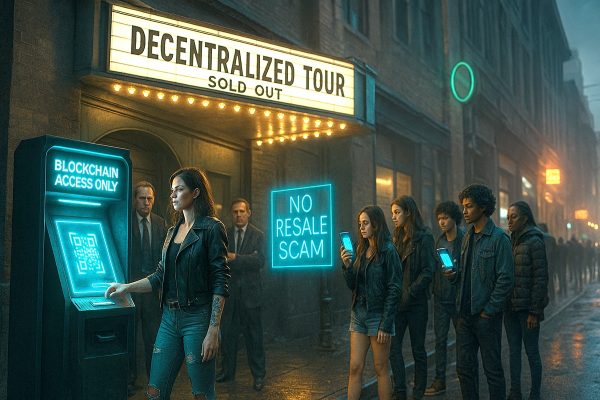
The Indie Artist’s Guide to Token Gating: How to Turn Fans into VIP Insiders |
|
Let’s start with the basics. A “token” in this context is usually a digital asset on a blockchain — often an NFT (non-fungible token). Think of that token like a golden ticket. If someone holds that token, they get special privileges: access to a hidden chat, a private webpage, or a live stream. If they don’t hold the token, they can’t enter. |
|
|
| |
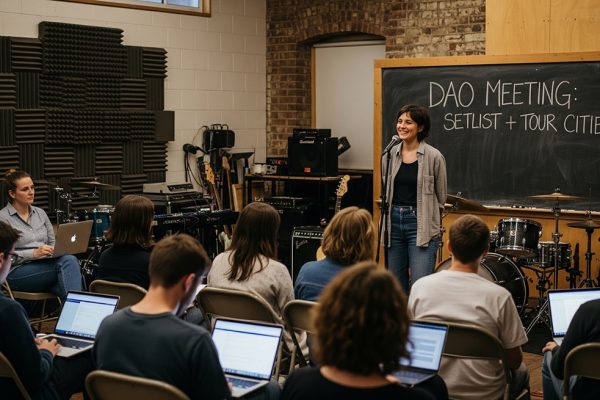
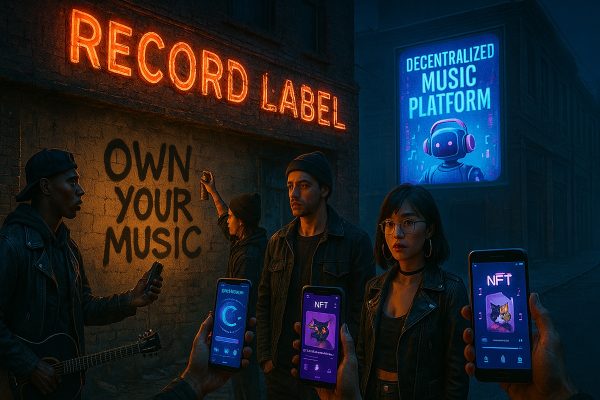
Understanding the Decentralized Music Industry
This is our series to help indie artists understand the future of the music industry through decentralization. |
| |
|
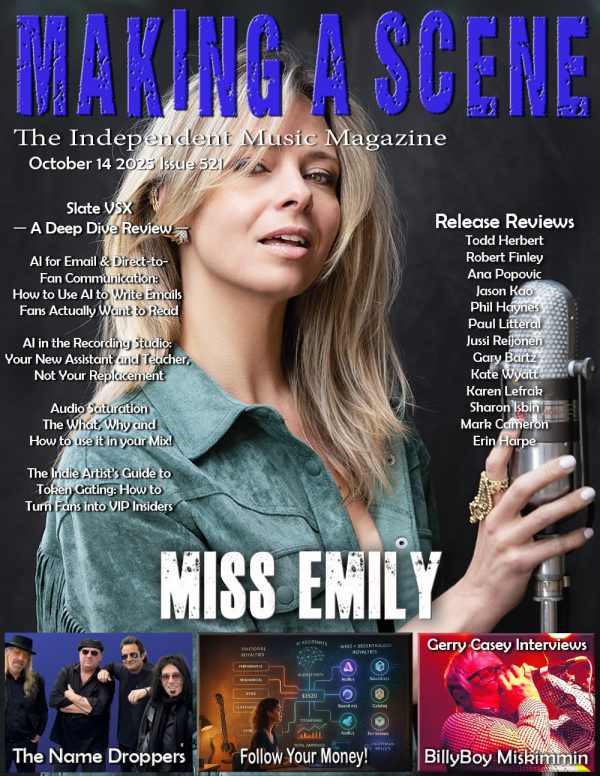
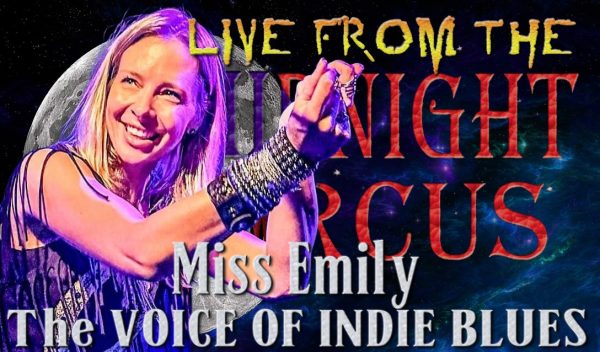
Miss Emily
Hold Back the River |
| |
 |
|
Our Cover Artist Miss Emily |
|
Back in the 1990s, twelve-year-old Emily Fennell from Prince Edward County, Ontario was already turning heads at county fairs, winning one singing competition after another. While other contestants played it safe with songs like “Somewhere Over the Rainbow” or “I Will Always Love You,” Emily stopped audiences in their tracks with K.D. Lang’s haunting version of Patsy Cline’s “Three Cigarettes in an Ashtray.” That bold choice — and the spellbinding performance that came with it — said almost everything about the artist she would become. She had a voice that demanded attention, a fearless approach to music, and an instinct to take creative risks. |
|
|
| |
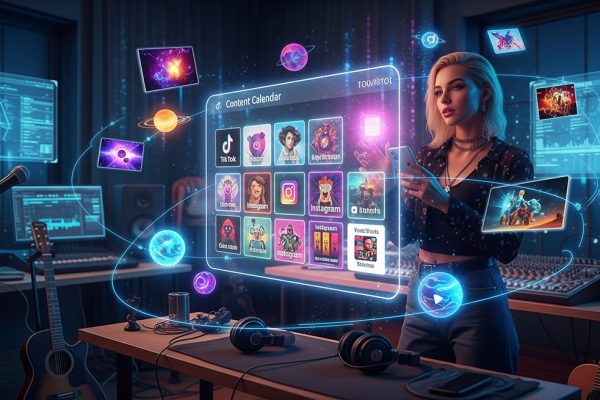
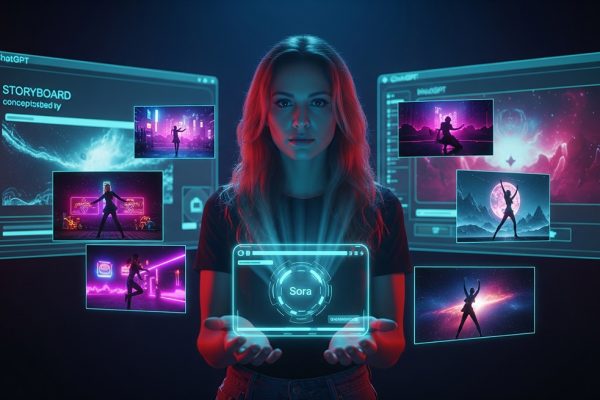
Using AI To Market your Music |
| |
 |
|
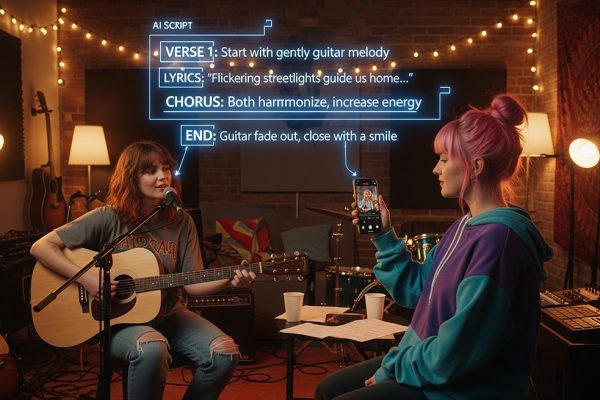
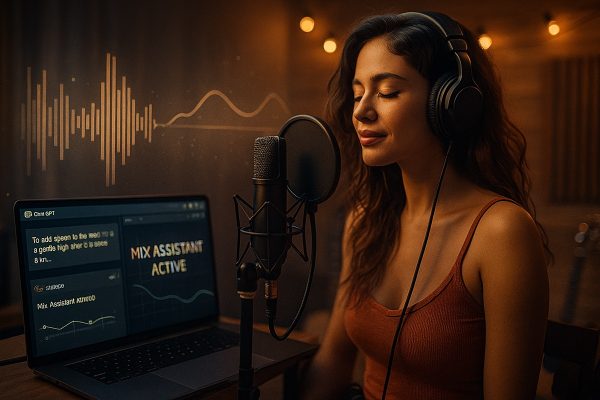
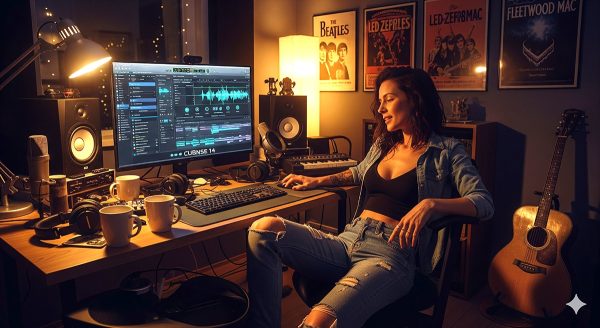
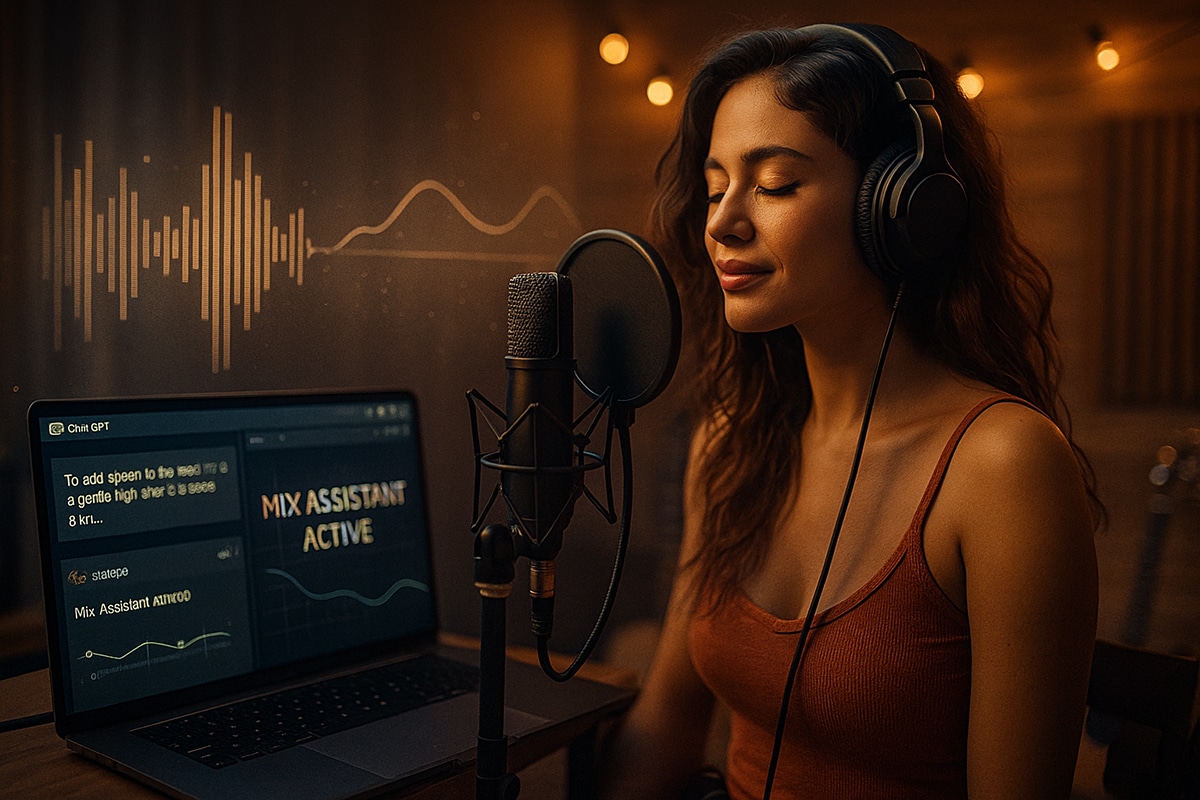
AI in the Recording Studio: Your New Assistant and Teacher, Not Your Replacement |
|
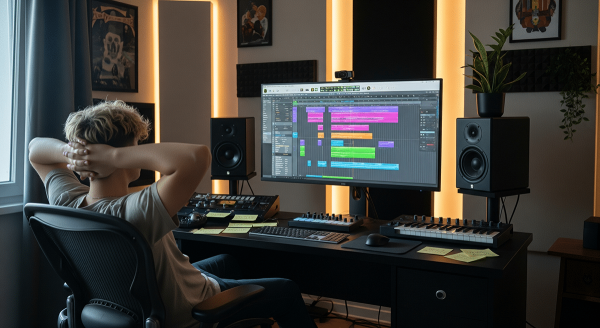
Recording music has never been more accessible. What once required a massive studio full of expensive gear can now be done in a spare bedroom with an affordable DAW, a good mic, and a decent computer. Programs like Studio One (https://www.presonus.com/studioone), Cubase (https://new.steinberg.net/cubase/), Logic Pro (https://www.apple.com/logic-pro/), and BandLab (https://www.bandlab.com/) give indie artists powerful tools for multitrack recording, editing, and mixing—often for a fraction of what a single day in a commercial studio used to cost. But there’s one thing you can’t buy: experience. That deep, intuitive sense of how to balance a mix, shape a vocal, or make a kick drum sit perfectly in the pocket comes from years of trial, error, and critical listening. |
|
|
| |
 |
|
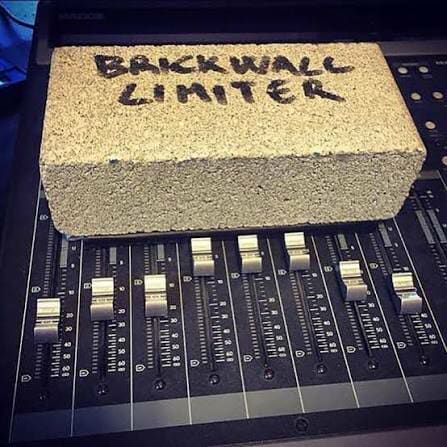
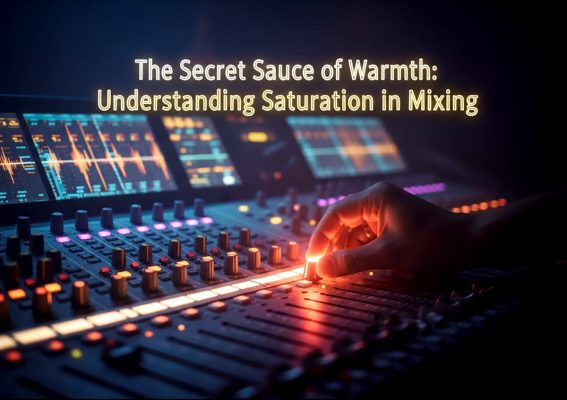
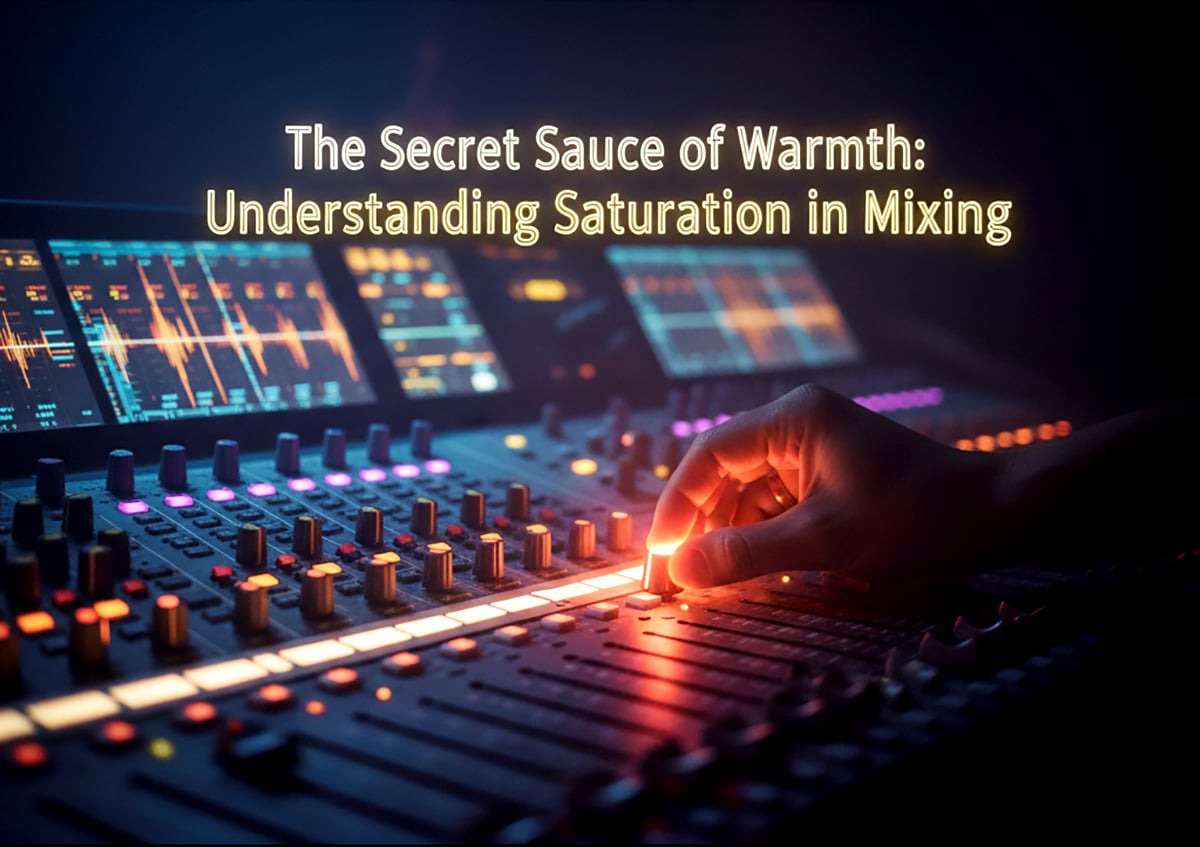
Audio Saturation – The What, Why and How to use it in your Mix! |
|
Imagine you have a clean audio recording—say, a vocal track. Saturation is the process of gently overdriving that signal so that subtle distortion or harmonic content is added. The distortion is not harsh like a guitar’s heavy fuzz; it’s softer, more musical, more “warm feeling.” It gives extra harmonics (that is, extra tones above the original tone) and compresses peaks slightly. In early analog days, engineers would push tape machines, tube amplifiers, or transistor circuits beyond their “clean” range. The equipment would “clip” or distort a bit—but in a pleasing way. That effect is what we emulate now digitally. |
|
|
| |
|
On the Road and in the Studio |
| |
 |
|
ARE YOU MAKING A SCENE! |
Let us show you how!
Making a Scene is Now Part of the Google News Network! All of our content now streams directly to Google News Daily!
We average over 8 million page reads a month! Making a Scene is a multi-genre music magazine that brings you a diverse readership. We post new content every Day!
Don't you think it's about time that YOU Start Making a Scene! |
|
|
| |
 |
|
Buy us a Cup of Coffee |
Help us support Indie Artists and the Fans that Love them!
Become a Patron of Making a Scene! (We Drink Alot of Coffee!!)
If 10% of our subscribers donated $1 a month we could run this site 100% ad Free!!
|
|
|
| |
Add some images to your gallery | |
|