Listen to the Podcast Discussion to gain more insight into Touring Like a Pro!
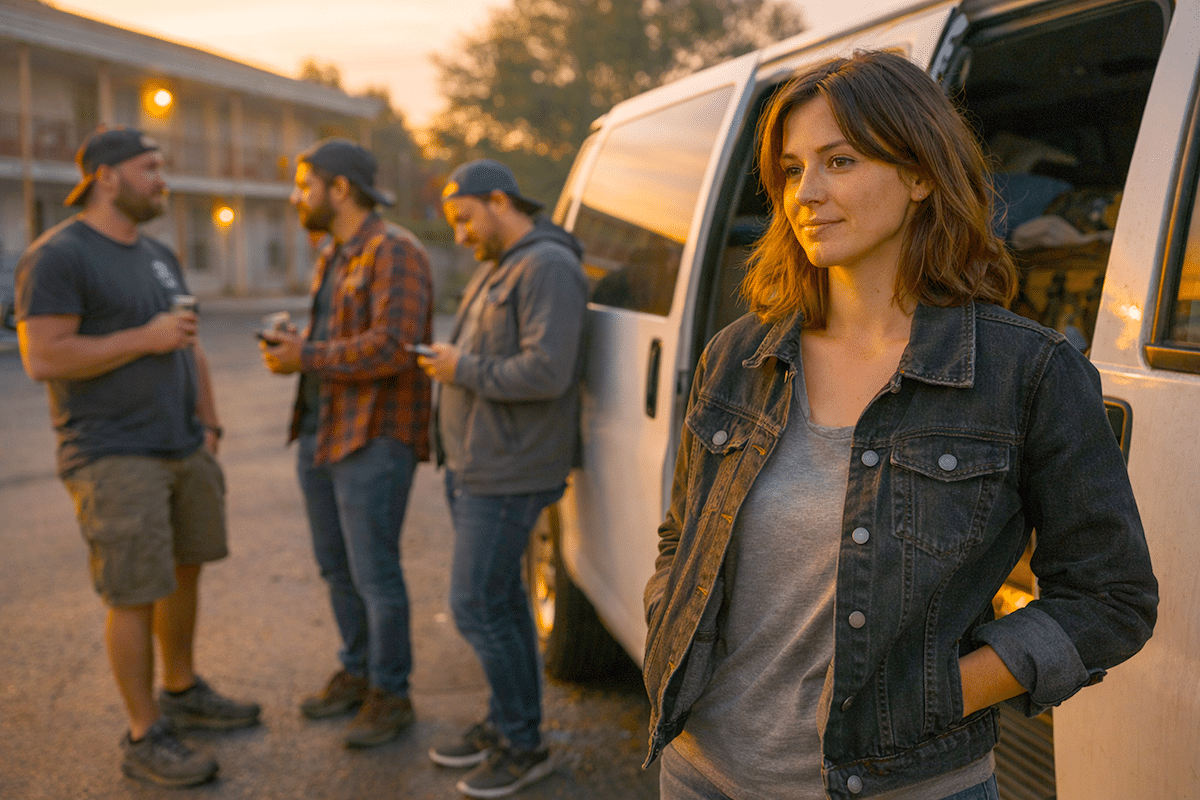
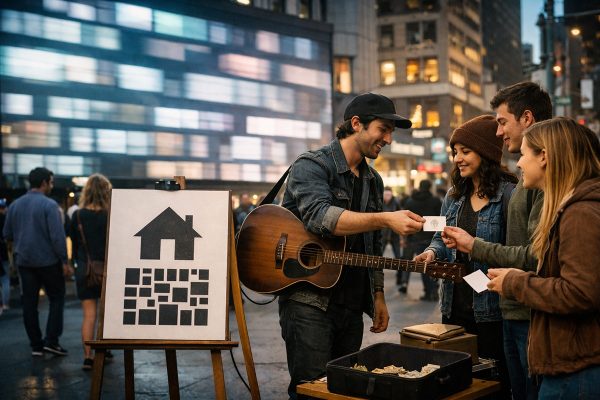
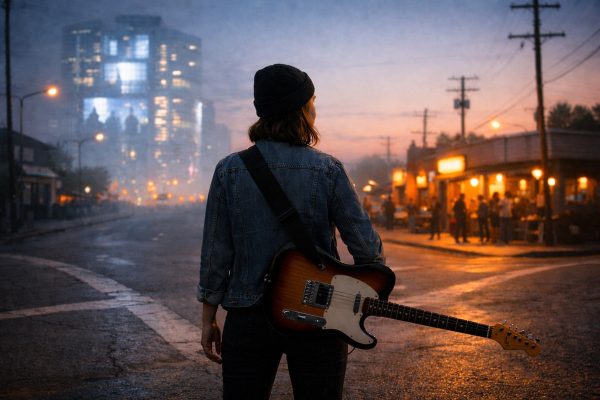
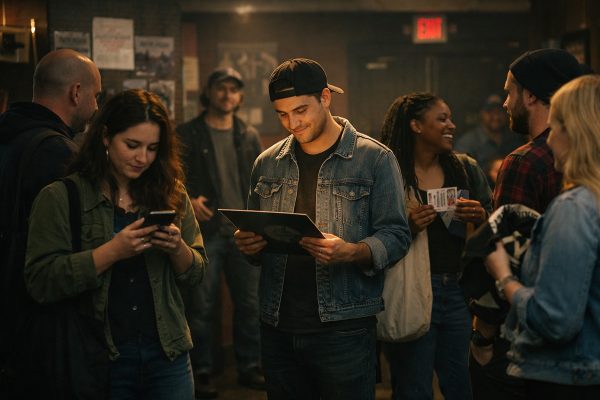
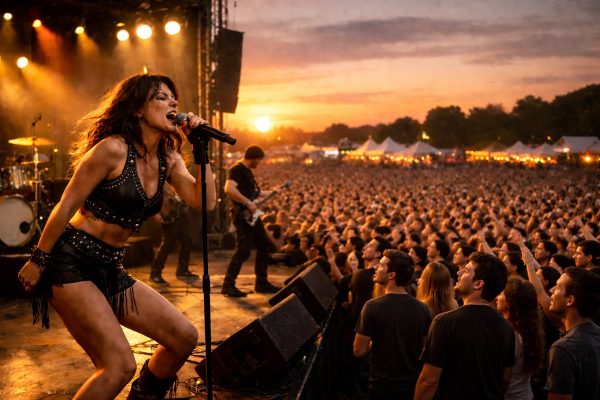
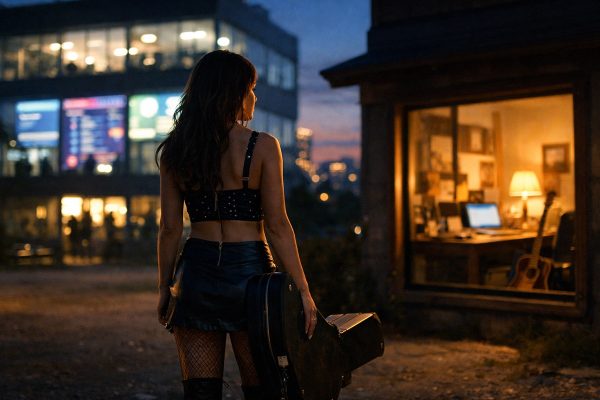
Every spring, touring season rolls in like a weather front. The calendars fill up, festivals come back to life, and venues start answering emails a little faster. And every spring, the same truth shows up right behind it: if you want a real career as a musician—solo artist or full band—the job is performing. The job is the road. The job is showing up over and over until strangers become fans, fans become supporters, and supporters become the foundation of a life in music.
Listen to the Podcast Discussion about how we can break the Cycle
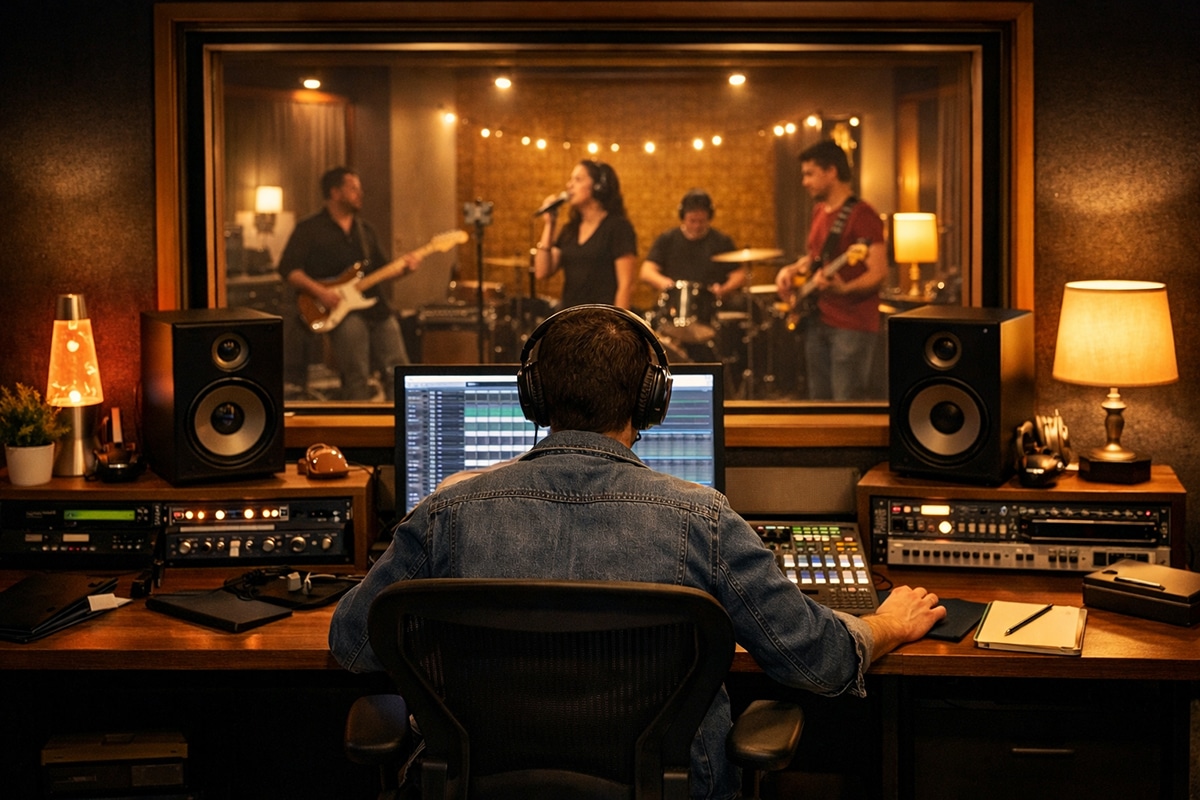
THE NIGHT AFTER THE EXPORT - The song is done. The mix is printed. The master is bouncing. For a few seconds, you get that clean feeling that only musicians understand. You made something that didn’t exist yesterday, and now it does.
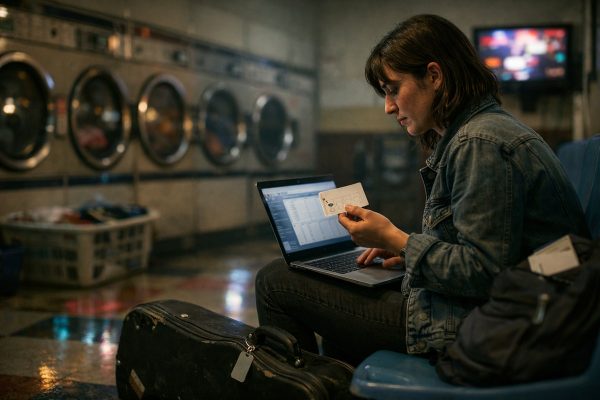
Then you open the upload screen and the second job starts.
Listen to the Podcast Discussion to Gain More Insight into creating a local Music Scene
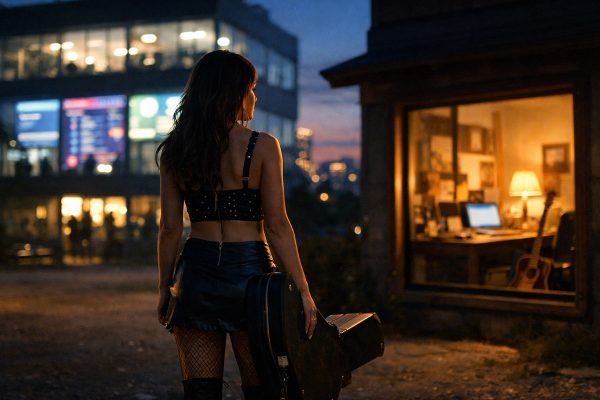
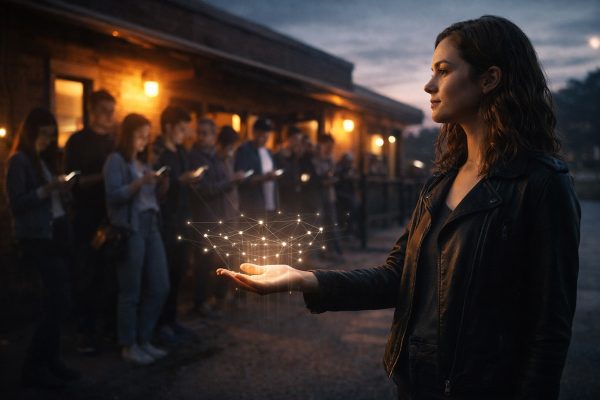
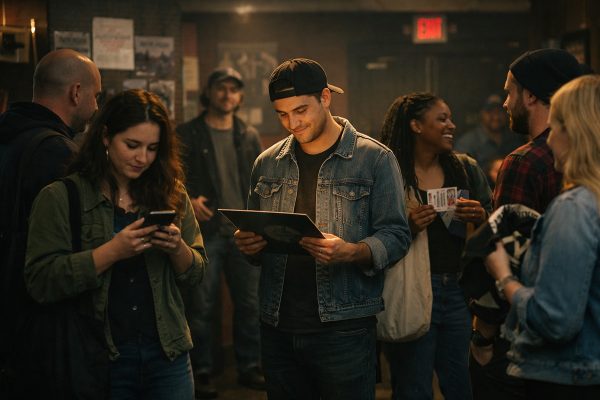
If you’re waiting for your local scene to “come back,” you might be waiting a long time.
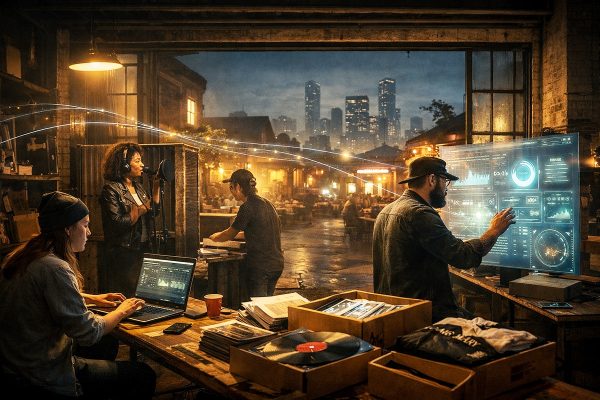
That’s not because your town stopped caring about music. It’s because the pandemic didn’t just shut down venues. It broke habits. It changed what people consider “worth leaving the house for.” It raised costs for everybody. It made small rooms more fragile. It also trained a lot of artists to aim their whole career at the internet, even though the internet is the worst place to build the kind of trust that turns strangers into regulars.
Listen to the Podcast Discussion for more insight into the Productive Home Studio
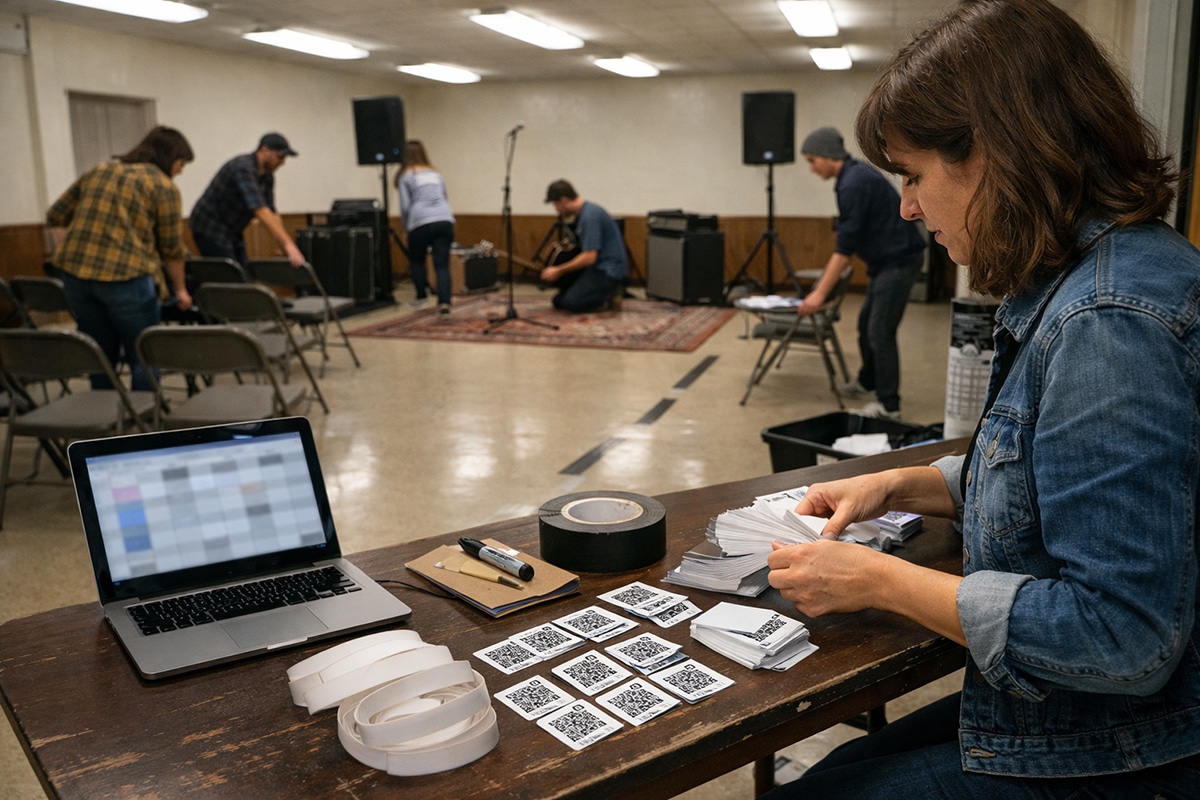
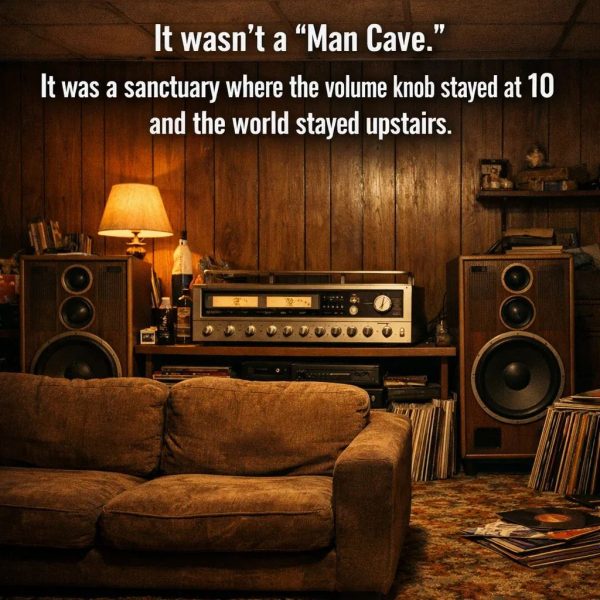
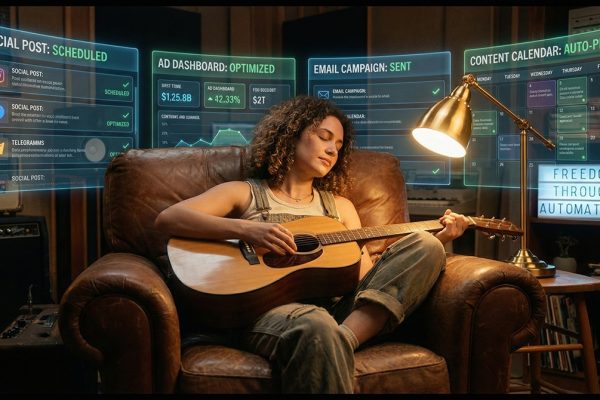
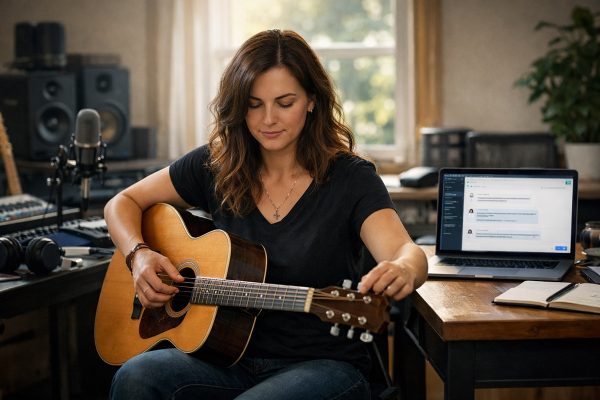
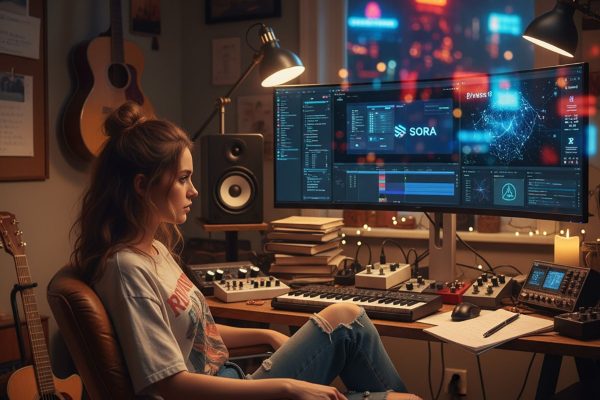
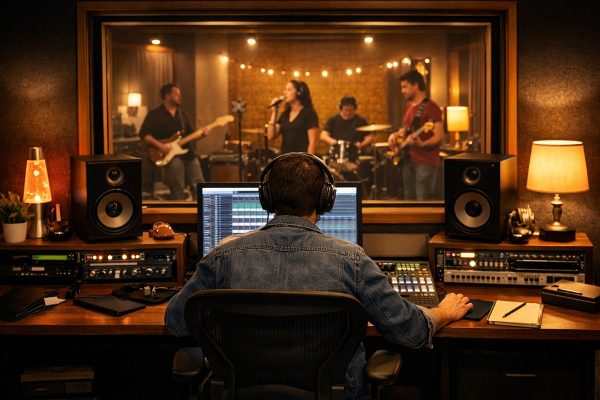
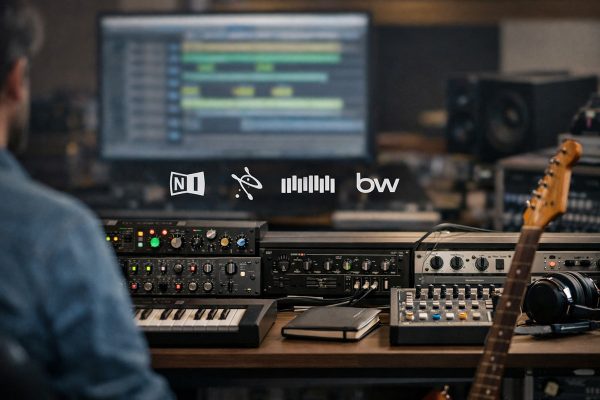
The home studio looks like a room, but it behaves like a brain. It remembers what you do in it. It trains you through tiny cues. It rewards you for finishing. It punishes you for drifting. And if you’re a working artist, it can either become a quiet engine that prints masters and income, or a beautiful trap that keeps you “busy” forever without shipping a thing.
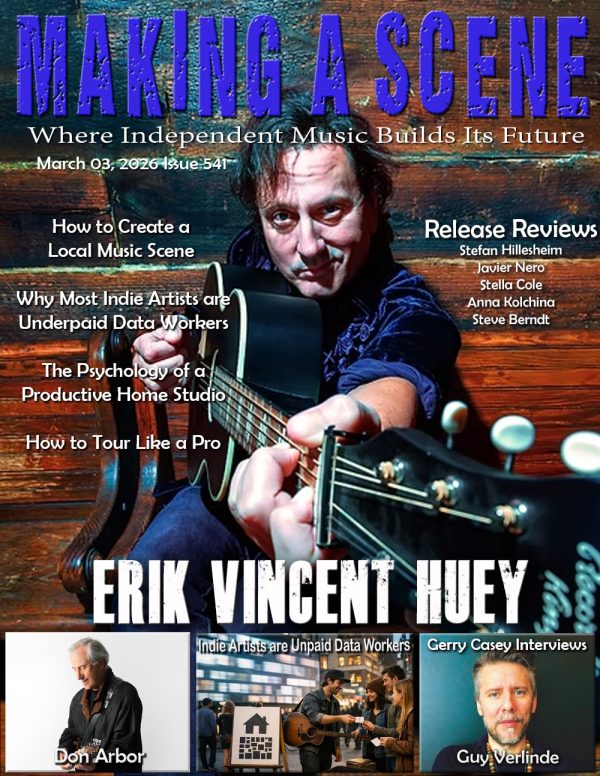
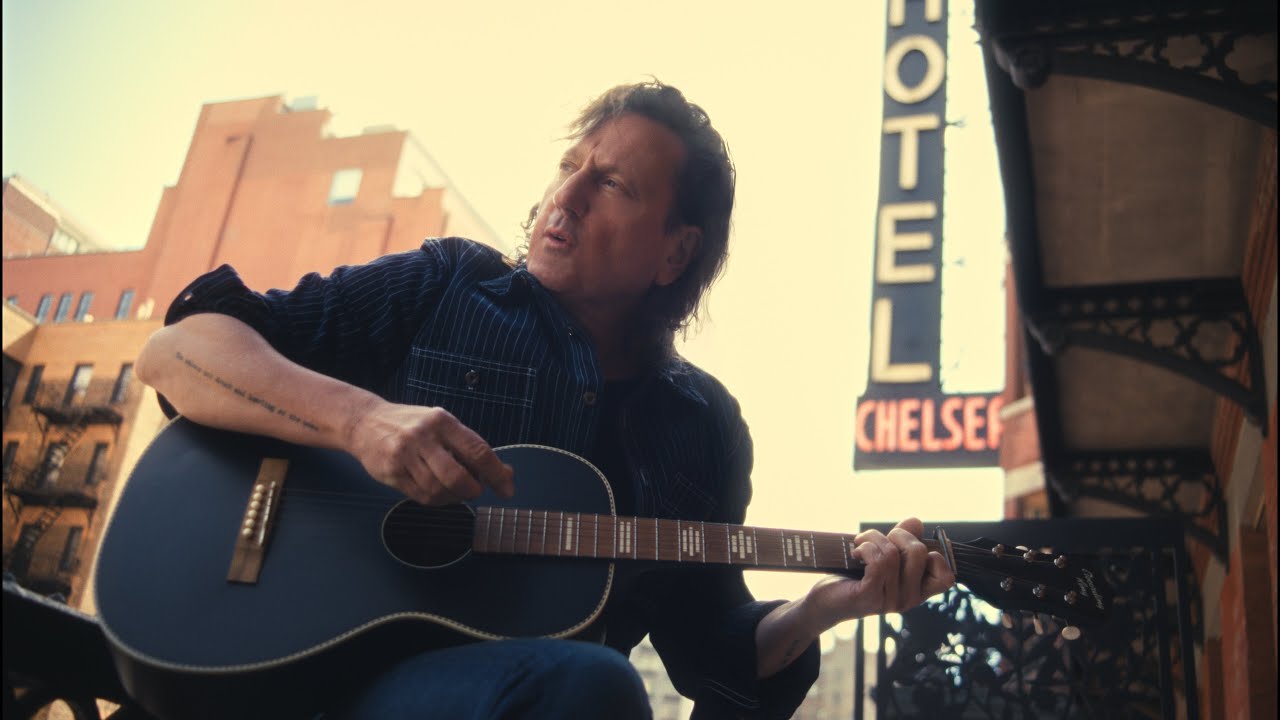
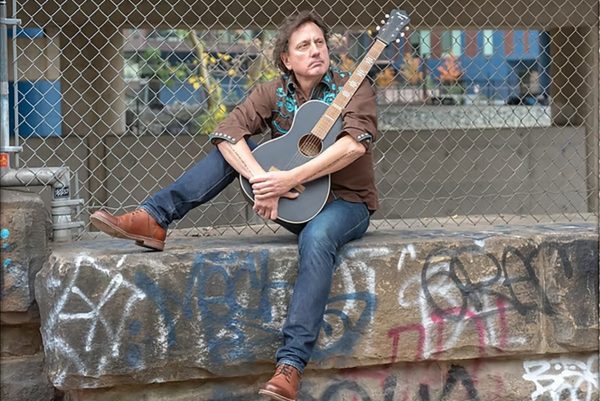
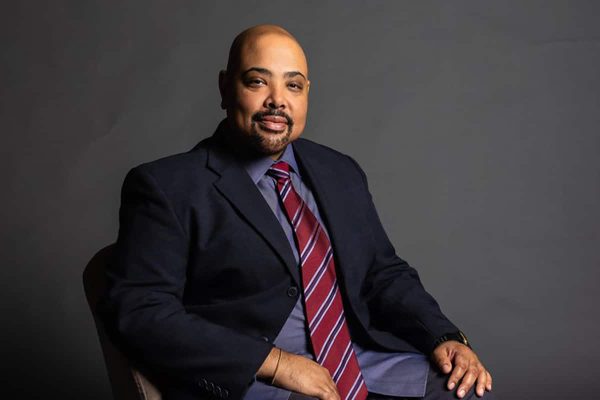
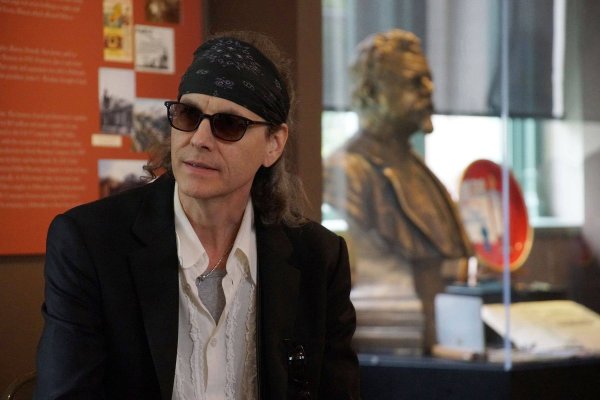
Erik Huey grew up along the Monongahela River in West Virginia and Western Pennsylvania, the son of four generations of coal miners. That background runs deep in both his life and his music. He was raised in a world shaped by working-class struggle, Appalachian tradition, and the kind of hard-earned perspective that never really leaves you. At the same time, he came of age blasting punk bands like The Clash, X, and the Sex Pistols, absorbing their raw energy, rebellion, and refusal to play by the rules.
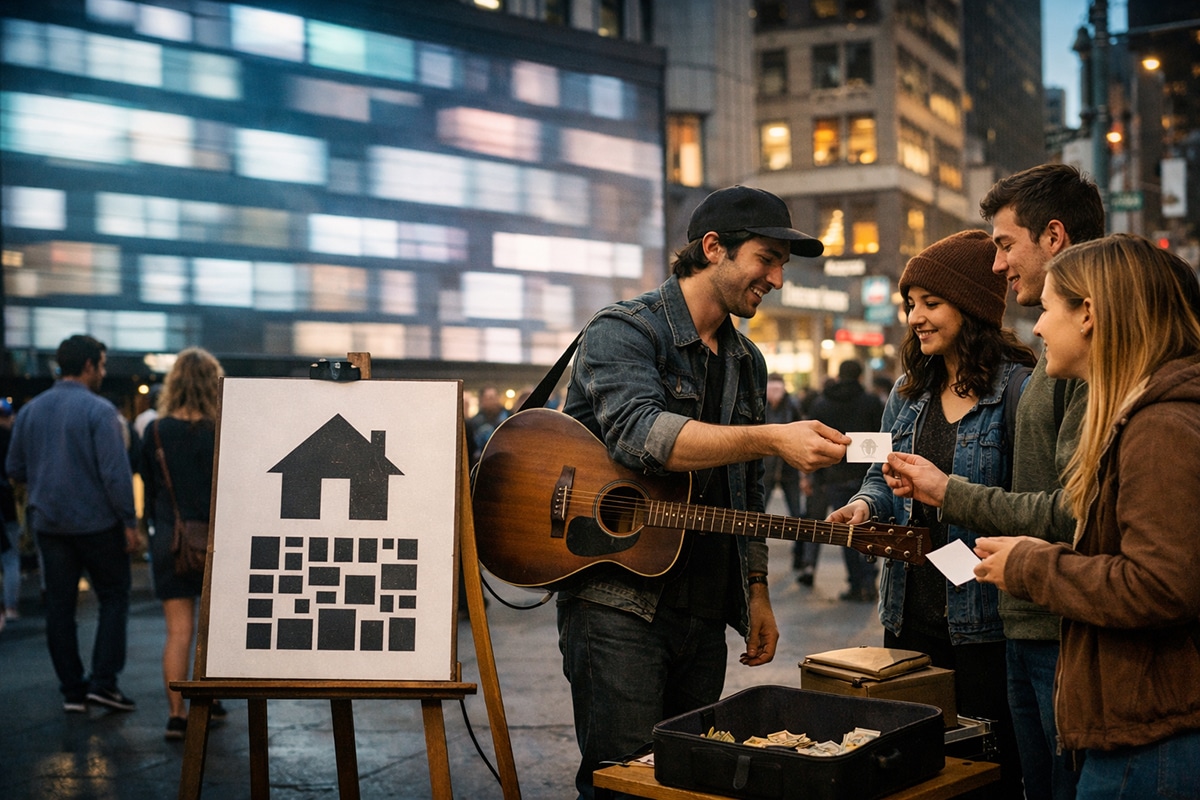
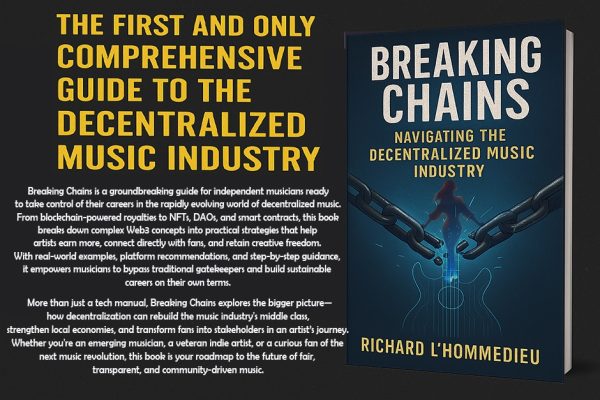
Tired of streaming pennies while gatekeepers cash in?
It’s time to take back control.
🔥 Now Available in Kindle, Paperback, and Hardcover.
⚡ Exclusive Collector’s Run: Only 50 hand-numbered, signed editions exist. When they’re gone, they’re gone forever.
👉 Claim your copy today—and take your place in the future of indie music.
“Breaking Chains” is a timely and insightful exploration of how decentralization is reshaping the music industry. Richard L’Hommedieu draws on deep industry knowledge to examine the shifting balance of power between artists, labels, and digital platforms. The book offers both a critique of the traditional music business and a roadmap for musicians seeking independence in a rapidly evolving landscape. With clear explanations and practical strategies, L’Hommedieu empowers readers to understand blockchain, streaming economics, and new models of ownership. More than just a guide, it’s a call to artists to reclaim control of their work and careers. A must-read for musicians, managers, and anyone curious about the future of music."
A Statement of Commitment to Independent Music Community For 2026
Listen to the Podcast Discussion to see how Making a Scene is going Support the Indie Music Community in 2026
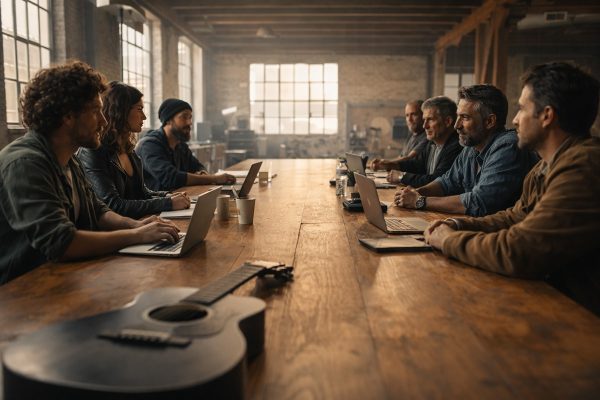
Making a Scene is reaffirming and expanding its commitment to the independent music community with a clear editorial mission: to continue delivering in-depth, practical journali/sm that helps artists take control of their careers instead of asking for permission from systems that were never designed to work in their favor. This commitment is not rooted in trends, hype cycles, or surface-level commentary.
It is grounded in the belief that a healthy music ecosystem depends on a strong, informed, and economically sustainable music industry middle class made up of independent artists who understand both their creative value and their business power.