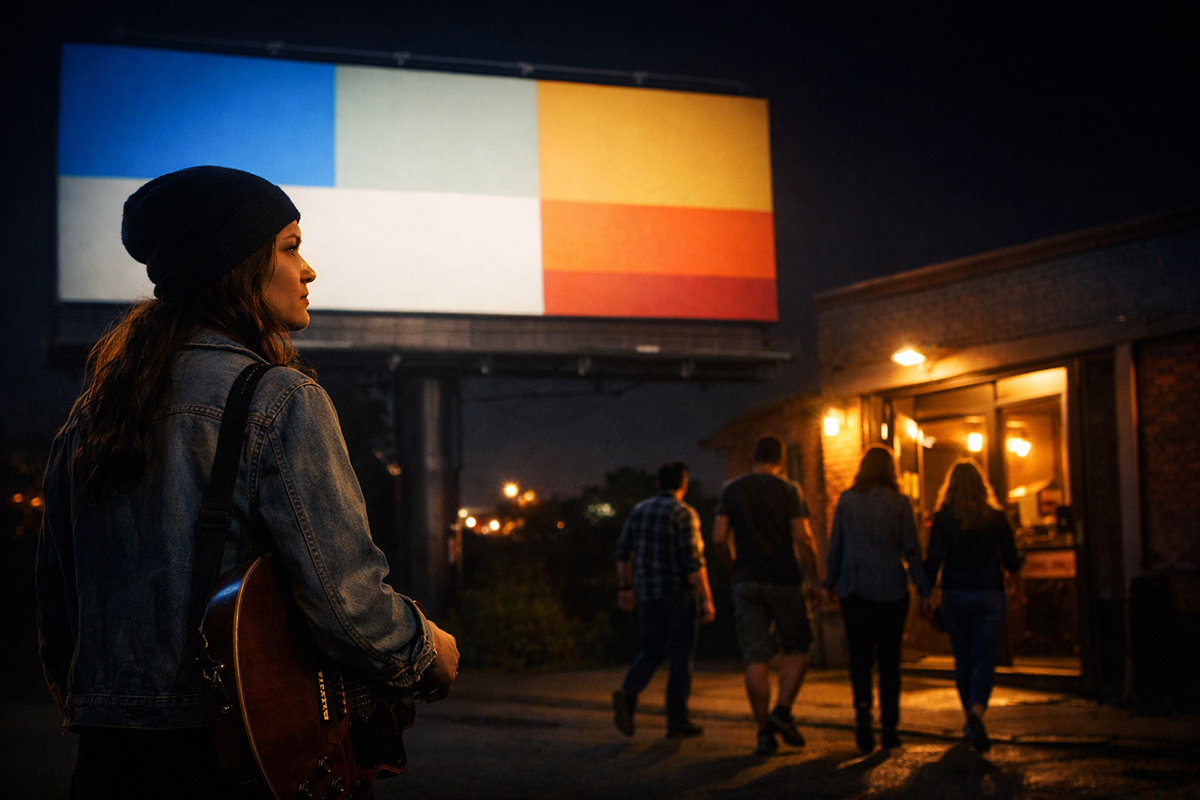
Listen to the Podcast Discussion on Using Spotify as a billboard Not the Building
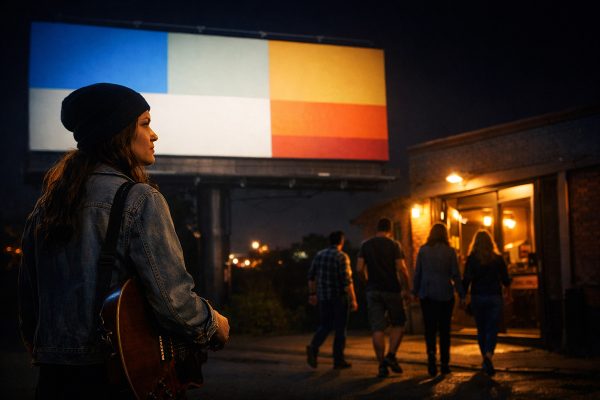
If you’re an indie artist in 2026, you don’t have a “marketing problem.” You have an ownership problem.
Most indie release plans still follow the same tired loop: post the Spotify link everywhere, chase saves, chase playlists, watch a bump happen, then start over next month. It feels like progress because the numbers move. But it’s not leverage, because you still can’t reach the people who listened unless Spotify decides you can.
Spotify isn’t evil. It’s just not your business partner.
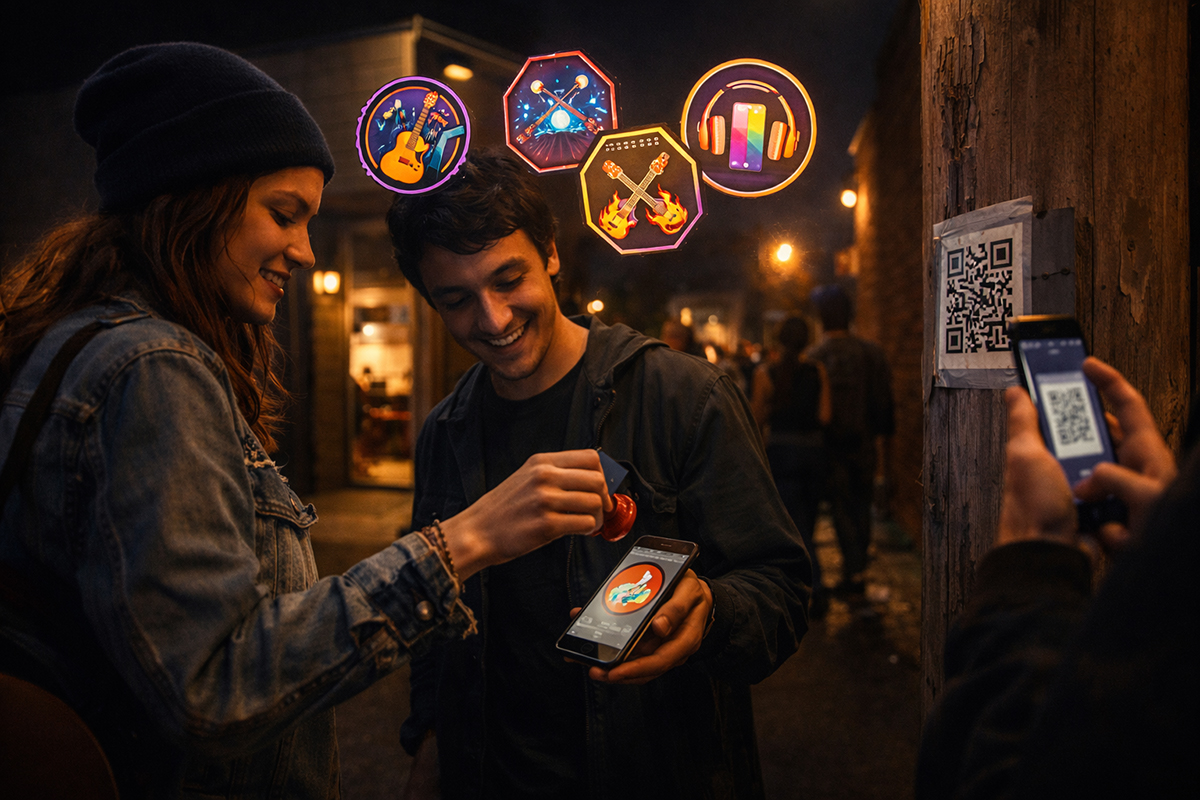
The Weekend Build: How to Set Up an Owned-Fan Machine in 48 Hours
Listen to the Podcast Discussion to Gain insight into creating your Owned Fan Machine!
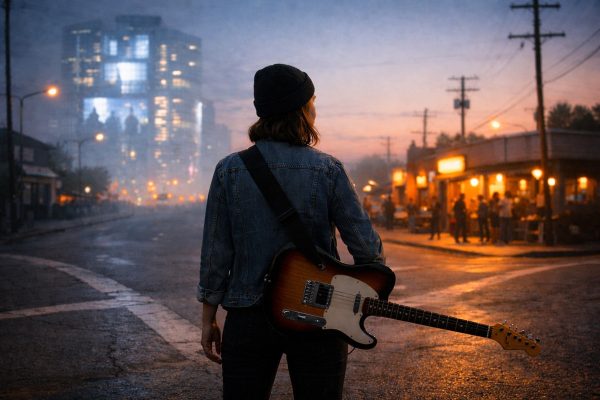
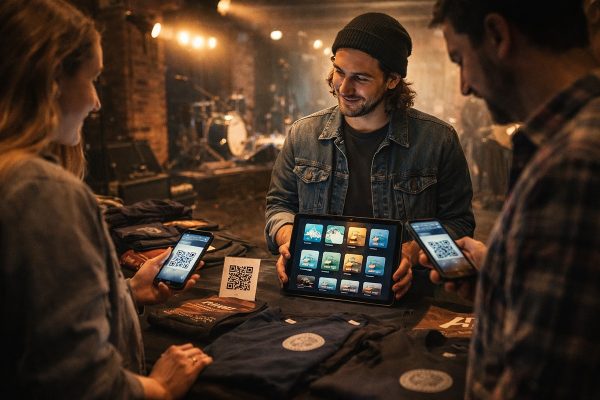
If you want Spotify to be the top of your funnel instead of the end of your funnel, you don’t start by chasing more streams. You start by building a place for listeners to land, a reason for them to stay, and a system that remembers them when they do.
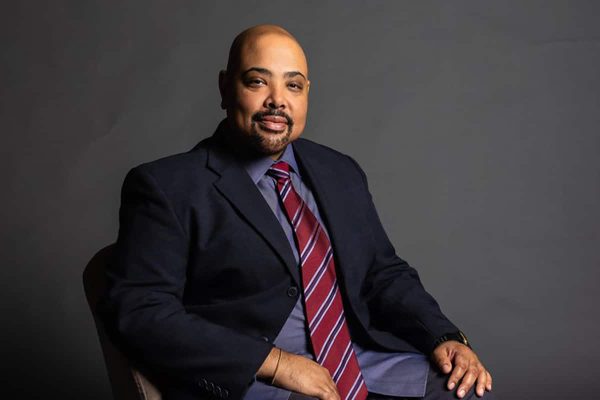
Interview with a Pro – Nadim Rahman and Mario Biferali from Songproof
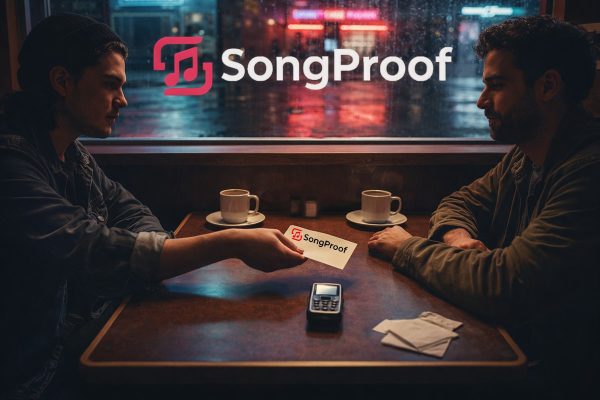
The Receipts Era: Why SongProof Is Showing Up Right When Indie Artists Need It Most
There’s a moment every songwriter knows. You’re in that glow right after the hook finally lands, the verse makes sense, and the demo is “good enough” to send. You export an MP3, you toss it into a text thread, you drop it into an email, you DM it to someone who says they can help.
And then, if you’re honest, your stomach tightens for half a second.
Listen to the Podcast Discussion on Wingman By Mixed in Key
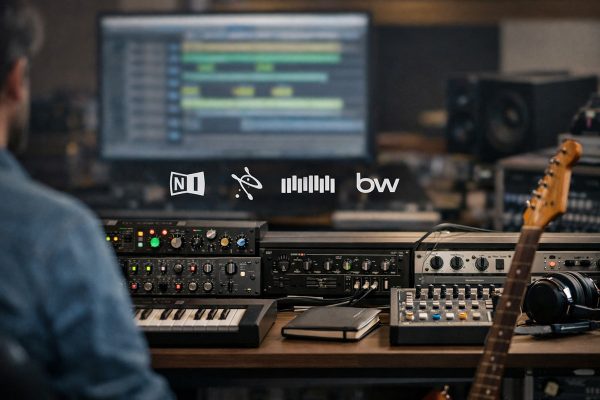
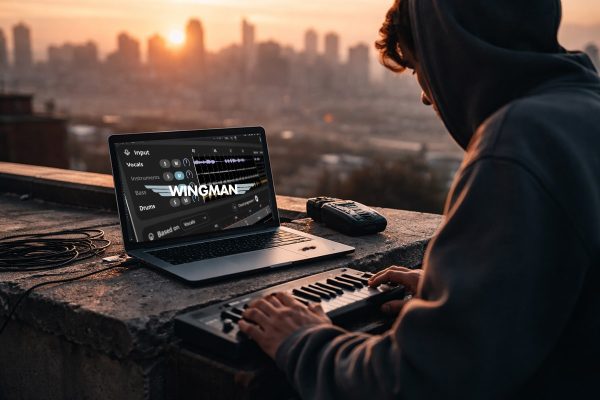
Wingman from Mixed In Key ($79) is built for the modern reality: a lot of great songwriters don’t play piano, don’t play bass, and don’t want to spend three hours hunting for the “right” chord under a vocal idea. Wingman lives inside your DAW as a plugin and listens to the audio you feed it, then suggests chords and basslines that fit what it hears. It also includes AI stem separation and audio-to-MIDI tools that help you pull musical structure out of real-world recordings and turn it into something you can arrange. The headline is simple: it’s an AI idea engine that helps you move from a spark to a usable demo faster, without needing to be a multi-instrumentalist.
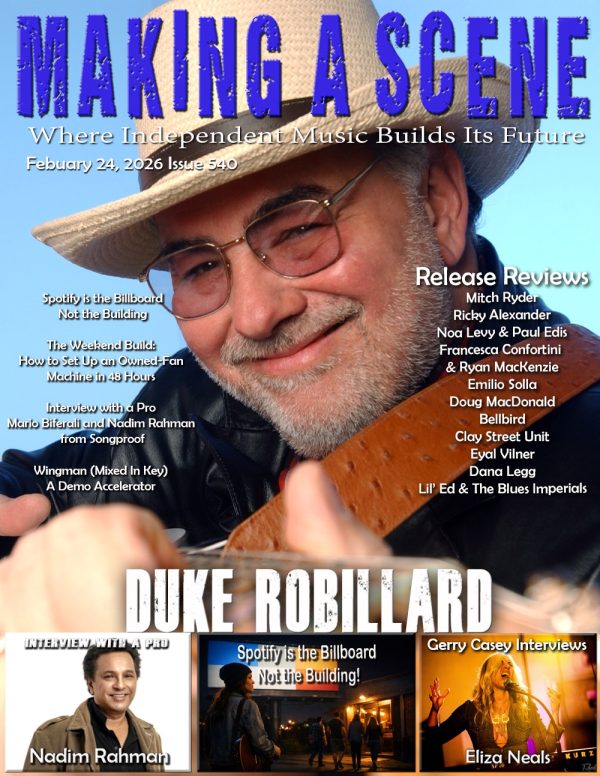
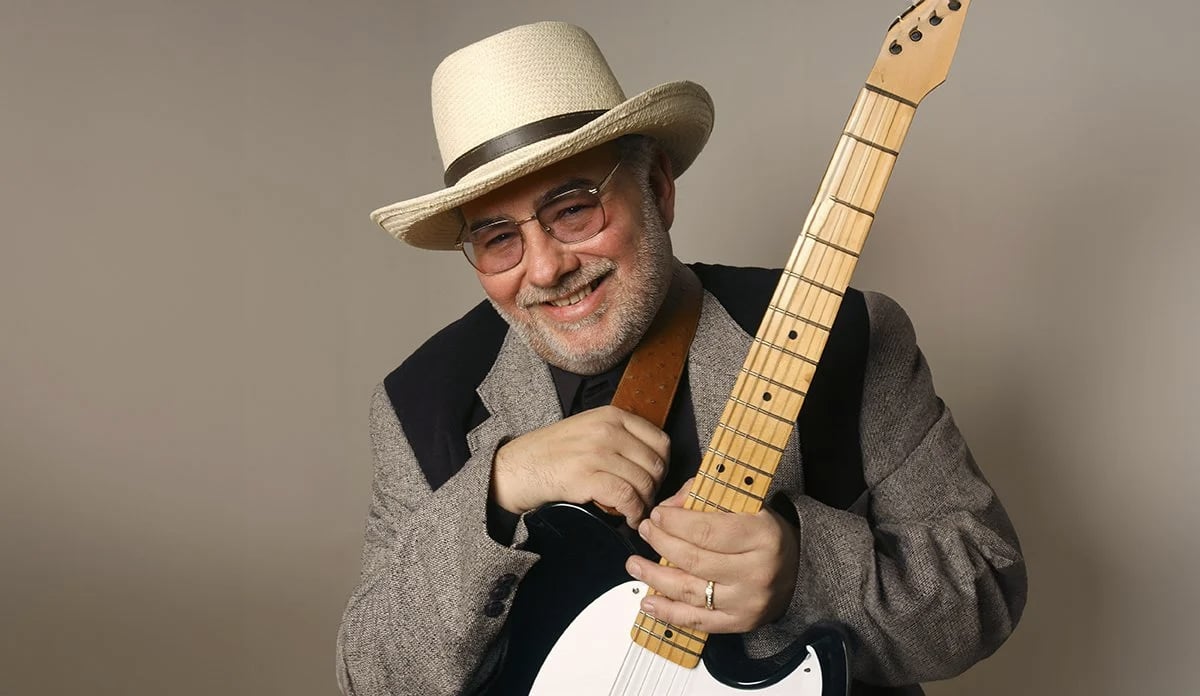
Duke Robillard is one of America’s most respected guitarists, singers, songwriters, and bandleaders, celebrated for his mastery of blues, jump R&B, swing, and roots rock. Over the course of a long and influential career, he has earned a reputation as a true musician’s musician—an artist whose deep knowledge of American roots music is matched by exceptional skill, taste, and versatility on guitar.
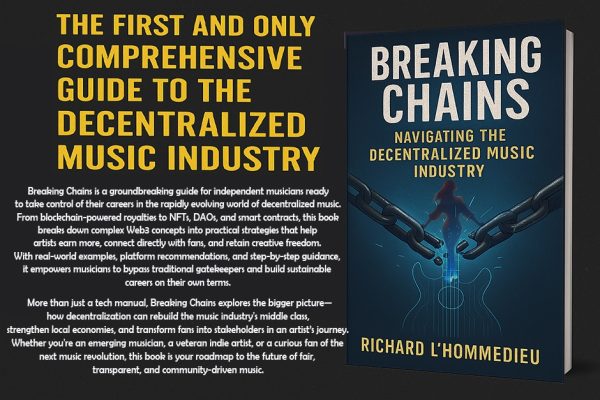
Tired of streaming pennies while gatekeepers cash in?
It’s time to take back control.
🔥 Now Available in Kindle, Paperback, and Hardcover.
⚡ Exclusive Collector’s Run: Only 50 hand-numbered, signed editions exist. When they’re gone, they’re gone forever.
👉 Claim your copy today—and take your place in the future of indie music.
“Breaking Chains” is a timely and insightful exploration of how decentralization is reshaping the music industry. Richard L’Hommedieu draws on deep industry knowledge to examine the shifting balance of power between artists, labels, and digital platforms. The book offers both a critique of the traditional music business and a roadmap for musicians seeking independence in a rapidly evolving landscape. With clear explanations and practical strategies, L’Hommedieu empowers readers to understand blockchain, streaming economics, and new models of ownership. More than just a guide, it’s a call to artists to reclaim control of their work and careers. A must-read for musicians, managers, and anyone curious about the future of music."
A Statement of Commitment to Independent Music Community For 2026
Listen to the Podcast Discussion to see how Making a Scene is going Support the Indie Music Community in 2026
Making a Scene is reaffirming and expanding its commitment to the independent music community with a clear editorial mission: to continue delivering in-depth, practical journali/sm that helps artists take control of their careers instead of asking for permission from systems that were never designed to work in their favor. This commitment is not rooted in trends, hype cycles, or surface-level commentary.
It is grounded in the belief that a healthy music ecosystem depends on a strong, informed, and economically sustainable music industry middle class made up of independent artists who understand both their creative value and their business power.