
The 20-Second Music Revolution




Making a Scene Presents – The 20-Second Music Revolution: Why Your Songs, Your Data, and Your Fans Are Becoming the Most Valuable Assets in the Music Business
Listen to the Podcast Discussion
New music discovery platforms are changing how fans find songs, but behind those catchy clips is a growing business built around music rights, metadata, and personal information. Independent artists have an opportunity to turn this technology into real income, provided they don’t give away control of everything that makes their music valuable.
The Music Industry Has Found Another Way to Sell Your Music. This Time, It Only Needs 20 Seconds.
Imagine spending six months writing songs, recording tracks, hiring musicians, mixing, mastering, designing artwork, and preparing an album for release. You finally upload your masterpiece to a digital distributor, send a few announcements to your mailing list, and begin the familiar ritual of begging the internet to notice you exist. Somewhere in that process, you discover that the music industry has developed another exciting technological innovation designed to help people discover new music. Naturally, the first question for an independent musician should be whether this new invention will actually help pay the rent.
That question has become especially important with the arrival of a new generation of music discovery technology. Instead of asking listeners to search through millions of recordings, companies are finding ways to place small musical moments directly in front of people who might enjoy them. A memorable guitar solo, a powerful lyric, an unexpected rhythm, or a particularly emotional vocal performance can become the introduction to an artist the listener has never heard before. The listener may have no idea who the musician is, where the recording came from, or whether the artist has been performing for thirty years. All they know is that something in those few seconds caught their attention.
On November 9, 2026, HARMAN, a subsidiary of Samsung Electronics, announced a music discovery application called Drops. The service presents listeners with musical excerpts lasting between 10 and 30 seconds, accompanied by lyrics, album artwork, licensed artist photographs, and personal commentary from people recommending the music. It is designed to recreate the experience of a friend saying that you absolutely must hear a particular moment in a song, only now that recommendation happens inside a mobile application rather than over a beer after a concert. At launch, Drops entered an invitation-only preview in the United States, with a growing catalog supported by participating music companies.
Meanwhile, Spotify has been developing its own approaches to music discovery. Its Prompted Playlist feature allows eligible listeners to describe the music they want in ordinary language, while Taste Profile gives listeners additional influence over the recommendations appearing in their feeds. These developments make it possible for discovery to respond more directly to someone’s mood, interests, listening habits, and requests rather than simply delivering another collection of songs selected by a traditional recommendation system.
At first glance, Drops and Spotify appear to represent different approaches to the same problem. Drops emphasizes personal recommendations built around individual musical moments, while Spotify increasingly combines listening history with personalized and AI-assisted discovery. But beneath the technology lies a much larger transformation that independent artists cannot afford to ignore. Music discovery is becoming a business that depends not only on recordings but also on the information, images, lyrics, permissions, and relationships surrounding those recordings.
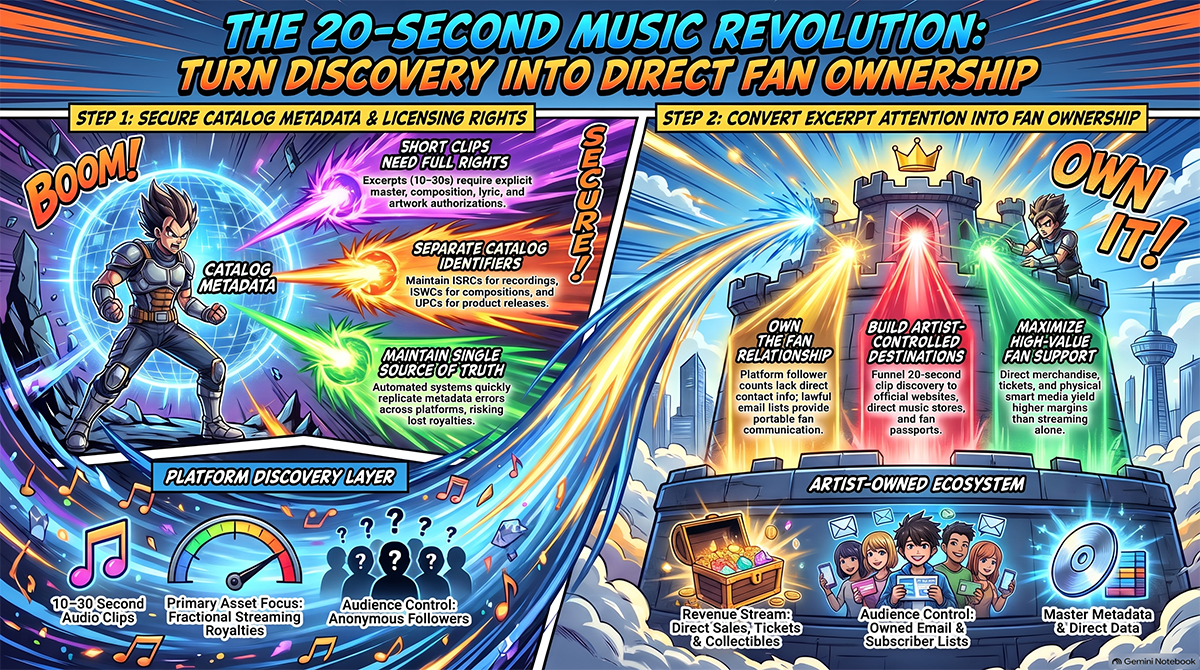
For independent musicians, that transformation creates two connected opportunities. The first involves maintaining control over the information and rights that make their music useful to new services. The second involves turning the attention generated by discovery into something far more valuable than another anonymous stream: a lasting relationship with a fan who can support the artist directly. Understanding how those two opportunities work together may become one of the most important business skills an independent musician can develop.
Music Discovery Is Changing, but the Middleman Is Still Very Much Alive
For decades, the music business depended on people and companies deciding which recordings would reach the public. Record labels promoted singles to radio stations, retailers decided which albums received shelf space, and music journalists helped introduce audiences to performers they might otherwise never encounter. Independent musicians could build audiences through live performances and local promotion, but reaching a national market generally required resources that most working artists did not possess.
The internet changed the distribution side of that equation. Digital services made it possible for independent musicians to release recordings worldwide without first convincing a record company to manufacture and distribute their albums. That represented a remarkable shift in opportunity, but it also created another problem. When virtually anyone can make music available everywhere, simply being available no longer guarantees that anyone will find it.
Streaming platforms responded by developing recommendation systems, editorial playlists, personalized radio stations, and automated discovery tools. Social media added another layer, allowing songs to spread through videos, personal recommendations, and viral moments. These systems have introduced enormous numbers of listeners to unfamiliar artists, but they have also moved much of the power over discovery into the hands of technology companies that control how music appears on their platforms.
The arrival of Drops adds an interesting variation to this arrangement because it places human recommendations at the center of its experience. Instead of depending entirely on an algorithm to select a song, the application allows approved curators to share particular musical moments and explain why those moments matter. A listener might discover a blues guitarist because another fan selected a powerful solo, or encounter an unfamiliar songwriter because someone highlighted a lyric that captured a feeling they could not quite explain.
That human element deserves attention. People have always discovered music through other people, whether through a trusted DJ, a knowledgeable record-store employee, a musician friend, or a late-night conversation about an obscure album. Drops is attempting to build a modern digital experience around that behavior, supported by technology that makes the recommendation immediately accessible to a wider audience.
The commercial structure, however, remains important. HARMAN’s announcement identified participating labels and distributors including Universal Music Group, Beggars Group, Symphonic Distribution, EMPIRE, and UnitedMasters. It also identified data providers including LyricFind, Xperi, and MusicBrainz, along with publishers and performing rights organizations. The presence of these companies suggests that operating a service built around short musical excerpts requires a much broader collection of commercial relationships than simply obtaining an audio file.
For an independent musician, the distinction matters because availability on a digital distributor does not automatically establish participation in every new discovery platform. Artists need to know which services their distributor supports, which rights have been authorized, how usage is reported, and whether any additional agreements are required. A new platform may offer valuable exposure, but the musician still needs to understand the business arrangement behind that exposure.
There is also an important limit to what can currently be claimed about Drops. At the time of its launch, the service was still operating in a restricted preview, and its public materials did not establish a universal direct-upload route for every independent musician. HARMAN named Apple Music, Qobuz, and TIDAL among intended streaming connections, but Spotify was not identified as a Drops integration partner. The official Drops website also described full-track listening through paid streaming integrations as a planned feature during the preview, rather than something every invited user could already access.
That makes Drops worth watching, but it does not justify telling artists that a revolutionary new source of income has already arrived. The more useful lesson comes from examining the type of business that companies must build to deliver these experiences, because that business depends on assets independent musicians already create and should be learning to manage.
Your Song Is No Longer Just a Recording. It Is a Collection of Valuable Assets.
Most working musicians think about a release in fairly straightforward terms. There is the song, the recording, the cover artwork, and perhaps a music video. Once those materials have been delivered to a distributor, the musician may assume that the important administrative work is finished. Unfortunately, the modern music business has developed a remarkable talent for turning what appears to be one product into a collection of separate rights, records, and commercial opportunities.
Consider a typical independent release. The audio recording represents a particular performance of a song, but the underlying musical composition is a separate creative work. The recording may feature several performers, while the song may have been written by different people. The album artwork might be owned by the musician, licensed from a photographer, or created by a designer under an agreement that limits how it can be reused. A photograph taken for publicity may have its own usage restrictions, while lyrics may involve permissions administered by publishers or other rights holders.
Now imagine a discovery application attempting to assemble all those elements into a single attractive presentation. The platform needs the correct recording, accurate title, artist identification, associated artwork, authorized photographs, lyrics, and other descriptive information. It must also understand the licensing arrangements that allow those elements to appear together. A mistake in any part of that process can create a problem, even if the actual audio recording is perfectly legitimate.
This explains why music metadata has become much more than a collection of tiny boxes musicians fill out while uploading songs. Metadata is the information that allows digital systems to identify, organize, display, connect, license, and account for music. It helps one organization understand which recording another organization is discussing, which composition is embodied in that recording, and who may have an interest in the money generated by its use.
The official music industry standards developed by DDEX recognize that different types of musical assets require different identifiers and relationships. An ISRC identifies a particular sound recording or music video recording, while an ISWC identifies the underlying musical work. Release identifiers such as UPCs serve another purpose, helping identify commercial products or releases. These identifiers are not interchangeable, and confusing them can make an already complicated accounting system considerably more entertaining for accountants than for musicians.
Think about a songwriter who records an original song, releases an acoustic version, and later records the same composition with a full band. Those recordings may each have their own ISRC, while the underlying composition remains the same musical work. If another performer records a cover version, that creates another recording with its own identity while preserving the relationship to the composition. A rights-aware system needs to understand those connections because money associated with a recording may follow a different path from money associated with the songwriting.
This is not simply a theoretical concern about database design. The U.S. Copyright Office’s digital music reporting rules explicitly recognize information connecting sound recordings with musical works, songwriters, and relevant identifiers. The fact that these relationships appear in royalty reporting requirements demonstrates why accurate music information matters beyond whether an album looks correct on a streaming service.
An independent artist who keeps a properly organized catalog is therefore building something more valuable than an administrative archive. The artist is creating a reliable source of information that can support distribution, royalty collection, licensing inquiries, promotional services, and future technology platforms. That source becomes especially important when the same recording begins appearing in environments the musician never considered when the song was first released.
The Hidden Business Behind a 20-Second Clip
A short excerpt may seem like the simplest possible form of music distribution. Someone selects an interesting moment, another person presses play, and the listener decides whether to explore the full recording. From the audience’s perspective, the process can feel wonderfully effortless. Behind the scenes, however, an impressive collection of business arrangements may be necessary to make that effortless experience legitimate.
A discovery service needs permission to use the audio, but permission to use a sound recording does not automatically settle every question involving the composition. When lyrics appear alongside the recording, additional rights and licensing considerations may arise. Photographs and artwork introduce further questions, while integrations with external listening services require the systems involved to exchange information about the correct recording and destination.
Some of these rights may be covered by agreements negotiated directly with labels, publishers, distributors, or specialized licensing partners. Others may be addressed through arrangements with companies that supply authorized information or media assets. The exact licensing structure depends on the service, the territory, the materials being used, and the terms involved. There is no universal rule saying that a short clip is automatically free to use simply because it lasts only 20 seconds.
That last point deserves particular attention because the internet has spent years encouraging the idea that very short excerpts somehow exist in a copyright-free playground. In the United States, there is no general legal rule that makes an otherwise unauthorized musical excerpt permissible simply because it is under a particular number of seconds. Whether a use is licensed, exempt, or potentially defensible under fair use depends on circumstances far more complicated than the length of the clip.
For legitimate discovery companies, this creates an operational challenge. They must acquire and maintain rights information, manage agreements with different organizations, and understand the restrictions associated with each media asset. For independent musicians, it creates a reason to become more organized about their own catalogs and more careful about the permissions they grant.
Suppose a discovery company contacts an independent artist about including a particular recording in a new promotional experience. The artist owns the master recording and is enthusiastic about participating, but the composition was written with another musician who controls half the publishing. The album cover includes a photograph licensed only for use on the original album and associated advertising. The artist may have the authority to license some parts of the proposed package, but not necessarily all of them.
Without clear records, the musician may accidentally promise rights that belong to somebody else. Even when that mistake is innocent, correcting it later can become expensive, embarrassing, or both. An artist who maintains written agreements, accurate ownership information, and records of permitted uses is better positioned to respond to commercial opportunities without treating every licensing inquiry like an archaeological expedition.
There may also be opportunities for income beyond ordinary streaming royalties. Depending on the arrangement, a musician could potentially negotiate authorized uses of recordings, instrumentals, stems, visual materials, commentary, or other creative assets. These possibilities should not be confused with a promise that every discovery application will pay separate fees for each item. The real opportunity lies in having identifiable, properly controlled assets available when a genuine licensing demand exists.
The musician who understands those distinctions can negotiate from a stronger position. Instead of answering every request with a nervous invitation to use whatever is available on the internet, the artist can identify the rights being offered, explain the permitted uses, and establish whether compensation or other conditions are appropriate.
When Bad Metadata Travels Faster Than Good Music
The most dangerous thing about automated music systems is not necessarily that they make mistakes. Human beings have been making mistakes in music credits since the invention of record labels, and anyone who has examined the spelling on a badly produced album sleeve knows that technology did not invent administrative incompetence. The real danger is that automated systems can copy an error across multiple services before anyone notices.
Imagine an independent blues musician who releases a recording with three songwriters. During distribution, one collaborator’s name is entered incorrectly, and the registration information does not match the records maintained by the songwriter’s publisher. The recording appears on several streaming services, while another database creates its own version of the songwriting information. A future discovery platform obtains metadata from one of those sources and displays the wrong credit alongside the recording.
The initial mistake may appear minor, but the consequences can grow. The incorrect credit may affect attribution, create confusion during rights matching, or require corrections across multiple organizations. It does not automatically mean that royalties have been lost, but it can make administration and reconciliation more difficult. The longer the error remains uncorrected, the more places there may be to investigate.
A similar problem can occur with visual assets. An artist changes publicity photographs after a licensing agreement expires, but an older image remains in a distributor’s system. Another service retrieves the outdated photograph and places it beside a recording in a new promotional environment. The artist may now have an image in circulation without the necessary current authorization, even though the musician never intended to misuse the photographer’s work.
These situations illustrate why independent artists need a reliable source of truth for their creative assets. Instead of treating the distributor, performing rights organization, website, publishing administrator, and promotional services as unrelated places where information happens to live, the artist should maintain a master record against which those external systems can be checked.
Artificial intelligence could make this process significantly easier. Software can compare song titles, identify missing information, detect inconsistent names, flag conflicting identifiers, and help organize documentation. It can also examine whether recordings appear to be associated with multiple composition records that deserve further human investigation. These capabilities can reduce the amount of manual work needed to manage a large catalog, especially for musicians who have released recordings over many years.
The important word is investigation. An AI system that identifies a possible mismatch has not necessarily discovered fraud, unpaid royalties, or a violation of copyright. Music catalogs contain alternate titles, remixes, cover versions, historical registrations, and legitimate variations in ownership. Automated tools can help identify questionable relationships, but the underlying evidence still needs to be reviewed by someone who understands the rights involved.
Independent artists should welcome useful automation without allowing the software to become the final authority on ownership. A computer may be excellent at comparing thousands of records, but it should not be allowed to invent a missing songwriter, declare a disputed ownership share settled, or approve a license that the actual rights holder has never authorized.
The best arrangement places technology in charge of the repetitive work while keeping important business decisions under human control. That is how automation can strengthen an independent artist’s position rather than introduce a faster, more expensive way to lose track of their own catalog.
The Next Fan Economy May Begin With 20 Seconds, but It Cannot End There
While the rights and metadata behind music discovery deserve serious attention, there is another side of this story that may be even more important to the average independent musician. A discovery platform can introduce thousands of listeners to a recording, but those introductions do not automatically create a sustainable business for the artist. A musician might receive streams, followers, saves, and playlist placements without gaining a practical way to communicate with the people who enjoyed the music.
This is the fundamental difference between discovery and fan ownership, and it is one of the biggest weaknesses in the modern independent music economy. Musicians spend enormous amounts of time and money encouraging people to listen on platforms they do not control. When those listeners arrive, the platform develops the relationship, collects the behavioral information, and determines which tools the artist can use to reach those people again.
Spotify provides useful audience analytics through Spotify for Artists. Musicians can examine streaming activity, understand where their listeners are located, and study how audiences move between different levels of engagement. Spotify also offers ways to promote merchandise through its Shopify integration, helping artists connect listening with purchases. These capabilities have genuine commercial value, especially for musicians trying to understand which recordings and markets deserve additional attention.
Nevertheless, a Spotify follower is not the same thing as a person who has voluntarily joined an artist’s mailing list. Spotify’s own documentation explains that musicians can see follower totals but cannot view the individual names of those followers. An artist might have thousands of people following their music without having the direct contact information necessary to invite those listeners to a concert, offer a limited-edition album, or announce an independently operated membership program.
This does not make Spotify the villain of the story. Its platform provides discovery and listening services, and it has legitimate reasons to protect the information of its users. The problem arises when musicians build their entire businesses around relationships that exist only within someone else’s system. An artist can benefit from streaming while still recognizing that long-term business stability requires ways to communicate with supporters outside the platform.
The same concern applies to new discovery services such as Drops. A listener may discover a fantastic recording through a carefully selected excerpt, save it to a collection, and share it with several friends. That activity may be valuable, but the musician still needs a way to turn some of that attention into an enduring relationship. Without that connection, the artist is depending on the discovery platform to make another introduction whenever the next album, tour, or merchandise release arrives.
The opportunity is to build a path that begins with discovery but continues toward an artist-controlled destination. That destination might be a website, a mailing list, a direct music store, a concert calendar, or a fan membership program. It should give people a reason to continue exploring the musician’s work while allowing them to decide whether they want a closer relationship.
A discovery service can open the door, but the independent musician needs to build the house on the other side.
From an Unknown Blues Guitarist to a Paying Fan
Consider a fictional independent blues guitarist named Sarah, who has just released an album recorded with her touring band. The album contains an energetic song featuring a particularly impressive guitar solo, and a music curator selects approximately 20 seconds of that performance to share through an authorized discovery service. A listener who has never heard of Sarah encounters the clip while exploring new music and decides that the guitarist is worth investigating.
The listener follows a link to hear the complete song through a supported streaming service. After enjoying the performance, they search for Sarah online and find her official website. Instead of encountering a neglected page featuring a concert date from three years ago and a mysterious message that says the store is coming soon, the listener finds a working music business. There are recordings to explore, current photographs, an upcoming show calendar, and opportunities to purchase music and merchandise directly.
The website also offers something that makes the listener curious enough to remain involved. Perhaps Sarah has recorded a short video explaining how she developed the unusual guitar tone heard in the song. Maybe there is an alternate live performance from a recent concert, or an invitation to receive announcements about shows in the listener’s area. The visitor can enjoy the content without surrendering personal information unnecessarily, but they also have the option to join Sarah’s mailing list if they want to hear more.
Several weeks later, Sarah announces a concert at a venue near the listener’s home. Because the fan voluntarily subscribed to updates, Sarah can send an appropriate announcement through her own communication system. The fan purchases a ticket, attends the show, and buys a signed album afterward. During the conversation at the merchandise table, Sarah mentions that supporters can access additional recordings and behind-the-scenes material through her website.
The original discovery may have lasted only 20 seconds, but the relationship has now developed into several meaningful interactions. The listener has streamed music, visited the artist’s website, subscribed to communications, attended a performance, purchased merchandise, and expressed interest in future releases. Each interaction gives Sarah a clearer understanding of what her audience values, while providing the fan with more reasons to support her work.
The financial difference can be substantial, although the results will vary widely between artists. Suppose Sarah earns $15 in net contribution from a concert ticket, $12 from a merchandise purchase, and $18 from a direct music sale after the relevant costs have been deducted. That one fan would represent $45 in contribution before considering any future purchases. These figures are hypothetical examples, not industry averages or promises of what a particular musician will earn.
The important lesson is not the precise dollar amount. It is that a fan who develops a lasting relationship with an artist may support that musician through several different activities over time. Streaming can be one part of that relationship, but it need not be the only source of value.
This is where the idea of a music industry middle class begins to take practical shape. Independent musicians do not necessarily need millions of anonymous listeners to build a sustainable business. They need enough genuinely interested supporters, appropriate revenue opportunities, and a reliable way to maintain those relationships. A smaller audience that attends concerts, purchases merchandise, buys recordings, and supports creative projects can be commercially meaningful when the economics are properly managed.
The Most Valuable Fan Is the One You Can Reach Again
For musicians who grew up measuring success through record sales, radio airplay, and concert attendance, the modern obsession with follower counts can be confusing. A social media account might attract thousands of followers, while the artist’s mailing list remains comparatively small. The temptation is to assume that the larger number represents greater success, even when the musician cannot demonstrate that those followers are purchasing anything.
The problem is not that social media followers lack value. They can contribute to discovery, introduce music to other listeners, and help artists maintain visibility. The problem is that a follower count tells only part of the story. It does not explain how many people are willing to spend money, how often they return, or whether the artist can maintain the relationship when a platform changes its recommendation system.
A properly managed mailing list gives the musician a more portable form of communication. With the subscriber’s appropriate permission and subject to applicable laws, the artist can use a chosen email provider to announce concerts, release recordings, offer merchandise, and invite participation in other activities. If the artist later changes providers, a lawful export of subscriber information and communication preferences can help preserve the relationship rather than forcing the musician to rebuild an audience from nothing.
This is not a license to collect every piece of personal information available. Responsible fan relationships require clear explanations about what information is being collected, why it is needed, and how it will be used. Fans should be able to manage communication preferences and stop receiving promotional messages. In the United States, the Federal Trade Commission’s CAN-SPAM guidance sets requirements for commercial email, including accurate sender information, appropriate identification, and functional opt-out procedures. Other jurisdictions may impose additional consent and privacy obligations.
An independent artist should approach fan information as something entrusted to the business rather than something captured from unsuspecting listeners. A person who buys an album has not automatically agreed to receive years of unrelated marketing messages. Likewise, someone who activates a digital product may simply want access to what they purchased. Treating these activities as separate permissions creates a healthier relationship and reduces the chance of turning an enthusiastic fan into someone who immediately looks for the unsubscribe button.
When collected responsibly, information about fan interests and purchases can help musicians make more intelligent decisions. An artist who knows that a particular group of supporters regularly attends concerts in Atlanta can plan communication around upcoming performances in that market. A musician who discovers that fans frequently purchase signed physical albums might decide to produce a limited edition for the next release. These decisions can be based on actual audience behavior rather than vague assumptions about what an algorithm might want.
Artificial intelligence can provide additional assistance by helping organize information, identify patterns, and prepare relevant communications. It can compare sales activity with concert locations, suggest appropriate audience segments, and help a musician understand which promotional efforts are worth repeating. The technology should operate within the artist’s permissions and privacy commitments, however, and sensitive fan information should not be casually uploaded to unrelated AI services simply because someone promised a clever marketing shortcut.
Building an independent music business requires understanding that fan trust is not an obstacle to collecting useful data. It is the reason people are willing to share that data in the first place.
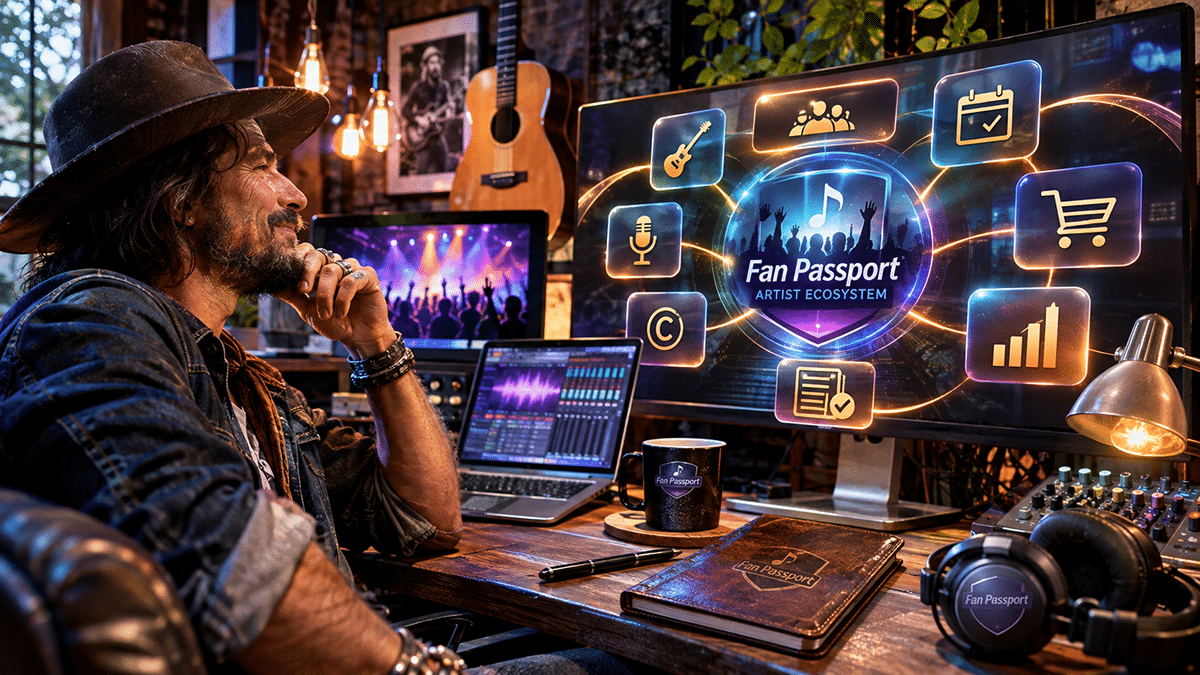
Turning Discovery Into a Business With the MAS Artist Ecosystem
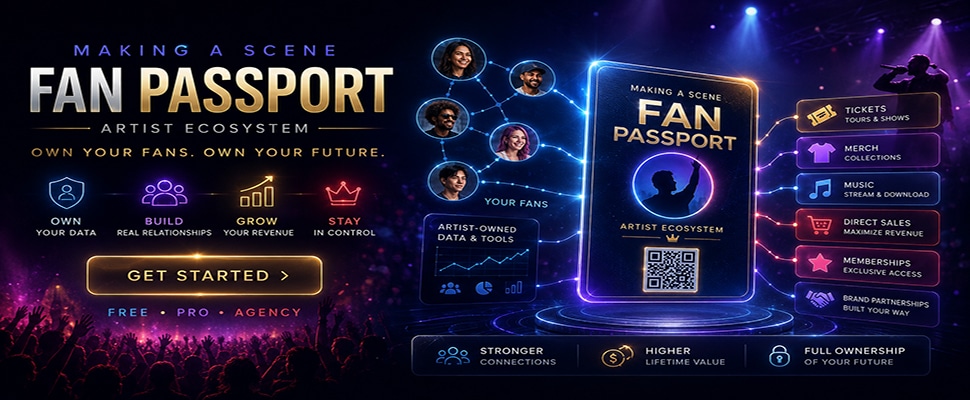
This intersection between music discovery, rights management, and direct fan relationships is precisely the kind of problem that the Making a Scene Artist Ecosystem is being developed to address. Rather than approaching music promotion as a collection of unrelated services, the ecosystem is intended to give independent artists a more connected way to manage their creative assets, organize information, develop fan relationships, and create commercial opportunities around their work.
The basic philosophy is straightforward. A musician should not have to surrender control over recordings, business information, or fan relationships simply to participate in modern music technology. Distribution platforms, discovery services, social networks, and streaming companies can all serve useful purposes, but the artist needs a reliable business foundation that remains under their own control.
One part of that foundation is the ecosystem’s Source of Truth approach to music information. The goal is to help artists maintain authoritative records covering recordings, compositions, collaborators, ownership, identifiers, and related creative assets. Instead of repeatedly entering slightly different information into different services, the musician can work toward maintaining a consistent record that supports distribution, licensing, royalty administration, and future commercial uses.
Consider what happens when a new discovery platform requests a recording and its associated information. An artist who has organized the master ownership, songwriter relationships, recording identifiers, artwork permissions, and related documentation is in a better position to evaluate the request. The system can help identify what the artist controls and which permissions may still require confirmation, while keeping the actual legal and commercial decisions in human hands.
The value becomes even clearer when musicians begin licensing different versions of their recordings. A studio might prepare an instrumental version, a clean edit, a shortened promotional version, or alternate mixes suitable for film, television, advertising, and other uses. These assets may involve additional rights and delivery requirements, and they need to remain connected to the original recording and composition information. An organized catalog can make those relationships easier to understand and maintain.
The other side of the ecosystem focuses on fans. The MAS Fan Funnel and Fan Passport concepts are designed to help artists create direct relationships with supporters through their own business channels. A fan who discovers a musician through a streaming service, social media post, or authorized music excerpt can be invited to visit the artist’s website, explore recordings, and voluntarily join a fan community.
Once someone chooses to participate, the artist can begin developing a relationship around actual interests and activities. A fan might follow the artist, attend a concert, purchase merchandise, or access a special music experience. With appropriate permissions, those activities can help the musician recognize returning supporters, offer relevant opportunities, and understand how different parts of the business work together.
Importantly, these are not claims that Drops or Spotify already provide a direct technical integration with the MAS Artist Ecosystem. Those connections would require supported interfaces, appropriate authorizations, and agreements where necessary. The immediate value is building an artist-controlled destination that can receive interested fans from whatever discovery channels are available, while maintaining the records and permissions needed to manage those relationships responsibly.
The ecosystem’s wider vision also includes tools for organizing shows, touring information, fan communications, rights information, and creative assets. When these functions are connected, musicians can begin making business decisions based on a more complete picture of their activities. A concert is no longer merely a date on a website, and a fan is no longer just another number in a streaming dashboard. The information can help artists understand how discovery, engagement, and direct revenue relate to one another.
For a working musician who also serves as booking agent, publicist, merchandise manager, and occasional emergency van mechanic, that kind of organization is not a luxury. It can reduce administrative work and make opportunities easier to manage without hiring a full office staff.
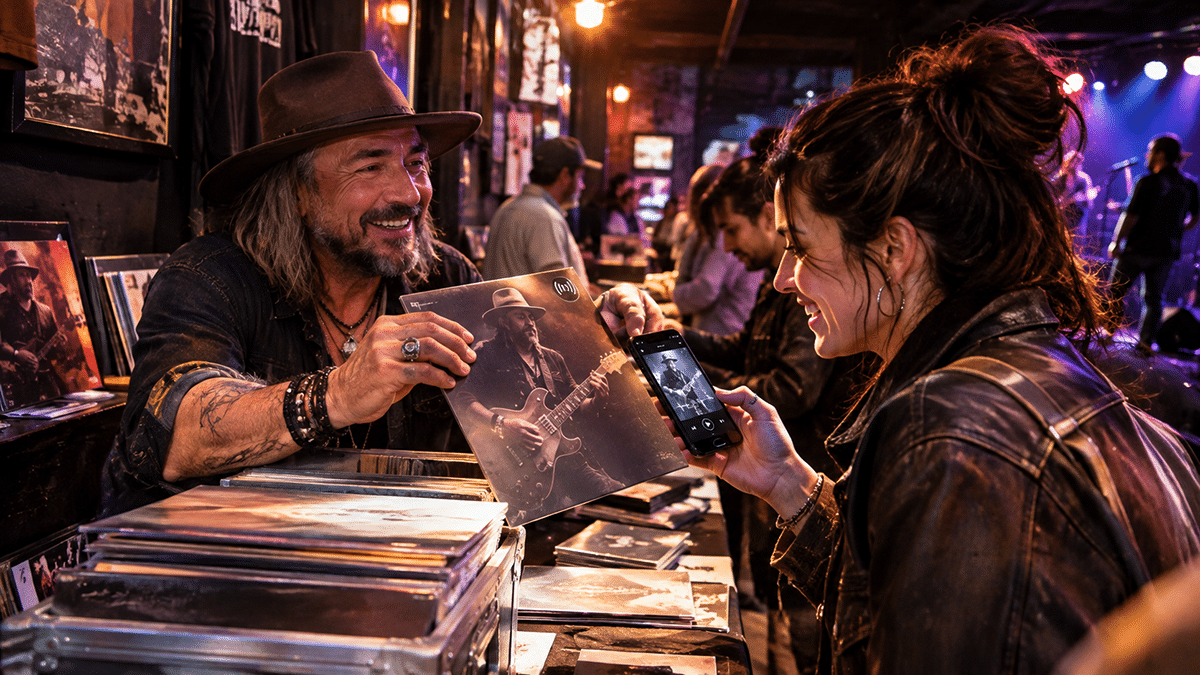
Smart Media Albums Could Make Physical Music Part of the Fan Relationship
One particularly interesting opportunity involves connecting physical music products with digital experiences. For years, the industry has treated physical albums and digital technology as competing formats, even though many music fans enjoy both. A physical record or collectible can provide the emotional satisfaction of owning something tangible, while digital tools can make that purchase the beginning of an ongoing relationship.
Smart Media products offer a way to combine those experiences. An album, card, collectible, or other physical item can contain NFC technology that allows a compatible phone to open an authorized digital experience. Depending on the product and supporting system, the fan might gain access to additional recordings, music videos, artist commentary, photographs, or other material associated with the purchase.
Imagine Sarah, our fictional blues guitarist, selling a Smart Media edition of her latest album at a concert. The package includes a physical collectible that the fan can tap with a phone to access a special performance, an interview about the album, and alternate mixes unavailable through the ordinary release. The fan has paid for a physical product, but the included digital experience gives them additional reasons to return.
If the fan chooses to register the product, the artist may be able to associate access with an account so the experience can continue across devices. The system could also offer an optional invitation to join the artist’s mailing list or fan community. Those choices should remain separate because purchasing or activating a product is not the same as agreeing to promotional messages.
This type of experience aligns with the MAS Artist Ecosystem’s planned Smart Media and Fan Passport capabilities, where physical products, access permissions, fan activity, and artist-controlled relationships can operate within a connected business environment. The technology creates opportunities to provide greater value without requiring musicians to abandon traditional merchandise or physical recordings.
It also opens possibilities for recurring engagement. An artist might add authorized bonus material to an experience, provide updates about new releases, or reward supporters who attend multiple performances. Any continuing access should reflect the terms promised when the product was sold, and musicians need to consider hosting, production, support, and fulfillment costs before assuming that every high-tech collectible will be profitable.
The larger opportunity is the ability to connect a physical purchase with an ongoing relationship that benefits both the artist and the fan. Instead of selling an album and hoping the buyer remembers to visit the website someday, the musician can provide a clear reason to remain involved.
AI Can Connect the Information, but the Artist Must Control the Decisions
The convergence of discovery technology, music metadata, and fan information creates a natural role for artificial intelligence. Music businesses already generate more information than most independent musicians have time to examine. Recording identifiers, streaming reports, publishing records, concert schedules, merchandise transactions, website traffic, and fan engagement can exist in completely different systems, making it difficult to understand how they relate.
AI-assisted tools can help organize those records and identify patterns that would otherwise remain buried in spreadsheets and dashboards. A system might recognize that a song receiving increased attention in one geographic market corresponds with greater website activity from that area. It could help the artist examine whether a regional concert is worth considering or whether a targeted announcement might introduce existing supporters to an upcoming performance.
The same technology could assist with catalog preparation. An AI system might compare recording metadata with composition information, identify missing credits, flag inconsistent spelling, or suggest that an older release should be reviewed before being offered for licensing. It could help a musician prepare a licensing inquiry by organizing the relevant assets and agreements, reducing the time needed to determine what information is missing.
These capabilities are useful only when the underlying information is reliable. A database containing inaccurate ownership claims will not become trustworthy simply because an AI system produces a polished report. Similarly, a list of fans with unclear communication permissions cannot be transformed into a legitimate marketing audience by clever software. Automation increases the speed at which information can be used, which makes accuracy and accountability more important.
The future MAS Artist Ecosystem could benefit from this approach by connecting its Source of Truth, fan relationship, touring, and revenue information through carefully controlled AI assistance. An artist might ask which recordings have incomplete rights documentation, which concert markets show the strongest direct fan interest, or which merchandise products have performed best at previous shows. The answers would still depend on available, authorized, accurate data, but the system could make that information easier for working musicians to understand.
AI should also be useful for creating different marketing approaches without turning every artist into a copy of whatever happens to be popular this week. A blues musician might use AI to draft a concert announcement, organize interview material, or prepare descriptions for a special release while maintaining their own voice and identity. The objective is to remove repetitive administrative work so the musician can spend more time making music and connecting with supporters.
This is a much more interesting use of AI than asking a computer to manufacture thousands of interchangeable songs in the hope that one will accidentally make enough money to cover the subscription fee.
The Revenue Question Nobody Should Forget
Whenever a new discovery technology arrives, the music industry tends to celebrate the number of people who might hear a song. Reach is important, but musicians also need to understand the financial value created by that reach. A million impressions may sound impressive in a promotional presentation, yet the number becomes considerably less exciting when nobody can explain how many people became listeners, supporters, customers, or paying concertgoers.
The practical challenge is measuring the movement from discovery to meaningful support. An artist might begin by examining which channels bring visitors to the official website, which pages those visitors explore, and whether they choose to join a mailing list or purchase something. The musician can then compare those outcomes with the money and time spent on the promotion.
Suppose an independent artist spends $200 creating a promotional campaign around a new recording. The campaign brings 500 visitors to the artist’s website, and 40 voluntarily join the mailing list. Of those visitors, eight purchase a digital album for $10 each, while four purchase a $25 merchandise item. The campaign would generate $180 in gross direct sales, before production costs, payment processing, fulfillment, taxes, or other expenses.
On those immediate sales alone, the campaign has not recovered its $200 promotional cost. That does not necessarily make the campaign a failure, but it should prevent the artist from declaring victory merely because the website received 500 visits. The musician needs to examine the complete economics, including the costs associated with the purchases and whether the new subscribers later become paying supporters.
If several of those subscribers attend concerts or purchase future releases, the campaign could eventually become financially worthwhile. The artist should not assume those future purchases will happen, however. They need enough information to examine actual results over time rather than inventing optimistic projections to justify money already spent.
This is where an organized fan relationship system can offer practical value. By responsibly connecting website activity, voluntary subscriptions, ticket-related interactions, and direct purchases, a musician can begin understanding which promotional activities contribute to the business. The information will rarely be perfect, particularly when discovery begins inside platforms that do not share individual user data, but even partial evidence can improve decision-making.
Artists should also resist the temptation to calculate every fan’s value as though a human relationship were a guaranteed future revenue stream. People have changing interests, financial circumstances, and priorities. Some fans will buy every release, others will attend an occasional show, and many will simply enjoy listening. All of those listeners can be valuable participants in a musician’s creative community, even when their financial contributions differ.
The point is to build a business capable of supporting the artist without requiring every listener to become a customer. Discovery provides opportunities for new people to enter the audience, while the artist’s own infrastructure makes it possible for those who want to offer deeper support to do so.
The Next Gatekeepers May Be the Companies Controlling the Data
The most important long-term question raised by modern discovery technology may concern who controls the information required to participate. As listening experiences become more personalized and media-rich, technology companies will increasingly depend on accurate relationships between recordings, compositions, artwork, lyrics, identities, and permissions.
That creates opportunities for companies that maintain reliable music data, but it could also produce new barriers for independent musicians. If participation in a discovery service depends on relationships with particular distributors, rights administrators, or data suppliers, artists outside those arrangements may find their music harder to include. A platform can be technologically capable of recommending almost anything while its actual catalog remains limited by commercial agreements.
There is nothing inherently improper about requiring accurate information and legitimate licensing. Those requirements help protect creators and reduce disputes. The concern arises when the ability to participate becomes unnecessarily dependent on a small group of companies controlling access to information that artists themselves created.
Independent musicians should therefore pay close attention to the portability of their records. A distributor may maintain the information required to deliver music to streaming platforms, but artists should also retain their own copies of identifiers, registrations, contributor credits, royalty statements, contracts, and relevant licensing documentation. They should understand what can be exported when changing providers and which records must be maintained independently.
The same principle applies to fan information. A musician who builds a mailing list through an outside provider should understand the export options, privacy responsibilities, and restrictions associated with that service. An artist who sells merchandise through an online store needs access to the records necessary to operate the business, reconcile transactions, and support customers.
Blockchain and Web3 technologies may eventually support some aspects of this portability by providing ways to record asset histories, verify certain claims, or connect digital products with access permissions. However, a blockchain entry does not automatically prove copyright ownership, and placing inaccurate information on an immutable record can make a bad situation harder to correct. Any Web3 system used for artist rights needs reliable identity verification, legitimate agreements, privacy safeguards, and a practical method for resolving disputes.
The best use of these technologies would be to make artist information easier to verify and move between legitimate services, not to create yet another proprietary environment where musicians must pay to access their own business records.
The music industry has already spent decades teaching independent artists what happens when the people who control distribution also control access to customers. Repeating that arrangement with metadata, fan identities, and AI-powered discovery would represent a technological upgrade to an extremely old business problem.
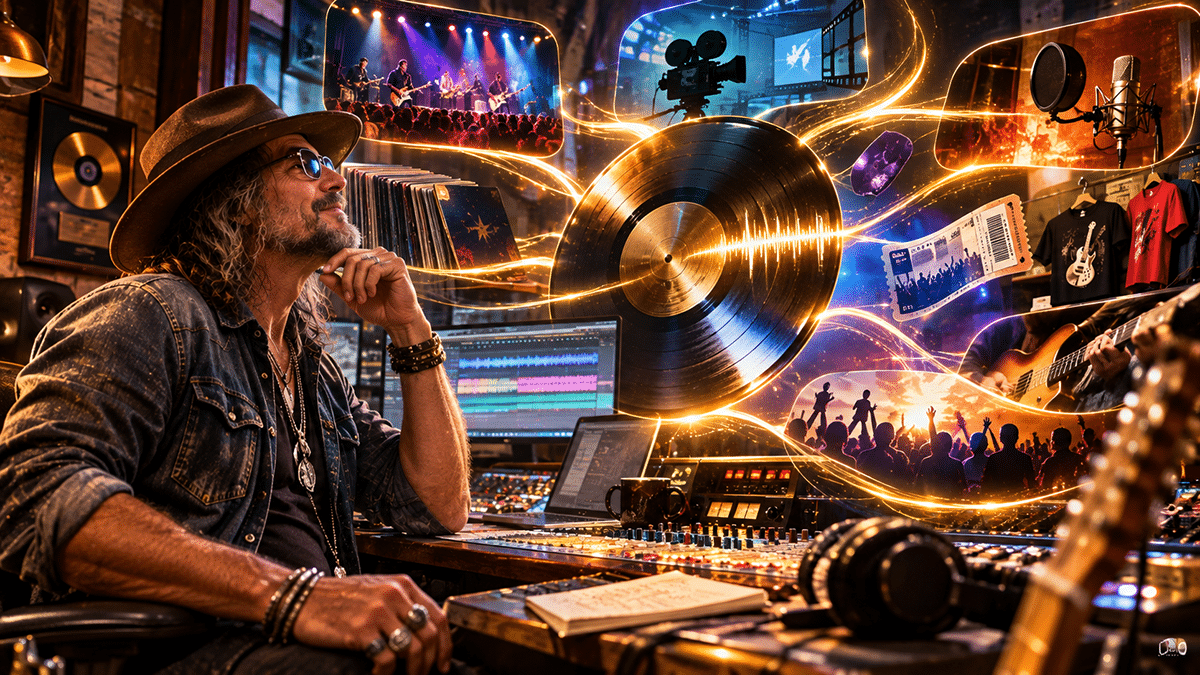
Building a Music Industry Middle Class Starts With Owning the Connection
The arrival of Drops and the continued development of Spotify’s discovery tools point toward an industry in which music will increasingly be introduced through short moments, personalized recommendations, human commentary, and sophisticated information systems. These developments could provide valuable opportunities for independent musicians whose recordings might otherwise struggle to reach the right audience.
However, the success of those opportunities will depend on what happens beyond the original introduction. A listener who hears a wonderful guitar solo may become a lifelong fan, but that relationship will not develop automatically. The musician needs accurate rights information to participate in legitimate discovery and licensing opportunities, along with a direct business destination where interested listeners can learn more and choose to provide support.
That is why music metadata and fan relationships belong in the same conversation. The information surrounding a recording helps make discovery and commercial use possible, while information voluntarily shared by fans helps the artist understand and serve the people who connect with the music. Both forms of information become more valuable when the musician can manage them responsibly and move between service providers without losing the foundation of the business.
The Making a Scene philosophy has always centered on the idea that independent musicians should have the opportunity to build sustainable careers rather than spend their lives waiting for permission from traditional industry gatekeepers. That does not require rejecting streaming platforms, distributors, AI companies, or new discovery services. It requires understanding what each company provides, what rights or information it receives in return, and how the artist can use the relationship without becoming completely dependent on it.
The MAS Artist Ecosystem represents one possible approach to building that independence by bringing catalog information, fan relationships, direct engagement, and music business tools into a connected environment. It will not eliminate the need for distributors, publishers, licensing organizations, or discovery platforms, and it cannot guarantee that a new listener will become a paying supporter. What it can aim to provide is a stronger business foundation that helps musicians manage the opportunities those outside services create.
An artist who maintains accurate music records, understands licensing permissions, offers compelling experiences, and develops direct fan relationships is better prepared to benefit from new technologies than one whose entire strategy consists of uploading songs and hoping an algorithm eventually develops good taste.
The next important music discovery might last only 20 seconds. Somewhere, a listener could hear an unfamiliar voice, a brilliant guitar solo, or a lyric that seems to describe their entire life. If that moment leads to a meaningful connection with the artist, it could become the beginning of years of music purchases, concerts, shared experiences, and support.
For the independent musician, the challenge is making sure that the connection does not disappear when the listener closes the app. The technology may have introduced the music, but the artist should have the opportunity to build the relationship that follows. That is how music discovery can become something more than another source of attention for technology companies and another complicated royalty statement for musicians.
It can become part of a sustainable independent music business where the people creating the music have a meaningful share in the value their work produces.
Making a Scene believes that the future of independent music depends on artists controlling their creative work, understanding their rights, maintaining direct relationships with supporters, and using emerging technology to build sustainable businesses. Learn more about the MAS Artist Ecosystem and explore music business coverage at Making a Scene.
 |  Spotify |  Deezer |  Breaker |
 Pocket Cast |  Radio Public |  Stitcher |  TuneIn |
 IHeart Radio |  Mixcloud |  PlayerFM |  Amazon |
 Jiosaavn |  Gaana |  Vurbl |  Audius |
 Reason.Fm | |||
Find our Podcasts on these outlets