
Making a Scene Weekly Music Industry Wrapup | November 27, 2026





Making a Scene Weekly Music Industry Wrapup | November 27, 2026
Listen to the Podcast Discussion
The Music Industry Has Billions to Invest in Your Music. Who Gets to Own It?
The music business can find $665 million for a catalog deal faster than a six-piece band can agree on how to split the gas money. That’s one way to read this week’s news. Duetti and Litmus Music announced more than a billion dollars in combined financing and capital commitments. Warner Music Group posted its first $2 billion quarter. And while the big money chased yesterday’s recordings, independent artists got a new way to tap tomorrow’s royalties and a new invitation to license their work for AI training. Apparently, there’s a good business in knowing what a song can earn after the musician has moved on to the next one.
The other half of the week was about what happens after somebody hears that song. TikTok made its case for being the place where hits catch fire. Live Nation talked about selling seats it already has. A company called Speakeasy raised money to help venues tie ticket sales to the rest of the night’s business. In each case, somebody is trying to learn more about the person who came for the music. If you’ve ever come home from a packed gig with a fistful of receipts and no good way to tell the room when you’re coming back, you already know why that’s worth money.
Duetti and Litmus Put More Than a Billion Dollars Behind the Catalog Business
Duetti announced $665 million in additional financing on November 17. The package included $450 million in financing backed by assets, with Carlyle as the anchor investor, plus $165 million in additional credit capacity from Viola Credit and a $50 million facility involving Flexpoint Ford and Truist Bank. A day later, Litmus Music announced about $475 million in new capital commitments from Carlyle and funds managed by KKR. Carlyle kept its majority stake in Litmus. Add the two announcements and you get about $1.14 billion in financing and commitments, with different terms and uses behind each deal. The numbers describe capital available to the companies under those arrangements. Duetti said the new package brought its total funding raised since 2022 to more than $1.3 billion. How much eventually reaches individual musicians depends on the deals they make.
Follow the money and the idea is pretty simple. A recording that keeps earning royalties gives a buyer a stream of cash to study. If a company builds up enough of those income-producing assets, it can use their expected earnings to help raise money. The folks on Wall Street may use longer words for it, but they’re still asking a question familiar to anyone who has booked a second night at a good club. How much did it make last time, and what reason do we have to believe it’ll make money again?
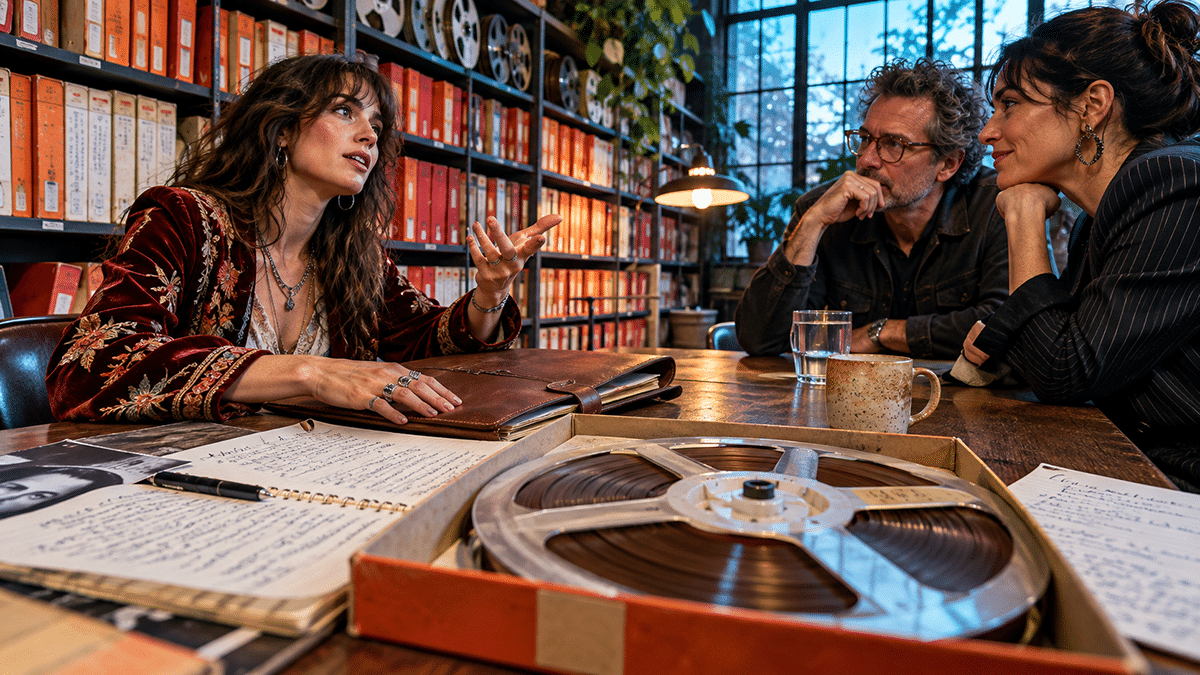
That’s a useful question for an artist with three albums and a folder full of statements going back to 2019. Maybe an old single quietly pays for your rehearsal room. Maybe the live album you almost pulled from your store still sells at every show. Maybe there’s a song that would work beautifully under the closing scene of a TV episode if anybody could find an instrumental and get both the recording and the song cleared. Pull a year or two of statements and look at which recordings bring in money, where it comes from, and who gets a share. A dollar earned from a direct sale tells you something different about the business from a dollar earned under an existing license.
A sale can make sense when the money solves a real problem or funds something with a better return. The price is only one part of the decision. An offer for a share of certain royalties leaves you with a different business from an offer that transfers the master. The master is the recording itself. The song underneath it has its own rights, and a deal can touch one, the other, or both. Find out who could approve a future license, which payments you’d keep, and when any rights would come back. A catalog that can help someone else make money deserves that much attention while it’s still yours.
LANDR and beatBread Offer Cash Now Against Streaming Income Later
LANDR and beatBread announced LANDR Artist Funding on November 16. The service gives eligible independent artists a way to explore advances based on the streaming income of their existing catalog. The appeal is easy to see if the pressing plant needs a deposit on Friday and the royalties you plan to use are arriving on a schedule known only to your distributor and the moon. The companies say artists can review the offer and its terms before deciding whether to proceed. The offer in front of you is where you’ll find the costs and which income it covers.
Say you get $5,000 up front and agree to have $6,000 recovered from a defined royalty stream. In this made-up example, all the covered income goes toward that $6,000. At $500 a month, it would take a year. At $250 a month, it would take two. A deal with a fixed end date, a different share of royalties or other terms could work differently. Run the numbers with a good month, an ordinary month and a miserable month. The miserable month tends to be more useful than the one where your bassist says, “Trust me, this single’s going to do numbers.”
There’s a big difference between borrowing against royalties to fill paid vinyl orders and doing it to buy a campaign whose main promise is exposure. With preorders, you can count buyers, price the pressing, add freight and mailers, and see what’s left after filling the orders. You can also see whether waiting or ordering a smaller run would cost less. Pay attention to what happens if streams dip, if you switch distributors, or if a track comes down. Ask exactly which releases and income are covered and whether anything else is on the hook. When a deal affects money you already use for rent, rehearsal or paying the band, a music attorney can help you read the terms before those payments go somewhere else.
A useful advance buys time to do business you already understand. Say you’ve sold out a small hometown show twice and you want to try the next size room. A deposit can secure the date, but you still need to know how many tickets cover the room, crew, and promotion. You also need a plan for the royalty checks that may be smaller while the advance is being recovered. Put the show budget next to that future cash flow. A good idea can survive being looked at in daylight.
Warner’s $2 Billion Quarter and the Economics of One Working Band
Warner Music Group reported $2.001 billion in revenue for the three months ended September 30, the first quarter above $2 billion in its history. Music Business Worldwide calculated year-over-year growth of 7.5 percent at constant currency, which takes changes in exchange rates out of the comparison. The trade publication put recorded-music subscription streaming revenue at $804 million, up 14.7 percent on that basis. Those figures show the strength of paid streaming for a company with a huge catalog and a business built to earn money from it around the world.
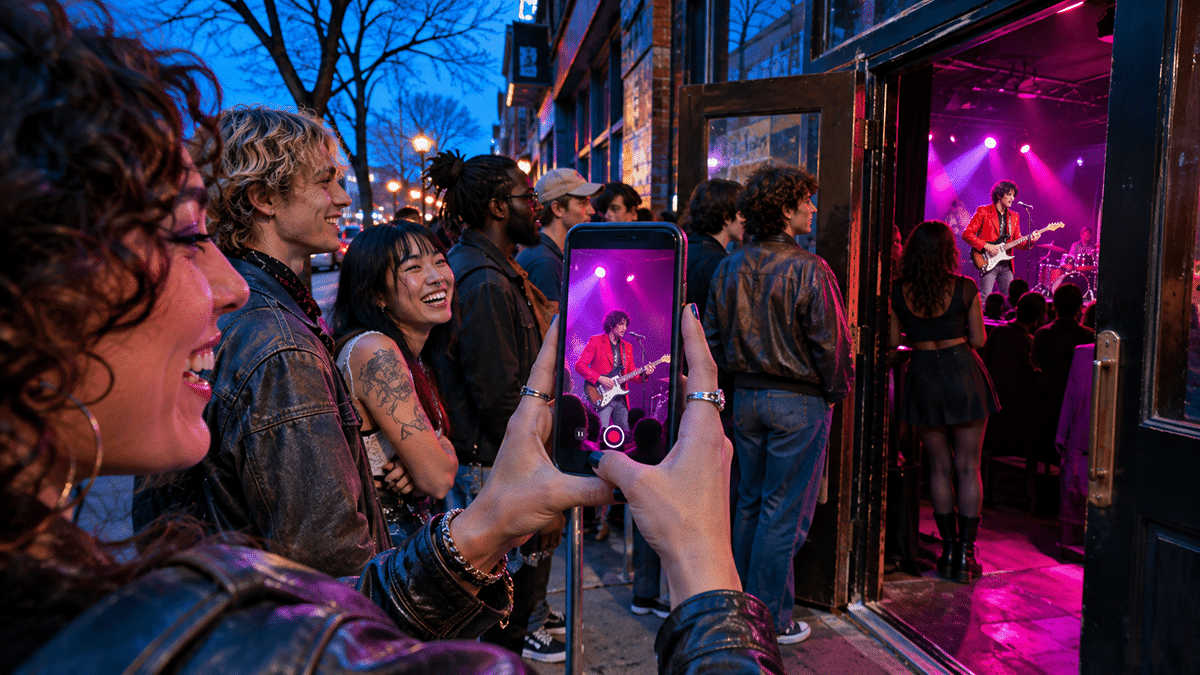
An independent act can be doing well with a ledger that looks nothing like Warner’s. Picture a band that sells 30 albums directly at $15 each on a Saturday night. That’s $450 gross, with the cost of the discs, payment fees and any venue cut still to come out. The band can track that sale against the number of people in the room, how much stock it brought, and what it paid to get there. Streaming can be how some of those people heard the band in the first place, and it can earn royalties of its own. Each part of the business has a job. The mistake is expecting one dashboard full of plays to tell you how the whole thing is doing.
What can a band borrow from the majors without also borrowing the expense account? Keep track of where the master income lands, who handles the publishing, and whether any recordings are ready to offer for film, television or games. Pay attention to which buyers return for a second show or release when they’ve agreed to hear from you. If a record is growing on streaming while the same fans are asking for a live version and you own a good recording of it, you have an offer worth testing. The Quarterly Earnings Department can wait. The person at the merch table already told you what they’d buy.
Symphonic and Sonilo Start Their AI Deal With an Opt-In
Independent distributor Symphonic and AI audio company Sonilo announced a licensing deal that allows Sonilo to train on participating independent recordings. Artists and labels have to opt in through Symphonic’s program. The announcement described licensing fees, revenue sharing and reporting, but the public coverage gave no fee schedule or revenue split artists can use to estimate a payday. The deal matters because it gives independent rights holders a choice about participation. What they get for saying yes comes down to the individual terms.
Start with a track you know well. You paid for the session and own the master. The song was written with a friend, and the chorus contains a guest vocal. Before offering the track for AI training, find out which permissions you have and which people or companies need to agree. Then look at what the license covers. Training a model on a recording, using that recording in a finished video, and generating a voice that sounds like a particular singer raise different questions. A clause that covers other models, partners or future uses can change the value of the deal. Find out what happens after the license ends, including what the agreement says about models trained while it was active.
Then follow the money like you would on any license. Is there a set fee? If there’s a revenue share, what kinds of sales count and which costs come out first? What will the report show, and can you check it against the payment? If you have ten tracks you control cleanly and thirty that require a reunion of people who haven’t spoken since the drummer quit, start by looking at the ten. An AI license could add a source of income to a catalog that already earns from sales and placements. Give it the same scrutiny you’d give a request to use your song in an ad, especially if the permission is broad or the payment is hard to measure.
TikTok Says the Hits Went Viral First. Where Did the Listeners Go Next?
In its November 18 release, TikTok said 94 percent of the songs that entered the Billboard Global 200 in 2025 had gone viral on its platform first, up from 84 percent for 2024. Luminate prepared the research for TikTok. The study looks back from songs that made the chart, so it tells you very little about an average video’s odds of turning into a hit. It also can’t tell you how much of a song’s success came from a clip versus touring, playlists, a marketing campaign or an audience the artist had already built. There’s real information in the study, even if the company that ordered it is understandably thrilled with the headline.
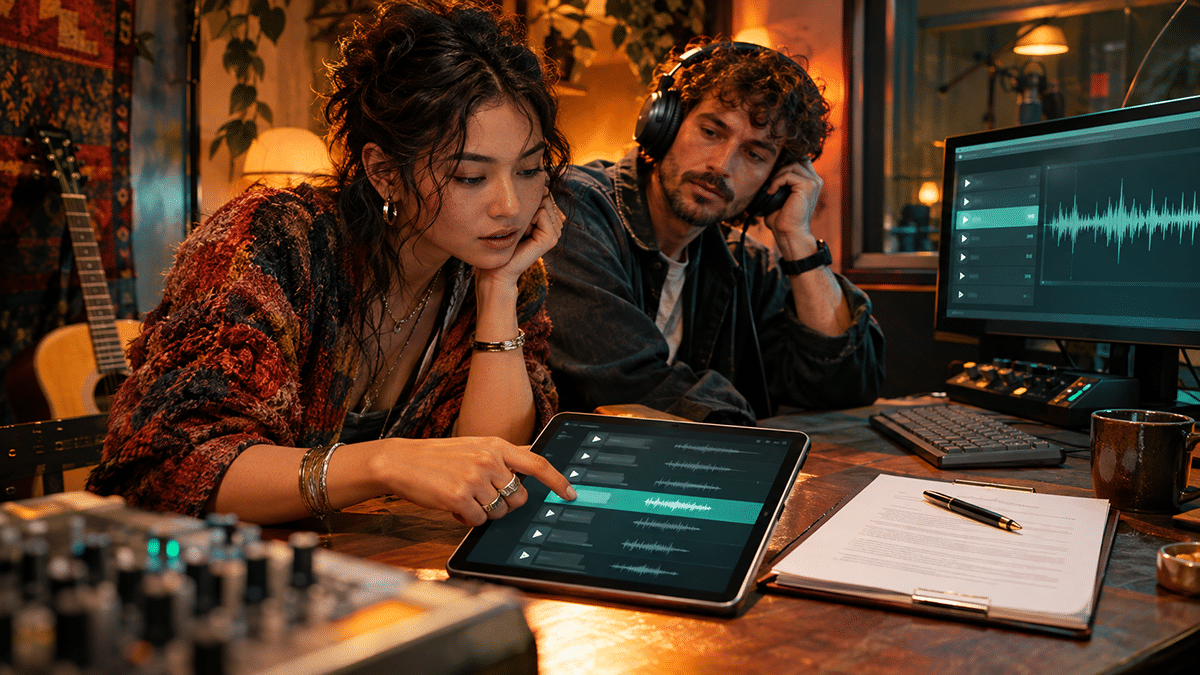
Think about what you would do if the clip of your guitar solo took off this afternoon. Could a curious listener find the full track? Is the release page ready to take an order? If your next show is in Macon, could someone nearby buy a ticket in two taps without wading through a page of old links and last summer’s tour dates? Pick a natural next step for the clip. A live version points nicely to tickets. A songwriting clip could lead to the full song and a chance to hear the demo. A producer showing how a drum sound came together might get more from linking to a studio booking page than from sending everybody to a streaming profile.
Give each offer its own link so you can see what people do after they leave the video. Two hundred people who follow a link to a ticket page give you a different kind of information from two hundred people who watched to the end. Some viewers will happily stay where they found you. Those who want more should have an easy way to buy, listen, or ask to hear from you again. That path can keep working when the clip falls out of rotation and the internet goes back to arguing about whether a guitar solo should take more than 16 seconds.
Live Nation’s Empty Seats Tell a Story About Touring
Coverage this week returned to Live Nation’s November 10 investor presentation. SportsBiz AI reported on Ticketmaster’s work on an AI fan assistant and Live Nation’s discussion of roughly 20 million empty seats across its existing shows. That figure reflects what the company described as available inventory, and the assistant was discussed as work in development. What the reporting shows is where the company sees room to grow. It already has the shows. Getting more people into the seats can bring in more money from those same dates.
That’s also a problem for a blues band trying to decide whether to book a Thursday in Charlotte. Three hundred followers across the country may be nice company on a slow afternoon. Forty people within driving distance who asked to hear about the next show are more useful when you’re sizing a room. Pair that information with past attendance, the venue’s usual draw, the guarantee and the cost of getting there. If the show needs 120 paid tickets to cover the night, you can talk to the venue about a smaller room or find a local act whose crowd is likely to enjoy the bill. That conversation is cheaper than finding out on the night that the bartender has the best seat in the house and the second-best seat is unoccupied.
AI can help a band compare old show settlements, travel costs and merch totals across cities. Start with totals by city and show date, which can be enough to spot patterns without handing over names or email addresses. Check the results against the actual settlements. A night that looked weak on ticket sales might have been a festival set with a solid guarantee. A strong merch night might owe everything to the fact that somebody finally remembered to bring the box of large shirts. The software can help sort the numbers. The people who loaded the van know the rest of the story.

Speakeasy Raises $18.8 Million for the Business Around the Show
Speakeasy raised $18.8 million in a Series A led by VMG Technology, with participation from Capital One Ventures, Positive Sum and Yamaha Music Innovations Fund. The company sells software that brings together tickets, reservations, payments, guest records and marketing. Those tools let a venue see more of what happens between the moment a person makes a booking and the moment they decide to come back. For a music venue that also runs food service, reserved seating or special events, that can affect far more than the number on the door counter.
At the band level, try keeping one record for the whole night. Include what the venue paid, what you sold at the table, what it cost to get there, and how many people asked to hear about the next gig. A show with a decent guarantee, strong record sales and a room full of people who want you back can be more valuable than a better-paying stop where you spent twice as much getting there. When you book the return date, a note to the fans in that town can sell tickets while the venue does its own promotion. Everybody has a clear job, including the fan, who gets to decide whether that email shows up in the first place.
A venue has reasons to keep its guest information close, just as the band has reasons to build its own list. Work out the arrangement before the show. A QR code at the merch table can take interested fans to a live recording and a clear invitation to join your list. A purchase receipt serves a different purpose from a request to receive future announcements. Keeping those choices clear helps both the band and the venue earn another visit without making the buyer wonder how they wound up subscribed to three calendars and a weekly menu.
Studio News for Anyone Who’s Ever Been Paid to Find a Missing Snare Track
Avid released Pro Tools 2026.11.1 on November 18, adding support for macOS 27 Golden Gate. The EUCON 2026.11 update also brought changes for engineers who mix using hardware control surfaces. Production Expert also covered the fMusic Extension, which brings tools for organizing sessions, preparing imports and managing deliverables into Pro Tools. That’s the kind of news you appreciate after opening a mix session with six tracks called “Audio” and two called “Use This One.” If a tool makes it easier to sort tracks and prepare prints, the benefit shows up in the time you can spend mixing, taking another booking or going home before the diner stops serving breakfast.
The other studio story is about what happens when the gear inside the computer changes. Production Expert reported this week that Spitfire Audio had ended updates and support for LABS and LABS+ on October 31 as most of the content moved to Splice INSTRUMENT. Splice says existing projects will still call for the LABS plug-in. To move an old session over, you have to replace the instrument and load the matching preset yourself. Production Expert also reported that two older packs hadn’t made the move. If a client asks for a new cut of a record you mixed two years ago, those details can determine whether you spend the afternoon doing paid creative work or looking for an old piano sound.
Build an archive somebody can actually use. Print essential virtual instruments to audio and save the MIDI, so a future engineer can recover both the sound and the performance. Save grouped stems with clear names and a shared start point, then check them by dropping them into a blank session. If a client might want instrumentals, clean versions or short edits for licensing, price those deliverables while the mix is open. The artist gets files ready for an actual pitch, while the engineer gets paid for the work that goes into them. Even a modest archive package can earn its keep the first time a supervisor wants the version without vocals by the end of the day.
Elton John Backs Australian Creators in the AI Copyright Fight
At Australia’s ARIA Awards, Elton John appeared by recorded message in support of Not AI’s to Take. The campaign wants creators consulted and compensated when companies use their work to train AI. Australia’s government had already said its review of copyright and AI would exclude a text and data mining exception, the kind of carve-out that can allow certain computer analysis of copyrighted material without individual permission. That leaves room for debate over what other rules should apply and how musicians would be paid in practice. An awards-night appeal keeps that debate visible. It also gives the public a chance to hear from people whose work is part of what the companies are asking to use.
For an independent artist, the paperwork is where a global debate turns into a local business decision. A track available around the world may still be subject to different deals for different uses. The person collecting publishing royalties may have one job. The distributor handling the master may have another. If someone offers to pay for training rights, pull the agreements and start with what each partner can license and where. Keeping a record of who approved a use, for which tracks and for how long makes it easier to follow the money and answer questions when a new offer arrives.
There’s a place for Web3 tools here when they do a specific job. An artist could use a shared transaction record to track transfers of a limited digital collectible or check which buyer can claim a perk. The terms still need to say whether that perk is a download, a ticket or something else the artist can deliver. Keep the master, the signed rights agreements and the fan’s private details in appropriate records you control. A tool that helps a fan claim a paid benefit or helps an artist verify a sale has a business purpose you can explain without making everyone sit through a forty-minute talk about wallets.
The Most Valuable Part of Your Following May Be the Part You Can Reach
In a November 19 opinion piece for Music Business Worldwide, Motive Unknown founder Darren Hemmings argued that music marketing is changing and that artists and labels with direct fan relationships will be in a stronger position. That’s his view as a marketer. Its practical appeal is easy to see from the artist’s side of a show. Suppose 500 supporters each spend an average of $75 a year across tickets, albums, shirts or memberships. That comes to $37,500 in gross sales before costs. It’s an illustration, and getting there takes repeat business, fair prices and enough margin to pay the people doing the work. It does give you a way to think about a sustainable regional career without penciling in a stadium tour.
The trust behind those sales can be fragile. A fan who signed up for news about local gigs probably wants an email with a date, a room, and a ticket link. The person who bought three vinyl releases might like to know when the next pressing goes on sale. Those are good reasons to keep a permission-based list with records you can export when you switch services. They’re also good reasons to keep those messages relevant. Fans already get enough email from companies that somehow remember the shoes they looked at in 2018.
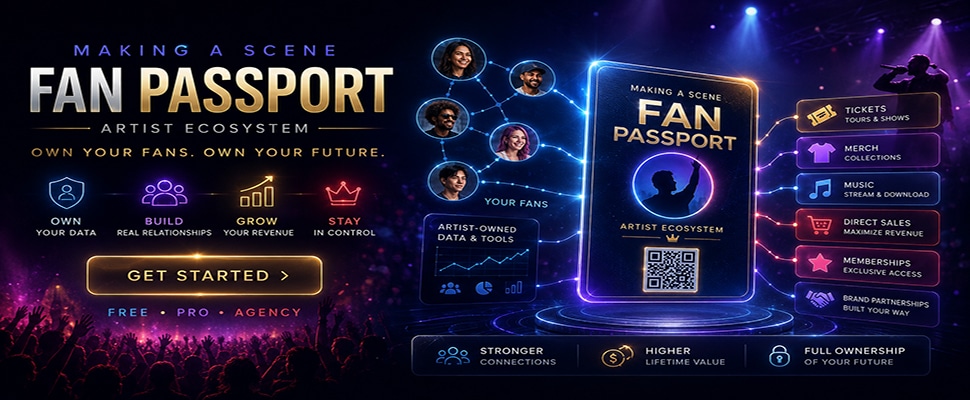
That’s part of the thinking behind the Making a Scene Fan Passport Artist Ecosystem. An artist can organize release and rights information and build direct fan relationships around the work. The Smart Media direction brings the same idea to physical merch. A band could sell a collectible with a QR code or NFC tag that opens a performance or bonus track on the artist’s own site. The fan gets what they paid for from the artist’s hosting, with a separate choice to sign up for news or rewards. For a band with a good merch table and a live recording worth hearing, that’s a way to add something to a physical sale and give the fan a reason to come back. Making a Scene Fan Passport Artist Ecosystem
What the Music Industry Middle Class Looks Like From Here
The useful lesson from this week’s pile of corporate announcements is in the stuff the companies are willing to pay for. They’re putting money behind recordings that keep earning, tools that connect a ticket sale to a return visit, and licenses that let them put music to work in new ways. An independent artist can act on the same information at a smaller scale. Get the old releases and their royalty statements in one place. Make it easy to say yes when a good license comes along. Put an offer on your own site that gives a new listener somewhere to go after the clip ends. If the next show is a success, know how to invite the people who want to come back.
A music industry middle class can include the engineer who gets paid to prepare a usable licensing package, the songwriter who still earns from a record cut six years ago, and the band with enough repeat buyers in four towns to make the driving worthwhile. Each of them can work with distributors, venues and software companies as the business grows. They can also judge those partnerships by what the arrangement puts in their pocket and what they’ll still control when it ends. You may never need a $665 million financing package. Having a recording you can still license, a show you can afford to play, and fans who know where to find you next Friday will do a surprising amount of work.
 |  Spotify |  Deezer |  Breaker |
 Pocket Cast |  Radio Public |  Stitcher |  TuneIn |
 IHeart Radio |  Mixcloud |  PlayerFM |  Amazon |
 Jiosaavn |  Gaana |  Vurbl |  Audius |
 Reason.Fm | |||
Find our Podcasts on these outlets