Listen to the Podcast Discussion to gain more Insight how The Playlist Era is Fading
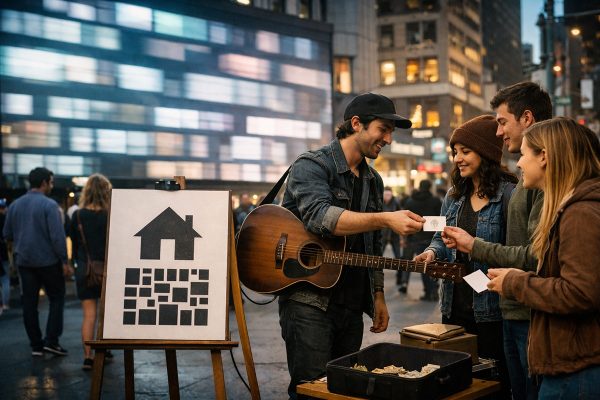
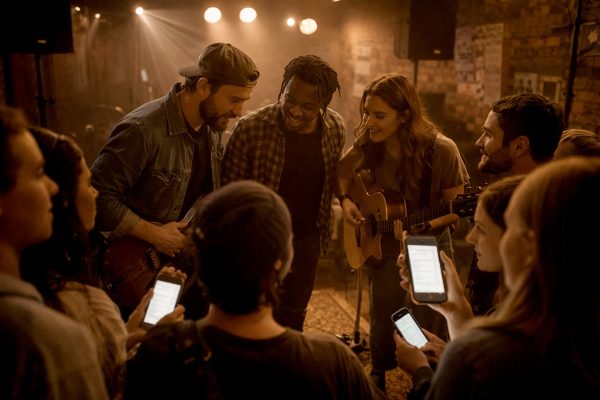
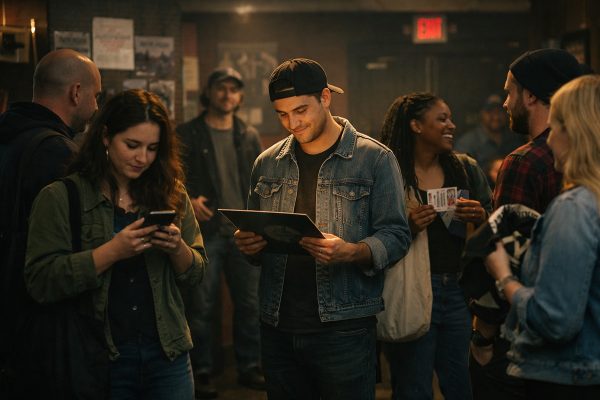
Picture the modern indie grind for a second. You drop a single, you refresh your stats, and you squint at that tiny spike hoping it turns into a staircase. Maybe you’re watching Spotify for Artists and tracking what happened after you pitched, posted, begged, and boosted. Spotify will happily show you audience behavior, segments, and trends, and it even offers promo tools through things like Campaign Kit.
The Van, the Laptop, and the Lie We Tell Ourselves
Listen to the Podcast Discussion to gain more Insight into why Crowdfunding is not a business plan
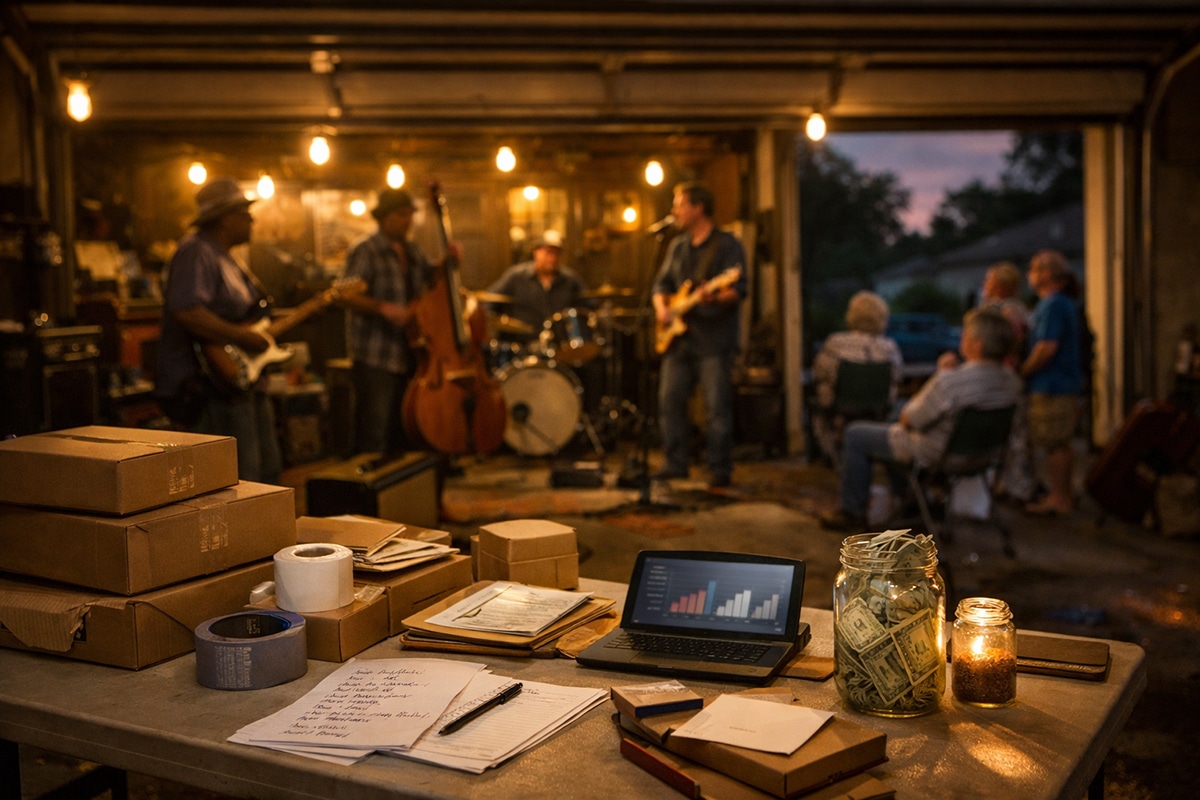
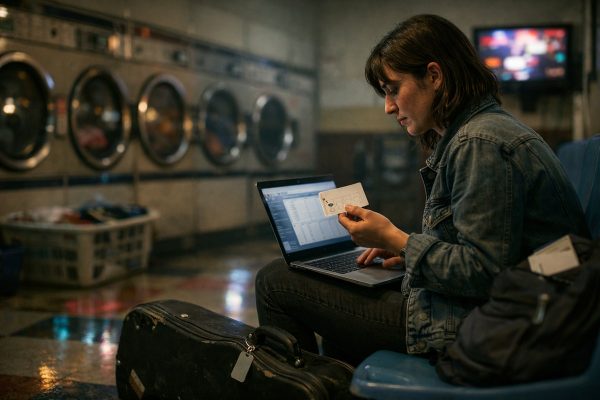
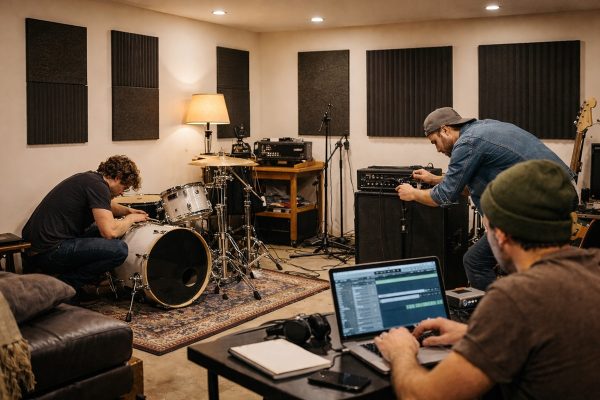
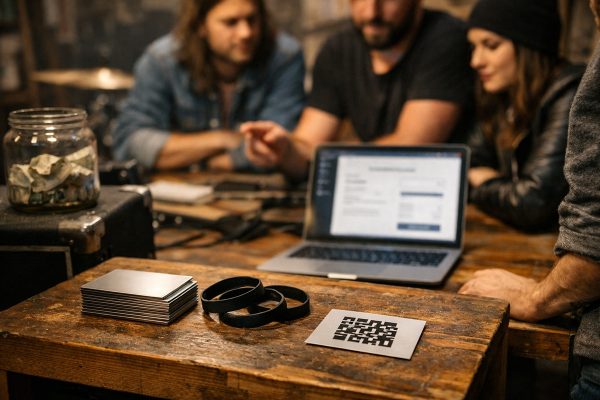
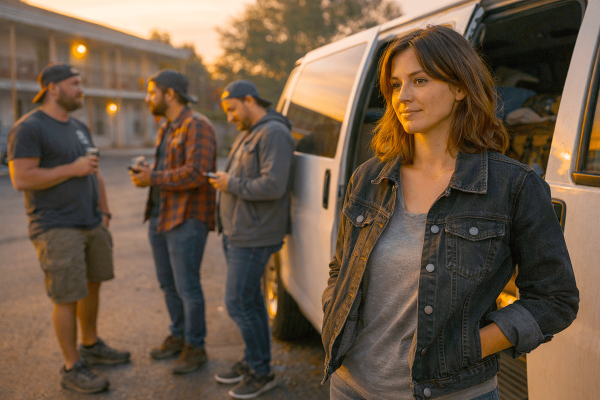
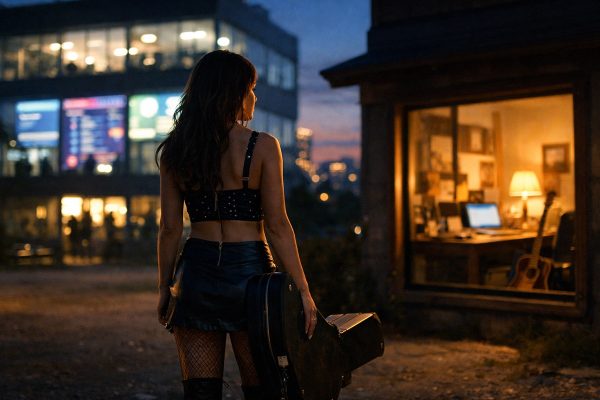
The van smells like reheated coffee, gaffer tape, and the kind of optimism that only survives because musicians are stubborn. The band is parked outside a rehearsal space they pay for by the hour, and instead of loading in, they’re huddled around a laptop like it’s a campfire. The screen is a crowdfunding draft page with reward tiers, shipping promises, and a stretch goal that reads like a prayer you’re trying to pass off as strategy.
Listen to the Podcast Discussion to Gain More Insight into the Studio Stack!
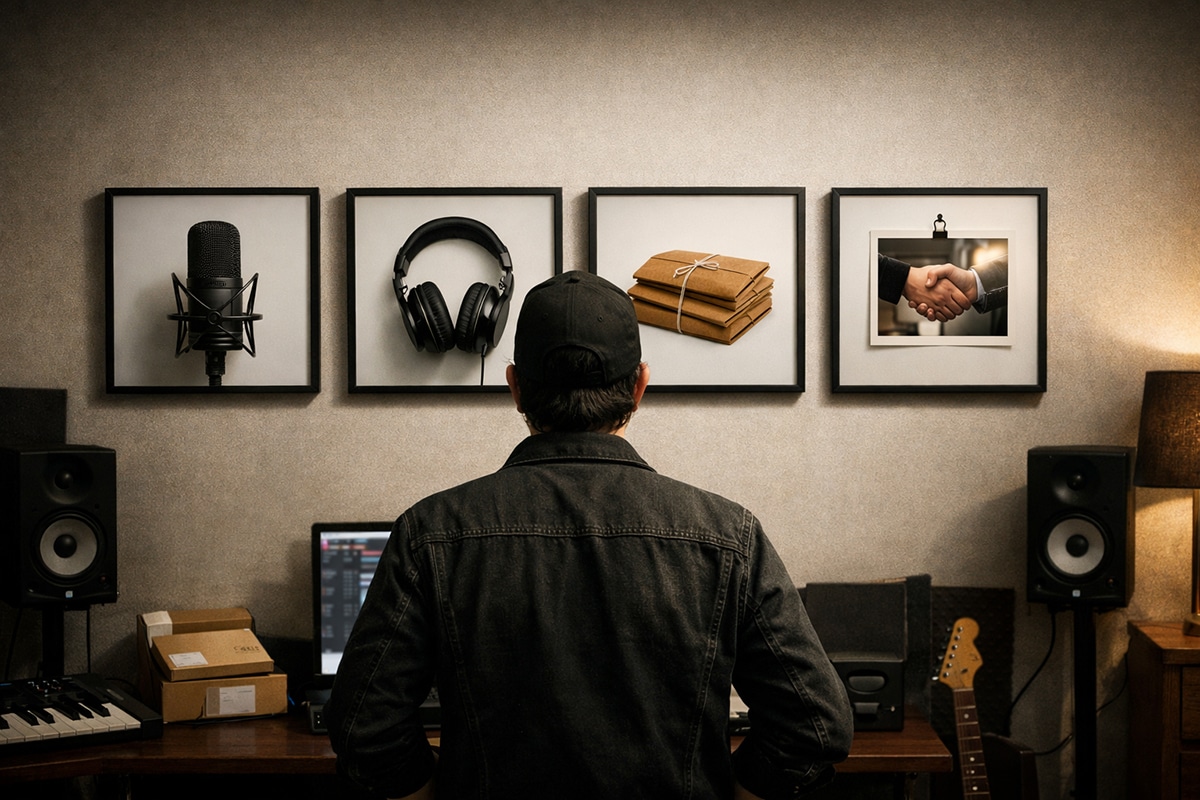
The Moment You Stop Calling It “Just A Home Studio”
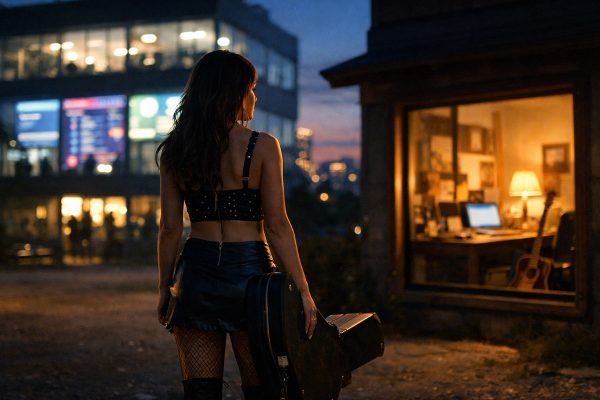
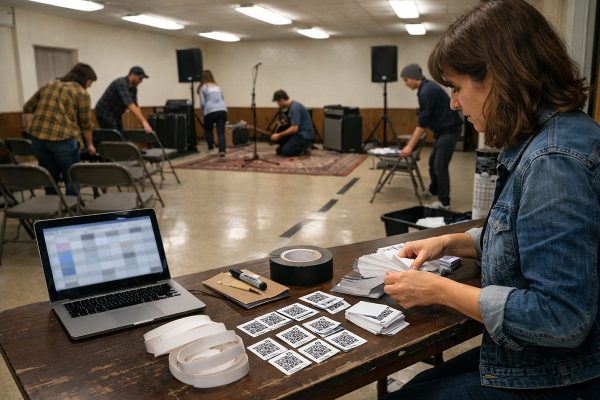
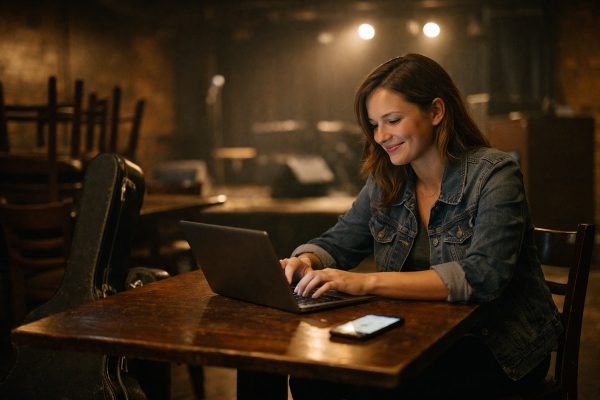
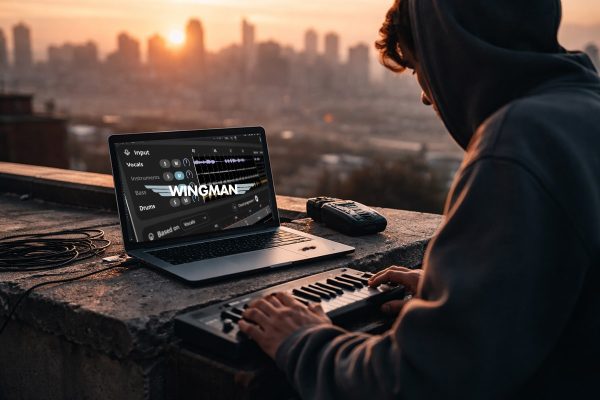
There’s a quiet moment that happens for a lot of U.S. indie artists. It usually hits when you finish a track at home that actually holds up in the car, on earbuds, and on a cheap Bluetooth speaker. Not “good for a bedroom.” Just good. You bounce the final mix, upload it, send it to a friend, and they say the one sentence that changes everything: “Who recorded this?” That’s the moment you realize the home studio isn’t only a creative space. It’s a production asset. It can make inventory. And inventory is what a micro-enterprise lives on.
Listen to the Podcast Discussion to Gain More Insight into Making money before the release!
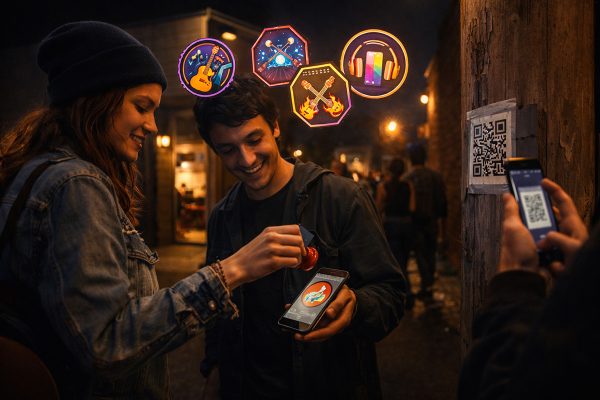
There is a bad habit baked into the modern music business. An artist spends months writing songs, paying for recording, fixing mixes, shooting photos, cutting videos, building cover art, and lining up a release date. Then release day comes, the music goes live, everybody posts the same link at the same time, and the artist waits. They wait for streams. They wait for playlist adds. They wait for press. They wait for social media to care. They wait for money that may never really come. That is not a business model. That is a prayer circle with a distro account.
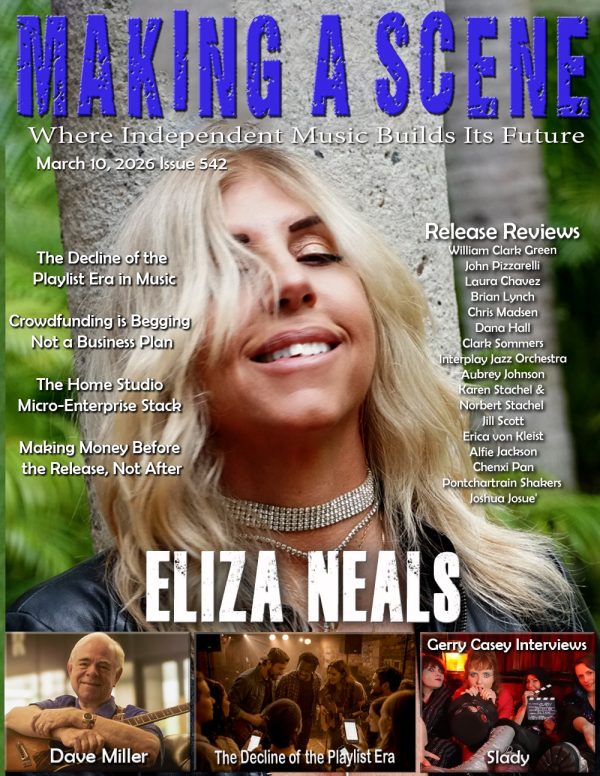
Eliza Neals is a Detroit-born blues-rock force, and on her 13th studio album, Thunder in the House, she leans fully into the elements that have always made her sound hit different: grit, soul, spirituality, and the unmistakable heartbeat of the city that raised her.
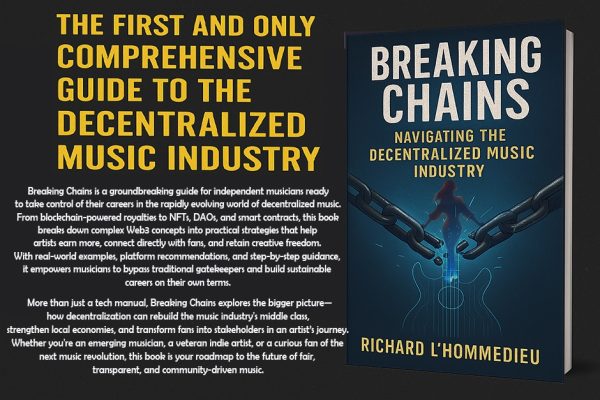
Tired of streaming pennies while gatekeepers cash in?
It’s time to take back control.
🔥 Now Available in Kindle, Paperback, and Hardcover.
⚡ Exclusive Collector’s Run: Only 50 hand-numbered, signed editions exist. When they’re gone, they’re gone forever.
👉 Claim your copy today—and take your place in the future of indie music.
“Breaking Chains” is a timely and insightful exploration of how decentralization is reshaping the music industry. Richard L’Hommedieu draws on deep industry knowledge to examine the shifting balance of power between artists, labels, and digital platforms. The book offers both a critique of the traditional music business and a roadmap for musicians seeking independence in a rapidly evolving landscape. With clear explanations and practical strategies, L’Hommedieu empowers readers to understand blockchain, streaming economics, and new models of ownership. More than just a guide, it’s a call to artists to reclaim control of their work and careers. A must-read for musicians, managers, and anyone curious about the future of music."
A Statement of Commitment to Independent Music Community For 2026
Listen to the Podcast Discussion to see how Making a Scene is going Support the Indie Music Community in 2026
Making a Scene is reaffirming and expanding its commitment to the independent music community with a clear editorial mission: to continue delivering in-depth, practical journali/sm that helps artists take control of their careers instead of asking for permission from systems that were never designed to work in their favor. This commitment is not rooted in trends, hype cycles, or surface-level commentary.
It is grounded in the belief that a healthy music ecosystem depends on a strong, informed, and economically sustainable music industry middle class made up of independent artists who understand both their creative value and their business power.