The Hidden Economics of Being an Indie Artist in 2026




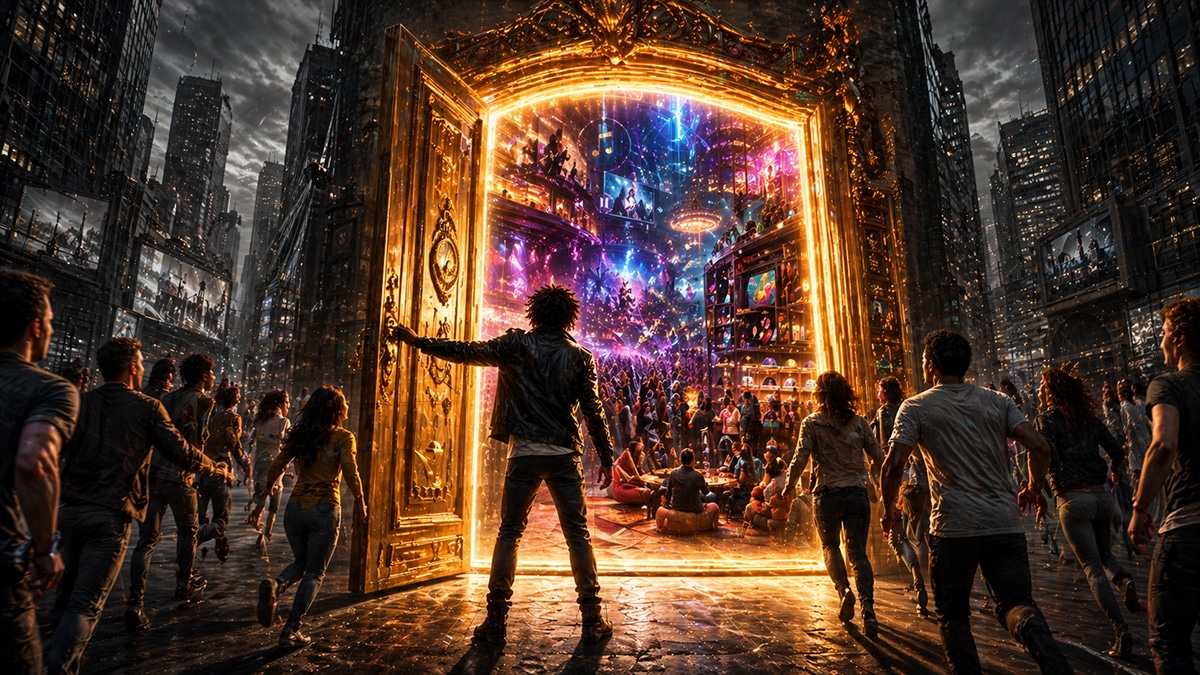
Making a Scene Presents – The Hidden Economics of Being an Indie Artist in 2026: A Survival Guide to Lower Costs, Increase Revenue, and Own Your Fans
Listen to the Podcast Discussion
For years, independent artists were sold a dream. The pitch was simple and powerful. You no longer needed a label. You no longer needed permission. You could record at home, upload your music worldwide, build an audience online, and create a real career on your own terms. Compared to the old days of expensive studio time, manufacturing costs, and gatekeepers controlling radio and retail, it sounded like freedom had finally arrived.
And in many ways, it did.
But what a lot of artists discovered after stepping into that freedom was something nobody talked about enough. Freedom came with overhead. The modern independent musician did not just inherit opportunity. They inherited the entire business.
In 2026, an indie artist is often the songwriter, performer, producer, social media manager, booking agent, merch department, customer support desk, ad buyer, accountant, and strategist all at once. They are expected to create music, release content constantly, answer messages, travel, promote, analyze numbers, manage subscriptions, and somehow still stay creative. Many are running full businesses without realizing they are business owners.
That is where most artists get into trouble.
They think they are trying to “make it in music,” when in reality they are trying to run a media company, direct-to-consumer brand, and live entertainment business at the same time.
The good news is this: once you understand that truth, everything becomes clearer. You stop chasing random vanity metrics and start building a system. You stop asking how to get more followers and start asking how to build stronger margins. You stop sending fans into platform machines and start building a home where fans stay with you.
This guide is about understanding your business, reducing waste, increasing revenue, and creating an artist-owned ecosystem that works for you instead of feeding everybody else.
You Are Not Just an Artist Anymore
Many musicians still think of business as something separate from creativity. In their minds, the music is the real work and the business side is an annoying distraction that has to be dealt with later. They see songwriting, recording, and performing as the meaningful part, while budgeting, marketing, audience building, and revenue planning feel like chores. That way of thinking is common, but it can quietly damage careers.
The truth is that for an independent artist, creativity and business are already connected. The moment you release songs, book shows, sell tickets, collect email addresses, post content, run ads, sell merchandise, or build a fan community, you are no longer only making art. You are operating a business built around your art.
That should not feel discouraging. It should feel powerful.
When you understand that your music career is a business, you stop waiting for someone else to make it work for you. You begin making decisions like an owner instead of reacting like a hopeful outsider. You start looking at tools and asking whether they actually create revenue or simply look impressive on social media. You start examining tour routes and asking whether they produce profit or just create photos that make you appear busy. You begin questioning whether a platform is helping you build long-term assets, or whether it is simply renting your own audience back to you one post at a time.
That shift in thinking changes everything.
Instead of chasing every shiny opportunity, you begin focusing on systems that create lasting value. Instead of measuring success only by likes, streams, or follower counts, you begin measuring it by fan relationships, repeat buyers, profitable shows, owned data, and growing income. Instead of feeling trapped by the business side, you begin using business knowledge to protect your creativity.
This mindset shift is one of the most important moves an indie artist can make in 2026. Once you stop seeing business as the enemy, it becomes one of the strongest tools you have to build a sustainable life in music.
The First Leak in Most Careers: Sending Fans Away
One of the biggest mistakes many artists still make is sending fans away at the exact moment interest begins.
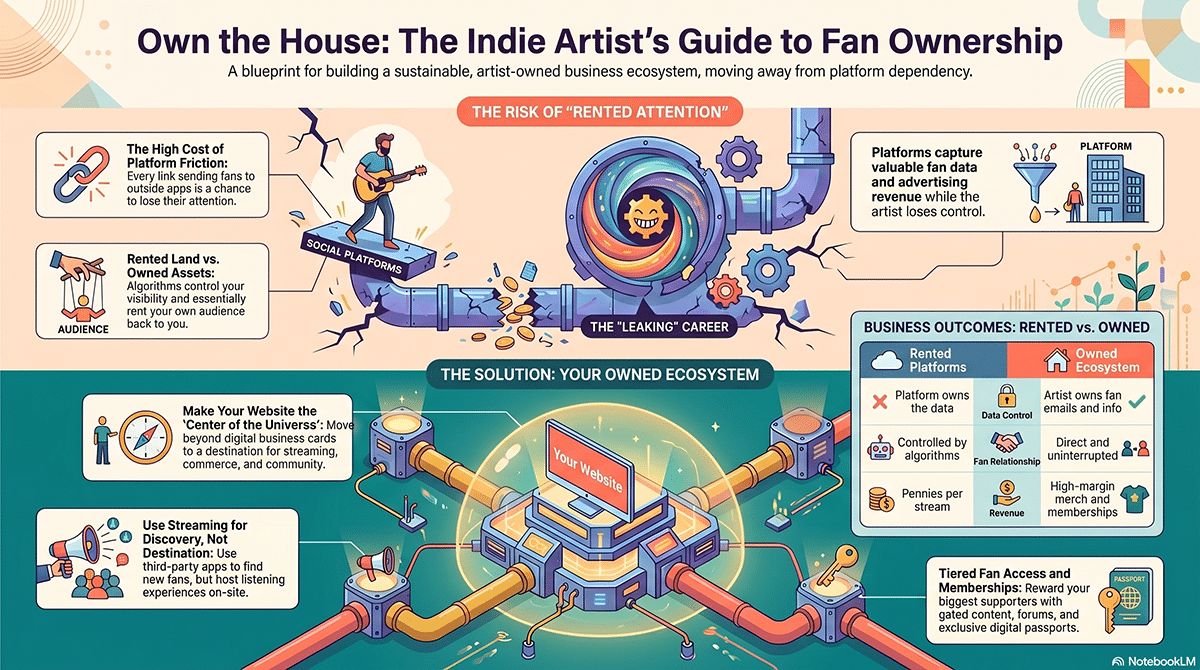
A listener hears your song on a streaming platform and wants to know more. They click your profile, then get pushed toward a social media page. From there, they click a link hub. From that hub, they may jump to a merch store on another website, then over to a ticketing page, then back to a streaming app. At every stage, the fan is being moved from one platform to another instead of being guided deeper into your own world.
That creates a serious business problem.
Every extra click adds friction. Every outside platform creates new distractions. Every redirect gives the fan another chance to lose focus, get interrupted, or disappear into someone else’s algorithm. What started as genuine interest can easily turn into a lost opportunity.
The platforms benefit from this system because it keeps users bouncing around digital spaces they control. The longer fans stay inside those ecosystems, the more those companies gain through data, advertising, and engagement. But for artists, it often means losing control of the relationship at the exact moment it could have become valuable.
Your goal should be much simpler and much smarter. When a fan becomes interested, bring them into your world and give them reasons to stay there.
That means building a website that works the way successful platforms work. It should not be a lifeless digital flyer with a short bio, a few photos, and links that send people elsewhere. It should be a living fan environment designed to hold attention, reward curiosity, and encourage deeper connection.
When someone lands on your site, they should be able to listen to music immediately, watch videos, browse merch, join your mailing list, see upcoming shows, unlock exclusive content, join discussions, and explore more of what makes your project unique. The experience should invite them to stay longer instead of pushing them back into the machine.
Attention is valuable.
Do not rent it out the moment you earn it.
Your Website Should Be the Center of the Universe
Too many artists still treat their website like an online business card. It becomes a simple page with a photo, a short bio, a few links, and maybe a contact form. In 2026, that approach is outdated and leaves a lot of opportunity on the table.
Your website should be far more than a place to prove you exist. It should be the center of your business and the home base of your fan ecosystem. It should function as your headquarters, your store, your streaming destination, your fan club, your community center, your data engine, and your conversion machine all in one place.
Think of social media as the billboard outside town. It can get attention, create awareness, and point people in your direction. But the billboard is not where the relationship happens. Your website should be the building people enter once they are interested.
Platforms such as WordPress, WooCommerce, and Shopify make it possible for artists to build owned digital systems that can rival many of the experiences fans expect from larger platforms. You no longer need to depend entirely on outside companies to create professional fan experiences.
When someone lands on your site, they should be able to do much more than read a paragraph and leave. They should be able to hear your music immediately through embedded streaming players, watch exclusive videos, browse tour dates, buy merchandise, join your email list, access members-only content, discuss songs in a forum, earn rewards, and feel like they have entered a real community.
That experience matters because attention is valuable. If a fan gives you their time, your site should reward that time with depth, entertainment, and connection.
The major social platforms understand this very well. They are built to keep users engaged because engagement creates revenue. The longer people stay, click, watch, and interact, the more valuable that traffic becomes.
Your website should be designed with the same principle, but for your benefit instead of theirs.
The goal is not simply to have a website. The goal is to create a destination that fans want to return to again and again.
That is how you stop feeding the machine and start building one of your own.
Add Music Streaming to Your Own Site
Token Gated Areas and Exclusive Fan Access
One of the smartest shifts in modern fan ownership is creating gated access for your biggest supporters.
Gated access simply means certain content, experiences, or benefits are available only to fans who join, subscribe, purchase, or hold a digital access pass. This can be managed through passwords, paid memberships, subscription plans, fan clubs, or Web3 token-gated systems. The goal is not hype or technical gimmicks. The real goal is to reward genuine supporters with a deeper and more valuable experience.
Platforms such as Unlock Protocol make it possible to build access systems tied to ownership or membership. Fans can unlock private sections of your website that include unreleased songs, exclusive live recordings, behind-the-scenes videos, early ticket access, private chat rooms, members-only livestreams, discounted merch, collectible digital items, or special content not available to the general public.
This creates two powerful benefits at the same time.
First, fans feel recognized and appreciated. They are no longer anonymous followers in a giant algorithmic crowd. They become identified members of your community with access, status, and perks. That sense of belonging is valuable and often becomes stronger than simple passive listening.
Second, artists create more stable revenue and stronger long-term loyalty. Instead of depending only on random streams or hoping someone remembers to buy a ticket later, you build a supporter who contributes monthly, visits regularly, and stays engaged over time.
That is a much healthier business model than chasing endless passive listeners who may never return.
Casual listeners consume content.
Members build careers.
Build a Forum, Not Just a Feed
Social media feeds are rented land. Online communities you own are long-term assets.
When fans interact with you on major social platforms, they are doing it inside systems controlled by someone else. Algorithms decide who sees your posts, when they see them, and whether they see them at all. A strong post can disappear from attention within hours. Conversations get buried under new content, comments become difficult to revisit, and meaningful fan interaction is constantly interrupted by competing creators, ads, and platform priorities.
That creates a weak foundation for building lasting relationships.
A community space on your own website changes the model completely. Instead of fans gathering in borrowed digital territory, they gather inside a world you control. You decide the experience, the features, the culture, and the direction. Fans can discuss new songs, share concert memories, post photos, talk about gear, suggest merch ideas, vote on setlists, ask questions, and help welcome newer supporters into the fold.
The most important shift is not simply that fans can talk to you. It is that fans begin talking to each other.
When supporters connect with one another, they stop acting like isolated listeners and start becoming part of a real scene. They build shared memories, inside jokes, recurring traditions, and loyalty that extends far beyond a single release cycle. That kind of connection is much stronger than the temporary attention created by trending posts or short-lived algorithm spikes.
Scenes last longer than trends because scenes are built on relationships.
Your website community can become the digital version of staying after the show, hanging around the merch table, meeting people in line, and talking music late into the night. It gives fans a reason to return even when you are not actively promoting a new song or selling something that week.
The good news is that building this kind of community is more accessible than ever. If you use WordPress, you can create a fan forum or member hub with tools like bbPress, which adds classic forum functionality directly into your site. BuddyPress can turn your website into a social network with member profiles, activity feeds, messaging, and groups. BuddyBoss Platform expands that idea into a polished premium community experience ideal for memberships and fan clubs.
If you want gated community access tied to paid memberships, MemberPress and Paid Memberships Pro allow you to lock forums, content areas, and premium spaces for paying supporters. If you want blockchain-style ownership access, Unlock Protocol can help create token-gated fan areas. For live fan interaction, WP Stream can power private livestreams directly on your own site.
You can also strengthen community engagement by combining these tools with stores like WooCommerce, allowing fans to buy merch, access rewards, and participate in your ecosystem without ever leaving your domain.
That kind of ongoing engagement has real business value. Loyal communities buy more merchandise, travel to more shows, support memberships, join exclusive releases, and recommend your music to others with far more credibility than paid advertising ever could.
Traffic may visit once.
Community comes back.
Understand Costs Like an Owner
Many independent artists can tell you the key change in the second verse, the microphone used on the vocal, and the exact snare sample layered into the chorus. They can explain the emotional meaning behind every lyric and remember the setlist from a show two years ago. But ask some of those same artists what it costs them to gain one real fan, what percentage they make on a shirt sale, or whether their last weekend run actually turned a profit, and the room often gets quiet.
That gap is where careers stall.
Talent matters. Songs matter. Live performance matters. But if you do not understand the economics behind your operation, you can work harder every year while staying in the same place financially. Many artists are not failing because of a lack of creativity. They are failing because they are running businesses without reading the scoreboard.
That has to change.
The first step is learning to track your recurring monthly costs with complete honesty. Every business has overhead, and your music career is no different. Website hosting costs money. Premium plugins cost money. Email systems cost money. Text marketing tools cost money. Advertising costs money. Streaming software, editing subscriptions, rehearsal spaces, storage units, gas, tolls, printing, gear payments, insurance, and payment processing fees all add up. Many artists lose money not through one giant expense, but through dozens of small leaks that never get measured.
Think of it like a studio signal chain with noise in every cable. One little buzz may not seem serious. Ten small problems together ruin the mix.
Once you know what leaves your pocket each month, the next step is comparing those costs to the money coming in. This is where real business clarity begins. Which revenue streams are dependable? Which are seasonal? Which look impressive publicly but underperform privately? Which products give you the strongest return for the least effort?
For example, merchandise should not be viewed as random side income. It should be treated like a product line. A shirt that costs $9 landed and sells for $30 has one set of economics. A hoodie that costs $28 landed and sells for $45 has another. One may create stronger margin, while the other may move slower but raise average order value. If you never calculate this, you are guessing instead of managing.
The same logic applies to music releases. If a single costs $1,500 to produce and market, what did it create beyond streams? Did it grow your email list? Did it drive ticket sales? Did it increase merch sales? Did it move fans into your membership area? If the answer is no, then it may have been culturally successful but commercially weak. That is not failure, but it is information.
Advertising is where many indie artists either waste money or build leverage. A $500 campaign that produces likes, empty comments, and vanity views may feel exciting in the moment, but those metrics rarely pay bills. A $500 campaign that brings in fifty real email subscribers who later buy tickets, stream repeatedly, and purchase merch can become one of the smartest investments you make. The difference is not the ad budget. The difference is whether you are measuring outcomes that matter.
This is why fan ownership is so critical. If you send traffic back into outside platforms, you lose visibility into who responded. If you send traffic to your own website, landing page, or fan portal, you can track signups, purchases, locations, and behavior. You begin learning what converts attention into income. That is the beginning of real control.
Touring needs the same level of honesty. Many artists treat any busy room as a win, even if the numbers say otherwise. A city may feel exciting because the crowd was loud, but if travel, lodging, fuel, food, and lost time exceeded revenue, then that market needs a different strategy. Maybe the room is too large. Maybe ticket pricing is wrong. Maybe you need local support acts. Maybe you should pair two nearby cities into one profitable weekend. Maybe you should skip it for now.
On the other hand, a smaller city that quietly buys merch, tips well, and returns every time may be one of your best markets. The ego often prefers prestige cities. The spreadsheet prefers loyal cities.
The same pattern thinking applies online. If one shirt design always sells out, reorder it immediately and consider color variations or limited editions. If acoustic performance clips consistently drive people to your site, make more of them. If behind-the-scenes studio content leads to email signups, build a recurring series around it. If livestream Q&A nights convert fans into paying members, schedule them monthly.
Too many artists make decisions emotionally. Owners make decisions based on patterns.
This does not mean becoming cold or corporate. It means respecting your art enough to protect its future. It means making sure the music you love has a sustainable engine behind it. It means understanding that profit is not greed. Profit is what lets you record again, tour again, hire help, upgrade gear, market releases, and reduce stress.
A simple monthly review can change everything. Sit down once a month and look at four categories: money in, money out, what is growing, and what is leaking. Ask yourself which actions created the most meaningful results. Ask what drained time without producing return. Ask what fans responded to most strongly. Ask where you are spending like a hobbyist instead of investing like an owner.
Over time, this habit builds momentum. You stop repeating expensive mistakes. You double down on what works. You become calmer because decisions are based on evidence, not panic.
The artists who last in 2026 and beyond will not always be the most viral. They will often be the ones who understand their numbers, protect their margins, own their audience, and move quickly when patterns appear.
Songs start careers.
Systems sustain them.
That is why artists need to become owners.
Use AI to Lower Labor Costs
Artificial intelligence is becoming one of the most valuable tools available to independent artists because it allows small operations to function with the efficiency of much larger teams. Most indie musicians do not have the budget to hire a full-time marketing department, graphic designer, assistant, customer service rep, copywriter, and strategist. AI can help bridge that gap by handling many of the repetitive tasks that normally eat up time, energy, and money.
For example, tools like ChatGPT can help artists draft newsletters, write product descriptions, create landing page copy, build fan follow-up emails, announce tours, brainstorm campaign ideas, and organize release schedules. Instead of staring at a blank screen for two hours trying to write a message to your audience, you can create a strong first draft in minutes and then personalize it in your own voice.
Visual tools such as Canva make it easier to create promotional graphics, tour flyers, album announcements, social posts, and branded marketing materials without hiring a designer for every small project. Audio and video tools like Descript can dramatically speed up editing by allowing artists to trim interviews, podcasts, video clips, captions, and spoken content through text-based workflows. Messaging systems like ManyChat can automate common fan interactions, answer basic questions, deliver welcome messages, and guide supporters toward merch, tickets, or memberships.
When used correctly, AI can save artists hours every single week.
That matters more than many people realize because time is one of the most expensive resources in any music career. Every hour spent answering repetitive messages, resizing graphics, rewriting announcements, editing captions, or organizing tasks is an hour not spent writing songs, rehearsing, recording, networking, planning shows, or recovering your energy.
The smartest use of AI is not replacing your personality or removing the human side of your art. Fans still want connection, authenticity, and real emotion. No software can replace the experience of your story, your voice, or your relationship with supporters.
The real opportunity is using AI to automate the boring parts of the business so your human energy goes where it creates the most value.
Let the machines help with the paperwork.
Save the soul for the music.
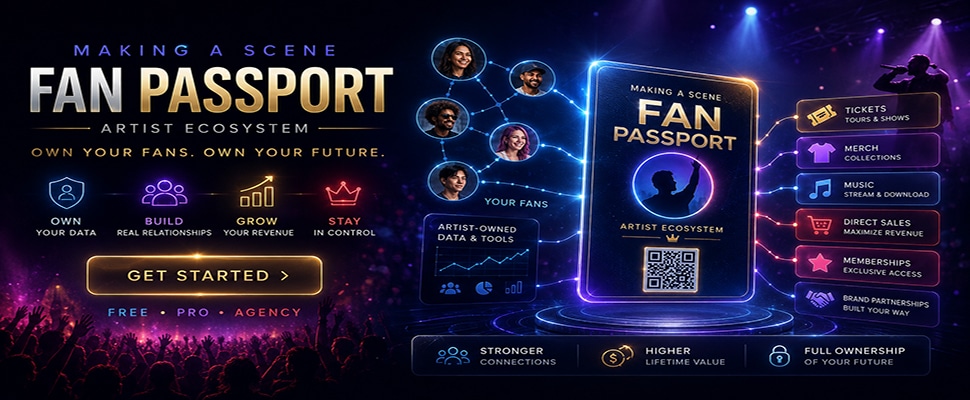
Create a Fan Passport System
One of the most powerful ideas for fan ownership is the fan passport.
A fan passport can track attendance, purchases, memberships, cities visited, and loyalty milestones. It can reward fans for showing up repeatedly. It can unlock new tiers, private content, discounts, or status badges.
This can be done through apps, membership systems, QR code check-ins, or Web3 proof tools like POAP.
Why does this matter?
Because most artists know very little about their best fans. Streaming platforms know more about your listeners than you do. That is backward.
A fan passport flips the model. You begin understanding who supports you, where they live, how active they are, and what they value.
That data can guide touring, merch design, offers, and fan experiences.
Touring Smarter Instead of Bigger
Many independent artists still believe that bigger tours automatically mean bigger success. They assume that covering more miles, hitting more cities, and posting longer tour schedules is proof of progress. Sometimes it is. But many times, bigger tours simply create bigger expenses.
A long route can look impressive online while quietly draining money through fuel, hotels, food, van repairs, tolls, crew costs, and lost recovery time. The social media version of touring often shows sold-out photos and stage lights. It rarely shows the spreadsheet.
A smarter strategy is to grow from strength instead of chasing geography.
Start by identifying the markets where you already have real support. Look closely at your email signups, merchandise orders, past ticket buyers, streaming city data, and fan passport activity if you use one. These numbers tell you where actual interest exists, not where you hope it exists.
If cities like Atlanta, Nashville, Charlotte, and Tampa consistently respond to your releases, buy tickets, open emails, or purchase merch, that is not random information. That is market validation. Instead of spending heavily to force your way into distant prestige markets, build a strong Southeast circuit first. Return regularly. Strengthen those relationships. Learn which venues work, which weekends perform best, and what merchandise sells in each city.
That repeated presence creates momentum. Fans begin to recognize your name. Local promoters become more willing to book you. Support acts want to join the bill. Word of mouth grows. What looked like four separate markets can begin functioning like one profitable regional ecosystem.
Too many artists chase cities like Los Angeles, New York, or Austin simply because those names carry status. There is nothing wrong with those markets, but going there before demand exists can become an expensive vanity move. Prestige does not guarantee profit.
The most profitable indie artists often expand in layers. They dominate their home region first, then move outward using real evidence instead of wishful thinking. Once a strong regional base is producing revenue, it becomes easier to finance strategic growth into new markets.
That approach may look slower from the outside, but it is often faster where it counts.
Growth funded by profit lasts longer than growth funded by debt.
That is not fear. That is business discipline.
Increase Revenue with Layers, Not Luck
Too many independent artists build their careers around the hope that one song will change everything. They wait for the breakout single, the viral moment, the playlist placement, or the lucky discovery that suddenly lifts them into stability. While those moments can happen, they are unpredictable and rare. Hope can inspire effort, but hope alone is not a business model.
Sustainable careers are usually built a different way. They are built by stacking multiple revenue layers that work together over time.
Instead of depending on one source of income, smart artists create several ways for fans to support them. Merchandise remains one of the strongest opportunities because it turns enthusiasm into immediate revenue. Membership programs can create recurring monthly income while giving fans access to exclusive content and experiences. Premium livestreams can reach supporters who live too far away to attend shows. Signed vinyl, limited editions, handwritten lyric sheets, and collector bundles can create higher-value offers for dedicated fans.
There are also revenue streams many artists overlook. Producers and remixers may pay for stems. Aspiring songwriters may join workshops or coaching sessions. Brands, filmmakers, podcasters, and content creators may license music. VIP ticket packages can raise the value of live events. Private listening clubs can turn releases into experiences instead of simple uploads.
Each of these streams may look modest on its own. Together, they can create a much stronger and more reliable business.
The most important thing to understand is that one fan can support you in several ways over time. A listener might first stream your music, later buy a shirt, then join your membership, then attend a show, then purchase a signed release. That same person may become worth far more than thousands of passive listeners who never take a single action.
This is why fan ownership matters so much. When you know who your supporters are and keep them connected through your website, email list, memberships, and community spaces, you create opportunities for deeper support over time.
It is worth repeating because many artists underestimate it: your best fans want ways to support you.
They do not want to be treated like anonymous stream counts. They want to feel connected. They want to participate. They want to help something they believe in grow.
Your job is not to pressure them. Your job is to make support simple, meaningful, and rewarding.
Make it easy to buy.
Make it easy to join.
Make it easy to belong.
That is how careers are built now.
Final Word
The hidden economics of being an independent artist in 2026 are not mainly about a lack of talent. There is no shortage of great songs, powerful voices, creative producers, or hardworking performers. The real challenge is business structure.
Too many musicians are creating the value while other companies capture most of the upside. Artists write the songs, build the culture, attract the audience, and create the moments people care about. Yet platforms often keep the customer relationship, control visibility, collect the data, and profit from the traffic. At the same time, many artists are chasing attention every day while neglecting ownership. They work hard to gain followers, then send those followers right back into systems designed to benefit someone else.
That cycle has to change.
The artists who will thrive in the years ahead are the ones who understand that music is the spark, but systems are the engine. Great songs still matter. Great performances still matter. But talent without infrastructure often leads to burnout. Talent supported by smart systems can become a sustainable career.
That means building a website that functions like a real destination instead of a static bio page. It should keep fans engaged inside your world with music players, videos, merch, updates, and reasons to return. Streaming platforms should be used for discovery, helping new listeners find you, but they should not be the center of your business. The goal is to bring people from rented platforms into owned spaces where the relationship can grow.
It also means using memberships, subscriptions, and token-gated access to reward your strongest supporters with exclusive content, early releases, private communities, and premium experiences. It means creating forums or discussion spaces where fans connect with each other and become part of a scene rather than isolated followers. It means using artificial intelligence to reduce repetitive work, lower overhead, and give yourself more time for creativity. It means studying fan data so you know where your supporters live, what they buy, what they respond to, and where the real opportunities exist.
Most of all, it means changing how you see your role in the music business.
Too many artists still behave like guests, hoping to be invited in, hoping for approval, hoping a platform will finally reward them. That mindset keeps you dependent.
Think like an owner instead.
Build the space. Control the relationship. Create the experience. Keep more of the value you generate.
Do not just visit the music business.
Own the house.
 |  Spotify |  Deezer |  Breaker |
 Pocket Cast |  Radio Public |  Stitcher |  TuneIn |
 IHeart Radio |  Mixcloud |  PlayerFM |  Amazon |
 Jiosaavn |  Gaana |  Vurbl |  Audius |
 Reason.Fm | |||
Find our Podcasts on these outlets
Subscribe to Our Newsletter
Discover more from Making A Scene!
Subscribe to get the latest posts sent to your email.


