
Your Recording Studio’s Next Revenue Revolution





Making a Scene Presents – Your Recording Studio’s Next Revenue Revolution: How AI, Stems, Sync Licensing, and Music Asset Services Can Create New Income
Listen to the Podcast Discussion
The recording industry is changing, and independent recording studios have an opportunity to change with it. New AI audio tools, expanded production workflows, and a growing need for specialized music assets are opening doors to services that go far beyond recording, mixing, and mastering. For commercial studio owners struggling to keep their rooms booked, and home studio engineers looking to turn their equipment into a profitable business, the opportunity may be hiding inside recordings that have already been made.
The Recording Studio Business Has Changed, but the Bills Have Not
If you have owned a recording studio for any length of time, you probably know that running a studio is as much about running a business as it is about making great records. You can have the best microphones, a beautiful mixing console, excellent monitors, and a room that sounds like a million dollars, but none of that guarantees that enough paying customers will walk through the door. Meanwhile, the electric company, insurance company, software developers, and landlord have absolutely no interest in whether you have sessions booked next week. They expect to be paid, and they are remarkably consistent about reminding you.
For decades, the traditional recording studio business revolved around selling studio time and engineering services. Musicians booked sessions to record songs, producers hired studios to work on projects, and artists paid engineers to mix and master their recordings. A successful studio developed relationships with artists, built a reputation for quality, and relied on repeat customers and referrals to keep the calendar full. It was never an easy business, but the basic relationship between the studio and its customers was relatively straightforward.
Then affordable digital recording changed the landscape. Audio interfaces became less expensive, computers became powerful enough to run sophisticated recording sessions, and professional-quality software became available to almost anyone willing to learn how to use it. Musicians who once needed to book a commercial studio could now record guitars, keyboards, vocals, and even entire albums in spare bedrooms. Virtual instruments and amplifier simulations reduced the need for certain types of recording equipment, while online collaboration allowed producers and musicians to work together without ever entering the same room.
None of this made professional recording studios obsolete, and it certainly did not eliminate the value of a skilled engineer. However, it changed what customers were willing to pay for and created competition that many traditional studios were not prepared to face. Commercial studios still have important advantages in acoustics, equipment, expertise, and the ability to record musicians together, but those advantages do not guarantee that the rooms will remain booked every day.
Home studio owners face a different problem. They may have invested several thousand dollars in computers, software, microphones, monitors, and acoustic treatment, only to discover that owning recording equipment does not automatically create a recording business. There are plenty of musicians who want professional results, but there are also plenty of people offering inexpensive recording, editing, mixing, and mastering services. The challenge becomes finding a service that customers genuinely need and are willing to pay enough for to make the work worthwhile.
What makes the current moment interesting is that recording studios may have been thinking too narrowly about what they actually sell. Most engineers have been trained to see the recording session as the center of the business, with mixing and mastering representing the final stages of the transaction. Once the artist receives the finished master, the project is considered complete, the files are archived, and everyone moves on to whatever comes next. That approach overlooks the fact that a finished recording can have many commercial uses beyond its original release.
A song that was recorded for an album may eventually need an instrumental version for a film, a collection of stems for a television production, a shorter edit for advertising, a performance track for a live show, or separate musical layers for an interactive game. An artist might want to create a special edition of an older recording for dedicated fans, while another may discover that a song recorded fifteen years ago would benefit from restoration and new digital delivery formats. These projects all require some combination of recording knowledge, audio editing, technical preparation, organization, and professional judgment.
For the studio owner, these requirements suggest a different way of looking at the business. Rather than concentrating exclusively on creating new recordings, the studio can also help musicians make better commercial use of the recordings they already own. That creates opportunities to serve existing clients between album projects, attract customers outside the traditional music recording market, and develop services that do not always require a performer to be physically present in the studio.
Pro Tools Extensions and Photon Point Toward a Different Future for Audio Production
Two developments in professional audio technology during November 2026 help illustrate why this opportunity deserves attention. Avid introduced its new Pro Tools Extensions system, while iZotope introduced Photon, an audio separation and restoration application built around machine learning. Although the products address somewhat different parts of the production process, they reflect a broader movement toward making complex audio preparation tasks faster and more accessible.
Avid’s Pro Tools Extensions system expands the ways outside tools can interact with a Pro Tools session. Rather than limiting every process to a traditional plugin placed on an individual track, the Extensions approach allows compatible tools to work more closely with session-wide tasks and production workflows. The system includes AI-assisted stem separation, along with integrations intended to help engineers organize sessions, manage sound libraries, automate repetitive work, and handle other production activities. Details about the platform are available through Avid’s Pro Tools Extensions website.
One particularly interesting capability is the ability to separate elements from an existing stereo recording. Avid’s AI Stem Separator can identify categories of sound such as vocals, drums, bass, guitar, keyboards, and other instruments, creating separate audio elements that can be edited or processed. The separation takes place locally on the computer, which may be attractive to studios handling unreleased recordings or other material that customers do not want uploaded to an outside service.
Meanwhile, iZotope Photon approaches audio separation and reconstruction through a collection of machine-learning models designed for different kinds of material. In addition to separating musical elements, Photon offers tools for dealing with dialogue, noise, and complex audio recordings. These capabilities can be useful for engineers working with music, podcasts, films, interviews, and other productions where access to the original isolated tracks may be limited.
The obvious conversation among recording engineers will revolve around which system sounds better, which handles difficult recordings more effectively, and which creates fewer unwanted artifacts. Those are legitimate technical questions, especially when the final product will be used professionally. However, from the perspective of someone trying to operate a profitable recording studio, the more interesting question is what these tools make possible as paid services.
Imagine an independent artist who recorded an album ten years ago and no longer has access to the original multitrack sessions. In the past, creating a usable instrumental version might have been extremely difficult or effectively impossible. Modern separation technology may now provide a workable starting point, depending on the complexity and quality of the recording. A professional engineer can evaluate the separated material, repair problems where possible, and determine whether the results are suitable for a particular use.
That does not mean AI can reconstruct every recording perfectly. Instruments often occupy overlapping frequency ranges, reverberation can spread sound across multiple elements, and distorted guitars or dense vocal arrangements can create particularly difficult separation problems. Even a system that sounds impressive during a quick demonstration may produce artifacts that become obvious when the separated elements are played individually or used in a different mix.
The professional engineer remains responsible for understanding those limitations. A studio should never promise that it can recover perfect original multitracks from a stereo recording, because that is not what these systems actually do. Instead, the service is about applying modern tools and experienced judgment to produce the best usable material possible from the available sources.
For a studio owner, that combination of technology and expertise can be commercially valuable. Work that once required expensive specialized processing or extensive manual editing may become more practical, while projects involving older recordings may become worth evaluating again. The new tools do not create customers by themselves, but they can make it easier for a knowledgeable engineer to provide services that customers previously could not afford or did not know were possible.
Stop Selling Only Recording Time and Start Selling Solutions
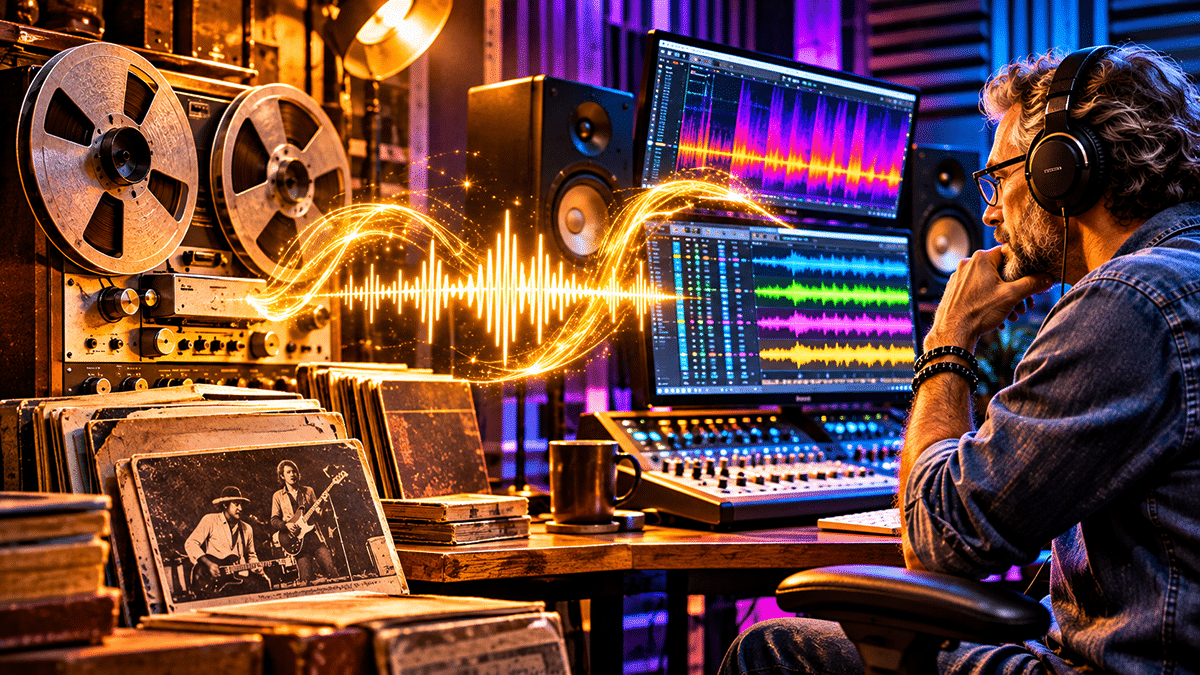
The traditional studio business is built around a limited resource: time. A commercial studio has only so many hours available each day, and the engineer can only be in so many places at once. If a studio charges $75 an hour and has no bookings on Tuesday, it earns nothing from that room on Tuesday, regardless of how much money has been invested in the equipment.
This creates a difficult relationship between revenue and expenses. The studio’s overhead continues whether customers are recording or not, which means the owner is constantly trying to sell enough billable hours to cover the fixed costs. Even when the studio is busy, there is a practical limit to how much additional revenue can be generated without raising prices, adding staff, or expanding the facility.
Music asset preparation offers another approach because the work does not always depend on traditional studio bookings. An engineer can prepare instrumental mixes, organize recordings, restore audio, create backing tracks, or assemble delivery packages during hours when the recording rooms would otherwise be unused. Some of these services can be performed remotely, allowing the studio to serve customers who live hundreds or thousands of miles away.
The important change is to think about the customer’s problem rather than the equipment or software being used. A filmmaker does not necessarily care which DAW produced the instrumental version of a song. The filmmaker wants a file that sounds professional, works in the production, and arrives on time. A touring musician does not care how complicated the playback session was to build as long as the tracks work reliably onstage. An independent artist preparing music for licensing wants the correct versions, clear documentation, and confidence that a potential opportunity will not be lost because the files are missing.
These customers are purchasing solutions, and the studio’s job is to deliver those solutions professionally. That allows pricing to reflect the value and complexity of the service rather than simply the number of hours spent clicking around inside a computer.
There is also an opportunity to work with customers more than once. An artist who recorded an album several years ago may not be planning another album, but they might be interested in preparing existing material for licensing, live performance, or direct-to-fan products. The studio already knows the music and may still have access to the original sessions under the appropriate agreements, making it a logical place for the artist to return.
For home studio owners, the same approach can open doors to projects that do not require a large recording facility. An engineer with good monitoring, reliable software, and strong editing skills can provide audio preparation services without needing a live room capable of accommodating an entire band. The competition shifts away from who has the biggest console and toward who can deliver the most useful work at a fair price.
Turning Finished Recordings Into Sync Licensing Assets
One of the most promising opportunities involves preparing recordings for synchronization licensing, commonly called sync licensing. This is the process of obtaining permission to use music with moving images, including films, television programs, advertisements, documentaries, video games, and various forms of online media. For independent musicians, a successful placement can create licensing income and introduce their music to new audiences, although placements are competitive and never guaranteed.
A song that sounds wonderful on an album may not be ready for every licensing opportunity. A music supervisor might love a particular recording but need an instrumental version because the lyrics interfere with dialogue. A television editor may need a thirty-second version that reaches the musical hook quickly, while a film mixer may request separate instrumental elements so the recording can be adjusted around sound effects and spoken dialogue.
When an artist can provide those materials quickly, the music becomes easier to consider for certain uses. That does not mean properly prepared files will cause a supervisor to select the song, because creative suitability, budget, rights clearance, and many other factors still matter. However, missing versions and poorly organized files can create unnecessary problems, especially when a production is working under a deadline.
This is where the recording studio can offer a practical service. An engineer can review the artist’s existing catalog, determine which recordings have usable source material, prepare requested alternate versions, and organize the results in a clear delivery package. Depending on the project, that package might include the full mix, instrumental mix, clean version, shorter edits, and stems created from the original multitracks.
If the original sessions are available, producing those versions can be relatively straightforward, although balances, effects, automation, and mastering decisions still need attention. If only stereo masters exist, AI-assisted separation may provide alternatives, but the engineer must evaluate the results carefully and explain any technical limitations to the customer.
Consider an independent blues artist who owns a twelve-song album recorded five years ago. The music has been released, the initial promotion is over, and the artist has no immediate plans to record another album. A studio could offer to prepare the entire project for potential licensing submissions by creating instrumental mixes, selected edits, stems where appropriate, and properly organized files.
At an illustrative price of $200 per song, a twelve-song project would generate $2,400 in gross revenue for the studio. The artist receives a collection of materials that may be useful for licensing opportunities, while the engineer earns money from existing recordings rather than waiting for another album session. Whether that price is profitable depends on the condition of the source files, the amount of editing involved, revisions, and the actual labor required.
There is an important distinction between preparing music for licensing and actually obtaining licenses. The studio is providing technical and organizational services, not guaranteeing placements or automatically becoming the artist’s publisher. Synchronization generally involves rights in the underlying musical composition, while use of a particular recording also requires appropriate permission from the sound recording rights holder. The U.S. Copyright Office provides information about these separate copyrights and the rights involved.
A studio should also understand that an artist who owns a recording does not necessarily control the composition. If an independent singer records a cover song, ownership of that particular recording does not automatically give the singer permission to license the underlying composition for film or television. Proper preparation includes identifying these questions so the appropriate rights holders can be contacted before any licensing arrangement is made.
The opportunity for the engineer is to help the artist remove avoidable technical obstacles while leaving licensing decisions and ownership where they belong. A studio that develops a reputation for dependable file preparation can become a useful partner to artists, publishers, music libraries, and other businesses working with licensed music.
Stems and Alternate Mixes Can Become a Regular Studio Service
Stems are another area where recording studios can create additional work from recordings that already exist. Unfortunately, the word is often used loosely, which creates confusion between engineers and customers. In professional production, stems usually refer to groups of related tracks that have been mixed together, such as drums, guitars, keyboards, or vocals. They are different from the individual tracks that make up the original multitrack recording.
For example, a drum stem may contain the complete drum mix, including the kick, snare, overhead microphones, percussion, and effects. A guitar stem may combine several electric and acoustic guitar tracks, while a vocal stem may include lead and background vocals. When these stems are prepared correctly, they can provide flexibility for future mixing and editing without requiring the receiving engineer to manage every individual track from the original recording session.
Different customers need stems for different reasons. A music supervisor may request stems for a film production, a remix producer may need specific elements for an authorized new version, and a live performer may want backing tracks that exclude instruments being played onstage. An artist creating educational material might want isolated guitar, bass, or vocal performances to demonstrate how a song was arranged.
A studio can build services around these requirements, but the work must begin by understanding exactly what the customer needs. A request for a vocal-free mix is not necessarily the same as a request for an instrumental master, and neither is automatically equivalent to creating separate instrument stems. When the original multitracks are available, the engineer can usually create more accurate and flexible deliverables. When they are not, AI separation may offer a useful compromise.
For a working musician, one of the most practical applications is live performance. Many independent artists cannot afford to travel with every musician who appeared on their recordings, particularly when performing at smaller venues where the income must cover transportation, food, accommodations, and the musicians’ pay. Carefully prepared backing tracks can allow a smaller touring group to reproduce selected parts of the arrangements while leaving room for live performance.
Suppose a singer-songwriter normally performs with an acoustic guitar and a percussionist but wants to include keyboards and backing vocals from the studio recordings. An engineer can prepare playback tracks containing those parts, create appropriate count-ins, and organize the material for the artist’s live setup. If the performance requires separate outputs, click tracks, or cues, the project becomes more involved and requires testing before it is used onstage.
A simple backing-track service might be offered at an illustrative starting price of $100 per song, while a more complex live playback package could cost several hundred dollars depending on the number of songs and technical requirements. These figures are examples of possible studio pricing, not verified industry averages. A professional quote must account for the actual source material, required outputs, testing, and revision time.
For a home studio owner, this can be an appealing business because much of the work can be performed remotely. The artist supplies authorized recordings or multitrack files, the engineer prepares the tracks, and the finished package is delivered online. The same customer may return when the live lineup changes, new songs are added, or the artist wants different arrangements.
This kind of continuing relationship is important because the engineer becomes part of the artist’s working operation rather than someone hired only when an album needs to be recorded. A reliable engineer who understands how the artist performs can provide ongoing value by helping maintain the playback system and preparing new material as the live show develops.
Old Recordings May Be the Most Overlooked Assets in the Studio
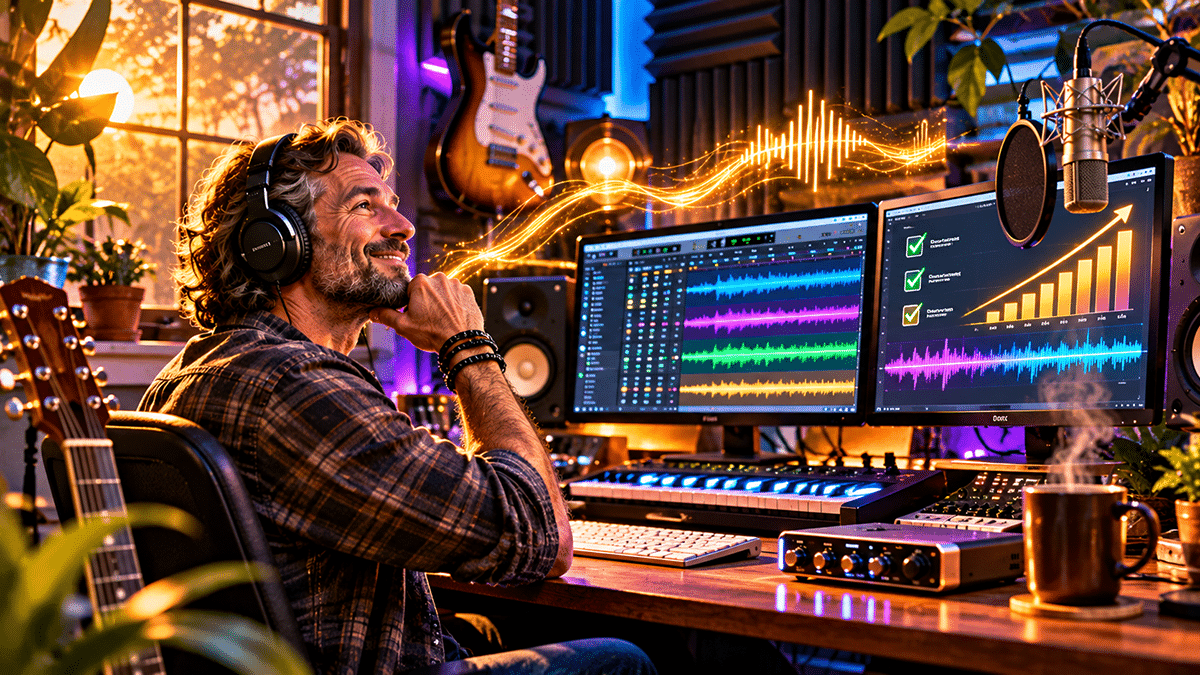
Anyone who has worked in recording for a few decades probably has stories about old sessions that became difficult to open after computers, operating systems, and recording software changed. There are hard drives filled with projects created in obsolete versions of DAWs, CDs containing early digital transfers, and multitrack recordings that depend on plugins no longer supported by modern computers. Some artists still have the original sessions, while others have only stereo masters or recordings copied from physical media.
These archives represent a possible source of new business because a recording does not stop having commercial potential simply because it is old. An artist may want to reissue an album, prepare a special anniversary release, create a new instrumental version, or restore a recording that was never distributed properly. In some cases, an artist may have overlooked an entire collection of recordings that could be prepared for direct sales or other legitimate uses.
A studio offering catalog restoration can help determine what material exists and what can reasonably be recovered. The process may involve locating usable files, converting supported formats, organizing multitrack sessions, repairing damaged audio, reducing unwanted noise, or preparing fresh masters for a new release. When the original tracks are missing, AI separation can sometimes provide additional options, although the engineer must remain realistic about the limitations of reconstructing audio from a finished mix.
Tools such as iZotope RX and Steinberg SpectraLayers provide sophisticated audio restoration and spectral editing capabilities. Spectral editing allows engineers to examine sound by frequency and time, making it possible to identify and sometimes reduce unwanted noises or separate particular elements. These tools can be extremely useful, but severe distortion, missing audio, and damaged source recordings cannot always be repaired completely.
Consider a regional blues musician who recorded an independent album in the 1990s and still owns the rights to the recordings. The original multitrack tapes are missing, but a usable digital copy of the finished album survives. A studio could evaluate the material, determine whether restoration would improve the listening experience, and prepare new files suitable for a catalog reissue or direct-to-fan release.
The work may also involve creating consistent song titles, documenting recording information, identifying available artwork, and preparing an organized delivery package. If the artist wants to produce a special edition with instrumental versions or historical commentary, those additional services can become part of the project.
A commercial studio may already have relationships with artists who recorded material years ago, making catalog preparation a natural reason to reconnect. A home studio owner can offer similar services to musicians whose recordings were made elsewhere. In both cases, the engineer should obtain authorization before working on the recordings and confirm that any proposed commercial use is permitted.
The financial opportunity comes from providing a service that solves a real problem for the artist. An old album may not suddenly become a commercial success because it has been restored, but proper preparation can give the artist more ways to use, sell, and preserve recordings that would otherwise remain forgotten.
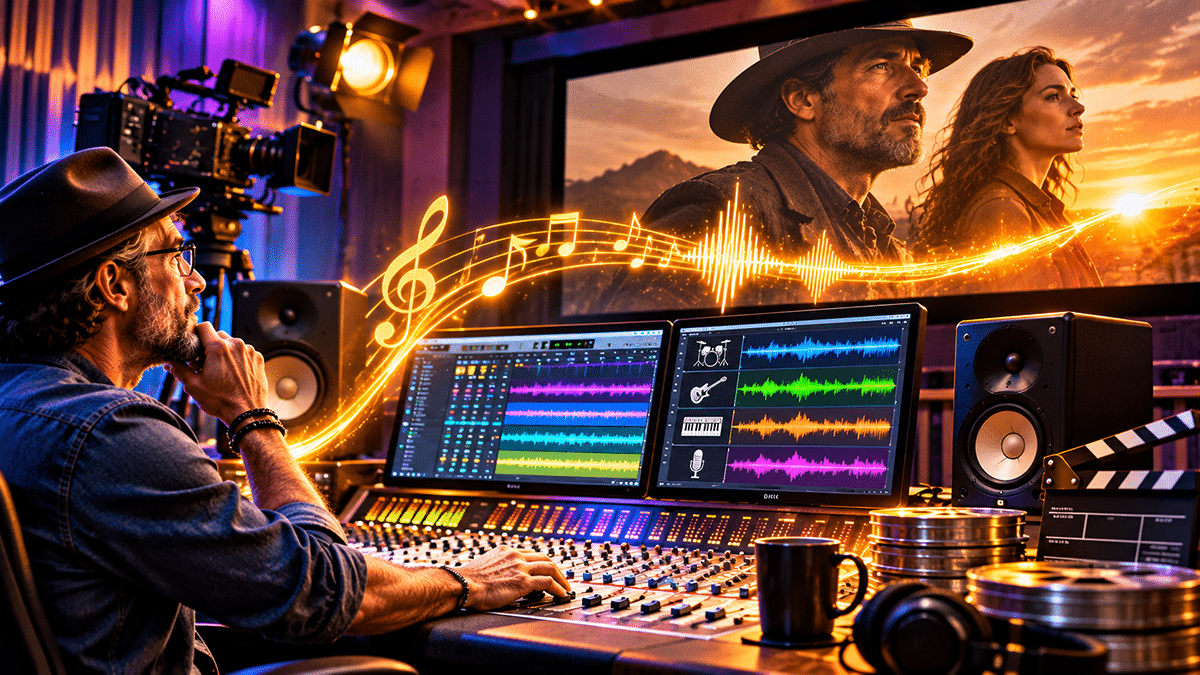
Podcasting, Film, and Video Production Open Another Door
Recording studios have traditionally identified themselves with music, but their skills overlap with a much wider range of audio production work. Podcasts, documentaries, interviews, online courses, independent films, and video productions all require clear, consistent sound. The recording environment may be different from a traditional music session, but the underlying problems often involve familiar engineering tasks such as noise reduction, editing, equalization, compression, level control, and file delivery.
Consider a small documentary filmmaker who records an important interview in a noisy restaurant. The conversation may contain valuable information, but traffic, air conditioning, dishes, and background voices make the recording difficult to understand. A studio with suitable restoration tools and experienced engineers may be able to improve the dialogue, although the outcome will depend on the original recording.
Photon’s separation and reconstruction tools are relevant here because they are intended to address different types of audio content, not just musical instruments. Dialogue isolation and the ability to distinguish elements within a mixed recording can provide useful starting points for post-production work. An engineer still needs to listen critically and determine whether the processing has introduced unnatural artifacts or removed important parts of the speech.
A podcast producer presents another kind of opportunity. Unlike an independent band that might record one album every two years, a podcast may release episodes every week. That creates the possibility of recurring editing work, which can help stabilize income for a studio that otherwise depends on irregular recording bookings.
A hypothetical podcast client might pay $150 per episode for a defined editing and cleanup service. Four episodes a month would generate $600 in gross monthly revenue from that one customer. The actual profitability would depend on the recording quality, episode length, editing requirements, and time needed to complete each program.
The studio must be careful not to assume that every hour of recorded audio requires the same amount of work. A well-recorded interview with two speakers may be relatively straightforward, while an hour of badly recorded conversation with interruptions, overlapping voices, and constant background noise can require considerable attention. Pricing should reflect those differences, and extensive restoration work should be evaluated before a fixed quote is offered.
For a commercial studio, these services can make better use of existing editing rooms and equipment during periods when music sessions are slow. For a home studio owner, they can provide an entry into professional audio work without requiring a large recording space. The engineer can focus on editing and restoration while building relationships with customers who produce content regularly.
The real advantage comes from offering dependable service rather than competing solely on price. Customers who produce podcasts, training videos, or documentaries often value consistency, predictable delivery, and an engineer who understands their production style. Those relationships can become much more valuable than isolated editing jobs purchased from an anonymous online marketplace.
Video Games and Interactive Music Need More Than a Stereo Master
Another area worth investigating is interactive audio for video games and digital experiences. Unlike a traditional recording that plays from beginning to end, interactive music may change in response to what happens inside a game or application. A quiet scene might use a simple musical arrangement, while a dangerous situation adds percussion, bass, or more intense instrumental layers.
Creating that kind of experience can require music to be divided into components that work together. The composer may prepare separate instrumental layers, short transitions, repeating sections, and musical accents that respond to events in the game. The engineer may be responsible for editing those parts, making sure they remain synchronized, eliminating clicks at loop points, and delivering files that meet the technical requirements of the development team.
This is where the distinction between ordinary stems and interactive music becomes important. Separating a finished stereo master into drums, bass, vocals, and other instruments does not automatically create a usable interactive soundtrack. Music intended to change dynamically often needs to be arranged and produced with those transitions in mind. However, a recording engineer who understands both multitrack production and interactive delivery can become a useful technical partner to composers and developers.
Software such as Audiokinetic Wwise and FMOD provides systems for organizing and controlling interactive audio. These tools allow game developers and audio specialists to manage how sounds and musical elements behave during gameplay. Engineers interested in this field can learn the fundamentals of interactive music preparation and gradually develop more advanced services as their experience grows.
For a home studio owner, this can be attractive because much of the work involves editing, arranging, rendering, and testing audio rather than recording large groups of musicians. An engineer who already understands DAW routing, tempo maps, and precise audio editing has a useful foundation, although game integration introduces additional technical skills that must be learned.
A small game developer may need several short musical cues converted into seamless loops and alternate versions. A more complicated project might require multiple synchronized music layers, transitions, testing, and revisions as the game changes during development. Those jobs should be quoted according to their complexity rather than treated as simple file exports.
An illustrative basic loop preparation project might be priced at $150 to $300, while a detailed interactive music package involving numerous cues and integration requirements could justify significantly higher fees. As with other services discussed here, these are proposed business examples rather than independently verified market rates.
There is also a separate opportunity to compose original game music, but that introduces additional questions about composition fees, ownership, licensing, and rights. A studio providing technical preparation should not assume it has acquired ownership of a composition simply because it edited the files or implemented the music in a game.
For engineers willing to learn a new production environment, interactive media can create access to customers who might never book a traditional recording studio. The opportunity requires more than owning AI software, but it demonstrates how audio production skills can serve markets well beyond album recording.

Smart Media Can Turn Existing Recordings Into New Fan Products
Independent artists are increasingly looking for ways to earn money directly from fans rather than depending entirely on streaming payments and social media exposure. One approach is to create music products that offer additional experiences beyond the ordinary album. These can include exclusive recordings, behind-the-scenes interviews, alternate mixes, performance footage, commentary tracks, and other material that gives dedicated fans something they cannot obtain from the standard streaming release.
Smart Media products offer one possible way to deliver those experiences. An NFC-enabled card or other physical product can direct a fan to a digital experience using a compatible phone. Depending on the platform and the artist’s decisions, that experience might include music, video, photographs, special access, or other content.
From a studio owner’s perspective, the opportunity is not necessarily manufacturing the physical product or operating the technology platform. The studio can provide the professionally prepared media that makes the experience worthwhile. An engineer who recorded the original album may be in an excellent position to create alternate versions, edit commentary, prepare exclusive performances, and organize the finished audio.
Imagine a band preparing a limited collector’s edition of an album. Instead of delivering only the original ten songs, the band wants to include instrumental versions, selected isolated performances, interviews about the recording process, and an unreleased acoustic session. The studio could prepare those assets as a separate production project, charging for the editing, mixing, mastering, and organization involved.
The artist could then use the completed material as part of a direct-to-fan product, provided the necessary rights and platform arrangements are in place. Because the studio is supplying media production services rather than controlling the fan platform, the artist can maintain ownership of the recordings and the relationship with the customer.
That arrangement is particularly important for the long-term health of independent music businesses. Too many artists have spent years directing fans toward outside platforms while failing to develop direct communication and sales channels of their own. Exclusive content has much greater business value when it helps the artist strengthen a lasting relationship with the people who support the music.
A studio might offer a small Smart Media preparation package starting at a few hundred dollars, while a more elaborate project involving extensive alternate mixes, interviews, video editing, and interactive content could require a much larger budget. The quote should clearly distinguish media preparation from manufacturing, hosting, app development, distribution, and other costs that may be handled by separate providers.
This is another example of a studio helping the artist turn existing recordings into new commercial products. The music does not have to be recorded again simply because it is being offered in a different experience. The studio earns revenue from the technical and creative work required to prepare that experience, while the artist controls how the final product is marketed and sold.
Immersive Audio Offers Opportunities, but It Requires a Business Case
Immersive audio is another area where studios may be able to expand their services, although it deserves a more cautious approach because the equipment and monitoring requirements can become expensive. Formats such as Dolby Atmos allow music to be presented in a spatial environment rather than being limited to ordinary two-channel stereo playback. This can create interesting creative possibilities, but it also introduces technical requirements that engineers need to understand before offering professional delivery.
A studio with suitable monitoring, software, and experience may be able to offer immersive mixing as an additional service to artists who need those versions. However, the process involves more than placing a stereo recording inside a spatial audio plugin. Engineers need to understand object placement, channel-based audio, downmix behavior, monitoring, and the specifications of the intended delivery platform.
Home studio owners can begin learning immersive mixing using compatible software and headphone-based binaural monitoring, but headphones do not provide exactly the same listening experience as a properly configured multichannel speaker environment. A project intended for professional delivery may require additional checking in an appropriate room.
For a commercial studio, the question is whether customers actually need immersive versions and whether the potential revenue justifies the investment. An expensive speaker upgrade may be appropriate for a facility already serving clients who request immersive work, but it makes little business sense to spend thousands of dollars merely because the technology is fashionable.
The same caution applies to specialized delivery services. Film, television, music distribution, and interactive media customers may require particular file formats, sample rates, naming conventions, channel layouts, and loudness specifications. An engineer who understands these requirements can offer valuable preparation and quality-control services, but the studio must confirm the actual requirements of each customer instead of assuming that one export preset works everywhere.
The broader business opportunity is specialization. A studio does not have to offer every audio format or become an expert in every emerging technology. It needs to identify the services that fit its customers, equipment, and technical abilities, then develop the knowledge to deliver those services reliably.
Building the Business Without Buying Another Fortune in Software
One of the most dangerous habits in the recording industry is confusing the purchase of equipment with the creation of a business. Engineers are understandably attracted to new technology, and software companies have become extremely good at demonstrating features that make expensive purchases seem irresistible. Unfortunately, a plugin does not generate income simply because it appears in the studio’s collection.
A home studio owner interested in music asset preparation may already have most of the necessary equipment. A capable computer, dependable audio interface, accurate monitoring, suitable headphones, and a modern DAW can provide the foundation for many editing and delivery services. Additional tools should be purchased when they solve specific problems or make paying work more efficient.
REAPER is one option worth investigating because it provides extensive editing, routing, automation, and rendering capabilities at a comparatively accessible license price. Logic Pro offers another capable environment for Mac users, including tools for music production and stem separation. Pro Tools remains widely used in professional recording and post-production, while Steinberg SpectraLayers and iZotope offer specialized audio processing options.
Cloud-based separation services can also be useful, particularly for occasional projects or engineers who do not want to purchase specialized software immediately. LALAL.AI is one example of a service offering audio separation tools. However, cloud processing introduces considerations involving client authorization, privacy, data handling, usage limits, and ongoing costs. An engineer should review the current terms before sending unreleased or confidential recordings to any outside service.
The financial issue is straightforward. If a studio earns only a few hundred dollars each month from audio preparation, it should be very careful about spending that entire amount on software subscriptions. The business needs room to pay for equipment maintenance, computer upgrades, electricity, insurance, advertising, taxes, and the owner’s time.
A sensible approach is to begin with the tools already available, establish a few services, and evaluate which ones attract paying customers. Once the studio understands the work, it can decide whether specialized software would improve quality, reduce labor, or allow it to accept projects that would otherwise be impractical.
Software subscriptions should also be considered part of the ongoing business cost rather than treated as insignificant monthly charges. A collection of relatively inexpensive subscriptions can become a substantial annual expense, especially when several applications provide overlapping functions.
The best tool for a studio is not necessarily the one with the most impressive demonstration. It is the one that helps the engineer deliver reliable work at a cost that leaves enough revenue to make the business sustainable.
What Should You Charge for Music Asset Preparation?
Pricing is where a technical service becomes a real business proposition. A studio can provide excellent work and still lose money if it fails to account for the time and expense involved. This is particularly easy to overlook with AI-assisted services because automated processing can create the impression that the work requires almost no labor.
Consider a customer asking for an instrumental version of a song. If the studio has the original multitrack recording and the session is properly organized, the job might involve removing the vocals, checking the remaining effects and automation, adjusting the mix where necessary, and exporting the finished file. Under favorable circumstances, that may be a relatively quick service.
Now consider a customer who has only an old compressed stereo recording and wants the vocals removed without affecting the instruments. The engineer may have to test several separation methods, repair artifacts, evaluate the sound, and explain the limitations of the result. Even with modern AI, the work may take considerably longer and may not produce an acceptable outcome.
These jobs should not automatically cost the same amount simply because both customers ask for an instrumental version. A professional pricing structure should account for the quality and type of source material, technical difficulty, intended use, turnaround time, and number of revisions included.
For planning purposes, a studio might experiment with illustrative starting prices of $75 to $150 for straightforward alternate-version preparation, $150 to $300 or more for involved AI-assisted separation and cleanup, and several hundred dollars for licensing preparation packages containing multiple deliverables. Catalog projects and interactive audio work are often better quoted individually because the number of files and the amount of work can vary so widely.
Those numbers should be treated as business-model examples rather than verified market averages. Before publishing a price list, a studio should test its workflow, calculate the actual time required, compare relevant competitors, and determine whether customers in its target market see enough value to pay the proposed rates.
There is also the question of revisions. A project that appears profitable can quickly become a money loser if a customer requests endless changes without additional payment. A clear agreement should specify the files to be delivered, the revisions included, and the charges for additional work outside the original scope.
Rush delivery deserves separate consideration because accepting urgent work may require the engineer to rearrange other commitments. Customers who need files immediately may be willing to pay for priority service, but the studio should not promise impossible turnaround times or sacrifice quality simply to win a job.
The goal is to develop prices that reflect professional service rather than the perceived effort of operating software. Customers are paying for accurate, usable, dependable results. The engineer’s responsibility is to deliver those results while charging enough to sustain the business.

What an Additional $2,000 a Month Might Actually Look Like
To understand how these services might fit into a small studio business, consider a hypothetical home studio owner who already owns suitable equipment and has established basic editing and mixing skills. Rather than attempting to compete with commercial studios for every recording session, the engineer decides to offer a small group of services that can be delivered remotely.
During one month, the studio completes four instrumental and alternate-mix jobs at $125 each, producing $500 in gross revenue. Three additional customers purchase licensing preparation services at $250 per song, generating $750. The studio also prepares two live backing-track projects at $200 each, adding $400, while a podcast client pays $350 for a defined monthly editing package.
The total gross revenue from those services is $2,000 for the month. If the same amount of work were maintained consistently for twelve months, it would represent $24,000 in annual gross revenue. This is an illustrative calculation, not a claim about normal studio earnings or a prediction that these customers will be easy to find.
The real financial picture depends on how much time the projects require and what it costs to operate the business. If the studio spends thirty hours performing the technical work and another ten hours communicating with customers, preparing quotes, managing files, and handling administration, the gross revenue works out to $50 per total working hour before expenses.
If those same projects require eighty hours because the source recordings are poor, revisions become excessive, or customer communication takes more time than expected, the effective rate falls considerably. That is why the business needs to track labor carefully rather than assuming that every dollar collected is profit.
Commercial studios may have opportunities to develop larger projects with existing clients. A studio that prepares a twelve-song album for licensing at an agreed price of $250 per song would generate $3,000 in gross project revenue. Two comparable projects in a month would produce $6,000, although the actual profitability would depend on staffing, overhead, technical requirements, and available capacity.
It would be unrealistic to assume that every studio can find two album preparation customers each month, but the example demonstrates why a studio should investigate its existing client base. Musicians who recorded albums several years ago may have catalogs that could benefit from additional preparation, and those relationships may be easier to develop than finding entirely new recording clients.
The objective is not simply to fill every available hour with inexpensive work. It is to develop services that produce enough income to justify the owner’s time while helping customers accomplish something they consider valuable.
Metadata and Catalog Organization May Be More Valuable Than Another Plugin
Recording engineers are accustomed to thinking about audio quality, but many artists also struggle with the information connected to their music. Song titles may be inconsistent, recording dates may be missing, songwriter information may be incomplete, and original sessions may be scattered across computers and hard drives. These problems can become serious when the artist wants to prepare a reissue, register works properly, investigate royalty payments, or respond to a licensing inquiry.
Music metadata is simply the information that identifies and describes a recording or composition. It can include the artist, song title, songwriters, publishers, recording owner, release date, contributors, and identification codes such as the ISRC for a sound recording. The underlying musical composition is a separate work, which may have its own identifiers and rights information.
A recording studio can help artists organize this material without pretending to become a law firm, publisher, or royalty administration company. The engineer can collect available information, prepare consistent file structures, document the recordings that exist, and identify missing information that the artist needs to resolve.
Consider an independent musician with thirty songs recorded over fifteen years. Some sessions are stored in Pro Tools, others in Logic, and a few exist only as stereo masters. Several songs have alternate mixes, but the artist does not know which versions were actually released. The songwriter information is incomplete, and some old file names provide no useful description of the contents.
A studio could offer a catalog organization service that reviews the available files, identifies usable recordings, documents the different versions, and creates a logical delivery structure. The finished package could include an inventory explaining which tracks have original multitrack sessions, which have instrumental versions, and which require further technical work.
This can save considerable time when the artist receives a licensing request or decides to reissue an older recording. Instead of searching through years of disorganized files, the artist has a clearer understanding of what exists and where it can be found.
The engineer must be careful not to invent ownership information or assume that incomplete documentation can be corrected through technical work alone. Missing songwriter agreements, unclear master ownership, and unresolved publishing questions may require the artist to contact collaborators or qualified professionals. The studio can identify these gaps, but it should not represent uncertain information as established fact.
Resources such as The Mechanical Licensing Collective and the U.S. Copyright Office can help artists understand particular rights and registration matters. A studio that understands the basics can provide useful guidance about organizing information while referring legal and administrative questions to appropriate specialists.
For a recording business, catalog organization is appealing because it often leads naturally to additional work. Once the recordings are identified, the artist may discover that certain songs need instrumental mixes, restoration, alternate masters, or other deliverables. The studio can then quote those projects separately, allowing the customer to decide which improvements are worth making.
AI Can Make an Engineer More Productive Without Replacing the Engineer
The growing capabilities of AI audio processing have raised understandable concerns among recording professionals. If software can separate instruments, reduce noise, generate masters, and automate repetitive production tasks, some customers will decide that they no longer need to pay an engineer for certain basic services.
That pressure is real, particularly when a service consists mainly of running an automated process and sending the output to a customer. Engineers who compete only on the ability to operate a particular piece of software may find that their advantage becomes smaller as the software becomes easier to use.
However, professional audio work involves more than operating a processing tool. An experienced engineer understands how instruments interact, how processing affects musical dynamics, what happens when audio is pushed too far, and whether a finished file is suitable for the purpose it is supposed to serve.
Imagine a vocal separation process that leaves fragments of the singer’s voice inside the guitar track. The software may have completed its task successfully according to its own processing rules, but the result may still be unacceptable for a professional instrumental mix. The engineer needs to recognize the problem, test alternatives, and decide whether the source material can support the requested deliverable.
The same principle applies to dialogue restoration. Aggressive noise reduction may make the background quieter while damaging the natural tone of the speaker’s voice. A customer might be impressed by the reduction in noise during a quick demonstration, but an experienced engineer understands that intelligibility and natural sound are more important than simply eliminating everything in the background.
AI can reduce repetitive labor, and that can improve the economics of a studio business. If an engineer can complete a task in two hours instead of four without compromising quality, the studio may be able to handle more work or offer a service that previously would have been too expensive for the customer.
The challenge is to use those gains intelligently. A studio that immediately cuts every price because AI makes processing faster may surrender much of the benefit of the technology. On the other hand, a studio that refuses to improve its workflow may struggle to compete with engineers who can provide equally dependable results more efficiently.
The most sustainable approach is to focus on the outcome. Customers want files that work, recordings that sound good, and projects delivered as promised. They are not necessarily paying for the engineer to spend the maximum possible number of hours accomplishing those goals.
This also explains why the human side of recording remains important. Musicians want to work with people who understand their intentions, respect their music, and can explain technical choices in ordinary language. An engineer who combines those qualities with efficient modern technology can provide a service that is much harder to replace with a simple automated application.
Protecting Ownership Is Part of Building a Responsible Studio Business
There is a legal and ethical issue that becomes increasingly important as audio separation and catalog preparation become easier. The ability to extract, edit, or reconstruct parts of a recording does not automatically establish the right to use those parts commercially.
A studio may possess files from an old recording session without owning the recording or the underlying musical composition. The artist may control the master while several songwriters and publishers control the composition. A producer or performer may have rights or contractual interests that must be considered, depending on the circumstances.
That means an engineer should never assume that having access to a file is the same as having permission to exploit it. Before preparing material for commercial use, the studio should confirm that the customer has the authority to request the work and that the proposed use is consistent with the applicable rights and agreements.
This becomes especially important when dealing with AI-separated vocals, samples, cover songs, and recordings that include third-party material. Software may make it technically possible to isolate a singer’s voice or extract a musical phrase, but that capability does not eliminate copyright, contract, publicity-right, or consent issues.
The studio should use clear written agreements that establish the work being performed, the material supplied by the customer, the intended deliverables, payment terms, and the parties’ responsibilities. The agreement should also address confidentiality, storage, and whether the studio may use the material for demonstrations or promotional purposes.
For straightforward asset preparation services, a fee-for-service arrangement will often be the simplest approach. The artist pays the studio to perform the agreed work and retains the rights they already own. More complicated arrangements involving royalties, continuing licensing participation, or rights administration require separate agreements and appropriate professional advice.
There is no reason an engineer cannot negotiate a legitimate royalty interest or participate in a business venture with an artist when both parties understand the arrangement. However, taking ownership or claiming a percentage of future income should not be treated as an automatic condition of preparing stems or organizing files.
Independent artists have already spent too much time navigating business arrangements in which other companies control the music, distribution, or customer relationships. Recording studios have an opportunity to build a different kind of relationship based on transparency, technical expertise, and fair payment for services.
That approach is consistent with the Making a Scene philosophy that artists should maintain ownership of their creative assets and the relationships that make their businesses valuable. The studio benefits by earning income from professional services, while the artist benefits by gaining more ways to use the music without surrendering control.
Finding Customers Without Becoming Another Online Freelancer Fighting Over Price
The next question for a home studio owner is where to find customers. There is little value in developing an excellent service if nobody knows it exists, and the online marketplace for audio work can be extremely competitive.
The strongest starting point is often the local music community. Working musicians may need instrumental mixes, performance tracks, song edits, or help organizing older recordings. Local filmmakers may need dialogue cleanup and music preparation, while podcast producers may be looking for dependable editing services.
The key is to explain the service in terms of the customer’s needs rather than the engineer’s software. A musician who has never heard of AI stem separation may still understand the value of creating backing tracks for live performances. A songwriter who knows nothing about audio restoration may appreciate being able to prepare an older recording for a reissue.
A good studio website should make these services easy to understand. Visitors should be able to see what the studio offers, what files they need to provide, what the deliverables include, and how to request a quote. Demonstrations using material the engineer owns or has permission to use can help show the quality of the work without relying on technical explanations that confuse potential customers.
An engineer might prepare a sample song package containing a full mix, instrumental version, shortened edit, and organized stems. A potential customer can then hear the results and understand what a professionally prepared package looks like.
Existing studio customers are another valuable starting point. A commercial studio that has recorded dozens of independent artists over the years may already have relationships with musicians who own substantial catalogs. Contacting those customers to discuss legitimate new services may produce better results than purchasing advertisements aimed at musicians who have never heard of the studio.
The studio should approach these conversations as opportunities to understand customer needs rather than attempts to sell unnecessary work. An artist who has no interest in licensing or alternate versions should not be pressured to purchase a preparation package simply because the studio has invested in new software.
Trust is essential in a business where customers are handing over recordings that may represent years of creative work. Clear communication, dependable delivery, confidentiality, and realistic promises can become stronger selling points than dramatic claims about revolutionary AI technology.
Turning One-Time Customers Into Long-Term Studio Relationships
Traditional recording projects often have long gaps between them. A band may spend a year preparing an album, several months recording it, and another year promoting it before thinking seriously about returning to the studio. For the engineer, that means the relationship may generate substantial revenue during one period and almost nothing for the following two years.
Asset preparation services create opportunities to remain useful between major recording projects. The same artist may need new backing tracks before a tour, an instrumental version for a licensing submission, or exclusive content for a special release. These projects may be smaller than recording an entire album, but they can help create a more continuous working relationship.
Some studios may find that certain customers benefit from ongoing service arrangements. A touring artist might need regular playback-track updates, while a content producer may need weekly editing. A small independent label may have a continuing need for catalog organization, alternate mixes, and technical delivery.
For example, a studio might negotiate a $300 monthly service arrangement with an artist that includes a defined amount of editing, file preparation, and catalog maintenance. At twelve months, that would represent $3,600 in annual gross revenue from the relationship, provided the services are actually delivered and the arrangement remains valuable to the customer.
A studio with ten comparable customers would generate $36,000 in gross annual revenue from those agreements, before labor and operating expenses. That is a useful illustration of recurring revenue, but it should not be confused with a guaranteed business outcome or a typical industry performance figure.
The arrangement works only when the customer has a continuing need. Charging a monthly fee for services that an artist rarely uses is likely to create resentment rather than loyalty. A more practical approach is to offer recurring plans to customers whose activities genuinely justify them and keep individual project pricing available for everyone else.
The value of a continuing relationship also extends beyond the immediate revenue. As the engineer becomes familiar with the artist’s recordings, equipment, performance requirements, and business goals, the work can become more efficient. That familiarity can help reduce errors, simplify communication, and make the studio a more valuable partner.
The First Month of Building a New Studio Revenue Stream
A studio owner who wants to explore these opportunities should begin with a manageable experiment rather than immediately purchasing every available AI tool and advertising a dozen services. The purpose of the first month should be to discover which services the studio can deliver confidently and whether customers in its market actually want them.
The first part of that process involves evaluating existing equipment and choosing one or two services that match the engineer’s skills. For many studios, alternate mixes, instrumental versions, and backing-track preparation are sensible starting points because they build directly on familiar recording and mixing techniques.
The engineer can begin by working with recordings they own or have permission to use. Preparing an instrumental mix from an original multitrack session provides a useful baseline, while attempting the same task through AI-assisted separation demonstrates the differences in quality, effort, and potential problems.
The finished examples should be reviewed carefully. The engineer needs to know whether the output is suitable for professional use, how long the work actually takes, and what kinds of source material create difficulties. That information becomes the foundation for realistic pricing and honest customer expectations.
Once the workflow is established, the studio can prepare a simple service description and contact a small group of potential customers. Former recording clients, local performers, songwriters, and video producers may be useful starting points because their needs are easier to understand than those of an unfamiliar market.
The conversations should focus on the customer’s existing problems. If several performers need backing tracks but nobody is interested in sync preparation, that is useful market information. If filmmakers are requesting dialogue cleanup, the studio may discover an opportunity that deserves further development.
By the end of the first month, the owner should have a better understanding of the technical work, customer demand, and pricing needed to make the service profitable. Even a small number of paid projects can provide more useful business information than months spent studying software demonstrations without contacting potential customers.
Successful diversification rarely begins with a dramatic change in the entire business. It usually develops through a series of practical decisions based on what customers need, what the studio can provide, and whether the work produces a reasonable return.
A Stronger Recording Studio Business Can Help Build a Music Industry Middle Class
At Making a Scene, we have long argued that independent musicians need to move away from a business model that depends almost entirely on outside platforms and companies controlling their access to audiences and revenue. Streaming services, social media, distributors, and licensing businesses can provide valuable opportunities, but artists should not surrender ownership of their creative work or direct relationships with fans simply to participate.
Recording studios have an important role in creating a healthier independent music economy because they help produce and preserve many of the assets that artists depend on. Traditionally, that role has been concentrated on the creation of recordings, but the business opportunities discussed here suggest that studios can remain involved long after the original sessions are complete.
A studio that helps an artist prepare music for licensing is increasing the practical usefulness of recordings the artist already owns. A home engineer who creates reliable backing tracks may help a musician perform with a smaller touring group and manage live-show expenses. A commercial facility that restores an older album may give an artist an opportunity to offer previously unavailable music directly to fans.
These services can generate income for recording professionals while helping independent artists develop additional revenue opportunities. The exact financial results will depend on customer demand and commercial success, but the underlying business relationship can be structured so both sides benefit without requiring the artist to surrender ownership.
AI fits into this picture as a tool that can make some work faster, less expensive, or technically possible when it previously was not. Web3 and other emerging technologies may eventually provide additional ways to document ownership, manage permissions, and deliver digital products, but their usefulness will depend on real adoption and reliable rights information.
A blockchain record cannot establish ownership merely because someone entered a name into a database. An automated licensing system cannot resolve a missing songwriter agreement by itself. These technologies become more useful when the underlying recordings and rights information are accurate, organized, and controlled by the appropriate people.
That creates another reason for studios to take catalog preparation seriously. Preserving original recordings, maintaining accurate documentation, and creating portable delivery packages can help artists remain flexible as technology and business models change.
For the independent studio owner, the larger opportunity is to build a business that earns income by helping other independent music businesses succeed. This is a different relationship from the old model in which musicians paid for recording time, received their masters, and then had to navigate the rest of the industry on their own.
It also supports the idea of a music industry middle class made up of working musicians, engineers, producers, and other creative professionals who can earn sustainable incomes without becoming superstars or giving up control to large companies. There is no single technology that will create that economy, but practical services that produce real value can help move the industry in that direction.
Your Next Paying Customer May Already Be Sitting on an Old Hard Drive
The arrival of Pro Tools Extensions, Photon, and other AI-assisted audio tools should encourage recording engineers to look beyond the familiar debate about which software sounds better or which company has the most advanced features. Those technical questions remain important, but the larger business issue is how the capabilities can be turned into useful services that customers are willing to purchase.
Commercial studios have an opportunity to make better use of their equipment, expertise, and existing customer relationships. Home studio owners have an opportunity to develop specialized services that can be delivered remotely without competing directly with large facilities for every recording project. Both can benefit from understanding the growing need for alternate mixes, stems, catalog organization, performance tracks, restoration, and media preparation.
None of these services guarantees easy income, and there is no reason to pretend that the market will automatically reward every engineer who installs a new AI application. Customers still have to be found, technical quality must be maintained, and prices need to reflect the actual cost of doing business. The studio owner also has to understand the rights and permissions involved, especially when working with recordings created by other people.
However, the opportunity is real enough to deserve serious consideration. Thousands of independent artists have spent years creating recordings that may never have been prepared for anything beyond their original release. Some of those recordings could become more commercially useful through careful editing, restoration, documentation, and delivery in additional formats.
A studio that understands how to provide those services can develop new reasons for customers to return between recording projects. It can also expand into markets where professional audio is needed but traditional studio recording is not the primary service being purchased.
The most interesting part of this opportunity is that it does not require abandoning the recording business or replacing musicians with machines. It builds directly on the knowledge engineers have developed through years of recording, editing, mixing, mastering, and solving difficult audio problems.
For the studio owner who is tired of watching an empty calendar while expensive equipment sits unused, the challenge is to begin thinking about the recordings themselves as assets that can serve many purposes. For the home studio owner trying to turn a collection of equipment into meaningful income, the challenge is to identify specific customer problems and develop reliable services that solve them.
The future of the independent recording studio may depend less on how many hours can be sold inside a recording room and more on how effectively the studio helps musicians prepare, preserve, and commercially use their music. AI can contribute to that process by making certain technical tasks easier, but the lasting value comes from the engineer’s knowledge, judgment, and ability to connect the recording process to the larger business of music.
That is where the opportunity becomes particularly important for independent artists and studios. Instead of viewing the finished master as the end of the relationship, both can begin treating it as an asset with a continuing commercial life, one that may require new versions, better documentation, specialized delivery, and fresh creative ideas as opportunities develop.
A recording studio that becomes skilled at providing those services is doing more than adding another item to its price list. It is developing a broader business around the music its customers have already invested in creating, while giving those customers more ways to use the recordings they own. For independent engineers looking to build a sustainable career, and for artists trying to develop sustainable music businesses, that may be one of the most practical opportunities emerging from the latest generation of audio technology.
 |  Spotify |  Deezer |  Breaker |
 Pocket Cast |  Radio Public |  Stitcher |  TuneIn |
 IHeart Radio |  Mixcloud |  PlayerFM |  Amazon |
 Jiosaavn |  Gaana |  Vurbl |  Audius |
 Reason.Fm | |||
Find our Podcasts on these outlets