The Roadmap: How to Transition from Web2 to Web3




**
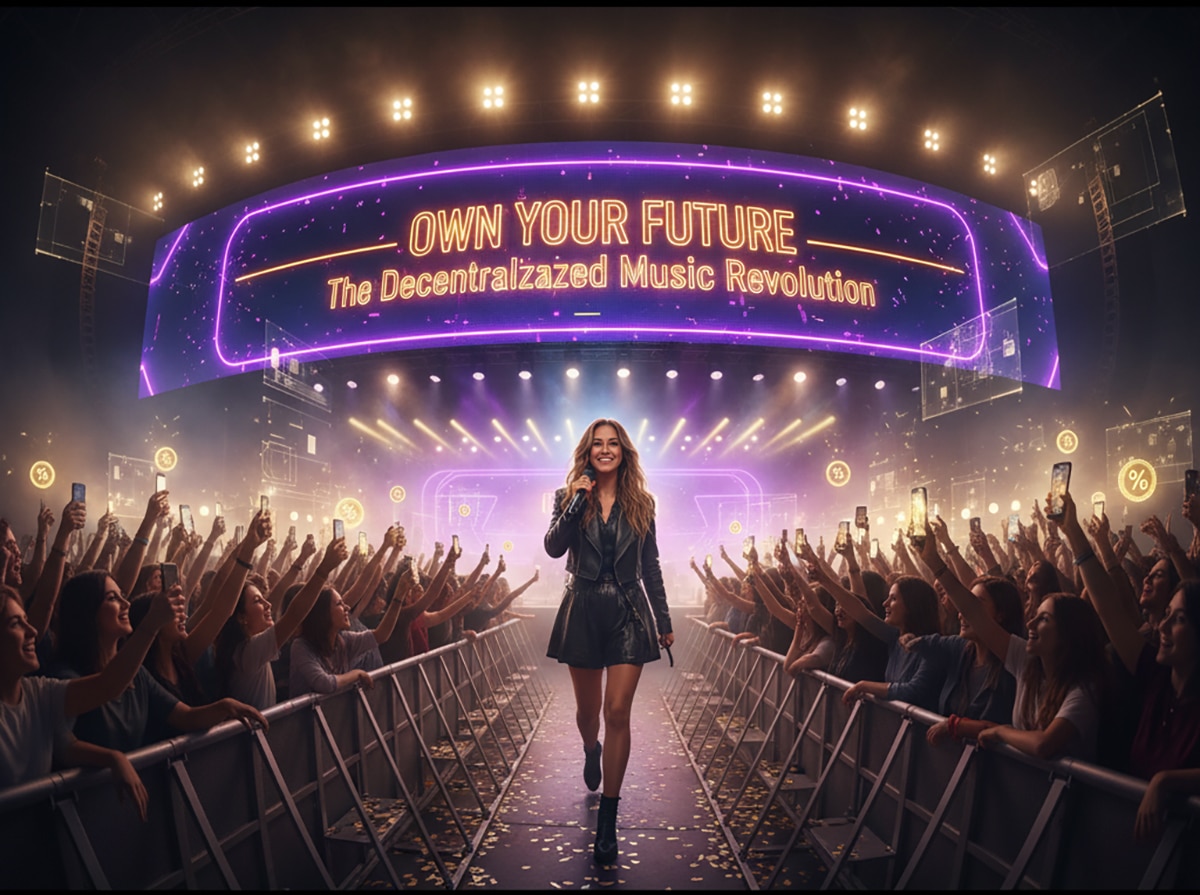
Making a Scene Presents – The Roadmap: How to Transition from Web2 to Web3
Listen to the Podcast Discussion to gain more Insight into the Roadmap to Web3
For most indie artists, Web3 can sound like another buzzword—like crypto, NFTs, or blockchain were just a few years ago. But under the hype, there’s something far more powerful going on. Web3 represents a shift from renting space on platforms like Spotify, YouTube, and Instagram to owning your creative universe. It’s the difference between being an employee and being your own boss. And for independent musicians, it might be the biggest opportunity since the invention of home recording.
Right now, you’re probably using Web2 tools every day: Spotify for streaming, Instagram for connection, Bandcamp for sales, and maybe Patreon for fan support. They’ve been useful, but they all share one thing—you don’t control the data, the money, or even the relationship with your fans. Web3 flips that upside down. With blockchain technology, you can release music directly to your audience, pay yourself instantly, share ownership with fans, and create digital experiences that reward loyalty in ways traditional platforms never could.
This roadmap is designed to help you take that leap, step by step, from where you are today to a future where your art lives freely, transparently, and profitably in the decentralized music world.
Getting Your Feet Wet — Minting Your First NFT
The easiest way to step into Web3 is to mint one single piece of your art as an NFT. Don’t overthink it. Think of it as uploading a song to a new kind of digital shelf—except this shelf belongs entirely to you.
To start, you’ll need a crypto wallet. A wallet is like your personal keychain that stores digital assets. One of the most popular and easiest to use is Metamask. You can install it as a browser extension or mobile app. Once installed, it’ll generate your “seed phrase,” which is like your master password—never share it.
Next, you’ll need to choose a platform that’s friendly to beginners. OpenSea is the biggest NFT marketplace, but if you want a platform built specifically for musicians, try Sound.xyz or Catalog.works. These are music-first NFT sites where you can upload a song or album, set your price, and decide how many editions you want to release.
If you’re new to crypto, start with the Polygon blockchain. It’s fast, cheap, and eco-friendly, and most NFT platforms support it. When you mint (that’s the term for “creating” an NFT), you’re uploading your audio and artwork to a decentralized storage system like IPFS, which ensures your art can’t disappear even if a website shuts down.
The moment your NFT goes live, you’ve entered the Web3 world. You’ve created a piece of digital ownership that can be sold or traded directly with your fans. They don’t just stream your song—they own a piece of it. And because all transactions happen on the blockchain, you can see exactly who owns what, when, and for how much.
Here’s a small tip most new artists miss: include something personal with your NFT. It could be a handwritten lyric sheet, a behind-the-scenes video, or a promise of future access. Web3 isn’t about mass numbers—it’s about connection. The 10 fans who buy your NFT could become the foundation of your future community.
Expanding Your Ecosystem — Decentralized Streaming, Artist Coins, and Fan Access
Once you’ve minted your first NFT and gotten comfortable with the basics of wallets and blockchain, it’s time to move your music ecosystem into Web3 territory. That means experimenting with decentralized streaming and token-gated fan experiences.
The easiest place to start is Audius. Think of it like Spotify, but with fair payouts and artist ownership baked in. When you upload to Audius, you’re not just streaming—you’re building an audience that’s tied directly to your wallet address. That means you own your follower list and can take it anywhere in the future.
Audius rewards artists and fans with its native AUDIO token. These tokens can later be used for governance (voting on platform updates) or exchanged for real-world value. But the real beauty of Audius is how seamlessly it integrates into the existing music culture. You can embed Audius players on your website, share links on social media, and even integrate them into Discord servers.
Now Audius has taken it a step further with a groundbreaking new feature: Artist Coins. This is one of the biggest innovations in the decentralized music world. With Artist Coins, you can now create your own personal token directly inside Audius—no separate wallet setup, no coding, no external service.
Here’s how it works: when you log into your verified artist dashboard on Audius.co, you’ll see an option to “Create Artist Coin.” Audius automatically helps you mint your token on-chain and ties it to your artist profile. You can name your coin whatever you want (for example, $LISAMANN or $YOURBAND), set its supply, and choose how fans can earn or buy it.
Once your coin is live, fans who hold it gain access to special perks inside the Audius ecosystem—things like exclusive track previews, behind-the-scenes content, or token-gated chatrooms. You can even tie coin ownership to real-world rewards like backstage passes, merch discounts, or early access to concert tickets.
The best part? You can track your coin’s circulation, holders, and engagement directly through Audius’ analytics dashboard. Everything happens within the same familiar interface, making it easy even for artists with no crypto experience.
These Artist Coins essentially give you your own mini-economy. Your fans don’t just follow you—they invest in your journey. As your career grows, so does the value of your community’s tokens. It’s a new kind of mutual success model where everyone wins together.
This integration also makes it easier to use your Artist Coin for token-gating. Platforms like Unlock Protocol or Guild.xyz allow you to link Audius coins to private Discord or Telegram communities. Fans holding a set number of your coins can instantly access special rooms, early drops, or even livestream shows.
This is where the decentralized music movement gets real. You’re no longer dependent on likes, follows, or algorithms. You’re rewarding your community directly for showing up, supporting you, and believing in your art.
At this stage, your ecosystem is evolving. You have your NFTs, your Audius profile, your own Artist Coin, and a token-gated fan club. The next step is to take the same community-driven spirit and apply it to decision-making—by building your own fan DAO.
Building Together — Creating a Music DAO
When you hear the word “DAO,” it might sound intimidating, but at its core, it’s just a digital co-op—a group of people pooling resources and making decisions together using blockchain voting. For musicians, this can be revolutionary. It means you can create a fan-powered organization where your community literally helps steer your career.
Let’s say you want to fund your next EP, plan a tour, or design a new merch line. Instead of running a traditional crowdfunding campaign, you can launch a DAO where each supporter gets a governance token. That token gives them a vote in specific decisions—like which song becomes the single or what city you should tour next.
You can build your own DAO using platforms like Aragon, DAOhaus, or Collab.Land. These services make it easy to create a DAO without needing to write a single line of code. You set the rules—who can join, how votes are counted, and what the funds can be used for.
Picture this: you create a DAO called “YourName Music Collective.” Fans who hold your special DAO token can propose ideas, vote on projects, and even share in revenue from NFT sales or concert livestreams. You might reward top contributors with bonus tokens or backstage access. Everything runs transparently on the blockchain, so every fan sees where the money goes.
For indie artists, this is the ultimate step toward decentralization. It replaces the traditional label system with a fan-powered ecosystem. Instead of signing a contract with a corporation, you’re building your own music economy, one fan at a time.
Integrating Web2 and Web3 — Bridging the Gap
Transitioning doesn’t mean abandoning everything you’ve built in Web2. In fact, your existing platforms—Instagram, TikTok, YouTube—can be powerful gateways into your Web3 world. The trick is to use them strategically to drive traffic toward your decentralized platforms.
Start by sharing stories about your Web3 journey. Post short behind-the-scenes clips showing how you minted your first NFT, created your Artist Coin, or what your DAO members are voting on this week. People love being part of something new and authentic. You can use tools like Linktree or Bonfire.xyz (a Web3-native alternative) to connect all your links in one place—Spotify, Audius, NFT store, Discord, and DAO.
Your website also plays a major role. Hosting your content on decentralized storage like IPFS gives you control and permanence. Platforms like Fleek make it simple to host IPFS websites using familiar drag-and-drop tools. It’s like using WordPress but powered by blockchain.
When you’re ready to sell more advanced Web3 experiences, you can explore hybrid marketplaces like Zora.co, where music, merch, and multimedia NFTs can all coexist. These platforms often include royalty splits built directly into smart contracts—meaning your collaborators get paid instantly every time a sale happens. No waiting, no middlemen, no confusion.
And while you grow your Web3 footprint, remember that your Web2 audience is your launchpad. Keep nurturing them. Every follower, email subscriber, and fan on your current channels is a potential early adopter of your new decentralized world. Teach them why it matters. Show them that owning music is better than renting it through endless streams.
Leveling Up — Building Your Brand as a Web3 Artist
As you continue to evolve, your goal is to position yourself as more than just an artist—you’re now a creative entrepreneur in the decentralized space. Branding in Web3 is about authenticity and participation. Fans don’t just want to buy from you—they want to build with you.
This is where storytelling becomes powerful. Document your progress. Share how your DAO votes went. Post about your first NFT sellout. Talk about how your Audius Artist Coin holders got exclusive tracks before Spotify did. This kind of transparency builds trust and shows that you’re not chasing trends—you’re helping shape the new music economy.
You can also collaborate with other Web3 musicians. Platforms like SongCamp and HedsDAO bring together artists, producers, and developers to create community-owned projects. These collaborations often result in innovative releases where everyone involved earns royalties automatically through smart contracts.
Another way to strengthen your brand is through digital identity. Register a Web3 domain at Unstoppable Domains or ENS.domains. These decentralized domains act like your permanent Web3 name (for example, yourband.crypto or yourband.eth) and can connect directly to your wallet, website, or NFT gallery. It’s the equivalent of owning your own .com, but future-proofed for the decentralized web.
As your ecosystem grows, you’ll start seeing how each layer connects. Your NFTs drive your community. Your Audius streams and Artist Coin build your fan data. Your DAO governs your creative future. It’s all part of a loop where you control the value chain from creation to distribution to monetization. That’s what makes Web3 so liberating—it rewards both creativity and independence.
Do’s and Don’ts of the Transition
Do focus on education. Spend time learning the basics of blockchain and digital wallets before diving too deep. The more you understand, the more confidently you can explain it to your fans. Sites like ethereum.org and coindesk.com/learn are great free resources.
Do start small and stay consistent. You don’t need to go fully decentralized overnight. Mint one song. Stream one track on Audius. Create one token-gated room. Web3 is about experimentation and growth over time.
Don’t chase hype or buy into “get rich quick” stories. The artists who succeed in Web3 are those who build real communities, not just speculation. Authenticity always wins.
Don’t ignore your fans’ learning curve. Many of your supporters might not even know how to use crypto wallets yet. Be patient, create simple tutorials, and guide them through it. Your success depends on helping your audience evolve with you.
Finally, don’t forget that decentralization doesn’t mean isolation. The Web3 world is full of collaboration, co-creation, and shared ownership. When you lift others up, your ecosystem thrives.
The Future You’re Building
Transitioning from Web2 to Web3 isn’t just about adopting new technology—it’s about claiming your creative independence. You’re no longer a passenger on someone else’s platform. You’re the driver, the label, the distributor, and the CEO of your music career.
In this new world, you can mint your music as NFTs, build fan-powered DAOs, create token-gated clubs, launch your own Artist Coin directly on Audius, and host your content permanently on decentralized servers. You can build sustainable income streams that grow directly with your fans, not at the mercy of opaque algorithms.
The Web3 movement isn’t about leaving the old music industry behind—it’s about rewriting the rules. It’s about saying, “We don’t need permission anymore.” Every NFT you mint, every coin you create, and every fan you empower is another step toward a fairer, freer, more transparent music ecosystem.
So take that first step. Mint your first NFT. Upload your next single to Audius. Create your own Artist Coin. Invite your listeners to become partners in your story. You’re not just releasing music anymore—you’re building a legacy of ownership.
And as the decentralized music revolution grows, the artists who embrace it early will be the ones leading it. The future of music is no longer in boardrooms or streaming algorithms—it’s in the hands of creators like you.
 |  Spotify |  Deezer |  Breaker |
 Pocket Cast |  Radio Public |  Stitcher |  TuneIn |
 IHeart Radio |  Mixcloud |  PlayerFM |  Amazon |
 Jiosaavn |  Gaana |  Vurbl |  Audius |
 Reason.Fm | |||
Find our Podcasts on these outlets
Buy Us a Cup of Coffee!
Join the movement in supporting Making a Scene, the premier independent resource for both emerging musicians and the dedicated fans who champion them.
We showcase this vibrant community that celebrates the raw talent and creative spirit driving the music industry forward. From insightful articles and in-depth interviews to exclusive content and insider tips, Making a Scene empowers artists to thrive and fans to discover their next favorite sound.
Together, let’s amplify the voices of independent musicians and forge unforgettable connections through the power of music
Make a one-time donation
Make a monthly donation
Make a yearly donation
Buy us a cup of Coffee!
Or enter a custom amount
Your contribution is appreciated.
Your contribution is appreciated.
Your contribution is appreciated.
DonateDonate monthlyDonate yearlyYou can donate directly through Paypal!
Subscribe to Our Newsletter
Order the New Book From Making a Scene
Breaking Chains – Navigating the Decentralized Music Industry
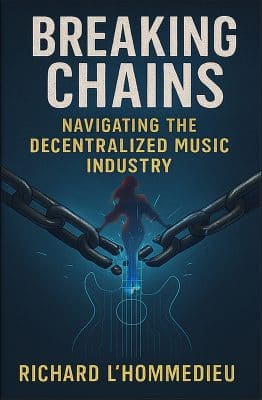
Breaking Chains is a groundbreaking guide for independent musicians ready to take control of their careers in the rapidly evolving world of decentralized music. From blockchain-powered royalties to NFTs, DAOs, and smart contracts, this book breaks down complex Web3 concepts into practical strategies that help artists earn more, connect directly with fans, and retain creative freedom. With real-world examples, platform recommendations, and step-by-step guidance, it empowers musicians to bypass traditional gatekeepers and build sustainable careers on their own terms.
More than just a tech manual, Breaking Chains explores the bigger picture—how decentralization can rebuild the music industry’s middle class, strengthen local economies, and transform fans into stakeholders in an artist’s journey. Whether you’re an emerging musician, a veteran indie artist, or a curious fan of the next music revolution, this book is your roadmap to the future of fair, transparent, and community-driven music.
Get your Limited Edition Signed and Numbered (Only 50 copies Available) Free Shipping Included
Discover more from Making A Scene!
Subscribe to get the latest posts sent to your email.


