The Indie Artist’s Guide to Writing a Real Business Plan





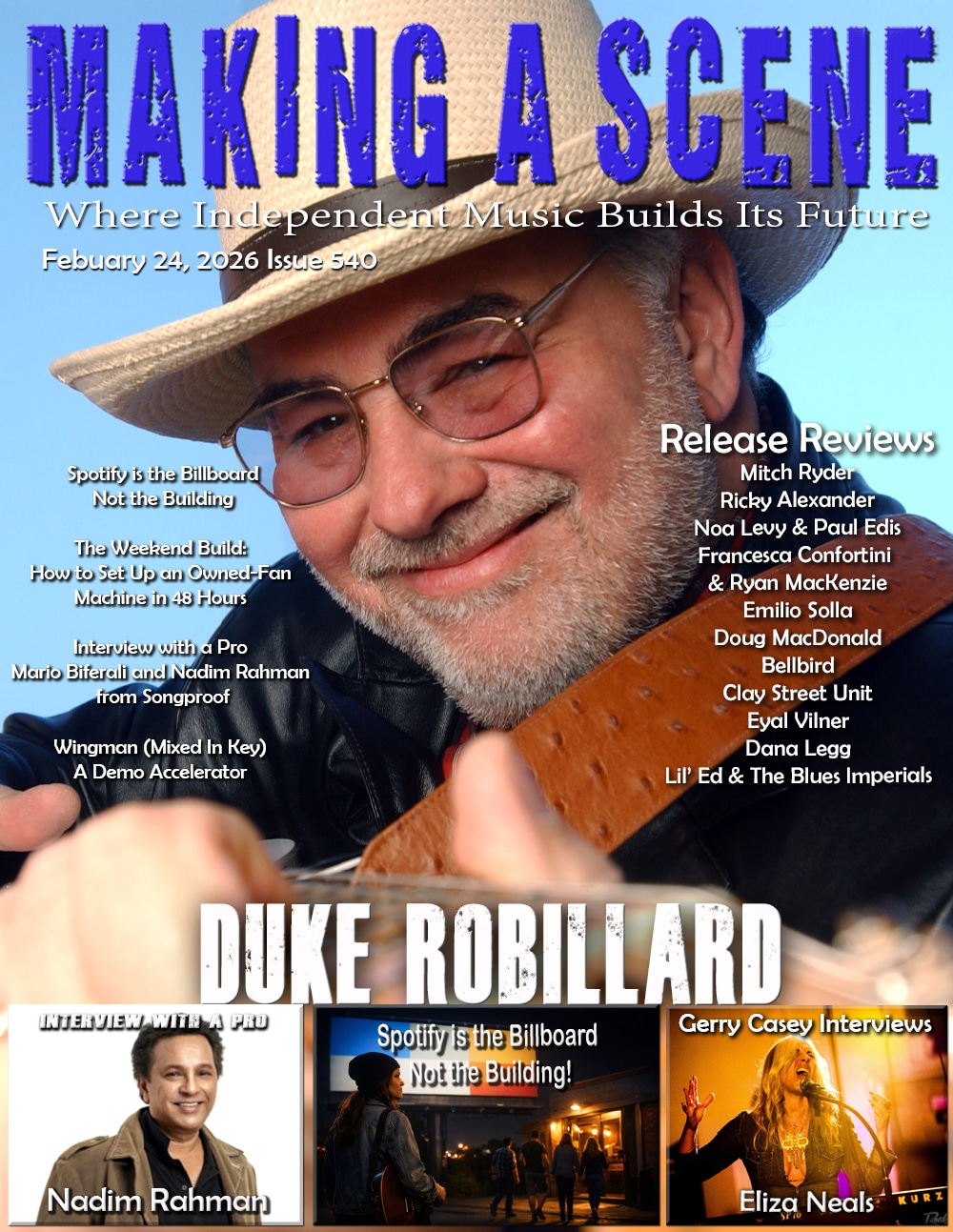
Making a Scene Presents -The Indie Artist’s Guide to Writing a Real Business Plan
Listen to the Podcast Discussion to gain More Insight into Building your Business Plan!
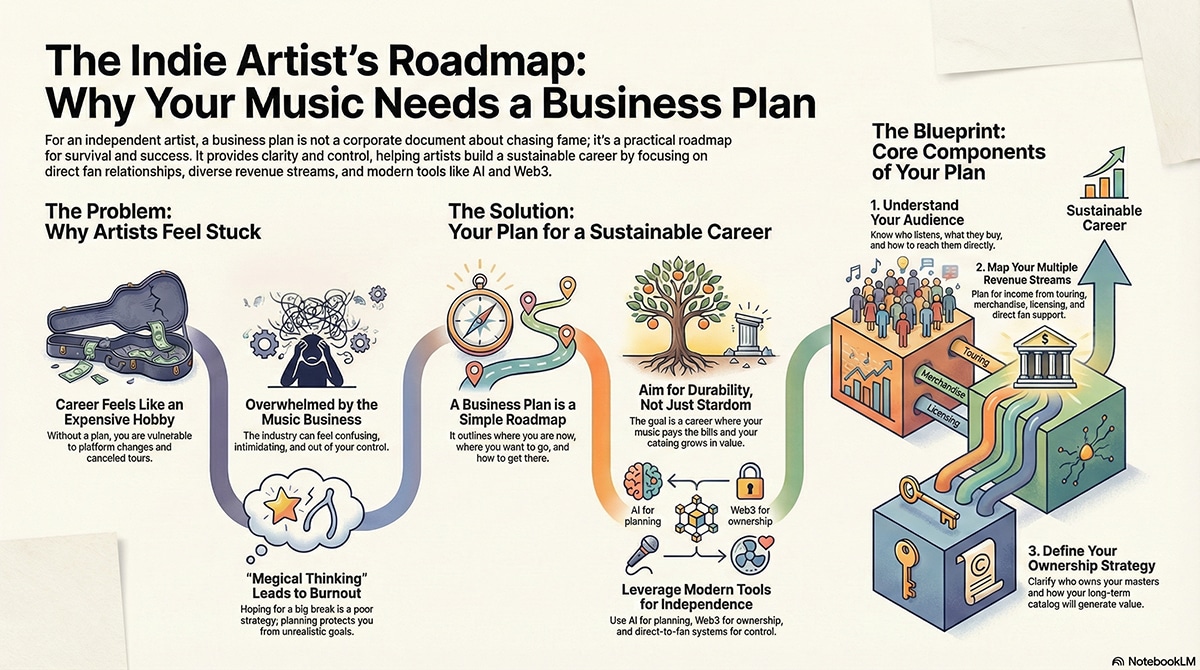
For independent musicians, the music business can feel confusing, overwhelming, and honestly a little intimidating. You make music because you love it, not because you dreamed of spreadsheets and contracts. But here’s the truth nobody tells you early enough: if you want music to be your career instead of an expensive hobby, you need a business plan. Not a corporate one. Not a label-style fantasy deck. A real, usable plan that reflects how music actually works today.
A business plan is not about chasing fame. It is about control. It helps you understand how money flows, where your risks are, who owns what, and how your music survives even when platforms change, tours get canceled, or algorithms stop caring. In today’s world, that plan also needs to include AI tools, direct-to-fan systems, and decentralized platforms that give artists leverage instead of dependence.
What a Business Plan Really Is
The phrase “business plan” scares artists because it sounds like something only MBAs understand. That fear is misplaced. A business plan is simply a clear outline of three things: where you are now, where you want to go, and how you plan to get there using the resources you actually have. It is a roadmap, not a prediction. It turns vague dreams into specific actions.
For an indie artist, this plan connects the creative side with the practical side. It forces you to answer questions like who owns your masters, how you get paid, how you build an audience you can reach directly, and how you protect your work long term. With Web3 and decentralized tools, this now also includes how you store your catalog, how fans access it, and how value moves without middlemen.
Why Writing a Business Plan Matters More Than Ever
A solid business plan gives you focus and protects you from magical thinking. It helps you set goals that are ambitious but realistic. It also signals to managers, booking agents, collaborators, investors, and even fans that you treat your music like a real business.
If you are applying for funding, financing gear, underwriting a tour, or launching a fan-supported project like a membership, NFT release, or token-gated community, a business plan becomes essential. It shows you understand your numbers and your audience. In a decentralized music economy, clarity builds trust, and trust builds sustainability.
Getting Ready to Write Your Plan
Before you write anything, do some research. Read or listen to material on business planning, especially from creators, not corporations. Then do the hardest part: be honest with yourself. Unrealistic goals kill business plans faster than lack of talent. The odds of becoming a multimillion-dollar pop star are tiny, but the odds of building a solid, sustainable music career are very real if you plan for it.
Instead of chasing stardom, aim for durability. A career where your music pays your bills, your catalog grows in value, and your fan relationships compound over time. Start by outlining your goals, your current resources, and what you are missing. That outline becomes the backbone of your plan.
Using ChatGPT to Help You Write and Maintain Your Business Plan
Writing a business plan does not mean you have to start from a blank page. One of the smartest moves an indie artist can make today is using AI tools like ChatGPT as a thinking partner. Not to replace your ideas, but to help you organize them, pressure-test them, and turn messy thoughts into clear language.
ChatGPT is especially useful because it does not get tired, it does not judge, and it can switch roles instantly. You can ask it to act like a music manager, a booking agent, a financial planner, or a fan. That alone makes it more flexible than most human advisors you can afford early on.
You can start by using ChatGPT to clarify your goals. Many artists know what they want emotionally but struggle to say it clearly. You can paste rough notes, voice-memo transcripts, or half-formed ideas into ChatGPT and ask it to rewrite them in plain language. This is incredibly helpful for sections like your mission statement, vision statement, and executive summary.
ChatGPT is also strong at structure. If you know what you want to say but not where it belongs, you can ask it to organize your ideas into business-plan sections. This helps prevent rambling and makes sure nothing important gets missed, especially in areas artists often avoid, like finances, touring costs, and long-term planning.
For market research, ChatGPT can help you think through your audience more clearly. You can describe your typical fan and ask the tool to help you identify buying behavior, comparable artists, likely merch preferences, and content habits. While it should never replace real data from your shows, email list, or sales, it can help you ask better questions and spot gaps in your thinking.
When it comes to budgeting, ChatGPT can help you build rough financial models. You can ask it to outline common expenses for recording, touring, merch, or video production. You still need to plug in real numbers and double-check costs, but this gives you a realistic starting point instead of guessing in the dark.
ChatGPT is also useful for scenario planning. You can ask questions like, “What happens if my tour attendance drops by 30%?” or “What if streaming income declines but merch grows?” This helps you think like a business owner instead of reacting emotionally when something changes.
The key thing to understand is this: ChatGPT does not know your career better than you do. But it is very good at helping you see your career more clearly. Used correctly, it saves time, reduces overwhelm, and helps you think strategically instead of emotionally.
In a decentralized music economy where artists are expected to think like creators, marketers, and business owners all at once, AI is not a shortcut. It is leverage.
Prompt: Indie Music Business Plan Architect (Solo Artist)
“Act as an expert music business strategist who specializes in independent musicians, touring artists, and bands building sustainable careers without major labels. Your job is to help me write a clear, realistic, and practical business plan for my music career.
Assume I am an indie artist operating in today’s music economy, where streaming income is limited, touring and merch matter, and direct-to-fan relationships are critical. Incorporate modern realities including AI tools for marketing and planning, Web3 and decentralized music platforms, fan-owned communities, and long-term catalog ownership.
Write at a plain-English level that musicians can understand. Avoid corporate buzzwords and unrealistic hype. Focus on sustainability, control, and ownership rather than fame.
Help me step-by-step by:
– Asking me smart questions to clarify my goals, resources, and constraints
– Helping me define my audience and revenue model
– Building a realistic touring, recording, and merch strategy
– Identifying risks and pressure-testing assumptions
– Translating messy ideas into clear business language
– Updating and revising sections as my answers evolve
Treat this business plan as a living document that will grow with my career. Challenge unrealistic thinking, but be supportive and practical. Prioritize long-term freedom over short-term hype.
Begin by asking me the right questions to understand who I am as an artist, where I am right now, and what kind of career I am actually trying to build.”
Prompt: Indie Band Business Plan Architect (For a Band)
“Act as an expert music business strategist who specializes in independent bands that write, record, release, and tour their own music. Your job is to help us create a clear, realistic, and enforceable business plan that treats our band like a real company, not a hobby.
Assume we are a U.S.-based independent band operating in today’s music economy. Streaming income is limited, touring and merch are core revenue drivers, and direct-to-fan relationships matter more than algorithms. Incorporate modern tools including AI for planning and marketing, Web3 and decentralized music platforms for ownership and fan access, and long-term catalog protection.
Write in plain English. No hype. No major-label fantasy. Focus on sustainability, control, and clarity.
You must help us address band-specific realities, including:
– Who owns the masters and songwriting
– How money flows in and out of the band
– How touring income, merch income, and expenses are split
– Who has authority to sign contracts and approve deals
– What happens if a member leaves, joins late, or becomes inactive
– How decision-making works under pressure
Guide us step-by-step by:
– Asking questions to clarify roles, expectations, and goals
– Helping us define our audience and revenue model
– Building realistic touring, recording, and merch strategies
– Identifying risks, internal friction points, and weak spots
– Turning messy band conversations into clear written agreements
– Revising sections as our answers change
Treat this business plan as a living document that can double as the foundation for a band agreement, operating agreement, or LLC structure.
Challenge unrealistic thinking. Flag potential conflicts early. Prioritize long-term band survival over short-term ego or hype.
Begin by asking us the questions you need to understand who is in the band, how long we’ve been active, how money currently flows, and what kind of band we are actually trying to be.”
Your Business Plan Is a Living Document
Your business plan is not carved in stone. It evolves as your career evolves. It will change depending on whether you are pitching a tour, a recording project, a DAO-backed fan community, or a grant application. Breaking it into clear sections makes it easy to update as your goals, tools, and audience change.
One of the most powerful uses of ChatGPT is ongoing updates. Your business plan should evolve as your career does. You can return to ChatGPT every few months, paste updated numbers or new goals, and ask it to help revise specific sections. This turns your business plan into a living document instead of something you write once and forget.
Executive Summary
This is a one-page snapshot of who you are, what you do, and where you are going. It introduces the artist or band and summarizes your strategy. If you are presenting this to a bank, investor, or partner, this is where you explain how much funding you are seeking and how it will be used. Keep it clear and grounded in reality.
Introduction
Here you expand on who you are and what this specific plan is about. If the plan is tied to a recording, tour, content series, or fan-funded release, this is where you explain that project and why it matters now.
Mission Statement
This is a short statement that explains why you exist as an artist beyond making money. It should reflect your values, your creative purpose, and how you approach your audience.
Vision Statement
Your vision statement outlines where you want to be in the future. This could include income goals, audience size, touring scale, or ownership goals like controlling your masters or building a direct-to-fan ecosystem.
Music Industry Overview (Modern Context)
If your plan is being read by someone outside the music industry, this section explains how today’s music business actually works. This is also where you update old assumptions. Streaming is not the center of income. Touring, merch, sync, memberships, and direct fan support matter more. You can also explain how decentralized platforms, blockchain-based royalties, and AI-powered marketing fit into your strategy.
Artist or Band Bio, History, and Roles
This section works like a resume. You outline key accomplishments, releases, tours, and milestones. You also explain who does what inside the business. If one member handles booking, another runs social media, and another manages production, say it. If you use outside help like PR, radio promotion, or legal counsel, list them. Clear roles prevent chaos.
Understanding Your Market
This is one of the most important sections in the entire plan. Artists who truly understand their audience always have an advantage. You should know who comes to your shows, what they spend, how they discover music, and what other artists they support.
Today, this also includes data. AI tools can help you analyze listener behavior, merch sales, email engagement, and fan locations. Decentralized tools allow you to own that data instead of renting it from platforms. The better you understand your audience, the easier it is to grow it intentionally.
Branding and Visual Identity
How you present yourself visually affects who pays attention. Your branding, graphics, and genre positioning all shape your audience. Be intentional about how you describe your music. Labels like “indie blues,” “alt-country,” or “roots rock” can attract different listeners than traditional genre boxes.
Recording Projects and Catalog Strategy
If this plan supports a recording project, outline every part of it. That includes producers, engineers, studios, session players, timelines, and budgets. Track every cost, from recording and mastering to promotion and distribution.
This is also where modern artists think long-term. Are you recording for streaming only, or are you building a catalog that lives on decentralized storage? Are you releasing limited editions, fan-owned assets, or token-gated access? Ownership decisions here affect your future income more than most artists realize.
Press Kit Strategy
Outline what goes into your press kit and whether it is physical, digital, or both. Include costs and how it will be distributed. In today’s world, this also includes maintaining an up-to-date electronic press kit that lives on your own site, not just third-party platforms.
Merchandise and Direct Sales
Merch is often more profitable than recorded music. A strong merch plan includes physical items, limited editions, and possibly digital collectibles. Track costs, margins, and sales carefully. Data here tells you what your fans actually value.
Touring Strategy
Touring is work, not vacation. A smart touring plan includes realistic budgets for travel, lodging, food, gear maintenance, and emergencies. With good planning, you can see whether a tour will make or lose money before you leave home.
Modern touring also includes marketing strategy. You should plan how you promote each show, how you capture fan data, and how you follow up after the gig. AI tools can help forecast attendance, while direct fan lists reduce dependence on paid ads.
Fan Relationships and Community Building
Your fans are your most valuable asset. Your plan should explain how you stay connected with them. This includes social media, email, text lists, and increasingly private communities. Decentralized tools allow you to build fan spaces you control, where access can be tied to ownership or participation instead of algorithms.
Your Website as the Hub
Your website is still critical. It is the one place you fully control. It should connect your music, videos, tour dates, merch, press materials, and fan communication. Your plan should explain how often it is updated, who manages it, and how it captures fan information.
Video is no longer optional. Affordable cameras and phones make it accessible, and AI tools make editing and content planning easier than ever. Your plan should outline how many videos you release per project, what they cost, and how they support your music and touring.
Multiple Revenue Streams
A sustainable music career rarely relies on one income source. Teaching, producing, songwriting, sync licensing, fan memberships, and collaborations all matter. Decentralized platforms now allow fractional ownership, fan investment, and new revenue models that did not exist a decade ago.
Sponsors and Supporters
If you have sponsors, partners, or investors, list them here. You do not need to disclose amounts, but showing support builds confidence.
Strengths and Track Record
This is where you highlight what you do well. Past sales, tours, awards, media coverage, and growth all matter. This section builds confidence in your ability to execute.
Challenges and Risks
Be honest about challenges. Financial limitations, internal conflicts, or skill gaps are not weaknesses if you acknowledge them and show how you are addressing them. Transparency builds credibility.
Goals and Timelines
Set clear goals for the next six months, one year, three years, and five years. Each goal should include how success is measured. Calendars and timelines help keep you accountable.
Assumptions and Scenarios
Explain the assumptions behind your numbers. What happens if sales are lower than expected? What alternatives do you have? Planning for uncertainty is smart business.
Financial Overview
This section pulls everything together. Summarize costs, income, and cash flow. You do not need to overwhelm the reader with spreadsheets, but you should understand your numbers. If collateral is required for financing, list it clearly.
A business plan does not limit creativity. It protects it. In a world where platforms change overnight and attention is rented, not owned, planning is how indie artists build freedom. When you stop treating your career like a hustle and start treating it like infrastructure, everything changes.
 |  Spotify |  Deezer |  Breaker |
 Pocket Cast |  Radio Public |  Stitcher |  TuneIn |
 IHeart Radio |  Mixcloud |  PlayerFM |  Amazon |
 Jiosaavn |  Gaana |  Vurbl |  Audius |
 Reason.Fm | |||
Find our Podcasts on these outlets
Buy Us a Cup of Coffee!
Join the movement in supporting Making a Scene, the premier independent resource for both emerging musicians and the dedicated fans who champion them.
We showcase this vibrant community that celebrates the raw talent and creative spirit driving the music industry forward. From insightful articles and in-depth interviews to exclusive content and insider tips, Making a Scene empowers artists to thrive and fans to discover their next favorite sound.
Together, let’s amplify the voices of independent musicians and forge unforgettable connections through the power of music
Make a one-time donation
Make a monthly donation
Make a yearly donation
Buy us a cup of Coffee!
Or enter a custom amount
Your contribution is appreciated.
Your contribution is appreciated.
Your contribution is appreciated.
DonateDonate monthlyDonate yearlyYou can donate directly through Paypal!
Subscribe to Our Newsletter
Order the New Book From Making a Scene
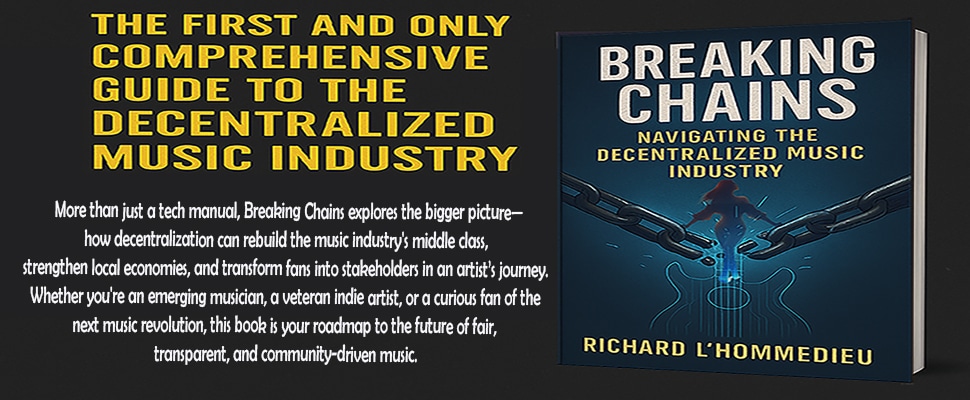
Breaking Chains – Navigating the Decentralized Music Industry
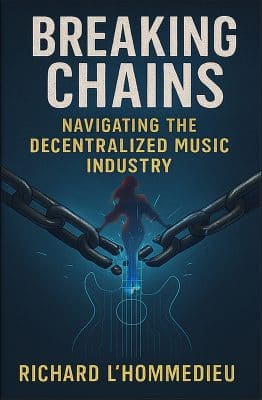
Breaking Chains is a groundbreaking guide for independent musicians ready to take control of their careers in the rapidly evolving world of decentralized music. From blockchain-powered royalties to NFTs, DAOs, and smart contracts, this book breaks down complex Web3 concepts into practical strategies that help artists earn more, connect directly with fans, and retain creative freedom. With real-world examples, platform recommendations, and step-by-step guidance, it empowers musicians to bypass traditional gatekeepers and build sustainable careers on their own terms.
More than just a tech manual, Breaking Chains explores the bigger picture—how decentralization can rebuild the music industry’s middle class, strengthen local economies, and transform fans into stakeholders in an artist’s journey. Whether you’re an emerging musician, a veteran indie artist, or a curious fan of the next music revolution, this book is your roadmap to the future of fair, transparent, and community-driven music.
Get your Limited Edition Signed and Numbered (Only 50 copies Available) Free Shipping Included
Discover more from Making A Scene!
Subscribe to get the latest posts sent to your email.


