
The American Music Fairness Act: What It Really Means for Indie Artists in a World Where Radio Isn’t King Anymore




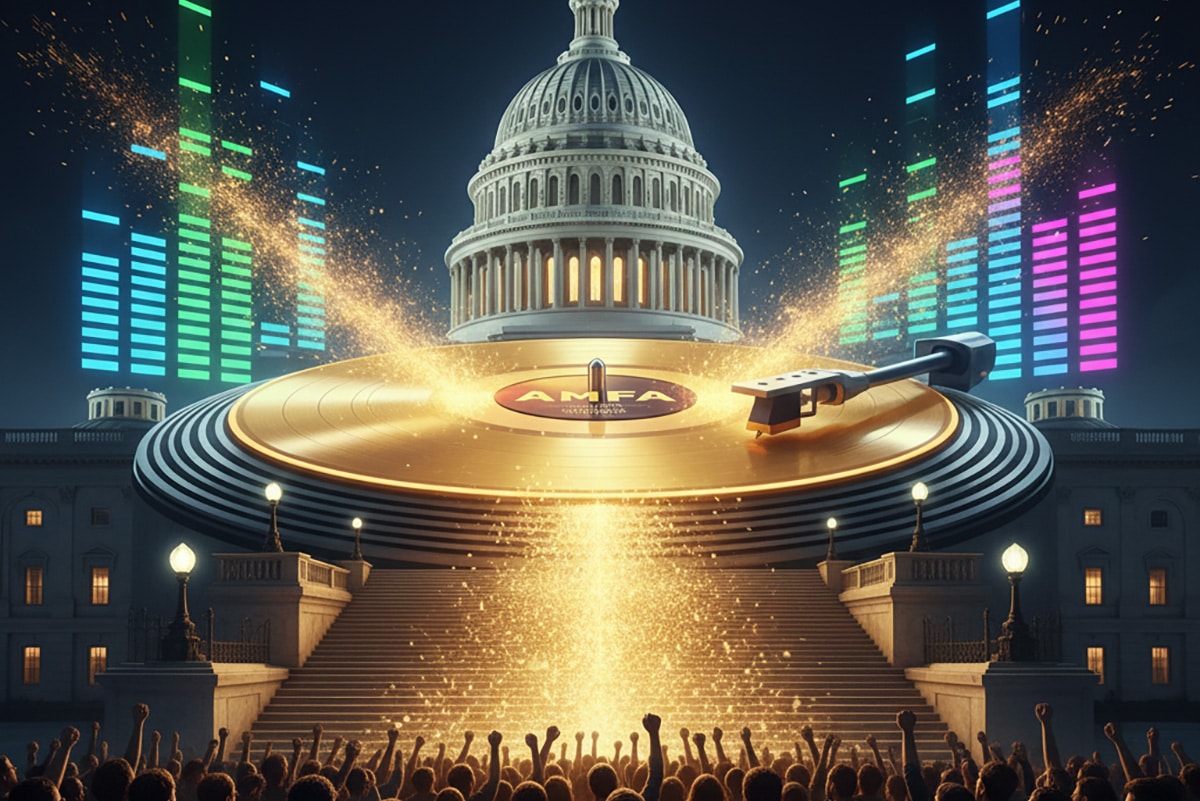
Making a Scene Presents – The American Music Fairness Act: What It Really Means for Indie Artists in a World Where Radio Isn’t King Anymore
Listen to the podcast Discussion to gain more insight into the American Music Fairness Act
For years the music business has danced around the same old question. Who gets paid when radio spins a song? If you think the artist gets a piece of that pie, you’re giving the system more credit than it deserves. The truth is, in the United States, the performer and the owner of the recording still earn nothing from AM/FM radio airplay. That weird loophole has survived almost a century. Now the American Music Fairness Act wants to close it, and the fight around it is getting louder every day.
Some folks swear the bill will finally bring fairness to artists. Others say it will crush the small community stations that still champion indie music. And caught in the middle is the independent musician trying to survive in a digital world where radio barely holds on to its old influence.
This is the story that matters, because it isn’t just about royalties. It’s about the future of music discovery and the shrinking role traditional radio plays in breaking new artists.
What the American Music Fairness Act Actually Does
The American Music Fairness Act, or AMFA, is built on a simple idea. When a radio station plays your song, you should get paid for it. Most of the world already does this. Only the U.S. and a handful of tiny countries still run on the outdated idea that “radio play is free promotion,” so artists shouldn’t expect real royalties.
If you want to look at the bill directly, you can read it at
https://www.congress.gov/bill/119th-congress/house-bill/861
AMFA aims to finally align radio with the modern world. Every digital platform already pays performers. Spotify, Pandora, SiriusXM, and even bars and restaurants have some form of licensing. But AM/FM radio never joined the club.
AMFA would change that by creating a new payment stream for the performer and the owner of the master recording. These royalties would be collected by SoundExchange, which already handles digital and satellite radio payouts. If you aren’t registered with them, you can sign up at
https://www.soundexchange.com/
On paper, that sounds like justice finally showing up to the party. But the impact hits every corner of the industry in different ways, and that includes indie musicians.
Why Some Artists and Labels Support AMFA
A lot of artists applaud AMFA because it fixes an unfair system. Radio stations make money through ads. Those ads exist because listeners tune in for music. It makes sense that the musicians responsible for that music should get a cut of the revenue.
For independent musicians who actually own their masters, this could be a new income stream. Even a few radio plays a month add up over years. Blues artists, folk artists, Americana artists, roots players—these musicians still get spins on community and college radio. AMFA would finally put dollars where right now there is only “exposure.”
Supporters also argue that radio’s old promotional power isn’t enough reason to deny payment. If radio isn’t breaking artists anymore, what exactly is the trade-off?
Why Many Stations and Some Indie Artists Push Back
Not everybody is cheering. Many indie artists worry that if radio stations have to pay more, they’ll take fewer risks. They’ll lean even harder on major-label stars because those names feel “safe.” Less room for indie voices. Less variety. Less discovery.
The National Association of Broadcasters, which represents radio stations, also argues that new fees could damage small local stations. You can read their position at
https://www.nab.org/
Most community and college stations work on shoestring budgets, volunteer staff, and listener donations. Even a small fee hits hard. AMFA includes protections for tiny broadcasters, but some stations fear that even the low-cost tier could push them toward shutting down.
That’s the nightmare scenario for indie musicians. Because community and college radio are still the last traditional platforms actually playing independent music.
The Bigger Reality: Radio No Longer Drives Music Discovery
To understand AMFA’s true impact, you have to accept one hard fact. Radio has lost its crown. It is not the center of music discovery anymore and hasn’t been for years.
Younger listeners don’t hear new music through FM radio. They hear it through Spotify, TikTok, YouTube, Instagram, Apple Music, and fan-driven word of mouth. If you want a real-time look at where people discover songs today, check the platforms that dominate the culture.
Spotify
https://www.spotify.com
YouTube
https://www.youtube.com
Apple Music
https://music.apple.com
TikTok
https://www.tiktok.com
Instagram
https://www.instagram.com
Radio is now a background medium. It holds older listeners, commuters, and long-time fans who aren’t hunting for new artists. Breakthroughs no longer come from landing your first radio spin. They come from landing the right moment online.
So even if AMFA passes, and even if you get paid for radio plays, those plays don’t carry the same weight they once did. You may earn money, but you won’t necessarily earn momentum.
How Indie Artists Break Today Without Radio
If you want proof of radio’s fading power, just look at the modern breakout stories.
Russ didn’t get discovered on radio. He got discovered on SoundCloud and built his career through consistency and direct fan connection.
Clairo blew up because of a homemade YouTube video. Radio came long after her fanbase was already strong.
Still Woozy grew through playlists, not radio spins.
Steve Lacy went viral on TikTok before he went mainstream.
These artists didn’t wait for a program director to give them permission. They built their own path in a world where radio wasn’t even part of the plan.
AMFA doesn’t change this landscape. It simply adds a royalty layer to whatever radio play you do get.
How AMFA Could Help Indie Artists Financially
Let’s talk about money. If AMFA passes, indie artists finally get a slice of something that has been off-limits since radio began. Every time a station plays your track, you get paid. The amount varies, but over time those pennies turn into something meaningful.
For indie artists who actually own their masters, the payout goes straight to you. You don’t split it with a label unless you signed away your recording rights. This means a hardworking DIY artist could see new revenue flowing in every year from airplay they never benefited from before.
For the first time, your radio moment actually pays you instead of everyone else.
How AMFA Might Make It Harder for Indie Artists to Get Played
Now the other side. If stations feel financial pressure, some may cut back on new or unknown artists. A station living on small margins might decide that major-label songs are less of a risk. If that happens, indie artists lose.
Remember, mainstream radio already leans toward safe bets. If AMFA tightens budgets, that door narrows even more.
But there’s another twist. Most indie artists chasing AM/FM stations today are chasing something that no longer holds real power. You aren’t fighting for the cultural spotlight anymore. You’re fighting for a tiny piece of an outdated piece of the industry.
Your time might be better spent building your world where fans actually discover music.
The Role of Community and College Radio in the Indie Landscape
Here’s where everything comes together. Community radio and college radio are still vital. They are the stations playing blues, Americana, roots, folk, indie, metal, punk, and experimental music. They don’t care what labels say. They care about art and discovery. They are run by champions of local scenes. They are the reason many indie musicians ever hear themselves on the radio at all.
Stations like KEXP, KCRW, WXPN, WFMU, WRAS, and thousands of small operations across the country still serve indie musicians. If AMFA puts financial pressure on them, even with the small-station protections, the indie community loses something precious.
Losing these stations doesn’t just mean losing airplay. It means losing culture. Losing the DJs who care. Losing the shows that highlight local artists. Losing the last spaces where radio still has soul.
This is the heart of the debate. AMFA may finally pay artists fairly, but it may also unintentionally wound the very outlets that have supported indie artists for decades.
The Future of Discovery Is Decentralized
But the story doesn’t end with radio. The next wave of music discovery is already taking shape in Web3 and decentralized media.
Artists now control their own releases, their own platforms, and their own fan ecosystems. Fans support music through ownership instead of passive listening. And platforms that run on blockchain technology are building new ways for artists to get discovered without needing radio or big labels.
If you want to see this world in action, check out:
Audius
https://audius.co/
Nina Protocol
https://www.ninaprotocol.com/
Sound.xyz
https://www.sound.xyz/
OohLaLa
https://www.oohlala.xyz/
These platforms don’t rely on gatekeepers. They rely on communities, collectors, and direct support. For indie musicians, that’s a chance to skip the lines and build something radio could never offer.
Radio fading isn’t the end of indie music. It’s the start of a new chapter.
Preparing for an AMFA World
Independent musicians need to be ready no matter which way this goes. If AMFA passes, you want to be registered with SoundExchange so you don’t miss out on money owed to you. If it doesn’t pass, the world still moves forward, and you still have the power to build your own path.
Community stations deserve your support. They are still one of the few parts of the music world that hasn’t been swallowed by corporate interests. Show up for them, donate when you can, give them great-sounding music, and treat their DJs with respect. They are your allies.
At the same time, keep exploring decentralized platforms. Keep building direct fan relationships. Keep owning your masters. Keep learning how Web3 tools can help you reach people without needing old-school radio approval.
AMFA isn’t a magic fix and it isn’t a death sentence. It’s simply another shift in an industry that refuses to sit still.
So What Does AMFA Mean for Indie Artists?
It means the industry is finally waking up to the idea that artists deserve to be paid for the work they create. It means new revenue could show up for musicians who never saw a penny from broadcast radio. It means major stations might rethink their playlists. It means small stations might struggle. It means discovery continues to leave radio behind.
Most of all, it means the future is not controlled by the same players who owned the past.
You are living in the era of artist-driven discovery. You don’t need permission anymore. You don’t need a program director’s blessing. You don’t need to hope a station adds your song before your album cycle dies.
Radio may still have a heartbeat, but it no longer controls the pulse of music.
AMFA is part of the old system trying to catch up to the new one. And independent artists, as always, are the ones leading the next revolution.
 |  Spotify |  Deezer |  Breaker |
 Pocket Cast |  Radio Public |  Stitcher |  TuneIn |
 IHeart Radio |  Mixcloud |  PlayerFM |  Amazon |
 Jiosaavn |  Gaana |  Vurbl |  Audius |
 Reason.Fm | |||
Find our Podcasts on these outlets
Buy Us a Cup of Coffee!
Join the movement in supporting Making a Scene, the premier independent resource for both emerging musicians and the dedicated fans who champion them.
We showcase this vibrant community that celebrates the raw talent and creative spirit driving the music industry forward. From insightful articles and in-depth interviews to exclusive content and insider tips, Making a Scene empowers artists to thrive and fans to discover their next favorite sound.
Together, let’s amplify the voices of independent musicians and forge unforgettable connections through the power of music
Make a one-time donation
Make a monthly donation
Make a yearly donation
Buy us a cup of Coffee!
Or enter a custom amount
Your contribution is appreciated.
Your contribution is appreciated.
Your contribution is appreciated.
DonateDonate monthlyDonate yearlyYou can donate directly through Paypal!
Subscribe to Our Newsletter
Order the New Book From Making a Scene
Breaking Chains – Navigating the Decentralized Music Industry
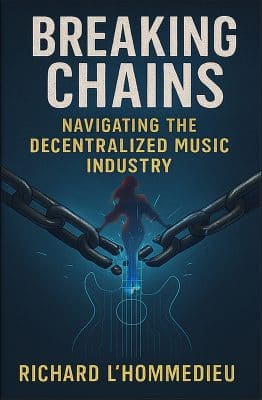
Breaking Chains is a groundbreaking guide for independent musicians ready to take control of their careers in the rapidly evolving world of decentralized music. From blockchain-powered royalties to NFTs, DAOs, and smart contracts, this book breaks down complex Web3 concepts into practical strategies that help artists earn more, connect directly with fans, and retain creative freedom. With real-world examples, platform recommendations, and step-by-step guidance, it empowers musicians to bypass traditional gatekeepers and build sustainable careers on their own terms.
More than just a tech manual, Breaking Chains explores the bigger picture—how decentralization can rebuild the music industry’s middle class, strengthen local economies, and transform fans into stakeholders in an artist’s journey. Whether you’re an emerging musician, a veteran indie artist, or a curious fan of the next music revolution, this book is your roadmap to the future of fair, transparent, and community-driven music.
Get your Limited Edition Signed and Numbered (Only 50 copies Available) Free Shipping Included
Discover more from Making A Scene!
Subscribe to get the latest posts sent to your email.


