
Warner Music Signs Deal with Suno.com and Ends it’s Lawsuit




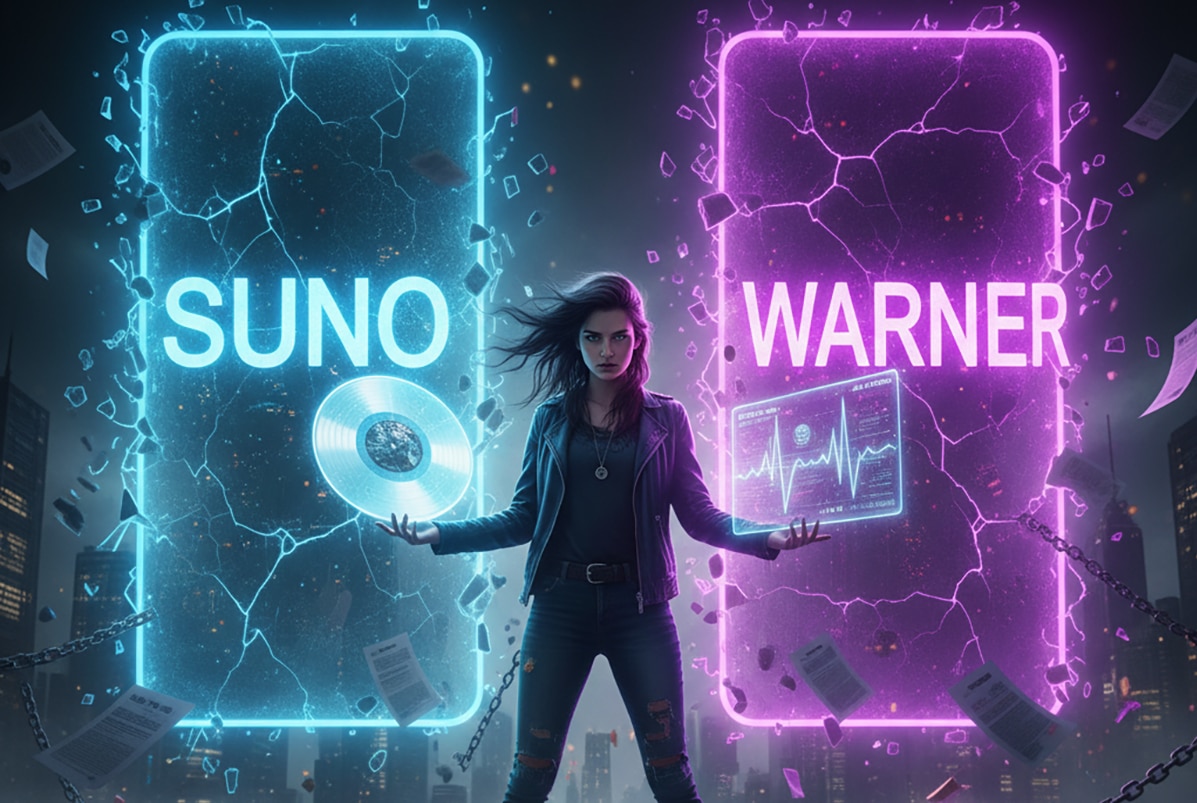
Making a Scene Presents – Warner Music Signs Deal with Suno.com and Ends it’s Lawsuit
So… What Happened?
Listen to the podcast discussion to gain more insight of this ground breaking Deal with Warner and Suno!
Last week, Warner Music Group (WMG) announced it had settled its copyright lawsuit against Suno. That lawsuit was one of several filed by major labels in 2024 and 2025, accusing AI music generators like Suno (and its rival Udio) of using copyrighted recordings — without permission — to train their AI models.
Now, instead of fighting in court, Warner and Suno have struck a deal. Under the agreement, Suno will shift toward a licensed-AI model. Starting next year, it will retire its current un-licensed models and roll out new ones that operate under license — meaning Suno will get permission from rightsholders before using their work.
At the same time, Suno is acquiring a live-music and concert-discovery platform formerly owned by Warner: Songkick. The plan is to combine AI-generated music tools with live-music data and concert discovery, which could reshape how fans interact with artists beyond recordings.
Warner says the deal “opens new frontiers in music creation, interaction, and discovery, while protecting and compensating artists, songwriters, and the wider creative community.”
Under the agreement artists signed to Warner will have full control over whether — and how — their voice, name, likeness, compositions, and even “style” are used in future Suno-generated music.
For users, that means Suno is planning to require a paid subscription for downloads of AI-generated songs starting next year. Free users will only be able to play and share tracks, not download them. Paid users will face monthly caps on downloads (but likely can pay more for extra downloads).
So the major headline: the lawsuit is over. Suno is no longer operating in legal limbo. Instead, it’s becoming a licensed, monetized, and (officially) “music-industry-approved” AI music platform.
Why This Settlement Matters (for Better or Worse)
This deal shifts the playing field. And it matters on many levels — for big labels, for indie artists, for AI startups, and for the future sound of music.
It signals that AI + major labels can coexist
For over a year, the narrative was “AI music = theft of artists’ work.” Labels accused tools like Suno of ripping off entire catalogs by scraping copyrighted recordings without permission. That fight — legal and moral — created huge uncertainty.
Now, with this deal, we’ve seen the first major label actually embrace a generative-AI music startup instead of suing it. That’s a watershed moment. It shows that, at least for some in the industry, AI is not just a threat — it’s an opportunity.
This could trigger a wave of similar deals between AI music tools and other labels (or publishers). As of right now, litigation still continues between Suno and other major labels, but this settlement sets a precedent.
It moves AI music out of the “wild west” phase and into a licensed, regulated, negotiated business model.
Artists can get protection AND new income
One of the major criticisms of early AI music platforms was that they used artists’ work without consent — and offered no compensation. With this new licensing deal, creators get a real seat at the table.
Under Suno + Warner’s agreement, artists and songwriters will have control over whether their voice, compositions, or likenesses are used. If they opt in, they’ll be compensated for use. That could mean a whole new revenue stream: AI-generated remixes, derivative works, or fan-made songs using an artist’s “voice” — but only if the artist says yes.
For some artists — especially ones with big catalogs — this is huge. Suddenly, their old recordings or their vocal likenesses become assets that can be licensed to AI platforms, much like how sync licensing works for film or commercials.
It may curb the flood of low-quality AI music
One of the biggest fears from critics: that AI platforms would flood streaming services with cheap, soulless AI-generated songs — possibly drowning out real humans.
Because Suno will now move to licensed models with download restrictions, it reduces the risk of mass dumping of AI tracks into streaming. By placing caps and requiring paid accounts for downloads, Suno is implicitly limiting volume while enforcing licensing and monetization controls.
This could help preserve value in recorded music by discouraging spam-like generation and encouraging more thoughtful, artist-approved AI releases or collaborations.
It pushes the industry toward a new hybrid business model
This settlement suggests a future where music rights holders (labels, artists, publishers) and AI platforms collaborate instead of fight. AI becomes another channel — like streaming, sync, or licensing — with controlled access, royalty flows, and consent.
If other labels follow Warner’s lead, we may see a restructuring of how music gets created, monetized, and distributed. Generative AI could become part of a diversified ecosystem rather than a rogue disruptor.
For fans, this could mean more interactive music experiences: remixes, fan-made versions, personalized music using favorite artists’ styles, or AI-powered collaborations — but done with respect to creators’ rights, and likely with a paywall or licensing fee.
Risks and possible downsides
This deal isn’t a utopia. Some creators remain skeptical. Many artists signed open letters in 2024 demanding no AI-generated clones without explicit artist consent.
Consent and “opt-in” might not be enough. What happens when a few hit artists opt in and flood the AI world with new releases? Could that still devalue “real” music if fans just consume AI clones instead of original human work?
Also, the licensing deal so far is only between Suno and Warner. Other major labels/publishers (like Universal Music Group or Sony Music Entertainment) haven’t settled with Suno yet — so full industry-wide licensing isn’t guaranteed.
And from a fan or user perspective — the paywalls and download caps may make AI-generated music less appealing to casual fans who just want free access. That could limit AI music adoption to either serious creators, fans willing to pay, or producers.
What It Means for Suno
For Suno — this deal is massive. It’s not just a settlement. It’s a pivot.
Suno is officially transforming from a controversial startup into a legit music business, aligned with one of the biggest labels in the world. The company will phase out its unlicensed models and roll out licensed ones next year.
That makes Suno more attractive to investors, artists, and — importantly — rights holders. It lowers legal risk dramatically. Given that Suno recently raised $250 million and was valued at $2.45 billion, this deal strengthens its position.
By acquiring Songkick, Suno is expanding its business beyond just generating songs. Songkick gives access to a wealth of live-music data, concert listings, and a way to connect artists with fans on the live side of their career. This could allow Suno to build a vertically integrated music ecosystem: AI song creation, fan discovery, concert promotion — potentially merging AI-powered songs with real-world touring and fan engagement.
Suno’s shift suggests a business plan that isn’t just about “generate as many songs as possible.” Instead, it may lean on a model more like a traditional music platform: subscription-based, rights-respecting, and integration with live music and fan services.
For users and indie artists (like you), that could eventually open up interesting opportunities. Imagine being able to license your voice, style or compositions to Suno (if you own them outright), or using Suno to remix or reimagine your music — legally, and with potential earnings.
Also, since Suno claims to have nearly 100 million users already, this deal may accelerate adoption in a more structured, legal, and monetized form — possibly changing the dynamic between independent artists and AI platforms.
What It Means for Warner Music — and the Label/Artist Side of the Business
For Warner, this move is strategic. Instead of being locked in endless litigation against AI, the label has pivoted to collaboration. That could be smart business.
By licensing generative AI, Warner turns a potential threat (AI making infinite songs using their catalog) into a controlled, monetized asset — one that can be licensed, counted, tracked, and monetized.
It also gives Warner a stake in how AI music evolves, which might help them shape industry standards around AI licensing, consent, and compensation before things go off the rails.
Including Songkick in the deal may signal Warner’s intent to expand beyond recorded music revenue — into live music, fan data, concert discovery, and integrated fan experiences. This kind of horizontal expansion may be a clue to how major labels intend to survive in a future where streaming margins shrink and competition is brutal.
For some of Warner’s artists, this could mean real new revenue from AI-powered releases. For others, it might feel risky or unsettling — especially if their voice or likeness becomes part of a broader pool of AI-generated music. But at least they get to choose (“opt in”), keep control, and get paid.
In short: this deal lets Warner hedge their bets. They’re not rejecting AI — they’re co-opting it.
What It Means for the Future of AI in the Music Industry
This settlement could be the beginning of a new era. Here are some ways this might shape what’s coming.
Licensed AI models may become the norm
With Suno pivoting to licensed models, and other platforms like Udio following similar paths, we could see licensed generative AI become the standard — where rights holders are paid, and artists retain control.
That could ease a lot of the ethical and legal concerns around AI music. If most AI-generated music going forward is licensed — and artists consent — there’s less chance of lawsuits, less moral panic, and more room for collaboration.
More hybrid artist-AI collaborations
For indie artists (and even major artists), this model could open new creative and revenue opportunities. An established artist might license their voice or style to create fan-collaborative songs, remixes, or AI-powered side projects.
For emerging indie artists, AI tools could serve as a low-cost, high-access “sandbox” — but now within a rights-respecting framework. For example, an indie musician could create AI accompaniments, remixes, or even full songs, and then license them properly.
This could especially benefit artists who are resource-limited (no big budget, little studio time) or want to experiment without heavy overhead.
A more fragmented — but structured — music marketplace
Expect the world of music to get more complex. We may have traditional recordings, AI-generated tracks, live-performance streams, fan-made remixes, and more — all coexisting under licensing frameworks.
Streaming services and distribution platforms will likely adjust. They might need to track metadata for AI-generated songs (who contributed, who licensed what, which artist’s voice or likeness was used, etc.). That could lead to new standards and maybe new metadata protocols.
The control of rights, consent, and payment will likely require more sophisticated rights management systems — which could benefit those who already own their masters or control publishing (like many indie artists).
Fan experience gets reimagined — with a price tag
For listeners, AI music could become more interactive. Fans might be able to “generate” or “remix” songs with their favorite artist’s style — if the artist agreed to license their work. That could blur the line between fan and creator.
But access will likely come at a cost (subscription fees, download caps, licensing fees). So while we might get more creativity and variety, the barrier to mass adoption could be higher.
What This Means for Indie Artists (Like You)
Because of your background in independent music, production, decentralized streaming, and interest in AI — this development could be a big deal for you.
First, licensing-based AI gives you a potential tool to expand your creative output without heavy upfront costs. For example, you could use a licensed AI platform (like the new version of Suno) to prototype song ideas, generate instrumental tracks, experiment with vocals — all without needing a full studio session.
Second, if you control your own masters or compositions, you might be able to license those to AI platforms too. That could become a passive income stream — especially if your work has a unique sound or niche that fans appreciate.
Third, given that indie artists often lack the backing of major labels, this shift could help level the playing field. Instead of needing a big record deal or expensive production, you could leverage AI (legally) to create high-quality content cheaply — then distribute, release, and monetize it through newer, decentralized channels.
Because you’re already writing about blockchain, DAOs, NFTs, and decentralized models, this combines well: imagine coupling AI-generated tracks with blockchain-based rights, NFT-backed ownership, or token-gated releases. The licensing framework that big labels and AI startups are defining now could provide a legal foundation for those decentralized experiments.
What’s Still Unclear or Risky
Despite how optimistic this sounds, there are still big unknowns.
The deal only covers Warner’s catalog (and the artists under Warner who opt in). Many other labels/publishers still have lawsuits pending, including WMG’s peers. So the industry-wide licensing environment is still unsettled.
We don’t yet know the financial terms. Warner and Suno have not publicly disclosed how artists will be paid, what the revenue-split looks like, or how licensing fees will be calculated. That leaves room for exploitation or unfair deals — especially for less powerful or newer artists.
Another concern is transparency and control. While the deal says artists “have full control” over use of their likeness, voice, compositions, and so forth, it’s not yet clear how that control will be exercised in practice. What counts as “opt-in,” and can artists later revoke that consent? These details remain murky.
Finally, there’s the risk that AI-generated music, even licensed and controlled, could still devalue “real” music in the public mind. If fans become used to generic or AI-style music, will human-crafted songs lose cultural weight? That’s a philosophical as much as a business question.
Big Picture: What This Settlement Foreshadows for the Music Industry’s Future
I don’t think this settlement is just a footnote. I believe it’s a signal: we’re entering a new phase of music — one where AI is not the enemy, but a tool integrated into the creative ecosystem.
We could be moving toward a future where:
- Major labels, indie artists, and AI platforms collaborate, license, share revenue, and co-create.
- Music becomes more modular: recordings, stems, voices, compositions, fan-remixes, live data — all pieces that can be recombined, repurposed, and monetized differently.
- Artists (especially independents) have more tools to experiment, create, and distribute without big budgets — democratizing access to music production.
- New revenue streams emerge: AI-based licensing, fan-generated remixes, AI-powered live/show discovery (especially with Suno + Songkick), fan subscriptions for personalized music experiences, etc.
- The industry becomes more decentralized, more diverse, but also more complex — requiring better rights tracking, metadata standards, transparent licensing, and fair compensation mechanisms.
For people like you — working on decentralized music models, blockchain-based distribution, and AI-powered creativity — this might be the beginning of a real opening. The infrastructure is shifting. The rules are being rewritten.
Conclusion: This Is Just the Beginning
The settlement between Suno and Warner doesn’t solve all problems. It doesn’t answer every ethical question. It doesn’t guarantee fair compensation for all artists, or perfect transparency, or eliminate risk of devaluation.
But what it does do is show that cooperation — between labels and AI companies — is possible. That the music business can adapt. That maybe, just maybe, AI doesn’t have to destroy artistry. It can become another tool in the toolbox — as long as it’s used respectfully, with consent, and with value for creators.
For indie artists, for decentralizes, for the future of fan-driven models and blockchain-based music ecosystems — this is a moment worth watching. How Suno builds out its new licensed platform, how artists respond, and how fans consume this new AI-powered music will tell us a lot about the shape of music in the next decade.
As you build your own content around decentralized music, AI, NFTs, DAOs, and fan engagement — use this shift. Reference it. Build frameworks that assume licensed AI will be part of the new economy. Explore how blockchain-based royalties and AI-generated music can coexist in a fair, transparent, creator-friendly future.
Right now, the settlement marks a turning point. What matters now is how the industry — and creative community — chooses to run with it.
 |  Spotify |  Deezer |  Breaker |
 Pocket Cast |  Radio Public |  Stitcher |  TuneIn |
 IHeart Radio |  Mixcloud |  PlayerFM |  Amazon |
 Jiosaavn |  Gaana |  Vurbl |  Audius |
 Reason.Fm | |||
Find our Podcasts on these outlets
Subscribe to Our Newsletter
Discover more from Making A Scene!
Subscribe to get the latest posts sent to your email.


