Why Web3 Touring Collectives Will Replace Booking Agents




Making a Scene Presents – Why Web3 Touring Collectives Will Replace Booking Agents
Listen to the Podcast Discussion to gain more insight into DAO Touring Collectives!
How Indie Artists Can Use DAOs, Fan-Powered Ticketing, and Community Spaces to Build Tours Without Gatekeepers
The music industry likes to pretend that touring is some kind of secret science only insiders understand. Booking agents act like they hold magic keys. Venues act like they own every path to a stage. Promoters act like they decide who deserves to play. But if you talk to indie artists long enough, you learn the truth. The system isn’t complicated. It’s controlled. And Web3 is about to tear that control down to the foundation.
Right now, indie artists are discovering that they can build their own touring systems using Web3 tools. They can create touring collectives that raise money together, book shows together, manage fans together, and split profits together. And they can do all of this without a booking agent taking a cut or standing in the way.
If you’ve never used Web3 before, don’t worry. This article is written for beginners. You’ll learn what a DAO is, how to build one, how to use it to fund a tour, how to use it to sell tickets, and how to use it to run your entire touring operation. You’ll also learn how fans become partners, not spectators, and how old-school venues like backyard shows, house concerts, VFW halls, and Masonic lodges become fan-owned touring spaces. You’ll even see how blues societies have been quietly running a Web3-style system for decades, long before anyone used the word “blockchain.”
By the time you finish this article, you’ll know how to build your own touring collective using Aragon at https://aragon.org, DAOhaus at https://daohaus.club, and Unlock Protocol at https://unlock-protocol.com. You’ll also understand why this movement is about to replace booking agents entirely.
The Old Touring System Was Built to Keep You Out
For decades, the music industry convinced artists that booking a tour without an agent was impossible. They pushed the idea that you needed an agent to get into venues, to talk to promoters, to secure good dates, and to make money. What they didn’t tell you is that booking agents depend on you being desperate. They rely on artists believing they can’t do it alone. They rely on venues trusting them more than you. And they rely on a structure that funnels power toward middlemen instead of musicians.
If you ever tried booking your own tour, you already know the frustration. You email venues and hear nothing back. You message promoters and they treat you like a nobody. You beg for weeknight spots because the weekends are reserved for artists with agents. Everything feels locked down.
The truth is most indie artists never needed a booking agent. They needed access. They needed a funding system. They needed a decision-making process. They needed a way to build momentum. They needed a way to share resources with other musicians. And that’s exactly what Web3 provides.
Web3 is not a trend. It’s leverage. And leverage is what breaks bottlenecks.
What a Web3 Touring Collective Really Is
A Web3 touring collective is a group of musicians and fans who join forces inside a DAO. A DAO is a decentralized autonomous organization. That sounds complicated, but it’s basically a digital group that uses smart contracts instead of managers. The group decides everything together through votes. The shared money is held in a transparent treasury. The rules are written up front. No one can cheat or steal or make shady side deals.
When musicians create a touring collective DAO, they build their own booking engine. They pool money for travel. They vote on which cities to hit. They pick which artists play which shows. They approve budgets for gas, hotels, food, and venue rentals. They split the profits according to rules the group agreed on from day one.
Fans can join too. This is where it gets powerful. Fans who join the DAO can fund shows, vote on locations, help promote events, and even help run ticketing. They get rewarded for their involvement through tokens or membership keys. They feel like part of the story. They feel like they helped build the tour, because they did. This is the opposite of the old system where artists beg for scraps while agents and promoters call the shots. In a Web3 touring collective, the artists and fans hold the entire deck.
Blues Societies Have Been Doing Web3 Before Web3 Existed
If you want proof that community-run touring already works, look at blues societies. These fan-driven organizations have been supporting musicians for decades with no booking agents, no gatekeepers, and no centralized control. They host shows, fund artists, promote events, and keep the scene alive. If you’ve ever seen a blues society fundraiser, jam night, or showcase, you’ve already seen a real-world DAO without the blockchain.
The biggest example is the International Blues Challenge, hosted every year in Memphis. Blues societies around the world run their own fan-built shows to pick one band to represent them. They host local competitions in bars, halls, and community spaces. Fans vote. Members judge. Everyone pitches in. Then all those winners from around the world gather in Memphis for five days of fan-generated shows up and down Beale Street. It’s basically a global touring ecosystem created by fans, not agents. And at the end, a winner is crowned.
That entire system is pure Web3 energy. It’s decentralized. It’s community-owned. It’s governed by fans. It uses collective decision-making. It uses shared funding. The only thing missing is blockchain tools to make the money and votes easier to manage. If the blues community could do this for forty years without Web3, imagine what every indie artist in every genre can do with these new tools.
How Fans Become Tour Partners Instead of Just Ticket Buyers
Fans today want more than just a show. They want connection. They want ownership. They want to feel like they helped build something meaningful. Web3 gives them exactly that.
When fans join your touring DAO, they stop being spectators and start being partners. They can vote on cities, choose setlist themes, help fund travel, and even organize local street teams. They get special keys through Unlock Protocol that give them perks like VIP meetups, soundcheck access, private livestreams, or merch drops.
In the old system, fans paid money and got nothing but a seat. In the new system, fans are part of the team. The more involved they feel, the more they show up, support, promote, and spread the word. A DAO turns passive listeners into diehard allies. And once artists experience that level of fan loyalty, they never go back to the old model again.
Fan-Owned Venues: From Backyards to VFW Halls to Sunday Afternoon Takeovers
People hear “fan-owned venue” and imagine something fancy. But the truth is fans have been creating their own venues for generations. The industry just ignored it. Web3 finally gives these venues structure, funding, and stability.
Think about the backyard shows in the eighties where punk bands played under a string of lights while neighbors peeked through fences. Think about the living-room house concerts that folk singers still do today. Think about barns, garages, basements, and community rooms where fans gathered, set up folding chairs, made chili, and hosted their favorite artists. These were fan-owned venues before anyone used that term.
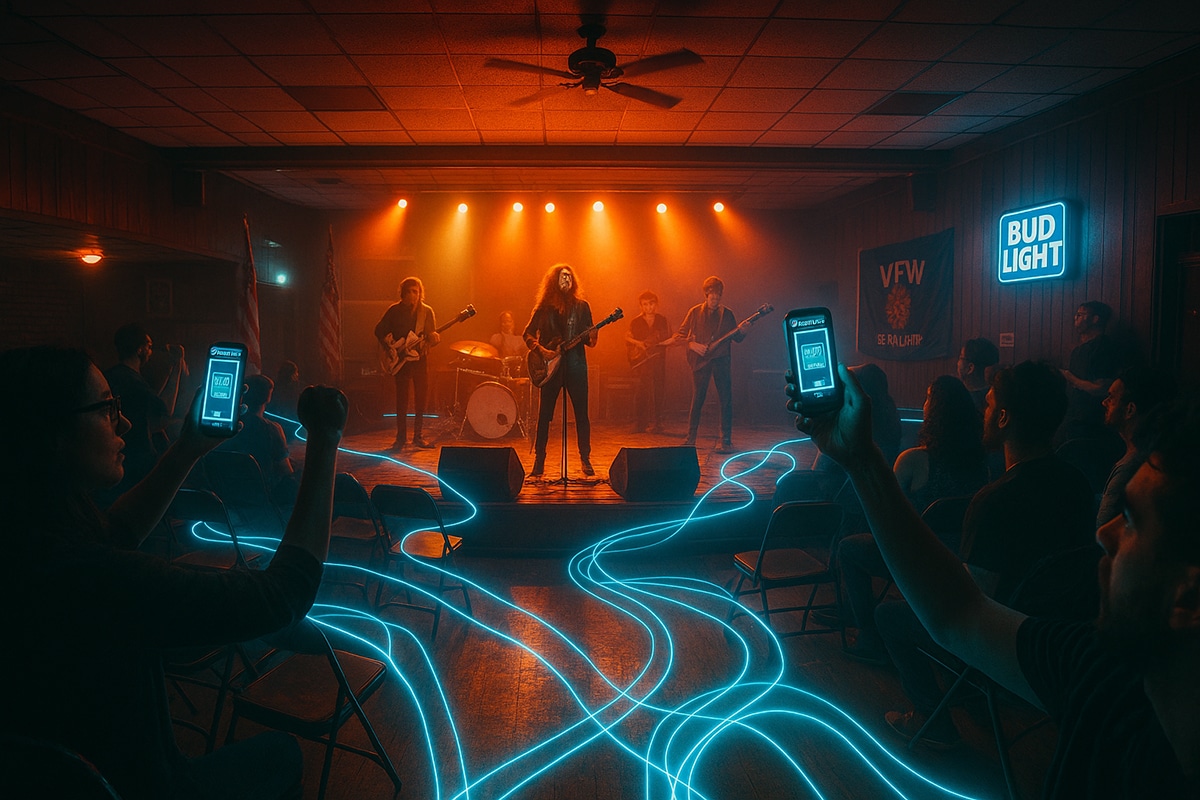
Now imagine taking that organic energy and supercharging it with a DAO. When you have a touring collective, different members in different cities can raise small amounts of money to fund house concerts. Fans can vote on who hosts, contribute to PA rental, and help sell token-based tickets. Unlock Protocol makes it easy to handle ticketing and check-ins, even in a backyard.
This opens a door to every kind of underused community space. Many of these places sit empty for most of the week, and they are perfect for fan-powered shows.
There are VFW halls where veterans are excited to support local music. There are Masonic halls with big stages and kitchens. There are KC halls, union halls, Lions Club buildings, and Eagles halls that are cheap to rent and built for gatherings. There are rec centers, libraries with event rooms, and even school auditoriums when you approach them through the right channels. These buildings don’t care if you have an agent. They care if you bring people.
Then there are traditional venues that sit empty during strange hours. Sunday afternoons. Monday evenings. Late-night after-hours shows. Many venues are thrilled to rent out the room during slow slots because it’s pure profit for them.
A Web3 touring collective can decide to build its whole tour out of these fan-run spaces. One night is a house show. The next is a rented hall. Then a Sunday afternoon takeover at a bar. Then a VFW hall with home-cooked food. Every show feels real, human, and community-driven. And every dollar flows through your DAO treasury where it benefits your touring collective instead of lining the pockets of a middleman.
This is the future of live music. Fans running the venues. Artists running the decisions. The community owning the entire experience.
How to Build a DAO Touring Collective from Scratch
The truth is building a DAO is easy once you know the steps. You don’t need to code. You don’t need a lawyer. You just need a crypto wallet and a plan.
You can use Aragon at https://aragon.org or DAOhaus at https://daohaus.club. Both platforms walk you through the setup in a way that feels like creating a social media account.
Start with a wallet like MetaMask at https://metamask.io. Once you have that, connect it to Aragon or DAOhaus. Click create or summon. Choose a simple DAO template. Name your DAO something that fits your collective. Then choose your voting rules. You can set it so a simple majority is needed to approve proposals. Or you can choose something else. Whatever the group agrees on becomes the standard.
When you hit deploy, the DAO becomes real. It lives on the blockchain. Members can join. Fans can contribute. Votes can be held. And the treasury can start building.
From there you can create proposals for everything your touring collective needs. A show in Denver. A rental van. A community hall booking. A merch run. A marketing budget. A weekend tour. Your DAO members vote on each proposal. If it passes, the action is approved. If it doesn’t, you adjust and try again. Everything is fair, open, and recorded. This is what makes a DAO so powerful. It keeps artists united and keeps money clean.
How to Sell Tickets Without Ticketmaster Using Unlock Protocol
Ticketing has been broken for a long time, but now you can run your own ticketing system with Unlock Protocol at https://unlock-protocol.com.
All you do is create a lock, which is basically your event ticket. You write the name, set the price, and choose how many tickets to sell. Fans buy tickets using either crypto or credit cards. They receive a digital key. You scan that key at the door. You also receive fan data, which most big ticketing companies hide from you.
This gives you full control over your audience. You can message fans. You can reward them. You can invite them to join your DAO. You can give them early access to future shows. The old ticketing system doesn’t allow this because they want the data, not you. Unlock Protocol gives it back.
How to Fund Your Tour with Your DAO
Every tour needs money. A DAO makes funding simple and fair. Members buy tokens or membership passes. That money fills the DAO treasury. Anyone who wants to support the tour can join. Fans can help fund a specific show. Musicians can contribute what they can. The DAO holds the funding until the group votes on how it should be used. This means no guessing. No shady budgeting. No arguments about who paid what. Everything is recorded. Everything is open. Everything is clean. When you use DAO funding, the stress disappears because the system protects everyone.
How Your DAO Approves Shows and Expenses
In a traditional band, someone always ends up being the boss by accident. They make decisions about shows, routes, gear, and budgets. And sooner or later, someone gets frustrated or feels unheard. A DAO fixes this by making voting the law.
When you want to book a show, you create a proposal. When you need to rent a van, you create a proposal. When you want to add a new artist to the tour, you create a proposal. Everyone votes. The group decides. This removes drama and brings unity. The touring collective becomes a team instead of a dictatorship.
How Profit Splits Work in a Touring DAO
At the end of your tour, the DAO treasury holds all profits. You split the money according to your rules. Maybe everyone gets an even cut. Maybe fans who contributed early get bonuses. Maybe crew gets a share. Maybe some money stays in the treasury to fund the next run. Because this is all controlled by smart contracts, it’s exact and automatic. No one gets paid late. No one gets shorted. No one gets forgotten. Your DAO handles it all.
The Future of Touring Will Be Decentralized
We are entering a world where touring is not run by agents, promoters, or gatekeepers. It’s run by artists and fans. Decentralized touring means artists choose where they go. Fans help build the shows. Communities step up. Venues become shared spaces. House concerts return. Backyard shows return. Community hall shows return. And every city becomes a network of artist-friendly spaces.
Imagine dozens of touring collectives linking up across the country. Imagine artists trading shows like trading cards. Imagine DAOs partnering with other DAOs to build regional circuits. Imagine fans supporting multiple touring collectives at the same time. This is the world Web3 unlocks.
Why Booking Agents Won’t Survive This Shift
Booking agents depend on scarcity. They depend on fear. They depend on artists thinking they need them. But once artists start running their own tours using DAOs and fan-powered venues, agents lose the leverage they’ve held for decades. Agents won’t disappear overnight. But their power will. The future belongs to collectives, not middlemen.
How to Add Your Touring Collective to Your Business Plan
Your DAO isn’t just a fun experiment. It’s a professional structure you can put in your business plan. It proves you can raise money. It proves you have a team. It proves you can tour without outside help. This impresses sponsors, grant committees, venues, and even press outlets. Your DAO becomes part of your brand identity.
How Your Touring DAO Becomes a Marketing Machine
When fans join your DAO, they become your biggest supporters. They promote your shows. They organize street teams. They share your posts. They tell their friends. They feel ownership in your success, and that kind of passion cannot be bought with ads. Your DAO becomes your marketing engine.
You Can Start Today
You don’t have to wait. You don’t have to ask permission. You don’t have to beg a booking agent to take your call. You can build your touring collective today using Aragon at https://aragon.org or DAOhaus at https://daohaus.club and run your own ticketing through Unlock Protocol at https://unlock-protocol.com.
Start small. Build slowly. Learn the tools. Invite your fans. Book one show. Then another. Then a regional run. Then a full tour. Before long, you will realize something powerful. You never needed the old system.
The Revolution Starts With You
Touring has always belonged to the artists and fans. The industry only took over because artists didn’t have the tools to manage everything themselves. Now those tools exist. Now artists can reclaim what was always theirs. Web3 touring collectives aren’t a trend. They’re the future of live music. And you can be one of the artists who builds it.
 |  Spotify |  Deezer |  Breaker |
 Pocket Cast |  Radio Public |  Stitcher |  TuneIn |
 IHeart Radio |  Mixcloud |  PlayerFM |  Amazon |
 Jiosaavn |  Gaana |  Vurbl |  Audius |
 Reason.Fm | |||
Find our Podcasts on these outlets
Buy Us a Cup of Coffee!
Join the movement in supporting Making a Scene, the premier independent resource for both emerging musicians and the dedicated fans who champion them.
We showcase this vibrant community that celebrates the raw talent and creative spirit driving the music industry forward. From insightful articles and in-depth interviews to exclusive content and insider tips, Making a Scene empowers artists to thrive and fans to discover their next favorite sound.
Together, let’s amplify the voices of independent musicians and forge unforgettable connections through the power of music
Make a one-time donation
Make a monthly donation
Make a yearly donation
Buy us a cup of Coffee!
Or enter a custom amount
Your contribution is appreciated.
Your contribution is appreciated.
Your contribution is appreciated.
DonateDonate monthlyDonate yearlyYou can donate directly through Paypal!
Subscribe to Our Newsletter
Order the New Book From Making a Scene
Breaking Chains – Navigating the Decentralized Music Industry
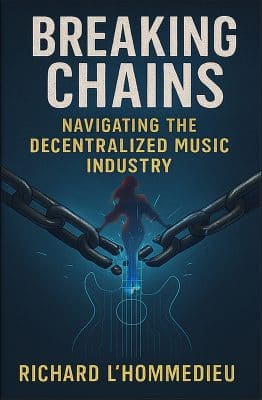
Breaking Chains is a groundbreaking guide for independent musicians ready to take control of their careers in the rapidly evolving world of decentralized music. From blockchain-powered royalties to NFTs, DAOs, and smart contracts, this book breaks down complex Web3 concepts into practical strategies that help artists earn more, connect directly with fans, and retain creative freedom. With real-world examples, platform recommendations, and step-by-step guidance, it empowers musicians to bypass traditional gatekeepers and build sustainable careers on their own terms.
More than just a tech manual, Breaking Chains explores the bigger picture—how decentralization can rebuild the music industry’s middle class, strengthen local economies, and transform fans into stakeholders in an artist’s journey. Whether you’re an emerging musician, a veteran indie artist, or a curious fan of the next music revolution, this book is your roadmap to the future of fair, transparent, and community-driven music.
Get your Limited Edition Signed and Numbered (Only 50 copies Available) Free Shipping Included
Discover more from Making A Scene!
Subscribe to get the latest posts sent to your email.


