The Importance of Building a Music Industry Middle Class




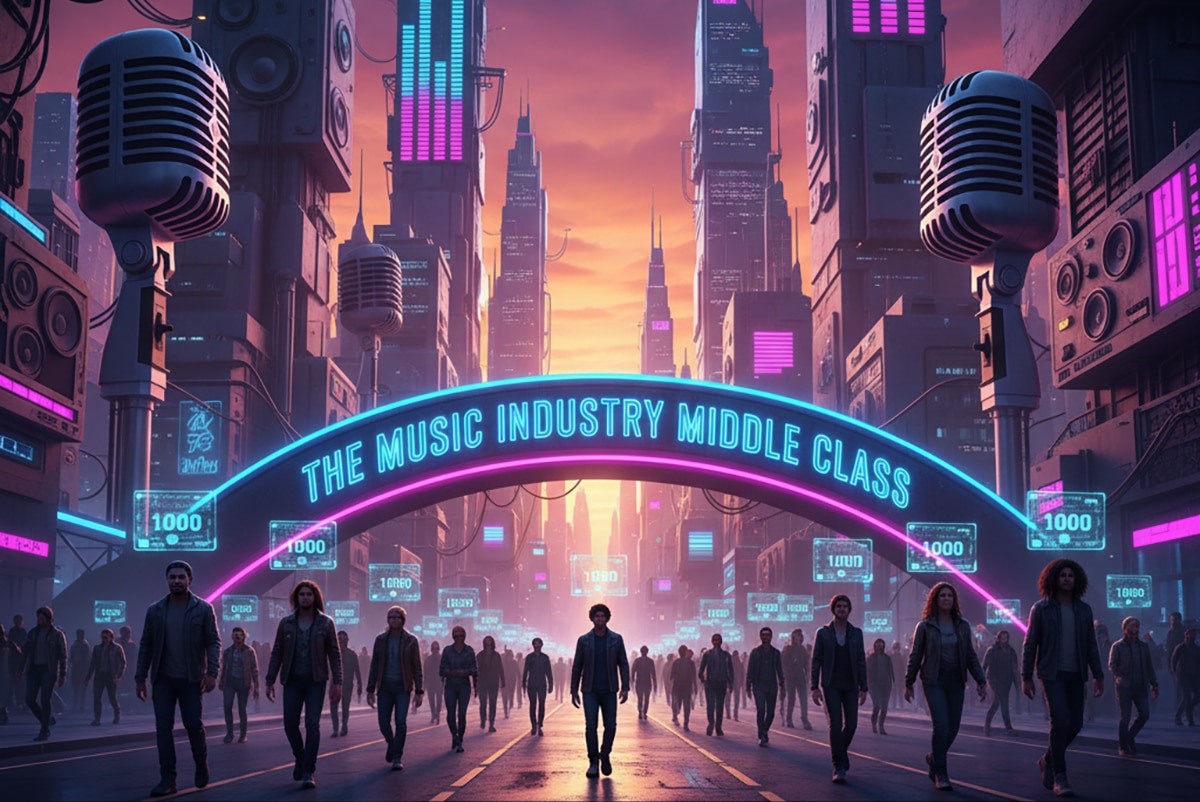
The Importance of Building a Music Industry Middle Class
Listen to the podcast discussion to gain more insight into the Music Industry Middle Class
Why 1,000 True Fans, Smart Business Strategy, and New Tech Can Build a Real Career for Indie Artists
Most people look at the music industry and imagine two extremes. On one side, there are the massive superstars with private jets, giant stadiums, and million-dollar deals. On the other side, there are the struggling artists who play small gigs and try to scrape by. For decades, this has been the story the industry tells. But that story is broken. The truth is that the future of music depends on something the industry has ignored for far too long: a strong, healthy, empowered music industry middle class.
This middle class is made up of independent artists who may never headline a festival but make a stable, sustainable living from their art. These are the artists pulling in $60,000, $80,000, $100,000 or more each year because they built a fanbase that supports them directly. These artists know how to run their music careers as small businesses. They know how to diversify their income, use new tools like AI and Web3, and treat their art like a craft and a company at the same time.
This is not a fantasy. It is one hundred percent realistic. It all starts with a simple idea that has been talked about for years: you only need 1,000 true fans spending $100 per year to make $100,000. For most people that’s less than the price of a daily Starbucks for one month. And in a world where you have access to billions of people through social media, finding 1,000 fans who love your work is not some impossible dream. It is a reachable, practical target.
The entire point of this article is to show you that a music middle class is not only possible but vital. It helps artists grow. It strengthens the whole industry. It creates better opportunities for new musicians. And it gives you — the working indie artist — the power and freedom you deserve. You are not just a musician. You are a small business owner, a creator, a marketer, a teacher, a brand, and a community leader.
Let’s break down how this works, why it matters, and what tools you can use to build your own $100,000-a-year creative career.
Why the Music Industry Needs a Middle Class
When an industry only has two extremes — massive stars and struggling workers — it becomes unstable. It becomes controlled by the few instead of supported by the many. This is exactly what happened to music. Streaming killed album sales. Labels cut budgets. Venues struggled. The middle fell out, and thousands of working musicians got pushed toward poverty.
A strong middle class fixes that. When artists can support themselves, they create more art. They stay in the game longer. They build communities, scenes, and movements. They mentor younger artists. They innovate. They take risks. They become the backbone of local music ecosystems across the world.
A strong middle class also keeps the industry honest. It forces labels, promoters, distributors, and platforms to respect the fact that artists can survive without them. When musicians know how to make money directly from fans, they have leverage. They don’t sign terrible deals. They don’t accept unfair payouts. They don’t get bullied by platforms that pay fractions of a penny per stream.
And the real secret? The middle class has always been the training ground for the stars that rise later. Every major artist you love started somewhere small — gigging, hustling, learning. But when the middle disappears, the pipeline breaks. Young artists never get the chance to grow.
Rebuilding the middle class isn’t just good for you. It is good for the entire ecosystem. The future of music needs more people making steady money, not just a tiny handful getting rich while everyone else struggles.
The Power of 1,000 True Fans
Let’s dig into the math behind the middle class. There’s a famous idea called the “1,000 True Fans Theory.” It has been talked about for years, but it’s more real today than ever.
You don’t need millions of streams, millions of followers, or million-dollar budgets. You need just one thousand people who truly care about your music. If each of them spends just $100 per year on you, that’s $100,000 in income.
This could come from anything. It could be merch, vinyl, tickets, memberships, NFTs, live lessons, private streams, sample packs, beat sales, coaching, fan clubs, or anything else. When you look at that number — $100 — in real-world terms, it becomes even more doable. Many people spend $100 per month at Starbucks. You’re asking them for the price of one month’s coffee over an entire year.
And the truth is that there are billions of people online today. Billions of people scroll TikTok, YouTube, Instagram, Facebook, and Spotify. You don’t need to be famous. You just need one thousand who love you.
When you think about it that way, the idea of supporting yourself through art stops feeling like a dream and starts feeling like a plan.
But to reach 1,000 fans, you must treat your music like a business. You must understand revenue streams. You must build systems. And you must use the tools available today — AI, Web3, sync licensing, content creation, teaching, live performing, and more — to build a career that grows in layers instead of one single shot.
The future belongs to the artists who treat their careers like companies.
Your Music Career Is a Small Business
Most artists never reach financial stability because they don’t see themselves as business owners. They think making great songs is enough. They think someone else will “discover” them, “sign” them, or “manage” them. They wait for luck instead of building structure.
The truth is simple: if you want to earn a living from your music, you are running a business. You might not sell shoes, but you sell experiences, emotions, memories, identity, culture, and community. You sell art that makes people feel something. That means you must think like an entrepreneur.
A small business is built on planning, strategy, marketing, financial management, customer relationships, and product development. Your music career is the same thing. You need a business plan. You need a marketing strategy. You need products. You need consistent content. You need income streams that work together.
But the beauty of it is this: because you are an artist, your business can be creative. It can evolve with you. It can change as you grow, as technology changes, and as your fans change. You run a business that is alive, flexible, and personal.
What makes this easier today is the rise of new tools. You no longer need a giant team or a label to do what was once impossible. AI gives you power equal to major companies. Web3 gives you ownership. Social media gives you distribution. Direct-to-fan platforms give you control. Sync licensing gives you global reach. Teaching gives you stability. Live shows give you connection.
All of these streams become part of your business. They all contribute to your goal of reaching $100,000 a year. None of them require fame. They require consistency, creativity, and ownership.
Let’s break down the major tools available to you today and how they fit into building a music middle class.
Using AI to Build and Run Your Music Business
AI is not just a trend. It is a powerful tool that can level the playing field between major labels and indie artists. AI can help you plan, write, design, market, produce, schedule, and analyze your entire business.
AI gives you speed. It gives you ideas. It gives you structure. It gives you consistency. It gives you the same power that giant companies use, but now packaged in tools you can access for a few dollars a month.
Here’s how AI helps you reach your 1,000 fans and build a real business.
AI helps you brainstorm and plan your marketing. You can use ChatGPT to build your release rollouts, write your captions, plan your content calendar, and create email campaigns. You can tell AI to craft your press kit, your bio, your pitch, or your ad copy.
AI helps you create visual branding. Tools like Canva, Midjourney, Ideogram, and DALL·E can create album covers, posters, banners, thumbnails, and merch designs that look professional and polished.
AI helps you record and mix. Tools like iZotope, Sonible, Lalal.ai, RipX, and Ozone can clean vocals, remove noise, master tracks, help with EQ, or separate stems. They don’t replace the craft, but they help you get studio-grade quality without needing expensive hardware.
AI helps you understand your fans. Tools like Chartmetric, Musiio, and Audience Insights can analyze your audience and tell you who they are, where they live, what they like, and how to reach more people like them.
AI helps you stay consistent. Content scheduling tools like Buffer or Metricool can spread your posts across platforms without you being glued to your phone all day. AI helps you generate daily content in minutes instead of hours.
AI becomes your creative assistant, marketing team, producer, editor, designer, and strategist. When you combine AI with your talent, your voice, and your personal story, you become unstoppable.
This is how you compete. This is how you win. This is how you build a music middle class where indie artists have real power.
Web3 and Owning Your Music
The old industry was built on gatekeepers who owned everything. Labels owned masters. Publishers owned royalties. Platforms owned data. Artists got scraps.
Web3 flips that upside down. Web3 puts ownership back into your hands.
Web3 is about using blockchain technology to prove ownership, automate payments, and build direct relationships with fans. It is not about crypto hype or speculation. It is about freedom, transparency, and control.
Web3 lets you sell NFTs, but not just digital art. You can sell music NFTs, collectible moments, VIP experiences, token-gated access, membership passes, backstage passes, special vinyl, and unique editions of your songs. You can sell rights shares. You can share royalties with your fans. You can create smart contracts that pay your collaborators automatically.
Web3 also helps you find fans who value what you do. These fans don’t just listen and leave. They invest, participate, vote, and stay engaged.
Platforms like Audius, Sound, Zora, Catalog, Dequency, and Royal.io are reshaping how music moves. Fans can buy your tracks. They can own a piece. They can get exclusive content. They can support your journey.
Web3 becomes a new revenue stream — one that pays far more than streaming. Instead of fighting for pennies from Spotify, you can earn hundreds or thousands from a single drop.
The future belongs to artists who understand ownership. Web3 gives you the tools to keep your masters, control your splits, and earn directly from supporters.
Sync Licensing as a Reliable Income Stream
If there is one part of the music business that continues to grow each year, it is sync licensing. Sync is when your music is used in film, TV, commercials, games, and online content. Sync pays real money, often thousands of dollars per placement, and it exposes your music to new audiences.
You don’t need to be famous to get sync placements. You need high-quality recordings, clear ownership, and searchable metadata. You need to submit your songs to libraries, supervisors, and platforms like MusicBed, Epidemic, Artlist, and Dequency.
Sync licensing can easily become one of the main streams that gets you to $100,000 a year. You may only need a handful of placements. Even smaller royalties from background uses and online videos add up. The more you submit, the more you earn.
Because sync relies on volume and variety, you can make money from different genres, moods, or styles. If you treat sync as part of your business plan, you unlock a steady, dependable revenue source.
Teaching and Coaching as a Stable Income
Many artists ignore teaching because they think it means they are “not successful.” That mindset is wrong. Teaching is not a fallback — it is a powerful revenue stream.
You can teach lessons, coach vocalists, lead songwriting workshops, run production classes, sell templates, create sample packs, teach mixing, or even create mastermind groups. The internet has made teaching global. You can teach students from anywhere.
Teaching builds community. It builds trust. It builds your brand. It builds your income. You could easily earn $40,000 to $60,000 per year from teaching alone, even while still pursuing your creative career.
The best part is that teaching reinforces your skills. It sharpens your ear, your technique, and your understanding of your craft.
This is part of the middle class mentality. You use all your strengths, not just your ability to create. You build a stable business with multiple sources of income.
Live Performance: Still One of the Best Ways to Build True Fans
Even in a digital world, live performances still matter. Live shows, house concerts, festivals, brewery gigs, street fairs, and small venues help you connect with fans directly. You can sell merch, meet people face to face, and tell your story in a way that sticks.
When you perform live regularly, you create superfans — the kind that buy vinyl, join your membership, or follow your career for years. These fans often become part of your 1,000 true fans.
Live performance also gives you practice, confidence, and stage presence. It teaches you how to engage an audience. It teaches you how to convert casual listeners into supporters.
When you combine live gigs with social media, email lists, and digital products, your career becomes stronger than ever.
Alternative Income Streams You Can Build
A healthy music middle class is built on many income streams working together. Beyond AI, Web3, sync, teaching, and performing, you can add more layers to your business.
You can sell merch like shirts, hoodies, hats, posters, vinyl, and special editions. You can sell sample packs, beats, loops, presets, or stems. You can sell Patreon memberships, exclusive content, behind-the-scenes videos, private livestreams, or limited edition drops. You can create fan clubs, subscription models, and digital collectibles. You can monetize YouTube, TikTok, or Facebook. You can do brand deals, sponsorships, affiliate marketing, and product reviews.
Everything you create can become a product. Everything you learn can become a service. Everything you build becomes part of your small business.
When all of these flow together, they push you toward your $100,000 goal.
Creating a Business Plan That Evolves with You
Every strong business has a plan. But a music business plan is not a rigid document that never changes. It is a living roadmap that grows with your career. As your fanbase grows, your revenue streams shift. As technology changes, your strategies evolve. As new opportunities arise, you adjust.
A music business plan should answer the simple questions that define your career.
It should cover who you are as an artist, what your brand stands for, who your fans are, what products you will offer, how you will earn money, and how you will reach your goals. It should break down your marketing strategy, release strategy, touring plans, teaching schedule, sync goals, and Web3 opportunities.
But it must also leave space to grow. You are not the same artist you were five years ago, and you won’t be the same artist five years from now. Your plan should shift with you. Technology will evolve. AI will expand. Web3 will mature. New platforms will rise. Your plan must embrace that change instead of fighting it.
This is how businesses survive. This is how artists reach long-term success.
Why the Music Industry Middle Class Matters for Everyone
The middle class is not about creating a handful of superstars. It is about building stability. It is about creating opportunity. It is about rebuilding the foundation of an entire industry.
When more artists can support themselves, more music gets made. More scenes develop. More venues thrive. More studios survive. More teachers share knowledge. More young artists get inspired. More diversity appears. More risks are taken. More innovation happens.
A strong middle class creates a healthy ecosystem. It becomes the wellspring—the roots that feed the entire industry. Without a middle class, the industry collapses into two extremes. Without a middle class, young artists never learn how to run a business. Without a middle class, the industry becomes controlled by a handful of corporations that dictate everything.
A middle class brings freedom back to the creators. It gives artists the ability to own their careers, build their businesses, and control their futures.
The music middle class is not just a dream. It is the only future worth building.
Conclusion: You Are the Future of the Music Middle Class
If you’ve made it this far, you know exactly what this all means. You don’t need permission from a label, a manager, or a platform. You don’t need to be famous. You don’t need a million followers. You need a plan, a business mindset, and a commitment to building connections with fans who believe in you.
You need one thousand true fans who are willing to spend $100 a year on your art. This is not only possible — it is realistic. It is practical. It is achievable. And with AI, Web3, sync licensing, teaching, live performance, merch, memberships, and smart business planning, you have more tools than any generation of artists before you.
You are the middle class. You are the backbone. You are the creative force that keeps the industry alive.
This is your moment to step up, take control, and build a music career that doesn’t rely on luck or gatekeepers. Treat your art like a business. Build your plan. Grow your income streams. Stay consistent. Stay creative. And stay committed to the fans who support your journey.
The music industry middle class isn’t just important — it is essential. And you are the one who will help rebuild it.
 |  Spotify |  Deezer |  Breaker |
 Pocket Cast |  Radio Public |  Stitcher |  TuneIn |
 IHeart Radio |  Mixcloud |  PlayerFM |  Amazon |
 Jiosaavn |  Gaana |  Vurbl |  Audius |
 Reason.Fm | |||
Find our Podcasts on these outlets
Buy Us a Cup of Coffee!
Join the movement in supporting Making a Scene, the premier independent resource for both emerging musicians and the dedicated fans who champion them.
We showcase this vibrant community that celebrates the raw talent and creative spirit driving the music industry forward. From insightful articles and in-depth interviews to exclusive content and insider tips, Making a Scene empowers artists to thrive and fans to discover their next favorite sound.
Together, let’s amplify the voices of independent musicians and forge unforgettable connections through the power of music
Make a one-time donation
Make a monthly donation
Make a yearly donation
Buy us a cup of Coffee!
Or enter a custom amount
Your contribution is appreciated.
Your contribution is appreciated.
Your contribution is appreciated.
DonateDonate monthlyDonate yearlyYou can donate directly through Paypal!
Subscribe to Our Newsletter
Order the New Book From Making a Scene
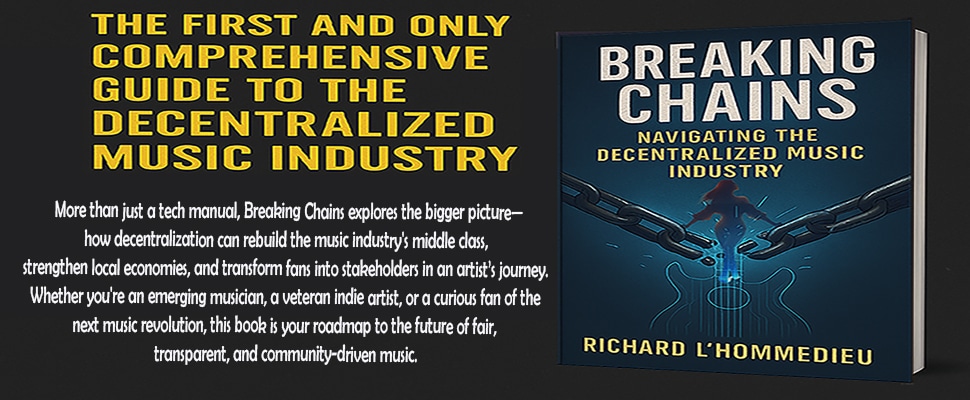
Breaking Chains – Navigating the Decentralized Music Industry
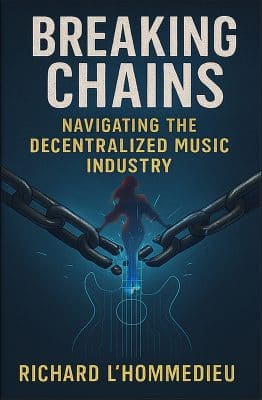
Breaking Chains is a groundbreaking guide for independent musicians ready to take control of their careers in the rapidly evolving world of decentralized music. From blockchain-powered royalties to NFTs, DAOs, and smart contracts, this book breaks down complex Web3 concepts into practical strategies that help artists earn more, connect directly with fans, and retain creative freedom. With real-world examples, platform recommendations, and step-by-step guidance, it empowers musicians to bypass traditional gatekeepers and build sustainable careers on their own terms.
More than just a tech manual, Breaking Chains explores the bigger picture—how decentralization can rebuild the music industry’s middle class, strengthen local economies, and transform fans into stakeholders in an artist’s journey. Whether you’re an emerging musician, a veteran indie artist, or a curious fan of the next music revolution, this book is your roadmap to the future of fair, transparent, and community-driven music.
Get your Limited Edition Signed and Numbered (Only 50 copies Available) Free Shipping Included
Discover more from Making A Scene!
Subscribe to get the latest posts sent to your email.


