
Cubase 14: A Deep Dive into the Future of AI-Powered Music Production




Making a Scene Presents – Cubase 14: A Deep Dive into the Future of AI-Powered Music Production
The Long Journey of Cubase
When we talk about modern digital recording, it’s hard not to mention Cubase. This software has been shaping the way music is created for over three decades. Steinberg, the company behind Cubase, first introduced it back in 1989 on the Atari computer. At that time, it wasn’t nearly as powerful as what we see today, but it did something revolutionary: it gave musicians a way to record and arrange MIDI on a computer.
Over the years, Cubase grew from being a simple MIDI sequencer into a complete digital audio workstation, or DAW for short. In the mid-90s, Cubase became one of the first programs to support digital audio recording alongside MIDI. Soon after, Steinberg introduced VST (Virtual Studio Technology), which completely changed music production. Suddenly, musicians could load virtual instruments and effects right inside their DAW, turning Cubase into a full-blown studio inside a computer.
Throughout the 2000s and 2010s, Cubase kept pushing forward. It added better audio editing, advanced mixing tools, and professional features that appealed to both home producers and big studios. Every version seemed to respond to how musicians were working at the time, and Cubase became known for its combination of power and flexibility. By the time Cubase 12 and 13 rolled around, AI was just starting to creep into the DAW world. With Cubase 14, Steinberg has gone all in, making artificial intelligence a core part of the workflow.
Why Cubase Matters Today
There are many DAWs out there: Pro Tools, Logic Pro, Studio One, FL Studio, Ableton Live, and more. Each has its strengths. What makes Cubase special is how it has always balanced being easy to use while offering tools that professionals depend on. A beginner can jump in and start recording quickly, but the depth of features keeps it relevant for film composers, mix engineers, and chart-topping producers.
Cubase 14 takes that same philosophy but brings something new to the table. It isn’t just about more plugins or more tracks. The big story here is how AI has been woven into the recording and production process in ways that can save time, inspire creativity, and even prevent mistakes before they happen.
The Core Features That Made Cubase Great
Before diving into what’s new in version 14, it’s worth remembering some of the core features that have made Cubase such a long-standing DAW. Audio editing in Cubase has always been one of its strongest areas, with its VariAudio pitch-correction system rivaling the best standalone tools. Its MIDI editing tools are legendary, giving composers incredible control over orchestral scores or EDM synth lines. The MixConsole is flexible, clean, and powerful, making it easy to mix on both small and large sessions. Cubase is also known for its built-in instruments like Halion Sonic SE, Groove Agent, and Retrologue, which cover everything from realistic sampled pianos to modern synths and drum machines.
Cubase has also been at the center of big studio workflows with features like Control Room monitoring, surround mixing, and integration with scoring software like Dorico. All of this has made it not just a tool for bedroom producers but also for composers scoring Hollywood films and engineers mixing live recordings.
What’s New in Cubase 14
Now let’s look at what makes Cubase 14 such a big leap forward. Steinberg has been teasing AI features for a while, but with this release, they’ve built them directly into the software instead of leaving them as add-ons or optional extras.
One of the headline features is AI-powered audio analysis. Instead of manually checking for clipping, distortion, or mismatched loudness, Cubase can now automatically analyze your entire project and flag issues. It’s like having an engineer sitting next to you pointing out where your mix might be too loud or where a vocal take has background noise that could be cleaned up. This not only saves time but also ensures your mix meets streaming standards before you export.
Another major addition is AI-driven vocal editing. VariAudio has been upgraded with machine learning so it doesn’t just correct pitch, it actually understands the performance. Instead of snapping everything rigidly to a scale, Cubase 14 can suggest natural corrections that keep the emotion intact. For example, if a singer’s note drifts slightly at the end for style, the AI won’t iron it out unless you want it to.
Cubase 14 also introduces AI chord suggestions. This builds on the long-standing chord track feature, but now the software can actually analyze your melody and suggest harmonies that make sense musically. It feels less like using a static theory tool and more like collaborating with a songwriting partner. This is especially powerful for musicians who might not have a strong background in theory but still want rich, interesting harmonies in their songs.
On the mixing side, there’s now an AI mix assistant. It listens to your tracks and can propose starting levels, EQ curves, and even panning decisions. This doesn’t replace a human mix engineer, but it gives you a solid starting point that can shave hours off your workflow. If you’re new to mixing, it can also teach you by showing what a balanced mix looks like in practice.
Steinberg has also built in AI-driven noise reduction tools. Similar to what you’d find in specialized software like iZotope RX, Cubase 14 can now intelligently remove background hums, clicks, and pops without the need for a separate plugin. This is huge for indie musicians recording in bedrooms or less-than-perfect spaces.
Finally, Cubase 14 has a completely redesigned export system that uses AI to check your loudness levels against the requirements of different streaming platforms. This means you don’t have to guess whether Spotify, Apple Music, or YouTube will turn your track up or down. The software prepares your files so they’ll sound consistent wherever they’re played.
How AI Changes the Workflow
The biggest shift in Cubase 14 isn’t just about specific tools, but how AI changes the overall workflow. Recording and producing music has always involved a lot of technical steps that can distract from the creative process. With AI handling tasks like noise cleanup, mix balancing, and chord suggestions, musicians can stay focused on making music rather than wrestling with the technical details.
For example, imagine recording a vocal in your home studio. In past versions, you’d record the take, manually adjust pitch with VariAudio, clean up the noise with a plugin, balance it in the mix, and then double-check the loudness before export. In Cubase 14, most of that can happen automatically in the background. You still have full control to make adjustments, but the time saved is enormous.
This doesn’t mean AI takes away creativity. In fact, it does the opposite. By handling the repetitive and technical parts, it frees up your brain to focus on songwriting, arrangement, and performance. For seasoned pros, it speeds up the workflow. For beginners, it lowers the barrier to entry so they can create professional-sounding tracks without needing years of engineering experience.
Other Notable Improvements in Cubase 14
While AI is the star of the show, there are plenty of other updates in Cubase 14. The graphics engine has been improved for smoother performance, especially on high-resolution displays. The sampler track has been upgraded with new slicing and warping options, making it easier to manipulate samples creatively. MIDI editing now includes better humanization features, letting you add natural feel without over-quantizing. There are also updates to the included instruments, with new sound libraries that lean on AI-driven sampling techniques for more realistic instruments.
Steinberg has also improved integration with other software and hardware. Cubase 14 plays nicer with cloud collaboration, making it easier to share projects with other musicians online. It also has better support for Dolby Atmos mixing, which is becoming more common as streaming services push immersive audio.
The Future of DAWs and Cubase’s Role
Cubase 14 isn’t just another update—it represents a shift in how DAWs are being designed. For decades, these programs have mostly been about giving you tools and leaving the heavy lifting to the user. Now, with AI becoming part of the process, the DAW is starting to act more like a collaborator.
This raises interesting questions about the future of music production. Will AI become so advanced that it writes full songs? Will it mix and master completely without human input? For now, Cubase 14 takes a balanced approach. It gives you AI tools that help, but it doesn’t remove creative control. You’re still in the driver’s seat, but with a very smart assistant riding shotgun.
It also puts pressure on other DAWs. Logic Pro has started adding AI features, and Studio One has been leaning on machine learning as well. But Cubase 14 feels like one of the most complete integrations of AI so far. For Steinberg, it’s a way of keeping Cubase at the center of the DAW world, just like it has been since the early days of MIDI sequencing.
Why This Matters for Indie Musicians
If you’re an indie artist working in a home studio, Cubase 14 is especially exciting. Recording in a less-than-perfect room is no longer the roadblock it used to be. AI noise reduction and mix assistance mean you can get closer to professional results without hiring an engineer. For songwriters who struggle with theory, AI chord suggestions can unlock new creative paths. For anyone worried about getting their music onto streaming platforms, the AI loudness checker ensures your track won’t sound weak compared to others.
This doesn’t mean you should skip learning the fundamentals. Knowing how EQ works or understanding song structure is still important. But with Cubase 14, you have a safety net that helps you avoid big mistakes and gets you closer to your vision faster.
Final Thoughts
Cubase has been around for over 30 years, and it shows no signs of slowing down. With version 14, Steinberg has delivered a DAW that honors its history while fully embracing the future. The integration of AI is not a gimmick—it’s a real shift in how music is made. From AI-powered audio analysis to vocal editing, chord suggestions, mix assistance, and noise reduction, Cubase 14 is packed with tools that make recording easier, faster, and more inspiring.
For professionals, it’s a way to save time and streamline workflow. For beginners, it lowers the barrier to entry and makes music production more accessible than ever before. Cubase has always been about empowering musicians, and with version 14, it continues that mission in a new era where AI is part of the creative team.
If history tells us anything, it’s that Steinberg and Cubase will keep leading the charge in digital recording. Cubase 14 is more than just an upgrade—it’s a glimpse at where all DAWs are heading. And for musicians today, it’s one of the most powerful and forward-thinking tools you can have in your studio.
 |  Spotify |  Deezer |  Breaker |
 Pocket Cast |  Radio Public |  Stitcher |  TuneIn |
 IHeart Radio |  Mixcloud |  PlayerFM |  Amazon |
 Jiosaavn |  Gaana |  Vurbl |  Audius |
 Reason.Fm | |||
Find our Podcasts on these outlets
Buy Us a Cup of Coffee!
Join the movement in supporting Making a Scene, the premier independent resource for both emerging musicians and the dedicated fans who champion them.
We showcase this vibrant community that celebrates the raw talent and creative spirit driving the music industry forward. From insightful articles and in-depth interviews to exclusive content and insider tips, Making a Scene empowers artists to thrive and fans to discover their next favorite sound.
Together, let’s amplify the voices of independent musicians and forge unforgettable connections through the power of music
Make a one-time donation
Make a monthly donation
Make a yearly donation
Buy us a cup of Coffee!
Or enter a custom amount
Your contribution is appreciated.
Your contribution is appreciated.
Your contribution is appreciated.
DonateDonate monthlyDonate yearlyYou can donate directly through Paypal!
Subscribe to Our Newsletter
Order the New Book From Making a Scene
Breaking Chains – Navigating the Decentralized Music Industry
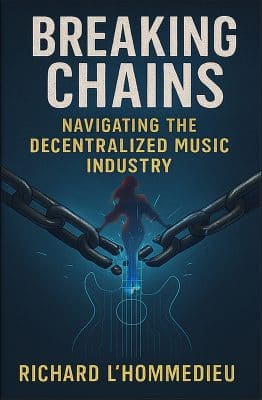
Breaking Chains is a groundbreaking guide for independent musicians ready to take control of their careers in the rapidly evolving world of decentralized music. From blockchain-powered royalties to NFTs, DAOs, and smart contracts, this book breaks down complex Web3 concepts into practical strategies that help artists earn more, connect directly with fans, and retain creative freedom. With real-world examples, platform recommendations, and step-by-step guidance, it empowers musicians to bypass traditional gatekeepers and build sustainable careers on their own terms.
More than just a tech manual, Breaking Chains explores the bigger picture—how decentralization can rebuild the music industry’s middle class, strengthen local economies, and transform fans into stakeholders in an artist’s journey. Whether you’re an emerging musician, a veteran indie artist, or a curious fan of the next music revolution, this book is your roadmap to the future of fair, transparent, and community-driven music.
Get your Limited Edition Signed and Numbered (Only 50 copies Available) Free Shipping Included
Discover more from Making A Scene!
Subscribe to get the latest posts sent to your email.


