Building Your Web3 Artist Brand: How to Present Yourself as a Forward-Thinking Musician




Making a Scene – Building Your Web3 Artist Brand: How to Present Yourself as a Forward-Thinking Musician
Listen to the Podcast Discussion for more insights into creating your Brand in the Decentralized Music Industry
If you’re an independent musician trying to stand out today, you’ve probably noticed that the music world is changing faster than ever. Between streaming algorithms, AI, and blockchain, it can feel like the ground keeps shifting under your feet. But here’s the thing—change isn’t the enemy. It’s the opportunity.
Web3, in particular, is creating a brand-new space for artists who want more control, more transparency, and a closer connection to their fans. The artists who lean into this now—while it’s still early—will be the ones fans remember as pioneers later. The trick is learning how to do it without scaring people off with technical jargon or turning your art into a science experiment.
Let’s talk about how to build a Web3 brand that reflects independence, innovation, and authenticity—without losing the warmth and humanity that fans connect with.
Why Web3 Matters for Artists
Web3 isn’t some distant tech revolution—it’s already happening. In simple terms, Web3 is the next version of the internet where people own things again. Instead of everything living on platforms that take a cut or change the rules, you actually own your content and your connections.
In the traditional system, music streaming services like Spotify or Apple Music control distribution and payouts. They’re middlemen who decide who gets what slice of the pie. In Web3, ownership shifts back to creators and fans. Your music, your merch, your fan relationships—those become part of your own ecosystem.
Think of it like this: Web2 is renting an apartment; Web3 is owning your home. You decide how it looks, who comes over, and how the space evolves.
You don’t have to abandon the old world to step into the new one. Web3 is more like an upgrade. It’s a set of new tools—blockchain, smart contracts, tokens—that you can use to build deeper relationships and fairer revenue streams.
Sites like Audius.co are already showing how artists can upload music, earn tokens, and connect directly with fans without a label in the middle. Platforms like Royal.io and Catalog.works are proving that fans will invest in songs they love if it means they can share in the rewards. These platforms are early signs of what’s to come—a more artist-driven economy.
Defining Who You Are in the Web3 World
Before diving into tokens, merch, or fan clubs, it helps to know who you are and what you stand for. That might sound obvious, but in the Web3 space, authenticity is everything. Fans can tell when something’s a cash grab. They support artists who have a clear voice and a real purpose.
Your identity should mix two core ingredients: independence and innovation. Independence means you make your own decisions, control your music, and invite fans in on your terms. Innovation means you experiment—you try new ways to share your art and connect with your audience.
Think about what kind of energy you want to bring into your community. Are you the artist who breaks boundaries with tech, or the one who uses tech to bring people closer to the emotional heart of music? Either way, you’re creating your own lane.
You might even write a short “brand promise” to keep yourself grounded. Something simple, like: “I want my fans to own a piece of the journey,” or “I use new technology to stay true to my music.” That promise becomes your compass for everything you build—your website, your visuals, your releases, your tone.
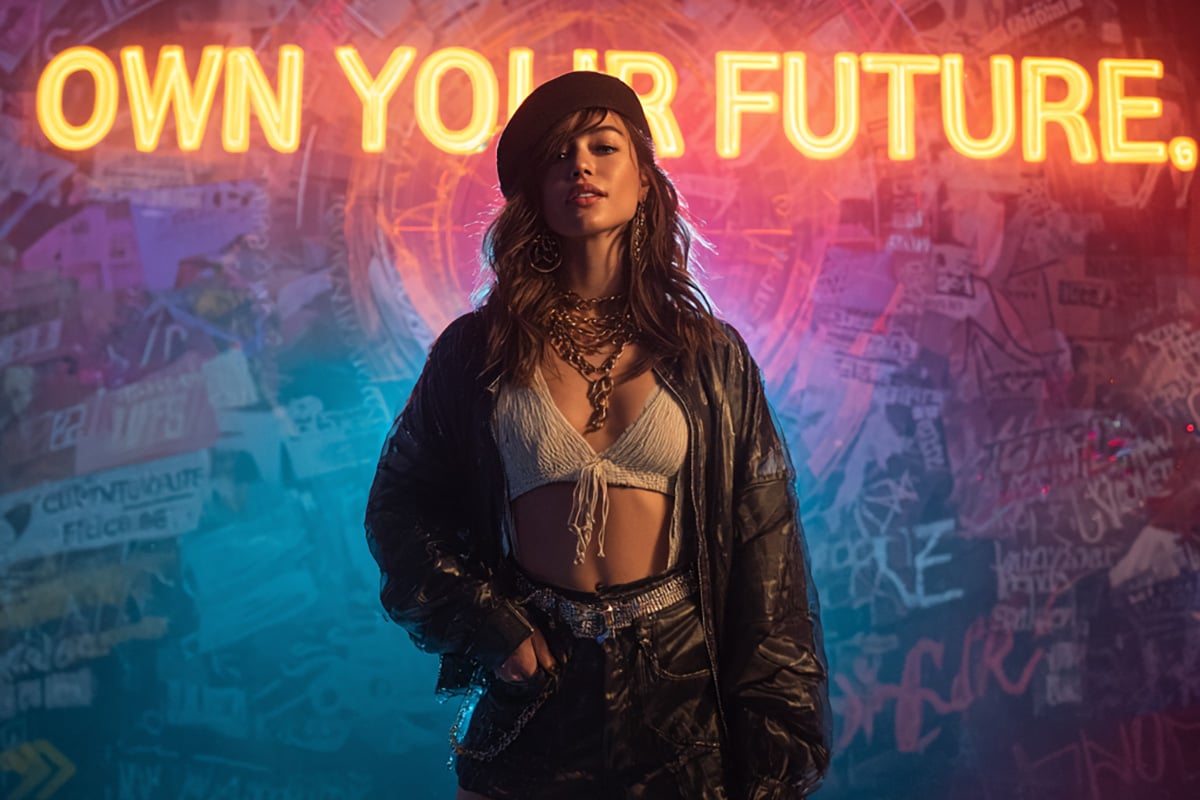
Visually, your Web3 brand can be futuristic but still human. Think glowing tones, modern fonts, digital textures—but avoid the cold, robotic aesthetic. You want fans to see the future through your eyes, not a sci-fi movie.
Talking About Web3 Without Sounding Techy
One of the biggest challenges for artists in this space is explaining what Web3 is without losing your audience in the jargon. Fans don’t want to hear about “smart contracts” or “on-chain metadata.” They want to know how this helps them.
The key is to use everyday language. Instead of saying, “I’m minting an NFT,” you might say, “I’m creating a digital collectible—like a limited-edition poster you can actually own.” Instead of “token-gated experience,” say, “This digital key gets you into special events or secret music drops.”
Fans don’t need to know how the blockchain works any more than they need to understand how a CD player reads a disc. What matters is what they get out of it—access, ownership, connection.
You can also make your Web3 world more approachable by keeping a “Web3 101” section on your site or in your Linktree. Just a few quick explanations written in your voice. Something like: “NFT = digital collectible,” “Token = fan key,” “Blockchain = public record.” Keep it simple, friendly, and non-intimidating.
When you launch something new, tell the story behind it. For example, instead of saying, “I released a new NFT,” say, “I designed a digital artwork inspired by my latest single. There are only 100 copies, and each one comes with a bonus song.” Fans understand storytelling. They don’t need the technical lecture—they need the emotional connection.
Creating Your Home Base
Now that you’ve got your story and voice, you need a place to bring it all together. That’s your digital home.
Your website or Web3 domain should be the central hub for everything you do. You can get a Web3 domain through Unstoppable Domains or ENS.domains. These domains aren’t like regular ones—they’re blockchain-based, meaning you own them outright and no one can take them down or sell ads over your name.
Your site can still run like a normal artist page, but you can include sections like “Explore My Web3 World” or “Join My Token Community.” This keeps traditional fans comfortable while gently introducing new concepts.
For fans who aren’t ready to use crypto wallets, you can use hybrid platforms that make the process easier. Tools like Medallion.fm or Sound.xyz let fans log in with just an email and pay with a credit card while you still run everything through blockchain technology behind the scenes. That way, you’re not forcing anyone to “get techy.” You’re simply giving them the option to participate.
Making Merch and Collectibles Exciting Again
Merch has always been part of a musician’s identity—shirts, vinyl, posters, and now, digital collectibles. Web3 just adds a new layer to that.
Imagine releasing a t-shirt that comes with a matching digital token. When fans buy it, they not only get the shirt but also a collectible version stored in their digital wallet. That token could later unlock early access to new songs or special discounts.
Some artists are experimenting with “phygital” items—merch that exists both in the real and digital world. It’s like owning a limited-edition print and the original design file that proves it’s authentic. Fans love that sense of ownership.
You can also create token-only merch shops where fans with specific tokens get access to exclusive items. Platforms like Shopify now integrate with token-gating plugins, making it easier to run digital-plus-physical stores.
Even more exciting is the rise of fractional royalties. Using services like Royal.io, you can sell small pieces of your song’s future earnings to fans. This means they actually share in your success. They don’t just stream your song—they invest in it. It turns fandom into partnership.
Of course, you should always be transparent about how it works and what fans can expect. Legal clarity builds trust, and trust is the core of your Web3 brand.
Educating Your Fans the Fun Way
If you’re serious about becoming a Web3 artist, education will be part of your brand. But that doesn’t mean turning into a professor. It means sharing what you’re learning in real time, and inviting fans along for the ride.
You can post short videos explaining what you’re doing, using simple analogies. For example: “Today I’m minting my first digital collectible—it’s like stamping my signature on a one-of-a-kind file that can’t be copied.”
When you release something new, show fans behind the scenes. Let them see your process and even your mistakes. When something doesn’t go perfectly, be honest about it. “We had a hiccup with the drop, but it’s fixed now. Thanks for being patient.” Fans appreciate transparency more than perfection.
You might even create a few “how-to” guides for your followers: “How to claim your collectible,” “How to use your token key,” “What owning an NFT means for you.” Keep these short, visual, and human.
The goal is to make Web3 feel less like a tech playground and more like a movement fans can join. You want them to feel like insiders, not outsiders.
Bringing Web3 Into the Real World
One of the best ways to make Web3 real for fans is to connect it to physical experiences.
Imagine throwing a concert where token holders get into an exclusive soundcheck, afterparty, or merch table. Their digital wallet becomes their VIP pass. It’s not just online hype—it’s real-world connection.
You can take it further by doing scavenger hunts or city pop-ups. Hide secret QR codes around town that let fans claim special tokens or collectibles. Each clue can connect to your lyrics or song titles. Suddenly, your community is playing a real-world game tied to your art.
Augmented reality (AR) can make this even cooler. Companies like Unlock Protocol help creators design experiences that connect physical spaces to token ownership. Imagine a poster that comes to life when scanned, revealing a hidden message or sound clip only for fans who hold your token.
IRL (in-real-life) events are where the Web3 magic really clicks. Once fans experience it firsthand—getting access to an event, unlocking hidden tracks, or receiving an airdropped reward—they finally get what Web3 means.
Experimenting and Evolving
Building your Web3 artist brand is not a one-and-done thing—it’s an ongoing experiment. Start small, learn, and grow.
You might launch your first drop with 50 digital collectibles connected to a song. Some fans will jump in right away; others will need time. Take notes on what worked and what confused people. Use that feedback to make your next drop smoother.
The first few times, you’ll probably run into little bumps—wallet issues, confusing instructions, maybe a broken link. That’s okay. Every Web3 artist starts there. What fans remember is not perfection but persistence.
As you grow, your experiments can get bolder—fan-owned music projects, DAO-style fan clubs, or even shared royalties. But it’s better to earn that trust slowly. Each successful drop builds confidence in your brand and strengthens your community.
Telling Your Story Like a Movement
At the end of the day, your Web3 artist brand isn’t about blockchain—it’s about storytelling. Fans want to feel like they’re part of something bigger than a playlist. They want to believe in a movement.
So make them part of your story. Tell them why you’re doing this. Maybe you’re tired of seeing artists lose ownership to labels. Maybe you want fans to share in your success, not just watch it. Maybe you believe music should belong to the people who love it most.
That’s the real heart of Web3. It’s not about tech—it’s about community and fairness.
You could even turn your journey into a series: “My First Token,” “My First Drop,” “What I Learned.” Let fans see you grow. The more open you are, the stronger your bond becomes.
Staying Transparent and Safe
Whenever money or ownership gets involved, clarity is key. Always explain what your tokens represent and what fans are actually buying. If you promise perks, spell them out clearly.
It’s also important to be careful with royalty sharing and profit promises. Depending on your country, these might count as securities, so it’s best to research or consult experts before you go there. Transparency protects you and builds trust with fans.
Keep your community informed, especially about risks like gas fees or platform downtime. Being upfront shows leadership, and that’s part of your brand too.
A Real-World Example
Let’s say you’re releasing a new album called “Lightyear Echo.” Instead of dropping everything at once, you turn it into a Web3 experience.
You start by creating a small fan group called “The Constellation Club.” You tease them with behind-the-scenes content and talk about offering them first access to something special. Then you release 100 “Echo Keys”—digital collectibles that unlock one unreleased track and a private livestream Q&A.
A few weeks later, you open a secret merch store only for Echo Key holders. They can buy limited vinyl pressings and signed posters.
When the album launches publicly, those fans get one more surprise: early access to remix stems or concert ticket presales. They feel rewarded for believing in you early.
That’s how you turn technology into emotion. It’s not about code—it’s about connection.
The Big Picture
Becoming a Web3 artist isn’t about being a tech expert. It’s about being a storyteller who uses new tools to build deeper relationships with fans. It’s about independence, innovation, and integrity.
Your fans don’t want perfection—they want passion. They don’t need a blockchain lecture—they need a reason to believe that this new model helps them feel closer to you and your music.
Start small. Learn publicly. Invite fans along. The artists who do that today will be tomorrow’s leaders in the new decentralized music world.
If you can blend honesty, education, and creativity, you’ll do more than build a brand—you’ll build a movement that truly embodies what Web3 is all about.
 |  Spotify |  Deezer |  Breaker |
 Pocket Cast |  Radio Public |  Stitcher |  TuneIn |
 IHeart Radio |  Mixcloud |  PlayerFM |  Amazon |
 Jiosaavn |  Gaana |  Vurbl |  Audius |
 Reason.Fm | |||
Find our Podcasts on these outlets
Buy Us a Cup of Coffee!
Join the movement in supporting Making a Scene, the premier independent resource for both emerging musicians and the dedicated fans who champion them.
We showcase this vibrant community that celebrates the raw talent and creative spirit driving the music industry forward. From insightful articles and in-depth interviews to exclusive content and insider tips, Making a Scene empowers artists to thrive and fans to discover their next favorite sound.
Together, let’s amplify the voices of independent musicians and forge unforgettable connections through the power of music
Make a one-time donation
Make a monthly donation
Make a yearly donation
Buy us a cup of Coffee!
Or enter a custom amount
Your contribution is appreciated.
Your contribution is appreciated.
Your contribution is appreciated.
DonateDonate monthlyDonate yearlyYou can donate directly through Paypal!
Subscribe to Our Newsletter
Order the New Book From Making a Scene
Breaking Chains – Navigating the Decentralized Music Industry
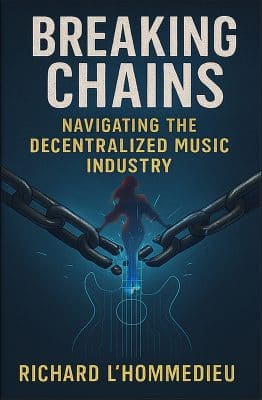
Breaking Chains is a groundbreaking guide for independent musicians ready to take control of their careers in the rapidly evolving world of decentralized music. From blockchain-powered royalties to NFTs, DAOs, and smart contracts, this book breaks down complex Web3 concepts into practical strategies that help artists earn more, connect directly with fans, and retain creative freedom. With real-world examples, platform recommendations, and step-by-step guidance, it empowers musicians to bypass traditional gatekeepers and build sustainable careers on their own terms.
More than just a tech manual, Breaking Chains explores the bigger picture—how decentralization can rebuild the music industry’s middle class, strengthen local economies, and transform fans into stakeholders in an artist’s journey. Whether you’re an emerging musician, a veteran indie artist, or a curious fan of the next music revolution, this book is your roadmap to the future of fair, transparent, and community-driven music.
Get your Limited Edition Signed and Numbered (Only 50 copies Available) Free Shipping Included
Discover more from Making A Scene!
Subscribe to get the latest posts sent to your email.


