AI Chatbots for Musicians: 24/7 Fan Engagement Without Losing the Human Touch




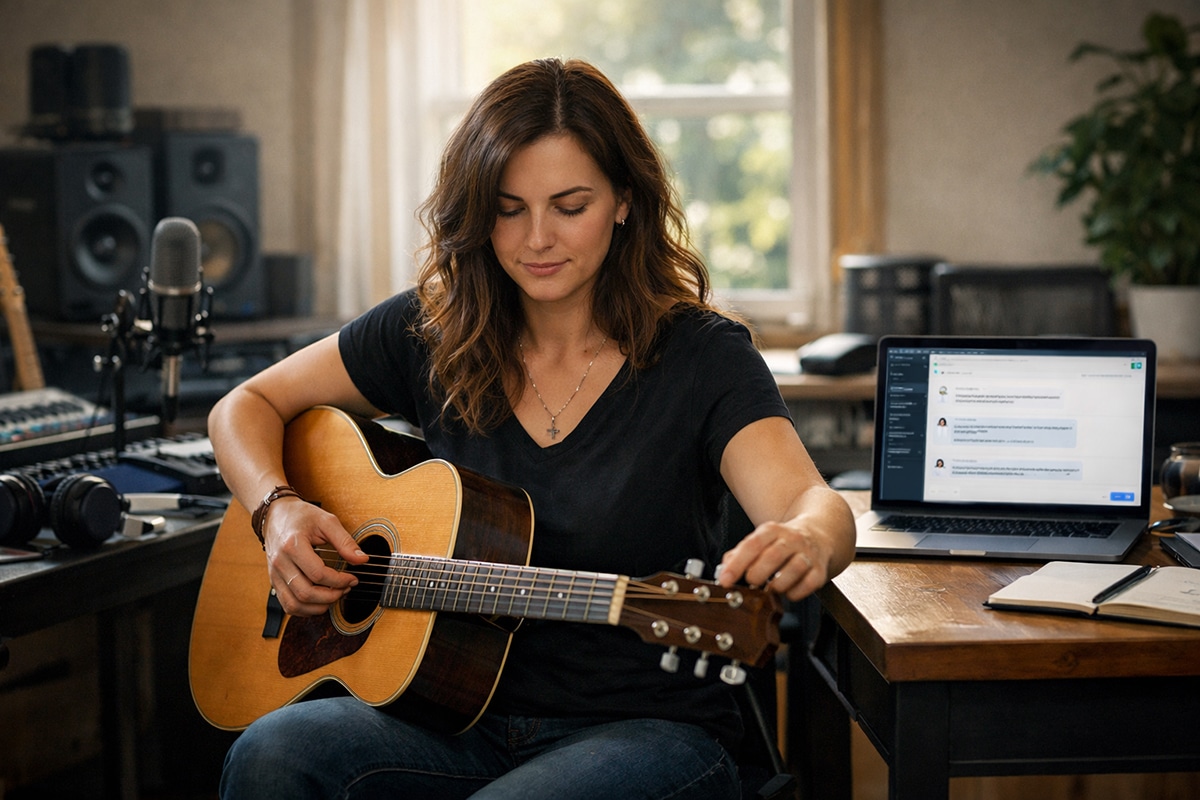
Making a Scene Presents – AI Chatbots for Musicians: 24/7 Fan Engagement Without Losing the Human Touch
Listen to the Podcast Discussion to Gain More Insight into Build your own Chatbot Saving you Time!
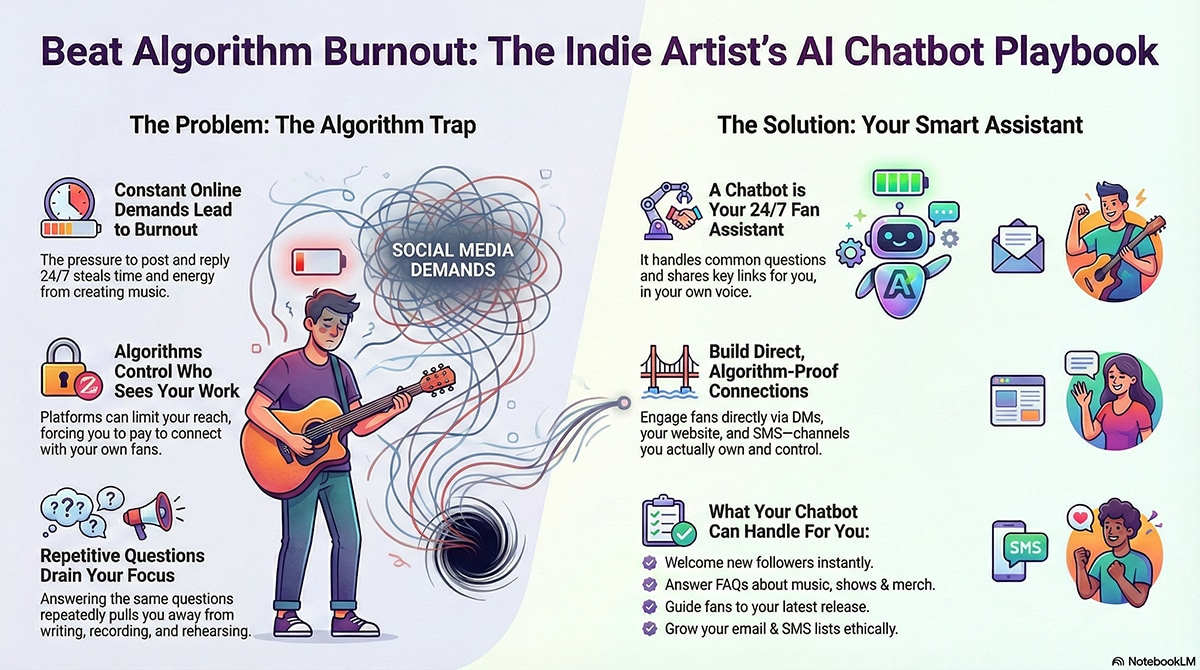
There’s a quiet lie baked into the modern music business. It tells you that if you want real fans, you have to be online nonstop. You have to reply right away. You have to post every day. You have to treat the algorithm like your boss, ready to jump the second it whistles. And if you don’t keep up, the lie says you’ll vanish.
That mindset burns out good artists every single day. Not because they’re weak, but because the system is built to steal your time. It turns your creative life into a never-ending shift on someone else’s platform.
This is where AI chatbots change the game for indie musicians.
An AI chatbot is basically a helpful assistant that can talk to fans for you, in your voice, even when you’re not available. Not in a creepy, fake way. Not in a spammy, salesy way. In a practical way that protects your energy and keeps fans connected. It can welcome new people, answer the same common questions you get over and over, share the right links, and point fans toward your music and merch without you having to live on your phone.
And here’s the big thing. This isn’t about becoming less human. It’s about staying human.
If you’re a solo artist with limited time, you already know the problem. You might be writing songs, recording at home, rehearsing, gigging, booking shows, running socials, shipping merch, and maybe working a day job too. You don’t need more pressure. You need a system that keeps the conversation going while you focus on the work only you can do.
That’s what a well-built chatbot gives you. It helps you greet new fans like you’re actually there. It answers questions like “Where should I start?” or “What’s your latest release?” without making people wait. It shares links to your music, your show schedule, your merch store, and your best “start here” playlist. It can also grow your email list and SMS list in a clean, permission-based way, so you’re building an audience you actually own.
And yes, it also sends a quiet message to platforms and algorithms: you don’t control my relationships anymore.
Because once you have direct conversations with fans through DMs, your website, email, and text, you stop living and dying by reach. You don’t need permission to be seen. You’re not begging a feed to deliver your message. You’re building your own lane where the connection is direct and the rules are yours.
We’re going to walk through this slowly and clearly. No hype. No confusing tech talk. Just real-world explanations you can use right away, even if you’ve never built anything like this before.
What an AI Chatbot Really Is (And What It Is Not)
An AI chatbot sounds a lot scarier than it actually is. Once you strip away the buzzwords, it’s simply a digital assistant that talks to fans the way you would if you had unlimited time and energy. It doesn’t think for you. It doesn’t make creative decisions. It just handles conversations you already have, over and over again, so you don’t have to repeat yourself all day.
A chatbot does not replace you. That’s an important line to draw. It takes care of the parts of fan communication that quietly drain your time and attention. Things like “Where can I hear your music?” or “Do you have merch?” or “Are you playing anywhere near me?” or “How do I join your mailing list?” or “What’s your newest release?” These are not annoying questions. They are signs of interest. They mean someone is paying attention and wants to go deeper.
The problem is repetition. Answering the same questions dozens or hundreds of times pulls you away from the work that actually moves your career forward. It eats into writing time. It interrupts recording sessions. It chips away at rehearsal focus. It even steals rest, because your phone is always buzzing and waiting for a response.
This is where a chatbot earns its keep. It handles those repeat moments instantly and consistently. Fans get answers right away instead of waiting. You get your time back. And when a conversation really matters, when a fan has something personal to say or a unique opportunity comes up, you can show up fully instead of already feeling drained.
Most artists worry about sounding robotic, and that fear makes sense. Nobody wants their art or their personality to feel fake. But the truth is, chatbots only sound robotic when artists let platforms or default templates write the words for them. When you take the time to write the messages yourself, using your own language and your own tone, the chatbot feels natural. It feels like you on a good day. Calm. Clear. Friendly. Present.
The difference is simple. You’re still human. You’re just no longer exhausted by the same conversations on repeat.
Why Algorithms Hate Direct Conversations (And Why That’s Good for You)
Platforms make their money by controlling reach. That’s the business model. They decide who sees your post and who never does. They decide when your message shows up, how long it lasts, and how far it travels. And when they want more revenue, they quietly tighten the system until the only reliable way to be seen is to pay.
That puts artists in a bad spot. You can do everything “right” and still get buried. You can post consistently, engage constantly, and follow every best practice, only to watch your reach disappear overnight because an algorithm changed its mind.
Direct conversations break that control.
When a fan talks to your chatbot through Instagram DMs, your website, Facebook Messenger, or SMS, that interaction doesn’t flow through a public feed. It isn’t ranked, throttled, or buried under ads. It goes straight to the fan’s inbox or phone. It lands in their personal space, not in a crowded timeline competing for attention.
That direct line is what makes platforms nervous. It’s why they constantly change rules, limit visibility, and push creators toward paid tools. They want to keep themselves between you and your audience. Conversations that bypass the feed weaken that grip.
This is why building conversational channels is quietly rebellious. You’re not hacking the system. You’re not trying to trick algorithms or chase loopholes. You’re simply stepping around the parts of the system designed to keep you dependent.
An AI chatbot is what makes this sustainable. It lets you have hundreds or thousands of one-to-one conversations without giving your entire life to a platform. You keep the relationship. The machine handles the scale. And you don’t have to sell your time, your sanity, or your creativity just to stay visible.
Where Your Chatbot Can Live (And Why You Should Use All of Them)
The Two Tools That Make This Practical: ManyChat and Voiceflow
Designing a Chatbot That Sounds Like You
This is where most people mess things up, and it happens right at the start. They let the default tone win. They use the generic messages the platform suggests, or they rush through setup without thinking about how the words actually sound. The result is a chatbot that feels cold, corporate, or fake, even if the artist behind it is anything but.
Your chatbot should sound the same way you sound when you talk to fans in real life. If you’re warm and thoughtful, the chatbot should be warm and thoughtful. If your personality leans dry and witty, let that come through. If you’re blunt, honest, and straight to the point, that’s fine too. There is no “correct” tone. There is only your tone. That’s what fans connect with.
This is an important shift in how to think about the technology. You are not handing control to the AI. You are writing the words. You are setting the boundaries. The AI’s job is simply to deliver those words consistently, without getting tired or distracted. It doesn’t need to be clever. It needs to be clear and aligned with who you are.
A simple welcome message is often all it takes to set the right feeling. Something as plain and human as, “Hey, thanks for being here. I’m not always online, but this chat will point you to my music, shows, and merch anytime you need it,” does a lot of work. It tells fans what this space is for. It sets expectations. And most importantly, it builds trust.
Fans aren’t confused by automation when it’s honest. They understand you can’t be everywhere at once. What they care about is intention. When the message feels deliberate and personal, the automation fades into the background. What remains is the sense that the artist is present, organized, and respectful of their time.
Using AI Brains Like ChatGPT Without Losing Control
Turning Conversations Into Music Discovery
A chatbot should always point somewhere meaningful. Not everywhere. Somewhere. The goal is not to show fans every option you have. The goal is to help them take the next clear step without thinking too hard about it.
When a fan asks about your music, the chatbot should guide them to one or two well-chosen links. That might be your latest single, the song that best represents you right now, or the track most people connect with first. It could be a Bandcamp page where they can really support you, or a Spotify link if that’s how you prefer new listeners to discover your work. What matters is that the choice is intentional.
This is how you avoid overwhelming people. Fans don’t need a long list of destinations. They need direction. When you curate the path for them, you remove friction and make it easier for them to engage. Dumping a full link tree into a conversation forces the fan to do the work. A focused recommendation feels like guidance.
The decision changes based on the moment. If you sell music directly and want to build real ownership, link there first. If the goal is discovery and ease, point them to a streaming platform. Sometimes it makes sense to do both, but never all at once. You’re not trying to impress anyone with how many links you have. You’re helping a real person take one simple step closer to your music.
Merch Without the Hard Sell
Growing Email and SMS Lists the Right Way
Handling the Human Handoff Gracefully
Here’s the part that keeps everything human, even when AI is involved. You always leave the door open. The chatbot is there to help, not to replace real connection. Fans should never feel like they’re talking to a wall or being boxed into automation with no way out.
Your chatbot should clearly let people know that you’re still reachable when it really matters. A simple line like, “If this is something personal or urgent, I’ll see it and reply when I can,” does a lot of heavy lifting. It sets the right expectation without overpromising. Fans understand you’re human. They just want to know they’re not being ignored.
That one sentence preserves trust. It tells fans that the automation exists to keep things moving, not to create distance. It reassures them that real moments still get real attention.
You’re not hiding behind technology. You’re pacing yourself. You’re choosing when and where to show up so that when you do engage directly, you’re present, thoughtful, and not burned out. That balance is what allows automation and authenticity to coexist without canceling each other out.
Realistic Time Investment for a Solo Artist
Setting up a basic chatbot doesn’t take months, and it doesn’t require weeks of planning. It usually takes a few focused evenings. That’s it. You sit down, write your core messages, and build a simple flow that covers the questions fans ask most often.
You only have to write those messages once. After that, you refine them slowly as you notice what fans respond to or what questions come up more often. The system isn’t fixed or fragile. It grows with you. As your music evolves, your shows change, or your goals shift, you adjust the chatbot the same way you would update a bio or a website.
Once it’s in place, the payoff is real. The chatbot starts handling conversations automatically, and you get hours back every week. That time doesn’t disappear into more scrolling or more posting. It goes back into writing songs, recording, rehearsing, resting, or living a life that actually feeds your creativity.
The setup is a small investment. The return is ongoing. Instead of spending your energy managing screens, you get to put it back where it belongs, into the music.
Why This Matters More Than Ever
The music industry loves to talk about community, but in practice it builds walls between artists and fans. Algorithms decide who gets seen and who doesn’t. Platforms ration attention like a limited resource. And when reach drops, it gets rented back to you through ads and boosted posts.
AI chatbots quietly flip that power dynamic.
When you use a chatbot the right way, you own the conversation. You decide how fans are welcomed. You control the tone and the pace. You choose what gets shared and when. Instead of hoping a feed delivers your message, you build direct relationships that don’t depend on someone else’s rules.
This is the shift that actually matters. You stop begging algorithms for visibility and start building connections that last. Fans aren’t just impressions or engagement metrics anymore. They’re people you can reach directly, on your terms, whenever it makes sense.
That’s not automation for the sake of efficiency or hype. It’s survival with dignity. It’s choosing systems that protect your time, your voice, and your ability to build a career without being constantly squeezed by platforms that profit from your attention.
Final Word: This Is About Boundaries, Not Distance
Using an AI chatbot doesn’t make you distant from your fans. It makes you sustainable. It creates a buffer between your creative life and the constant demand to be available at all times. Instead of turning you into a full-time customer service rep, it lets you show up as what you actually are, a musician.
A chatbot protects your energy in ways most artists don’t realize until they feel the relief. It handles the repeat questions, keeps conversations moving, and gives fans what they need without delay. At the same time, it respects your fans’ time by responding clearly and consistently, instead of leaving messages unanswered or half-answered because you’re stretched too thin.
Over time, this does something even more important. It slowly pulls your career out of the algorithm’s grip. When you rely less on feeds and more on direct conversations, your connection to fans becomes steadier and more resilient. You’re no longer chasing visibility. You’re building relationships that don’t disappear when a platform changes the rules.
That’s not selling out. That’s growing up as an independent artist and choosing systems that support a long career instead of short bursts of attention.
If you want, the next step can be practical. We can map out a full chatbot script you can copy, paste, and customize in a single afternoon, tailored exactly to your music, your tone, and the way your audience actually connects with you.
 |  Spotify |  Deezer |  Breaker |
 Pocket Cast |  Radio Public |  Stitcher |  TuneIn |
 IHeart Radio |  Mixcloud |  PlayerFM |  Amazon |
 Jiosaavn |  Gaana |  Vurbl |  Audius |
 Reason.Fm | |||
Find our Podcasts on these outlets
Buy Us a Cup of Coffee!
Join the movement in supporting Making a Scene, the premier independent resource for both emerging musicians and the dedicated fans who champion them.
We showcase this vibrant community that celebrates the raw talent and creative spirit driving the music industry forward. From insightful articles and in-depth interviews to exclusive content and insider tips, Making a Scene empowers artists to thrive and fans to discover their next favorite sound.
Together, let’s amplify the voices of independent musicians and forge unforgettable connections through the power of music
Make a one-time donation
Make a monthly donation
Make a yearly donation
Buy us a cup of Coffee!
Or enter a custom amount
Your contribution is appreciated.
Your contribution is appreciated.
Your contribution is appreciated.
DonateDonate monthlyDonate yearlyYou can donate directly through Paypal!
Subscribe to Our Newsletter
Order the New Book From Making a Scene
Breaking Chains – Navigating the Decentralized Music Industry
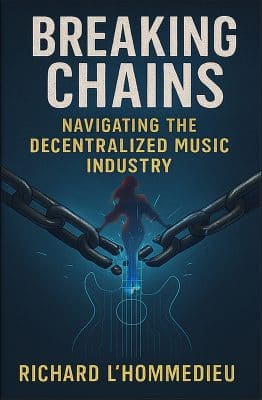
Breaking Chains is a groundbreaking guide for independent musicians ready to take control of their careers in the rapidly evolving world of decentralized music. From blockchain-powered royalties to NFTs, DAOs, and smart contracts, this book breaks down complex Web3 concepts into practical strategies that help artists earn more, connect directly with fans, and retain creative freedom. With real-world examples, platform recommendations, and step-by-step guidance, it empowers musicians to bypass traditional gatekeepers and build sustainable careers on their own terms.
More than just a tech manual, Breaking Chains explores the bigger picture—how decentralization can rebuild the music industry’s middle class, strengthen local economies, and transform fans into stakeholders in an artist’s journey. Whether you’re an emerging musician, a veteran indie artist, or a curious fan of the next music revolution, this book is your roadmap to the future of fair, transparent, and community-driven music.
Get your Limited Edition Signed and Numbered (Only 50 copies Available) Free Shipping Included
Discover more from Making A Scene!
Subscribe to get the latest posts sent to your email.


