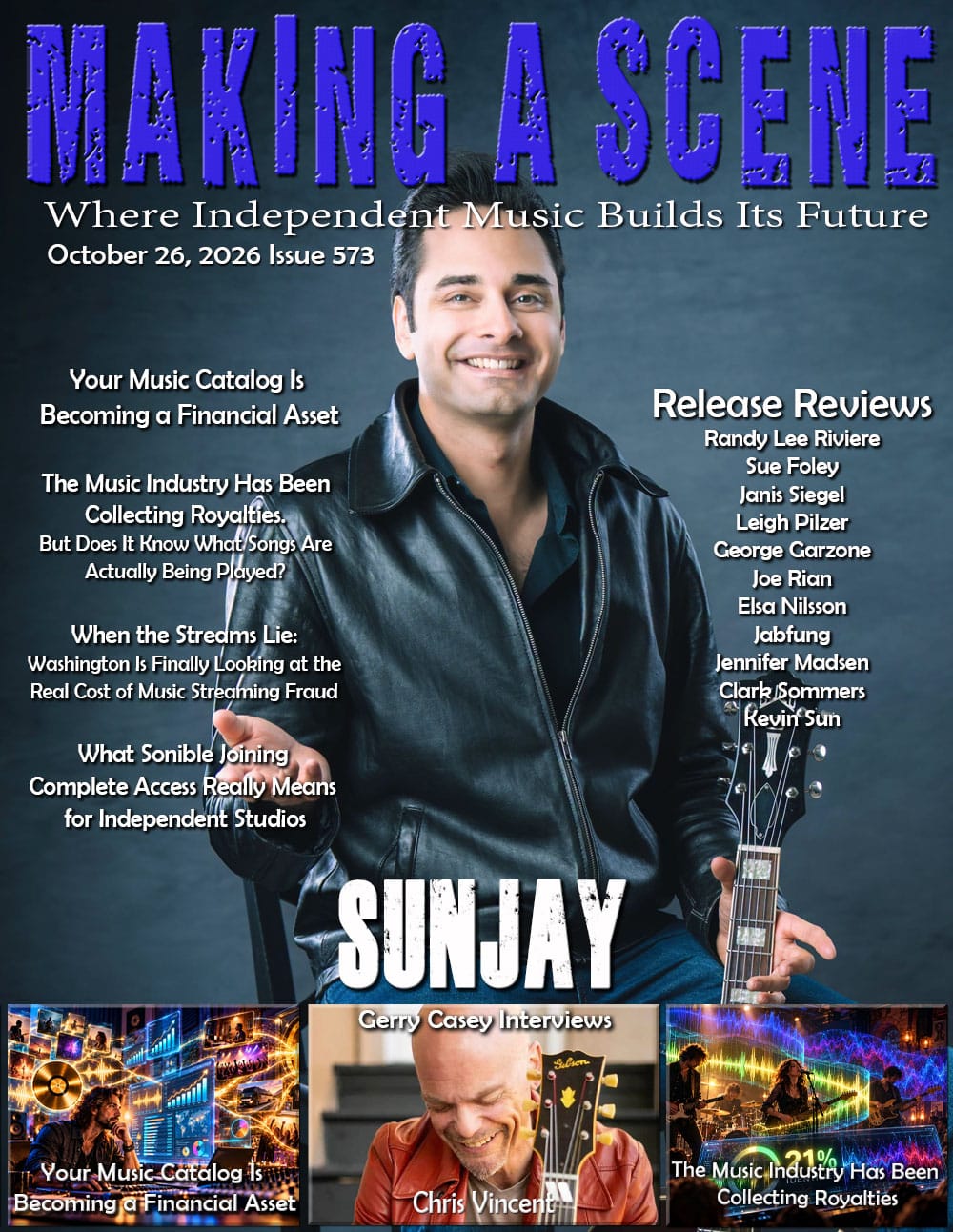

Making Money Before the Release, Not After




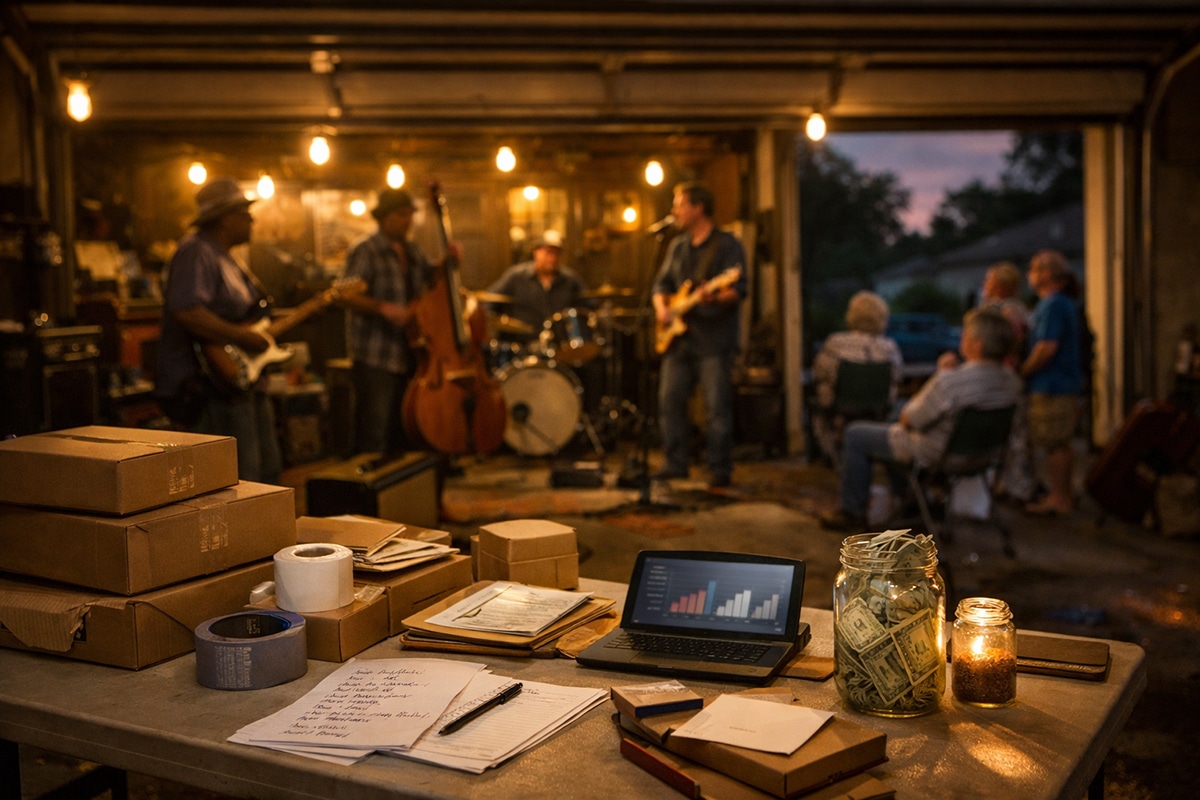
Making a Scene Presents – Making Money Before the Release, Not After
Listen to the Podcast Discussion to Gain More Insight into Making money before the release!
There is a bad habit baked into the modern music business. An artist spends months writing songs, paying for recording, fixing mixes, shooting photos, cutting videos, building cover art, and lining up a release date. Then release day comes, the music goes live, everybody posts the same link at the same time, and the artist waits. They wait for streams. They wait for playlist adds. They wait for press. They wait for social media to care. They wait for money that may never really come. That is not a business model. That is a prayer circle with a distro account.
The smarter move is to flip the whole thing around. Instead of treating release day like the first day your music can earn, treat it like the day the wider public finally catches up with what your real fans already bought into. AI can help artists plan that runway, sort the audience into useful groups, and shape a story that makes fans feel like they are part of something before the song hits streaming. Web3, used the right way, can quietly power early access, limited editions, memberships, and collectible perks without forcing fans to become crypto nerds. The result is simple and powerful: more cash before the release, less risk after it, and more control staying with the artist.
The Old Release Model Is Backwards
Most artists are still taught to think like a label from twenty years ago, even when they do not have label money. They are told to build hype, drop the single, and hope the audience arrives. But if you are independent, every release carries real cost. It costs money to record, master, rehearse, advertise, design, print merch, hire players, rent vans, and fuel a run of shows. If your cash only starts coming in after the release, you are carrying all the risk yourself. You are fronting the whole campaign and hoping the public reimburses you later.
That old model also makes artists too dependent on outside systems. If the algorithm does not push your post, your big announcement is smaller than you hoped. If playlist editors pass, your “launch” becomes background noise. If fans like the song but do not see the link in time, the moment slips. None of that means the music failed. It means the business was built around delayed payment and borrowed attention. That is the trap. A real independent business tries to get paid closer to the moment value is created, not months later after every middleman takes a bite.
Making money before the release is not about squeezing fans. It is about giving your core audience a real chance to support what they already care about. It is about offering access, story, and scarcity while the attention is hottest. It is about using the release window as a sales engine, not a waiting room. That is how you build the kind of steady cash flow that can support a Music Industry Middle Class instead of forcing every artist to chase one lucky break.
AI Turns a Release Into a Real Plan
The first job of AI in a release campaign is not writing fake lyrics or replacing your voice. The first job is helping you think more clearly, faster. OpenAI’s ChatGPT is designed to help users explore ideas and solve problems, which makes it useful as a planning partner when you are shaping a release arc, offer stack, fan messages, and content calendar. You can use it to map out a 30-day rollout, draft pre-sale copy in different tones, turn one song story into ten short social angles, or build a simple calendar around rehearsal clips, studio photos, live previews, and buyer follow-up.
That matters because most independent artists do not fail from lack of passion. They fail from decision fatigue. They have too many loose ideas and not enough system. AI helps turn the fog into sequence. Instead of asking, “How do I promote this song?” you start asking better questions. Which fans should hear about a private acoustic version first? Which city should get the earliest ticket offer? Which bundle belongs to the hardcore fan, and which belongs to the casual listener who just needs a simple entry point? When AI helps you ask better business questions, the release stops being a vague burst of posting and becomes a designed campaign.
The second job of AI is audience segmentation. That sounds corporate, but it is really just respect. Not every fan should get the same message at the same time. The person who bought a shirt last month is different from the person who just followed you last week. The fan who lives in Atlanta is different from the fan in Portland. The person who always opens your emails is different from the person who only shows up when a new video drops. Mailchimp offers audience analytics, audience segmentation tools, and AI features through Intuit Assist and predictive insights that help turn audience data into actionable recommendations. HubSpot’s AI tools and its audience segments tools can also use AI to build and activate more precise segments from CRM and behavior data.
For artists, this changes everything. You no longer have to shout one message at everybody. You can send the “private listening party” message to the small group that always buys. You can send the “save the date” message to your broader list. You can send the “tour stop near you” message only to the fans in driving range. That is how you stop wasting attention. Better yet, it is how you stop burning goodwill. Fans do not hate being marketed to. They hate being treated like interchangeable numbers.
Laylo sits right in the middle of this shift. The platform says artists can build fan lists and drop music, merch, tickets, and more directly to fans, and its Laylo AI tools are built to help creators write, schedule, automate, and segment messages across channels. Laylo also offers segmenting based on engagement, purchase history, and location. For an artist trying to build pre-release revenue, that means you can start with behavior, not guesswork. The fans who clicked last time get the first offer. The fans in a certain city get the first RSVP. The fans who bought vinyl before get the signed edition message. That is not “marketing hack” nonsense. That is common sense finally being supported by better tools.
Storytelling Is the Product Before the Product
A song is never just a file. Before fans buy early access, a collector’s edition, or a private experience, they need a reason to care right now. That reason is story. Not fake mystery. Not fake scarcity. Not a pile of vague captions about “something big coming.” Real story. Why this song exists. Why now. What changed in your life. What you heard in the demo that made you keep going. What this release means to your band, your town, your season, your next chapter.
AI helps because story usually already exists inside the artist’s head. It is just messy and trapped there. Tools like Canva’s Magic Write, Adobe Express, and Descript can help artists draft copy, turn rough ideas into visual assets, and quickly shape audio and video into release-ready content. Canva says Magic Write can generate outlines and draft copy, Adobe Express says its AI tools help users create social posts, videos, and other content quickly, and Descript says it lets users edit audio and video as easily as editing text.
What that means in the real world is this. You can take one studio voice memo and turn it into a clean teaser script. You can take one rehearsal clip and cut it into a short vertical video, a square teaser, and a longer “making of” piece. You can take the notes you wrote on your phone at 2 a.m. and turn them into a three-email story arc that leads fans from curiosity to commitment. AI does not replace your voice here. It helps you stay in your voice more often because you are not stuck starting from a blank page every time.
CapCut also offers AI-powered video tools, including text-to-video, captions, background tools, and auto-editing, which can help artists turn rough footage into a steady stream of pre-release content. That is valuable because most artists do not actually need more ideas. They need more finished assets from the ideas they already have. One honest studio week can become a month of story if you know how to break it apart.
Here is the deeper point: the story is not extra. The story is the bridge between the unreleased song and the early money. Fans do not pre-buy because you yelled “pre-save now.” They pre-buy because they feel close to the work, close to the moment, and close to you. Story makes that closeness possible. AI just helps you package it without losing your whole week to captions and clip chopping.
Web3 Works Best When the Fan Barely Notices It
This is where artists either get practical or get silly. The internet spent years teaching people that Web3 had to look like a casino, sound like a sales pitch, and feel like homework. That is exactly why many artists tuned out. But the useful version of Web3 is much simpler. It is infrastructure. It is the back-end layer that can handle access, proof of support, limited editions, and ownership records while the fan experience stays clean and familiar.
EVEN is one of the clearest examples of this shift for music. EVEN says artists can sell music, videos, merch, and more directly to fans, release early before streaming, get paid daily, and report eligible sales to Luminate automatically. EVEN’s pricing page says the platform is free to sign up for and that artists keep 80% of each sale while EVEN keeps 20% to cover platform and transaction fees. That makes it a practical tool for pre-release campaigns because it lets you earn before streaming, not just advertise before streaming.
That one move alone changes your risk. If your best fans can buy the release early, buy bonus content, or pay for access to a private version of the release experience, you have turned release week into receivables instead of guesses. You do not need millions of followers for that to matter. A few dozen true supporters paying real money before the public release can fund ads, vinyl deposits, rehearsal costs, or gas for the next run of dates.
Unlock Protocol is another strong example. Unlock describes itself as a protocol creators can use to create memberships and monetize content, and its documentation describes onchain memberships and subscriptions as NFTs. Unlock has also supported token gating for websites, Discord servers, and other experiences. In plain English, that means you can create a paid supporter tier that unlocks a private listening page, a rehearsal stream, a secret merch drop, a behind-the-scenes feed, or early ticket access. The fan does not need to think, “I am interacting with blockchain.” The fan just experiences a cleaner kind of membership.
This is where the hybrid, invisible approach matters most. If you are smart, the fan sees “join,” “buy,” “unlock,” or “get access.” They do not see a wall of jargon. Tools from thirdweb and Magic are aimed at developers, but they matter to artists building custom fan systems because they support embedded or in-app wallets that can work with email, phone, social login, or passkeys instead of forcing fans through old-school crypto setup. thirdweb says users can create accounts with email, phone, social, or passkey, and Magic describes its embedded wallets as seamless Web3 onboarding with passwordless authentication. That is the invisible layer. That is how you use blockchain rails without making fans feel like they need a second life in crypto.
For the average indie artist, this means Web3 should usually sit under the hood. Let it handle collectible proof, membership records, or access rules. Let it quietly preserve who showed up early and what they supported. But do not make the fan do a book report to buy a song.
What “Fan Investment” Should Mean in the Real World
Now we get to the phrase that needs some adult supervision. “Fan investment” sounds exciting, but in the U.S. it can slide into dangerous territory fast if you start promising profit, appreciation, or shared upside without proper legal structure. The SEC’s framework for digital assets and later public statements keep returning to the same core test: when people put money into a common enterprise with a reasonable expectation of profits from the efforts of others, securities laws may come into play. That is not a corner you want to back into by accident because you got too cute with token language on Instagram.
So for most working artists, the safe and useful meaning of fan investment is not “buy this because it will moon.” It is “support this early because you value the art, want the access, and want proof you were here first.” That can mean a limited signed edition, an early listening pass, a supporter membership, a collectible digital artifact tied to a physical bundle, or first crack at tour tickets. That is still investment in the human sense. The fan is investing emotionally and economically in your next move. But you are not selling a fantasy stock market around your song.
There is another legal point artists need to understand. The U.S. Copyright Office and USPTO concluded in their joint NFT study that current uses of NFTs do not require changes to IP law, and the study notes that the marketing and sale of an NFT can implicate copyright rights in the associated work. In plain English, selling a token tied to a song does not magically transfer the copyright unless your terms clearly say so. The collectible and the copyright are not automatically the same thing. If you are going to sell limited digital editions, you need clear terms about what the fan is buying and what rights stay with you.
There is also a plain old business rule here. If you sell preorders for merch, vinyl, or bundles through the internet, the FTC says you need a reasonable basis for the shipping time you advertise, and if you make no shipping statement you generally need a reasonable basis to believe you can ship within 30 days. If delays happen, the rule requires notice and a chance for the buyer to consent to the delay or get a refund. That matters because pre-release money only builds trust if you handle fulfillment like a grown-up.
So the grown-up version of fan investment sounds like this: “Get the song a week early, get the private story video, get first access to tickets, get the signed lyric sheet, get recognized as an early supporter, and help fund this release before it hits the noise machine.” That model is powerful, direct, and far less reckless.
A Cash-Flow-First Release Blueprint
Forty-five days before release, the work is not to “go viral.” The work is to package the release into layers. There should be a simple low-friction offer for the curious fan, a better offer for the loyal fan, and a premium offer for the true supporter. AI helps you draft the names, copy, emails, social posts, and sales pages. Your CRM or fan list tools help you sort who gets which message. This is where ChatGPT, Mailchimp, HubSpot, Kit, and Laylo can help build the machine before the music goes public. Kit, for example, is built around creator email, automations, forms, and visual workflows, which makes it useful for artist-owned list building and nurture sequences.
Thirty days before release, you start telling the story in public while quietly selling in private. Public content should spark curiosity. Private offers should create conversion. Maybe the public sees a short studio clip and a caption about where the song came from. Your warmest segment gets a message with the real offer: early access, deluxe version, private livestream, or supporter bundle. If you are using Laylo, this is where segmented drop messages shine. If you are using EVEN, this is where the first fans can actually buy before the stream arrives.
Fourteen days before release, the goal is proof. You show people that other fans are already stepping in. That can be screenshots of sold-out supporter tiers, short thank-you videos, behind-the-scenes clips from packing signed items, or a teaser from the private listening room. The point is not fake urgency. The point is visible motion. Fans trust movement. If you are using an onchain membership layer through Unlock, this is a strong window to open a token-gated page, private feed, or early listening room for members only.
Seven days before release, you tighten the circle. This is where the casual audience gets their reminder, but the core audience gets their payoff. They get the private stream. They get the first listen. They get the bonus song, the alt cover, the live rehearsal cut, or the story essay. If you built this right, the people who funded the release early do not feel like suckers. They feel like insiders.
Release week then becomes amplification, not desperation. The song hits streaming, yes. The press push matters, yes. But now you are not trying to invent value on release day. You are expanding value that already exists. The public sees momentum. The core fans feel rewarded. The artist already has cash in the door. That is a completely different emotional and financial position from begging the algorithm to notice.
What This Looks Like in Dollars
Let’s keep this simple. Say a solo artist has a new single and does not want to wait for streams to pay for the campaign. Instead of only posting pre-save links, the artist builds three pre-release offers. One is a five-dollar early access pass with the song, a voice note, and a private story video. One is a twenty-dollar supporter bundle with that plus a signed lyric card and first access to tickets. One is a fifty-dollar top tier that includes a private livestream hang and a limited edition shirt or poster. If twenty fans take the first offer, fifteen take the second, and five take the third, the artist has already brought in five hundred dollars before release day. That is not fantasy. That is one decent local scene and a fan list that has been treated like an asset instead of an afterthought.
Now imagine a full band. The band uses AI to build a better city-by-city rollout, sends premium ticket offers only to the people near upcoming dates, and turns one song release into a pre-release campaign that also moves merch and builds live demand. Suddenly the release is not just “content.” It is inventory. It is lead generation. It is demand testing. It is tour intelligence. The band learns which city bought first, which email subject line worked, which bundle moved, and which supporters always say yes. That data is worth money because it shapes the next move.
This is where the Music Industry Middle Class becomes real. You do not need one giant win. You need repeatable smaller wins that stack. Fifty people paying before release is more useful than five thousand passive listeners who never buy anything. A hundred fans in two cities buying early ticket access tells you more than a broad stream count with no location behavior attached. Cash flow is what gives you time. Time is what lets you get better. And getting better with time is how careers are built.
The Risk You Remove Is the Hidden Profit
People talk about revenue all the time and risk almost never. But reduced risk is part of profit. If pre-release sales help pay for mastering, you reduced your personal exposure. If early ticket buyers tell you which market is hot, you reduced routing risk. If a limited edition sells out before you overprint, you reduced inventory risk. If only one of your three offer tiers moves, you learned before you dumped more money into the wrong idea.
AI helps reduce risk by making planning sharper. Segmentation reduces risk by helping you stop sending the wrong offer to the wrong people. Storytelling reduces risk by making the audience care before the stream link arrives. Web3 membership and collectible layers reduce risk by giving you cleaner ways to recognize and reward early support. Every piece of this is really about seeing clearer, selling sooner, and guessing less.
That is why this model matters so much for independent artists. The old system taught musicians to spend first and learn later. The better system lets artists learn while they earn. That one change is the difference between career growth and creative burnout.
The Point Is Ownership, Not Novelty
None of this is about chasing shiny objects. AI is not the story. Web3 is not the story. The story is artist ownership. The story is whether you control the relationship, the offer, the data, the timing, and the money. AI just helps you run the campaign with more intelligence. Web3 just gives you a better back end for access, limited editions, proof of support, and hybrid membership when you want those features. The mission is still the same: build an artist business that does not collapse if Spotify sneezes or Instagram gets bored.
The release is no longer just a moment. It is a runway, a storefront, a test lab, and a trust exercise. The artists who understand that are going to stop treating release day like a lottery ticket. They are going to treat it like a cash-flow event.
And that is the real shift. The song should not be the first time the music earns. The song should be the moment the rest of the world catches up to the people who already believed in it. That is how you make money before the release, not after. That is how you reduce risk without shrinking your ambition. And that is how independent artists start building something far more durable than a spike. They start building a middle class.
 |  Spotify |  Deezer |  Breaker |
 Pocket Cast |  Radio Public |  Stitcher |  TuneIn |
 IHeart Radio |  Mixcloud |  PlayerFM |  Amazon |
 Jiosaavn |  Gaana |  Vurbl |  Audius |
 Reason.Fm | |||
Find our Podcasts on these outlets
Subscribe to Our Newsletter
Discover more from Making A Scene!
Subscribe to get the latest posts sent to your email.


