

Kenny Barron SUNSET TO DAWN




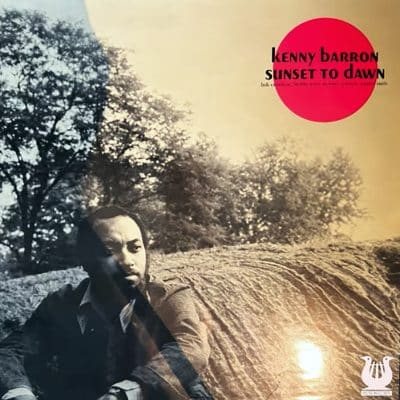 KENNY BARRON
SUNSET TO DAWN
Muse Records/Time Traveler Recordings
Kenny Barron, piano, electric piano; Bob Cranshaw, electric bass; Freddie Waits, drums; Richard Landrum, congas/percussion; Warren Smith, vibraphone/percussion.
On April 2, 1973, jazz pianist Kenny Barron launched his nearly 50-album discography titled “Sunset to Dawn.” He was two-months shy of his 30th birthday. In 1961, the brilliant musician had transplanted his Philadelphia roots to Manhattan’s lower East Side. The rest is history.
In 1970, he became the pianist in Yusef Lateef’s quartet. They recorded eight songs for Lateef’s upcoming album titled, “Part of the Search” that featured some of young Barron’s compositions and arrangements.
Jimmy Heath (of Heath Brother’s fame) had recommended the sixteen-year-old pianist named Kenny Barron to Yusef, when Lateef’s regular piano player went rogue. Lateef liked what he heard. A few days after Barron graduated high school, Yusef brought him to Detroit to play with his group at the famous, non-alcohol jazz hangout, The Minor Key for a 10-day gig.
Barron recalled being still a teen, yet working with Jimmy Heath, his trumpet hero Lee Morgan, bass man Spanky DeBrest, and Jimmy’s little brother Albert “Tootie” Heath on drums. In those early years, Barron paid dues playing for singers, tap dancers, comedians, shake dancers, and everything in between. He learned early, a gig is a gig. Plus, every gig was a lesson. Kenny was growing up in the music; eating big chunks of it for breakfast, lunch and dinner.
Back then, his older brother, Bill Barron was a big influence in his life. Bill was an influential jazz tenor and soprano saxophone player, who had moved to NYC. Sixteen years his senior, Bill stuffed Kenny with jazz music. He played it over and over on their home record player, as well as asking the blossoming pianist to accompany him on some local gigs. When Bill Barron recorded in New York, he called on his little brother to play piano on the session. Kenny remembers that time vividly in his liner notes. His brother lived on the lower East side and Kenny first crashed at his apartment. Later, he rented a room at 314 East 6th Street, next door to his sibling. He paid $60/month to a roommate, bassist Vishnu Wood, a musician he met in Detroit though Yusef.
“It was a great neighborhood,” gushed Kenny Barron. “I was young, eighteen, and it was exciting. I could walk to the original Five Spot, on Bowery and the same guys, the Termini Brothers also owned the Jazz Gallery on St. Marks. … The Café Wha? Is where I first heard Cecil Taylor play a duo with Clifford Jarvis. In New York, All the people whose records I used to buy, I could hear and see and talk to.”
This move put him in touch with the master musicians he loved. They loved him back! Barron entered the major leagues playing with legends like James Moody, Lou Donaldson, Roy Haynes and Dizzy Gillespie.
This album is the first time Barron started incorporating the electric piano into his recordings. It was his first recording as a band leader for Muse Records. This production shows us a completely different side to this genius during the prime of his younger life.
On a tune called “Swamp Demon” he incorporates fusion into the mix. However, along with electronics, Kenny Barron does include the grand piano in some of his arrangements. This is especially evident and beautiful on the tune, “A Flower” where he plays solo piano.
Reviewed by Dee Dee McNeil

Subscribe to Our Newsletter
Discover more from Making A Scene!
Subscribe to get the latest posts sent to your email.


