
Web3 Sync Licensing: Decentralizing the Music-to-Media Pipeline




Making a Scene Presents – Web3 Sync Licensing: Decentralizing the Music-to-Media Pipeline
Listen to the podcast discussion to gain more insight into Web3 sync Licensing
The Old Sync Game Is Rigged (And Indie Artists Know It)
If you are an independent artist, you already know the truth about sync licensing, even if nobody ever said it out loud. The system is closed. The gates are tall. The same names show up again and again in film, TV, and video games. Music supervisors pull from trusted libraries, pre-cleared catalogs, and relationships built over decades. If you are not already inside that circle, you are usually invisible.
Traditional sync libraries say they are “open,” but what they really mean is that you can submit music and wait. And wait. And wait some more. You give up control of pricing. You often give up ownership or exclusivity. You rarely get data about who listened, who passed, or why your track did not get used. You only hear something when a placement happens, which for most indie artists is rare.
If the industry structure depends on gatekeepers to function, then it is broken for independent creators. Web3 sync licensing is not about hype or buzzwords. It is about rebuilding the pipeline so artists and media creators can connect directly, with trust handled by code instead of middlemen.
This shift is already happening. Quietly. Right now.
What Sync Licensing Actually Is (In Plain English)
Before going any further, it helps to strip all the mystery away and get grounded in what sync licensing actually is. At its core, sync licensing simply means giving permission for music to be used alongside visual media. That visual media might be a feature film, a television show, a streaming series on Netflix, a YouTube video, a commercial, or a video game. There is nothing exotic about the concept itself. It is just permission, clearly defined.
Every sync license, no matter how big or small, answers the same basic questions. How long is the music allowed to be used. Where can it be shown, such as one country or worldwide. What kind of project is it being used in. How much does the license cost. And finally, who gets paid and when that payment happens. If any of those answers are unclear, problems start.
In the traditional system, all of this is handled by people and paperwork. Emails go back and forth. Contracts are drafted, revised, and signed. PDFs get passed around. Lawyers review terms. Approvals take time. Even simple licenses can drag on for weeks, especially when multiple rights holders are involved.
Web3 changes how those same decisions are executed. Instead of relying on slow, manual processes, the terms of a license can be written directly into a smart contract. That smart contract automatically executes when the agreed conditions are met. There is no delay, no ambiguity, and no waiting for someone to approve what has already been decided.
That is the core unlock.
What Web3 Changes in Sync Licensing
Web3 does not replace music supervisors or producers, and it is important to be clear about that. Human taste, creative judgment, and relationships still matter. What Web3 replaces are the things that slow everyone down and create unnecessary risk. It removes friction, delays, and trust issues that have plagued sync licensing for decades.
Blockchain allows music licenses to behave more like software instead of paperwork. The rules are defined clearly at the beginning, not negotiated repeatedly. Payments are triggered automatically when a license is issued. Usage is recorded transparently, and ownership can be verified instantly without chasing emails, contracts, or spreadsheets. The system enforces what was agreed to instead of relying on memory and good faith.
For independent artists, this shift is huge. You no longer need permission to participate in the sync market. You can publish licensable music on decentralized platforms, define your own terms, and make your work available to producers who need it. When your music fits a project, producers can license it themselves without waiting for approvals or introductions.
This is not a future promise. It is already happening. Platforms like Dequency at https://dequency.io and Ujo Music at https://www.ujomusic.com are actively using blockchain as backend infrastructure to power real licensing workflows. The technology is not there to impress anyone. It is there to make the process faster, clearer, and fairer for everyone involved.
Film Music NFTs Are Invisible Plumbing, Not Fan Collectibles
One of the biggest misunderstandings around Web3 sync licensing is the role of NFTs. This is usually the point where many indie artists mentally check out, because the word “NFT” still brings up images of cartoon avatars, hype cycles, and speculation. That reaction is understandable, but it misses how NFTs are actually used in professional music licensing.
Film music NFTs are not collectibles. They are infrastructure.
In the context of sync licensing, an NFT works best when you think of it as a license container. It is a digital object that holds the rights, terms, and permissions for a piece of music in a format that software can read and enforce. There is no focus on resale value or fan hype. The NFT simply carries the rules of how the music can be used.
From the producer’s perspective, none of this matters on a technical level. They do not care that an NFT exists. What they care about is the experience. They click a license button, the rights are cleared instantly, payment is processed, and the legal side is handled without delay. There is no paperwork to chase and no uncertainty about whether the music is safe to use.
Behind the scenes, the NFT stores critical information such as the type of usage allowed, how long the license lasts, where it applies geographically, and which platforms are covered. It can also include split information so collaborators, co-writers, or producers are paid automatically according to agreed terms.
To a producer, this feels no different than checking out on a professional licensing platform. To an artist, it feels like control. The rules are defined up front, enforced automatically, and never altered without your consent. That is the quiet power of NFTs when they are used correctly in the sync world.
How Smart Contracts Automate Sync Terms
A smart contract is simply a piece of software that follows rules and takes action when those rules are met. There is no mystery to it once you strip away the language. The easiest way to think about it is a vending machine. You put the correct amount of money in, you make a selection, and the machine delivers the product automatically. There is no cashier, no negotiation, and no arguing about what was promised.
In sync licensing, a smart contract works the same way. It holds the rules of the license and enforces them automatically. Those rules can include how long the license lasts, whether the usage is worldwide or limited to certain regions, whether the license is exclusive or non-exclusive, and what type of media the music can be used in, such as film, television, video games, or online content.
For example, if a producer licenses a track for use in a mobile game for one year, the smart contract records that agreement and enforces it without human intervention. The producer has the legal right to use the music for that specific purpose and time period. When the year ends, the license expires automatically. If the producer wants to keep using the music, a new transaction is required, and the terms are updated transparently.
This automation removes many of the problems that plague traditional sync licensing. There is no confusion about what was agreed to. There are no disputes about usage terms. And there is no unpaid or “forgotten” usage slipping through the cracks. The rules are clear, the execution is automatic, and everyone involved knows exactly where they stand.
A Hands-On Web3 Sync Workflow an Indie Artist Can Use Today
Here is what this actually looks like for an independent artist right now, without theory or hype.
Everything starts with music that is truly sync-ready. That means the mixes are clean, the song has clear starts and endings, and you have instrumental versions and stems available. Just as important, the ownership is airtight. There are no uncleared samples, no disputed co-writers, and no question about who controls the rights. If the music cannot be licensed instantly without legal risk, it is not ready for this system yet.
Once the music is prepared, you upload it to a platform built for this purpose, such as Dequency at https://dequency.io. During the upload process, you define the licensing rules yourself. You decide what types of projects can use the track, whether that is film, television, video games, or online content. You set the pricing based on usage, and you choose whether the license is exclusive or non-exclusive. These decisions are made once, clearly, and up front.
Behind the scenes, the platform creates a blockchain-backed license object for your track. You are not writing code, and you are not managing complex crypto tools. The blockchain simply acts as secure infrastructure, recording the terms and enforcing them automatically. Beyond a basic wallet setup, you do not need to understand how it works for it to do its job.
From the producer’s side, the experience is simple. They browse for music or are pitched your track. When they find something that fits their project, they license it immediately. The smart contract handles the agreement, applies the correct terms, and processes payment. If there are collaborators on the song, splits are paid automatically according to the rules you defined.
For you as the artist, the benefits are immediate. You get paid without chasing invoices or waiting months for accounting. You receive data about how your music is being used. And most importantly, you keep ownership of your work.
That is the real difference.
Web3 Sync for Film: Slower but High Value
Film is still the most conservative corner of the sync world. Large studios move slowly, legal teams are deeply involved, and every decision passes through multiple layers of approval. Budgets are bigger, stakes are higher, and risk tolerance is lower. Because of that, Web3 adoption in film is cautious, but it is still real and growing.
The momentum is coming from the edges of the industry. Independent filmmakers, film festivals, and streaming-first productions are leading the way. These creators care deeply about speed and cost efficiency. They do not want to spend weeks clearing a single music cue or juggling contracts across multiple rights holders. When a licensing system removes friction and risk, they pay attention.
For indie artists, Web3 film placements usually begin with short films, documentaries, and independent features. These projects are often produced by small teams working remotely, collaborating across time zones, and using modern digital workflows. Decentralized licensing fits naturally into that environment because it simplifies rights clearance and payment.
Dequency has positioned itself squarely in this space by working with rights holders and film producers who want clean, automated licensing without endless email threads or paperwork. By using blockchain infrastructure to handle permissions and payments in the background, platforms like Dequency make it easier for indie artists to get their music into films without navigating the slow, traditional studio machine.
Web3 Sync for Television: Faster and Repeatable
Television and streaming series move much faster than film, and that speed changes everything about how music is selected and licensed. Episodes are produced on tight, unforgiving schedules. Editors are cutting scenes while episodes are still being written. Music supervisors often need fully cleared tracks immediately, not weeks later.
This pressure makes blockchain-based licensing especially attractive for television. Pre-cleared, on-chain licenses reduce legal risk and eliminate delays. When a track is licensed through a decentralized system, the rights are already defined, approved, and documented. There is no waiting for signatures, no last-minute panic, and no uncertainty about whether a cue can actually be used.
For independent artists, television placements through Web3 usually do not start with major network shows. They start with production companies working on reality TV, documentaries, and international streaming series. These teams operate outside the traditional studio system, move quickly, and are more willing to adopt new licensing models if it helps them deliver on time and on budget.
Ujo Music has explored this approach by focusing on transparent rights management and direct licensing relationships between artists and content creators. By removing confusion around ownership and usage, platforms like Ujo at https://www.ujomusic.com make it easier for indie artists to fit into fast-moving television workflows where speed and clarity matter more than pedigree.
Web3 Sync for Video Games: The Real Sleeping Giant
Video games are where Web3 sync licensing makes the most immediate sense, and that is not an accident. Games are already built on digital infrastructure. Developers work with digital assets every day. They understand licensing, version control, permissions, and automated systems as part of their normal workflow. Adding blockchain-based licensing fits naturally into how games are already made.
Game studios also need far more flexibility than film or television productions. Games evolve constantly. Updates, expansions, seasonal content, and downloadable add-ons all require music that can be reused, modified, or extended without renegotiating contracts every time. Traditional sync agreements struggle here because they were designed for fixed releases, not living products.
Smart contracts solve this problem cleanly. They can define exactly how music is used inside the game, in trailers, and in marketing materials. If a game expands into new regions or platforms, the license terms can adjust automatically based on predefined rules. There is no need to pause development while lawyers renegotiate paperwork.
Indie game developers, in particular, are far more open to decentralized licensing than traditional film studios. They move faster, take more creative risks, and are comfortable adopting new tools if those tools save time and money. For indie artists, this makes games one of the fastest and most realistic paths to meaningful sync income using Web3. When your music is flexible, clearly licensed, and easy to integrate, game developers notice, and they come back for more.
Traditional Sync Libraries vs Decentralized Sync Marketplaces
Traditional sync libraries operate like black boxes, and most indie artists have felt this frustration firsthand. You submit your music and then it disappears into the system. Someone else decides whether it is accepted or rejected, often without explanation. They decide how your music is priced. They decide when, or if, it ever gets pitched. In many cases, you only hear anything at all when a placement finally happens, and by then it is too late to learn what worked or what did not.
Decentralized sync marketplaces turn that structure upside down. Instead of asking for permission, artists publish licensable music directly into the marketplace. Licensing terms are visible from the start, so there is no mystery around usage or pricing. Producers browse, listen, and self-select the music that fits their project. When they find the right track, they can license it instantly without waiting for approvals or negotiations.
Another major difference is data. Traditional libraries guard information closely. You rarely know how often your music is listened to, passed over, or reused. Web3 platforms are built around transparency. You can see which tracks get attention, which ones are licensed, and how often they are used. That insight helps you make better creative and business decisions instead of guessing in the dark.
Payment is where the contrast becomes impossible to ignore. Traditional systems are slow and sometimes inaccurate, with long delays and unclear accounting. Blockchain-based licensing executes payments immediately and transparently according to the terms you set. There is no chasing invoices and no wondering if the numbers are right.
This shift is not about eliminating music supervisors or their expertise. It is about removing unnecessary layers of control that prevent independent artists from participating in the first place. When those barriers disappear, the entire music-to-media pipeline becomes more open, fair, and efficient for everyone involved.
Why This Levels the Playing Field for Indie Artists
Web3 sync licensing removes the need to wait for someone else’s approval before your music can be used. There is no committee deciding if you are “ready,” no inbox where your submission sits unanswered for months. If your music fits a project and the terms are clear, it licenses. That is it. The decision happens at the moment of need, not behind closed doors.
This system also gives artists room to experiment in ways the traditional sync world rarely allows. You can offer different pricing tiers depending on the type of project. A student film, an indie game, and a streaming series do not need to pay the same rate, and Web3 tools let you reflect that reality without awkward negotiations. You can license the same track one way for film, another way for television, and yet another for video games. You can also bundle stems, alternate mixes, or shorter edits so producers can choose exactly what they need.
The most important shift, though, is what happens over time. Each license creates a direct record of real-world use. You are not just hoping someone trusts your music. You are building a licensing history that shows your tracks have already worked in actual projects. That data becomes proof. It tells future producers that your music is reliable, cleared, and easy to use.
This is how independent artists build real leverage. Not by begging for access or waiting to be discovered, but by creating a track record that speaks for itself.
The Reality Check: What Web3 Sync Is Not Yet
Web3 sync licensing is not a magic switch, and it is important to be honest about that. It is not going to wipe out major studios, legacy publishers, or top-tier sync agents overnight. Those systems are deeply embedded, and many large productions still rely on familiar processes and long-standing relationships.
Adoption across the industry is uneven right now. Some producers are curious and experimenting. Others are cautious and still uncomfortable with blockchain language, even if they like the results when the technology is hidden in the background. At the same time, many Web3 platforms are still growing, refining their tools, and figuring out the best ways to serve both artists and media creators. This means things are not always perfect or fully standardized yet.
But this is exactly the kind of environment where independent artists tend to win. Indie artists have always thrived on the edges, not in the center of the system. Early adoption is where leverage is built. When you show up before everyone else, you get noticed faster, you learn the tools sooner, and you shape how the ecosystem works.
By the time Web3 sync becomes “normal,” the artists who took the time to understand it early will already have catalogs in place, relationships formed, and licensing histories established. That head start is hard to catch up to. In a decentralized world, being early is not about hype. It is about positioning.
What You Can Do This Week (Expanded, Real-World Guide)
This is the part that matters most. Web3 sync is not something you “learn someday.” It is something you prepare for before the opportunity shows up. The artists who win are the ones who already have their house in order when a producer needs music fast. Here is how an indie artist can realistically spend the next seven days setting themselves up for movies, TV, and video games using Web3 tools and mindset.
Clean Up Ownership Like an Adult
Before Web3, messy ownership slowed things down. In Web3, messy ownership kills deals instantly. Sit down and list every song you think could work for visual media. Then ask one simple question for each track: do I control this song completely? If you wrote it alone and recorded it yourself, that is easy. If you co-wrote it, you need written agreement from everyone involved. If you used samples, loops, or beats you do not own outright, that song is not sync-ready yet. This is not exciting work, but it is the foundation. Blockchain does not fix unclear rights. It exposes them. If a producer can’t license your song instantly without legal risk, they will move on.
Make Your Music Sync-Ready, Not Album-Ready
Most indie artists mix their songs to sound good on Spotify or Apple Music. That is not the same thing as mixing for sync. Music for film, TV, and games has to leave room for what is happening on screen. You want clean starts and clean endings so an editor can drop the music in without fighting it. You also want space in the mix so vocals and dialogue do not crash into each other. In sync, how the music moves and breathes matters more than how loud it is.
Always create an instrumental version of every song you want to license. That one step alone can double your chances of getting placed. If you can go a little further, export stems so the music supervisor or game developer has flexibility. You do not need a pile of tracks. Keep it simple and useful. A drum buss, a guitar or instrument buss, a background vocal buss, bass, and lead vocals are usually enough. The goal is to give them options without forcing them to remix your song from scratch.
Game developers especially like stems because they can reshape the music to react to gameplay. Film and TV editors often prefer instrumentals because dialogue stays clear and emotional scenes stay focused.
Do not chase perfection here. Chase usability.
Learn What Producers Actually Need
Producers are not hunting for the next hit song. They are trying to solve a problem. They need music that fits a scene, supports a moment, and gets out of the way when it has to. Once you understand that, sync licensing starts to make a lot more sense.
Take an hour and actually watch how music is used in indie films, streaming shows, and video game trailers. Pay attention to the length of the cues. Most of the time the music is not playing from start to finish like a song on an album. It comes in quickly, sets a mood, builds tension or emotion, and then gets out cleanly. You will hear short stabs that hit a moment and resolve, slow-burning tension beds that sit under dialogue, and emotional builds that rise just enough to support the scene without stealing focus.
This is where a lot of indie artists miss the mark. Web3 does not change what producers want musically. It changes who gets access to them. The taste level is the same. The expectations are the same. What changes is that you can now deliver exactly what they need without going through a gatekeeper.
If your catalog is packed with six-minute vocal songs that take a minute to get going, that does not mean the music is bad. It just means it needs to be reshaped for sync. Create alternate edits that start strong and get to the point fast. Five-second stabs with a clear hit and resolution are gold for scene transitions and trailers. Fifteen-second and thirty-second edits are perfect for short scenes and promos. Sixty- and ninety-second versions work well for longer emotional moments or gameplay sequences.
These short, purpose-built edits often get licensed more than full songs. Editors and developers work on tight timelines. When you hand them music that already fits their needs, you make their job easier. And when you make a producer’s job easier, you become someone they want to work with again.
Get Comfortable With the Tools (Without Becoming a Crypto Nerd)
You do not need to become a blockchain expert to use Web3 for sync licensing. That is one of the biggest myths keeping indie artists on the sidelines. You do not need to write code, understand cryptography, or follow crypto markets. You just need to know how to use platforms that already hide the complexity for you.
The smartest move is to start with services that were built specifically for music licensing and rights management, not general crypto tools. Dequency at https://dequency.io is a strong place to begin because it was designed around real-world sync workflows. It focuses on registering music, defining licensing terms, and making sure rights and payments are handled correctly behind the scenes. Ujo Music at https://www.ujomusic.com takes a similar approach, with an emphasis on transparency and direct relationships between artists and music users.
When you create an account on these platforms, you will be guided through onboarding step by step. Part of that process includes setting up a wallet. This is usually the moment where artists get nervous, but it helps to reframe what a wallet actually is. Think of it as a secure digital ID that also stores your licensing agreements and payment history. It replaces piles of contracts, email threads, and spreadsheets. In most cases, you do not even see the blockchain working. It just does its job in the background.
Do not rush this step. Click around. Read the explanations. Upload nothing if you want. The point this week is not to launch a full Web3 licensing operation. The point is to get comfortable. Familiarity beats confidence every time. Once the tools stop feeling foreign, everything else starts to make sense.
Upload One Track and Define Clear Terms
Do not rush this part by uploading your entire catalog all at once. That usually creates confusion and sloppy decisions. Start with one song. Pick a track that truly represents your sound and that you know is clean from a rights standpoint. You should be confident that you own it, that it has no uncleared samples, and that everyone involved in the song is on the same page. This first upload is not about volume. It is about learning the system the right way.
When it comes time to define your licensing terms, resist the urge to overcomplicate things. Simple terms get licensed more often. Decide which types of projects are allowed to use the song. Film, television, video games, online content, or some combination of those. Think about where your music actually fits, not where you hope it might land.
Next, decide whether the license is exclusive or non-exclusive. Non-exclusive licenses are usually the best place to start because they allow multiple placements and keep your options open. Exclusive licenses can pay more, but they also lock the song up. Early on, flexibility is more valuable than scarcity.
Pricing is where many indie artists either freeze up or undersell themselves. Set a price that feels fair for the usage, not a price that comes from fear. Remember, you are offering a fully cleared, ready-to-use asset that saves a producer time and legal headaches. That has real value. You can always adjust pricing later as you learn what the market responds to.
Smart contracts thrive on clarity. They work best when the rules are straightforward and boring. How long the license lasts, where it can be used, and how it can be used should all be clearly defined. When terms are vague, deals slow down or fall apart. When terms are clear, the system runs smoothly.
This is where Web3 really earns its keep. Once you set the terms, they are enforced automatically. There is no awkward back-and-forth, no guessing games, and no chasing down payments months later. The agreement executes as written. You get paid when the license is issued. That kind of reliability is something the traditional sync world has never been good at delivering to indie artists.
Think Like a Partner, Not a Pitcher
Traditional sync culture quietly trains artists to act small. You submit your music, cross your fingers, and hope someone important notices you. You wait for approval. You wait for permission. Over time, that mindset seeps in and you start pitching your music like a favor instead of a professional service.
Web3 flips that entire dynamic on its head.
You are no longer asking to be chosen. You are offering a solution. Your music is not a personal expression that needs to be explained or defended. It is a usable asset designed to fit a specific emotional or functional need in a project. When you approach sync this way, everything changes.
This is where tools like Cyanite.ai become extremely useful. Cyanite at https://www.cyanite.ai analyzes your track and breaks it down in the language producers actually use. It can describe the mood, energy level, emotional tone, and general use cases of your music in clear, neutral terms. This saves you from guessing and, more importantly, saves producers time.
Music supervisors and developers are not interested in your life story. They do not need to know what the song means to you personally. They are not evaluating your artistic philosophy or your genre manifesto. They want to know how the track feels, how intense it is, whether it builds or stays steady, and what kind of scene it supports.
Does it feel tense or hopeful? Dark or uplifting? Does it work under dialogue or does it demand attention? Can it loop smoothly? Can it escalate? These are the questions that matter.
Game developers, filmmakers, and editors do not think in terms of artist branding. They think in scenes, pacing, and mechanics. A game developer might need music that reacts to player actions. A film editor might need a cue that rises emotionally without overpowering dialogue. A TV producer might need something that can be reused across episodes without becoming distracting.
When you present your music as a clear, well-described tool that fits those needs, you stop begging and start partnering. Web3 platforms make this possible because they let the music speak for itself, backed by clear data, clear terms, and instant licensing. That shift in mindset is just as important as the technology itself.
Build a Web3 Sync Routine
The real power in Web3 sync licensing does not come from one upload or one lucky placement. It comes from consistency. This works much more like building a catalog than chasing a hit. The artists who succeed are the ones who show up regularly and treat licensing like an ongoing part of their music business, not a one-time experiment.
Set yourself a simple weekly routine that you can actually maintain. Each week, prepare one new sync-ready asset. That might be a brand-new track, a fresh instrumental, or a short edit of an existing song. Small, steady progress beats big bursts followed by silence.
Along with the music itself, take a few minutes to upload or refine your metadata. Make sure the mood, energy, and use cases are clear. Update descriptions as you learn what language producers respond to. Platforms reward clarity and completeness, and so do the people using them.
Check your platform activity regularly. You are not just looking for placements. You are looking for signals. Which tracks get previewed. Which moods get searched. Which edits get licensed or bookmarked. This information helps you create smarter music instead of guessing.
Over time, this steady activity builds a licensing footprint. Your catalog starts to look alive. You are no longer invisible or buried under thousands of inactive uploads. You become searchable, licensable, and dependable. Producers begin to recognize your name not because you are famous, but because your music consistently works and is easy to license.
That reliability is what leads to repeat placements. In sync, repeat business matters more than one big win. When producers know your music is always ready, clearly licensed, and delivered without drama, they come back. And when they come back, you are no longer chasing opportunities. You are building a sustainable lane in the music-to-media pipeline.
A Final Reality Check (And a Truth Most Artists Miss)
Web3 sync licensing is not about cutting people out or burning bridges. It is about removing the unnecessary gatekeepers that stand between artists and real working relationships. The goal is not to avoid human connection. The goal is to earn it on your own terms.
When a producer licenses your track through a decentralized system and everything works smoothly, something important happens. The music fits. The license clears instantly. The payment goes through without friction. There are no emails chasing approvals and no confusion about rights. That smooth experience builds trust faster than any cold pitch ever could.
Once trust is established, the relationship naturally moves beyond the platform. A producer may reach out directly. They may ask if you have similar tracks, custom cues, or music for future projects. That first clean, automated license becomes a proof point that you are professional, prepared, and easy to work with.
This is how small placements turn into bigger ones. A short cue leads to a full scene. A game trailer license leads to in-game music. A background track in a series leads to recurring use across episodes. None of this happens if the first experience is slow, risky, or messy.
The traditional music industry trained indie artists to wait. Wait for approval. Wait to be chosen. Wait for someone with power to open a door. Web3 changes that dynamic. It lets you show up ready, with music that is cleared, organized, and immediately usable.
If you do this work now, you are not gambling on some distant future. You are positioning yourself where the industry is already moving. Quietly, steadily, and without asking permission.
 |  Spotify |  Deezer |  Breaker |
 Pocket Cast |  Radio Public |  Stitcher |  TuneIn |
 IHeart Radio |  Mixcloud |  PlayerFM |  Amazon |
 Jiosaavn |  Gaana |  Vurbl |  Audius |
 Reason.Fm | |||
Find our Podcasts on these outlets
Buy Us a Cup of Coffee!
Join the movement in supporting Making a Scene, the premier independent resource for both emerging musicians and the dedicated fans who champion them.
We showcase this vibrant community that celebrates the raw talent and creative spirit driving the music industry forward. From insightful articles and in-depth interviews to exclusive content and insider tips, Making a Scene empowers artists to thrive and fans to discover their next favorite sound.
Together, let’s amplify the voices of independent musicians and forge unforgettable connections through the power of music
Make a one-time donation
Make a monthly donation
Make a yearly donation
Buy us a cup of Coffee!
Or enter a custom amount
Your contribution is appreciated.
Your contribution is appreciated.
Your contribution is appreciated.
DonateDonate monthlyDonate yearlyYou can donate directly through Paypal!
Subscribe to Our Newsletter
Order the New Book From Making a Scene
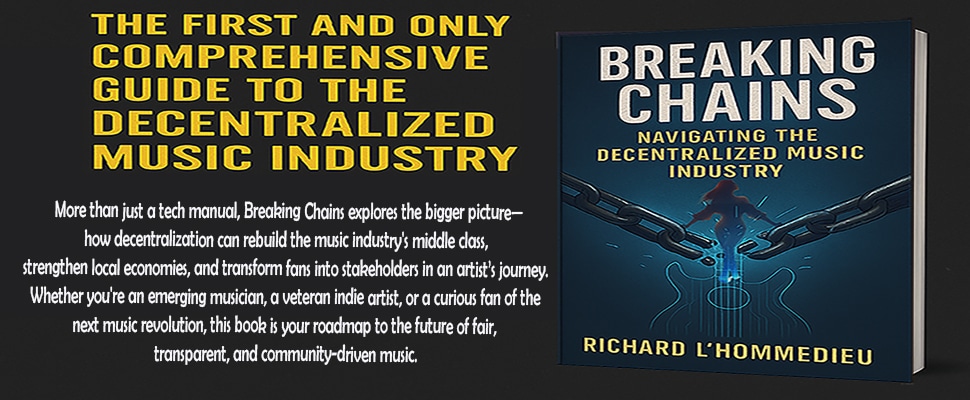
Breaking Chains – Navigating the Decentralized Music Industry
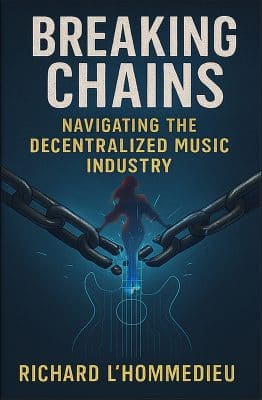
Breaking Chains is a groundbreaking guide for independent musicians ready to take control of their careers in the rapidly evolving world of decentralized music. From blockchain-powered royalties to NFTs, DAOs, and smart contracts, this book breaks down complex Web3 concepts into practical strategies that help artists earn more, connect directly with fans, and retain creative freedom. With real-world examples, platform recommendations, and step-by-step guidance, it empowers musicians to bypass traditional gatekeepers and build sustainable careers on their own terms.
More than just a tech manual, Breaking Chains explores the bigger picture—how decentralization can rebuild the music industry’s middle class, strengthen local economies, and transform fans into stakeholders in an artist’s journey. Whether you’re an emerging musician, a veteran indie artist, or a curious fan of the next music revolution, this book is your roadmap to the future of fair, transparent, and community-driven music.
Get your Limited Edition Signed and Numbered (Only 50 copies Available) Free Shipping Included
Share this:
- Share on Pinterest (Opens in new window) Pinterest
- Email a link to a friend (Opens in new window) Email
- Share on X (Opens in new window) X
- Share on LinkedIn (Opens in new window) LinkedIn
- Share on Facebook (Opens in new window) Facebook
- Share on Tumblr (Opens in new window) Tumblr
- Share on Reddit (Opens in new window) Reddit
- Share on Telegram (Opens in new window) Telegram
- Print (Opens in new window) Print
- Share on WhatsApp (Opens in new window) WhatsApp
- Share on Mastodon (Opens in new window) Mastodon
Related
Discover more from Making A Scene!
Subscribe to get the latest posts sent to your email.


