The Economics of Tokenized Music Rights




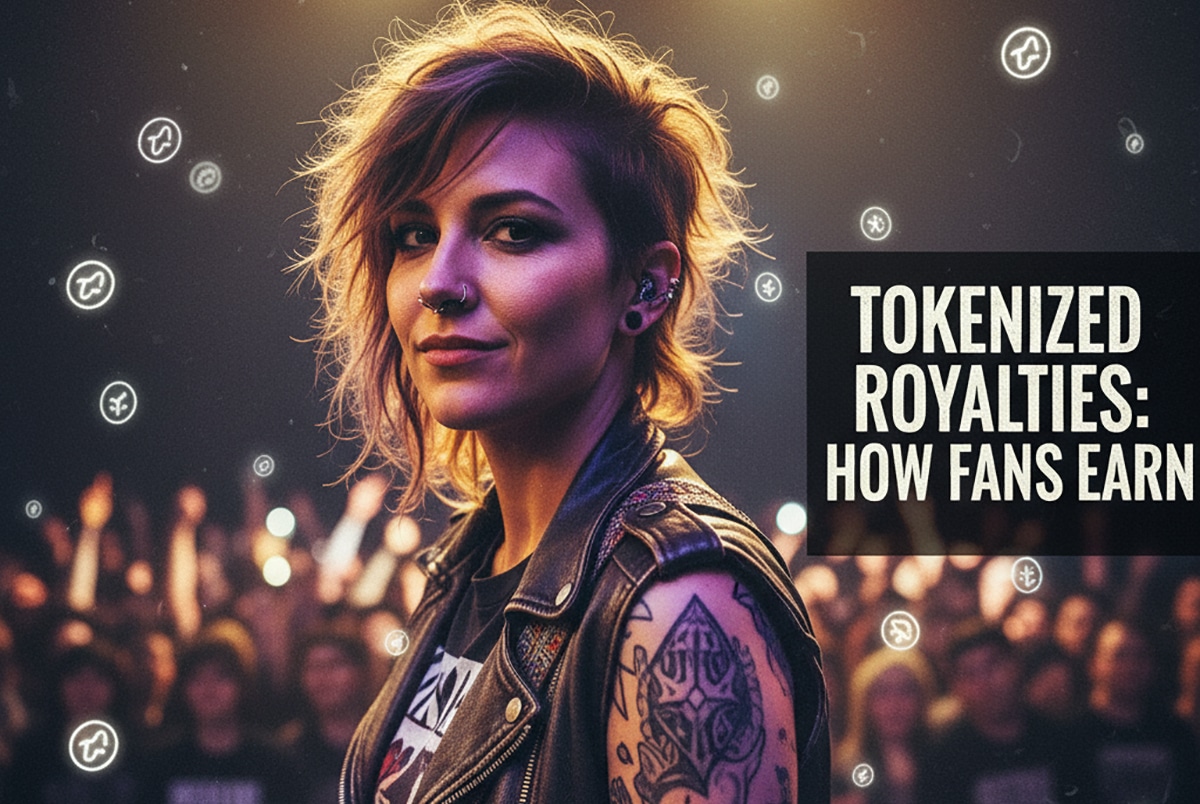
Making a Scene Presents – The Economics of Tokenized Music Rights
Listen to the Podcast Discussion to gain more Insight into the Economics of Tokenized music
How Fractional Ownership and Revenue-Sharing NFTs Are Changing Royalties
In the old days, owning a song meant something simple. The artist wrote it, recorded it, and maybe a record label handled the rest. Money came in through radio, CD sales, or streaming. But most fans never owned any piece of the music they loved, and artists often gave up a big share of their income just to get heard.
Today, that system is changing fast. Thanks to Web3 and blockchain technology, musicians can now tokenize their songs — breaking them into small digital shares that can be sold directly to fans. These aren’t just digital collectibles; they can represent real ownership or royalty rights. The result is a completely new economic model where artists and fans share both the rewards and the risks of music.
This article takes a deep look at how fractional music ownership and revenue-sharing NFTs are reshaping the way royalties work. We’ll explore how artists can sell micro-shares of their songs, study real-world platforms like Royal.io and Corite, unpack the legal and SEC questions, and explain why this model builds long-term loyalty rather than just one-time sales.
Let’s dive in.
What Tokenized Music Rights Actually Mean
At its core, tokenization just means turning something into a digital asset that can be owned and tracked on a blockchain. In music, that “something” is usually a song or a share of the rights to a song.
Think of a token as a tiny slice of a song’s income. Instead of one person or company owning 100% of a track’s royalties, an artist can split it into hundreds or even thousands of small pieces. Each piece can then be sold to fans, investors, or collaborators.
When a song earns royalties — through Spotify streams, YouTube plays, TikTok videos, or sync licenses — the money gets divided among all the token holders. The blockchain keeps track of who owns what, ensuring that everyone gets their fair share automatically.
These tokens often take the form of NFTs (non-fungible tokens), but unlike the early wave of digital art NFTs, these carry utility and revenue — meaning they can actually earn you money. If you own one of these music tokens, you might receive periodic royalty payments or other perks like exclusive access to the artist’s community.
This new idea is sometimes called fractional music ownership or tokenized royalties. It’s part of a larger Web3 movement to build a more decentralized music economy — one that’s fairer, more transparent, and directly connects artists with the people who love their music.
How Artists Can Sell Micro-Shares of Songs to Fans
Imagine you’re an indie musician about to release your new single. Instead of just putting it up on Spotify and hoping it gets traction, you decide to sell 10% of the future streaming royalties to your fans. You divide that 10% into 1,000 small digital tokens. Each token represents a tiny portion of the song’s revenue — say, 0.01%.
You sell each token for $50. If all of them sell, you’ve just raised $50,000 in advance — money you can use for studio time, promotion, or even a tour.
Now your fans aren’t just listeners; they’re co-owners. When the song starts streaming, and royalty payments come in, each fan who bought a token gets their cut automatically.
The process typically goes like this:
- Decide what to sell. You choose what portion of the song’s future income (usually streaming royalties) you want to share.
- Create the tokens. The platform you’re using helps you mint tokens that represent those rights.
- Set the price. You decide how much each token will cost and how many you’ll issue.
- Offer them to fans. You promote your token sale to your followers and community.
- Distribute royalties. As the song earns money, the platform or smart contract automatically splits the earnings and sends each token-holder their share.
This setup gives you up-front funding, helps you build a tighter fan community, and keeps ownership in your hands — unlike traditional label deals where artists might give up 80% or more of their rights.
Royal.io: Turning Fans into Royalty Partners
One of the first big names in this space is Royal.io, founded by DJ and producer 3LAU (Justin Blau) and entrepreneur JD Ross.
Royal’s goal was simple but bold: let fans invest in the music they love and earn streaming royalties alongside their favorite artists.
Here’s how it worked. Artists could list a song or album on Royal and decide what portion of their streaming royalties to share — say 5% or 10%. They’d mint a batch of Limited Digital Assets (LDAs), which are tokens that give holders the right to a share of those royalties plus extra perks like VIP concert access or special merch drops.
In one of the platform’s earliest and most famous cases, Nas offered shares of his songs “Ultra Black” and “Rare.” Fans could buy tokens representing small royalty slices and receive payouts when the songs were streamed.
When fans hold an LDA, they’re eligible for royalty distributions as long as they keep the token in their wallet when the payout date arrives. Royal handles the accounting and distribution through smart contracts and blockchain records.
For artists, the benefits are big: immediate funding, total creative control, and stronger fan engagement. For fans, it’s a way to participate in an artist’s success and potentially earn passive income.
However, it’s worth noting that Royal has gone through some transitions — in 2024, the platform scaled back its investment offerings as it worked to align with regulatory requirements. This highlights how young and evolving the space still is.
Even so, Royal.io helped popularize the entire concept of tokenized royalties and inspired many of the newer platforms now entering the scene.
Corite: Fan Power Meets Web3
Another leading example is Corite, a “fan-powered music platform” that merges crowdfunding and blockchain.
Corite lets artists raise funds by offering a portion of their future streaming income to fans. But unlike a simple investment platform, Corite turns fans into an active part of the artist’s journey.
Fans don’t just buy tokens and wait for payments — they also help promote the release. By streaming, sharing, and marketing the song, they increase its visibility and success, which boosts everyone’s earnings.
Artists on Corite typically offer between 15% and 20% of a project’s future royalties to fans. The platform takes a small cut (around 10%) to manage campaigns and distribute income.
Corite has also built a Web3 version of its system on BNB Chain, where fans can buy NFTs linked to songs and campaigns. These NFTs not only give fans a share of the revenue but also serve as digital collectibles with built-in social value.
It’s a system designed to align incentives: when artists win, fans win too. The result is a grassroots marketing machine powered by people who genuinely care.
How This Changes Royalty Structures
To see how radical this is, let’s compare the old and new systems side-by-side.
In the traditional model, an artist’s royalties come from record labels, publishers, streaming platforms, and collecting agencies. The money filters through layers of intermediaries — and by the time it reaches the artist, a lot of it has been taken by middlemen. Fans simply pay for access (through subscriptions or ticket sales) but get none of the revenue.
In the tokenized model, the artist can go directly to fans. There’s no label taking a huge cut. The blockchain automates ownership tracking and royalty distribution. The artist decides how much to share and keeps full control over their creative direction.
This changes everything:
- Artists can fund new projects without giving up control.
- Fans become investors and advocates, not just consumers.
- Revenue flows faster and more transparently.
- Communities form around shared success.
It’s not just a financial shift — it’s an emotional one. Fans feel more connected because they literally own a part of the music they love.
Legal and Regulatory Considerations
Now we have to talk about the less glamorous side — the law.
When you sell something that offers people a financial return, you might be entering the world of securities law. In the U.S., the Securities and Exchange Commission (SEC) has strict rules about what counts as an “investment contract.”
If a music token promises future income based on the artist’s efforts, it could meet what’s called the Howey Test — meaning it’s legally a security. If so, it must follow SEC registration rules or fit an exemption.
That’s why many platforms like Royal.io are careful with their wording. They often describe tokens as fan collectibles that just happen to come with royalty perks. It’s a gray area that regulators are still figuring out.
For artists, the key is transparency. You need clear contracts that spell out:
- Exactly what rights the buyer is getting (master, publishing, or streaming revenue).
- How long the deal lasts.
- How royalties will be calculated and paid.
- What happens if the song or platform goes down.
You also have to consider taxes. Money you raise by selling tokens may count as income. Fans who earn royalties may have to report them, too.
Then there’s the question of liquidity — can fans resell their tokens? If they can, the platform might be viewed as an exchange, which adds another layer of regulation.
The bottom line: fractional music ownership is a powerful tool, but it’s not a legal free-for-all. Artists should treat it as a financial transaction and, ideally, talk to a lawyer who understands both music and crypto law.
How Fan-Investors Differ from Traditional Shareholders
It’s also important to understand what fan-investors aren’t.
Owning a token that gives you a share of royalties does not mean you own the artist or their company. You don’t get voting rights, control over creative decisions, or equity in the artist’s business.
Traditional shareholders buy pieces of a corporation. Fan-investors buy slices of a specific revenue stream — a song, an album, or a catalog. It’s closer to owning part of a cash flow than owning part of a company.
That’s what makes these music tokens so flexible. They can exist as limited-term agreements — like sharing royalties for three years — or as long-term rights that last the lifetime of the recording.
This difference also helps explain why fans love the idea. They’re not investing in a faceless corporation. They’re investing in an artist they care about — someone whose music means something to them.
Why Tokenized Music Builds Long-Term Loyalty
This model is about more than money. It’s about connection.
When fans own a small piece of a song, they feel like they’re part of something bigger. Every time they share it, stream it, or hear it on the radio, they know they helped make it happen. That emotional link is powerful.
Instead of a one-time sale — like buying a T-shirt or a download — tokenized ownership keeps fans involved for years. They have a reason to keep streaming, promoting, and supporting you.
It also flips the way marketing works. Traditional campaigns focus on getting fans to buy something. Tokenized campaigns focus on getting fans to believe in something — your success.
That belief can translate into long-term growth. Each release you tokenize builds a stronger network of co-owners who are ready to back your next project. Over time, you can create an ecosystem where every new song feeds into a loyal, motivated fan community that earns and grows with you.
A Realistic Example for Indie Artists
Let’s say you’re an independent Americana artist named Luna Rivers, and you’re ready to release your new single “Golden Skies.”
You estimate it’ll cost around $20,000 to produce and promote the track. Instead of taking out a loan or begging a label for an advance, you decide to sell 10% of the song’s future streaming income.
You issue 1,000 tokens priced at $20 each, raising $20,000. Fans who buy them get:
- A 0.01% share of the song’s streaming royalties for five years.
- Access to a private Discord channel.
- Early listening parties and behind-the-scenes content.
You release the song, and your fan-investors start sharing it like crazy. They have real incentive — the more streams, the more they earn. Over the next year, “Golden Skies” racks up impressive plays and gets added to several playlists.
You use the data and excitement to pitch sync deals for TV placements. That generates even more royalties. Fans get payouts through the platform’s smart contract, and you keep 90% of the income.
Now, when you launch your next song, those same fans are ready to invest again. You’ve created a self-sustaining community built on trust, transparency, and shared success.
Challenges and Real-World Risks
Of course, not everything about tokenized music rights is sunshine and rainbows. There are real challenges here.
First, regulation is still evolving. If governments decide that these tokens count as securities, compliance costs could rise. Some platforms, like Royal, have already paused offerings while navigating these issues.
Second, platform stability matters. If the website hosting your tokens goes down or changes its business model, royalty tracking can get messy. Always make sure your contracts spell out what happens if the platform fails.
Third, royalty amounts can be tiny. Streaming doesn’t pay much, so fan-investors shouldn’t expect huge returns. Their real reward might be emotional — being part of the journey — rather than financial.
Fourth, education is key. Many fans don’t understand music royalties or blockchain wallets. Artists have to simplify the process and guide fans through it.
Finally, there’s market risk. Token prices can fluctuate. There’s no guarantee anyone will want to buy or resell them later.
Even with these challenges, though, the potential is huge. This model gives power back to artists and fans — two groups who have been sidelined by the traditional industry for decades.
The Bigger Picture: A New Decentralized Music Economy
Tokenized royalties are part of a much bigger trend — one where music becomes more transparent, democratic, and artist-driven.
In the old world, a handful of labels and publishers controlled distribution, funding, and marketing. In the new world, artists can use Web3 tools to build their own ecosystems — complete with fan tokens, DAOs (decentralized communities), and smart contracts for fair payments.
Blockchain makes it possible to see exactly where revenue comes from, how it’s split, and who gets paid. That alone could solve one of the music industry’s longest-standing problems: hidden royalties and missing data.
For indie artists, this is a chance to build sustainable careers on their own terms. Instead of chasing streams for fractions of a cent, they can cultivate 1,000 true fans who are financially and emotionally invested in their success.
When done right, this model doesn’t just pay the bills — it creates a thriving, loyal ecosystem around your music.
Final Thoughts
The economics of tokenized music rights represent a major shift in how music is funded, owned, and experienced.
By breaking songs into micro-shares and selling them to fans, artists can unlock new funding sources, deepen fan engagement, and create transparent royalty systems powered by blockchain. Platforms like Royal.io and Corite show what’s possible when technology meets community.
Yes, there are legal hurdles, market risks, and education gaps to overcome. But the core idea — that fans and artists can share ownership of music — is powerful and here to stay.
In the end, tokenized music rights aren’t just about money. They’re about connection, collaboration, and rewriting the rules of who gets to profit from creativity.
For independent musicians tired of the old system, this new model isn’t just a financial opportunity — it’s a revolution.
 |  Spotify |  Deezer |  Breaker |
 Pocket Cast |  Radio Public |  Stitcher |  TuneIn |
 IHeart Radio |  Mixcloud |  PlayerFM |  Amazon |
 Jiosaavn |  Gaana |  Vurbl |  Audius |
 Reason.Fm | |||
Find our Podcasts on these outlets
Buy Us a Cup of Coffee!
Join the movement in supporting Making a Scene, the premier independent resource for both emerging musicians and the dedicated fans who champion them.
We showcase this vibrant community that celebrates the raw talent and creative spirit driving the music industry forward. From insightful articles and in-depth interviews to exclusive content and insider tips, Making a Scene empowers artists to thrive and fans to discover their next favorite sound.
Together, let’s amplify the voices of independent musicians and forge unforgettable connections through the power of music
Make a one-time donation
Make a monthly donation
Make a yearly donation
Buy us a cup of Coffee!
Or enter a custom amount
Your contribution is appreciated.
Your contribution is appreciated.
Your contribution is appreciated.
DonateDonate monthlyDonate yearlyYou can donate directly through Paypal!
Subscribe to Our Newsletter
Order the New Book From Making a Scene
Breaking Chains – Navigating the Decentralized Music Industry
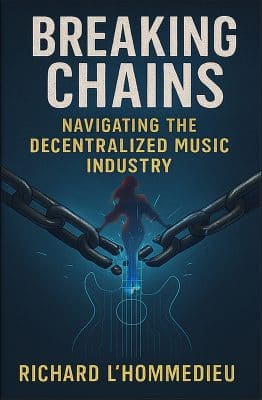
Breaking Chains is a groundbreaking guide for independent musicians ready to take control of their careers in the rapidly evolving world of decentralized music. From blockchain-powered royalties to NFTs, DAOs, and smart contracts, this book breaks down complex Web3 concepts into practical strategies that help artists earn more, connect directly with fans, and retain creative freedom. With real-world examples, platform recommendations, and step-by-step guidance, it empowers musicians to bypass traditional gatekeepers and build sustainable careers on their own terms.
More than just a tech manual, Breaking Chains explores the bigger picture—how decentralization can rebuild the music industry’s middle class, strengthen local economies, and transform fans into stakeholders in an artist’s journey. Whether you’re an emerging musician, a veteran indie artist, or a curious fan of the next music revolution, this book is your roadmap to the future of fair, transparent, and community-driven music.
Get your Limited Edition Signed and Numbered (Only 50 copies Available) Free Shipping Included
Discover more from Making A Scene!
Subscribe to get the latest posts sent to your email.


