Pops Fletcher and the Hucksters are Making a Scene




HOME PAGE
 |
 |
 |
 |
 |
 |
 |
 |
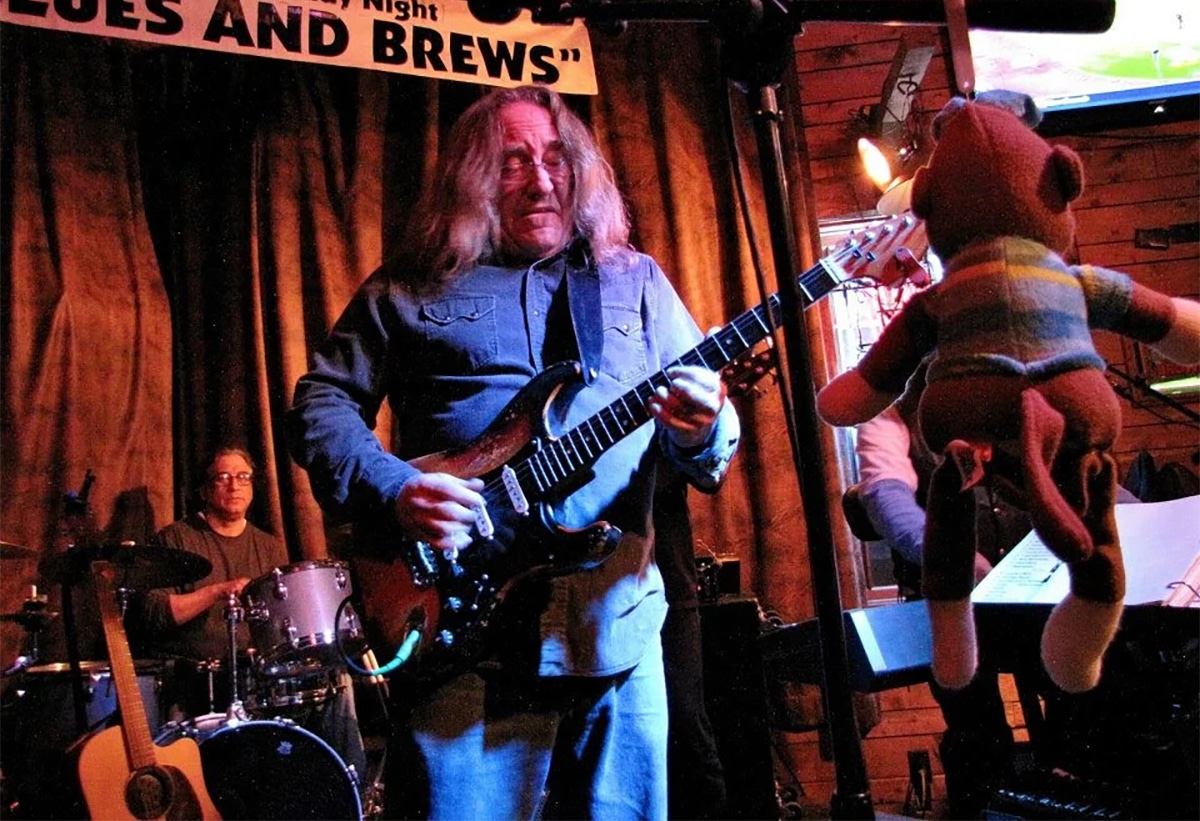
Making a Scene Presents an Interview with Pops Fletcher
My story starts at age thirteen in the Roosevelt Jr. High auditorium. Three of us stood onstage with acoustic guitars, blinded by a single follow spot, singing “If I Had a Hammer” and “Blowin’ in the Wind.” I didn’t realize it then, but folk music was the doorway that pulled me into a lifetime of performing.
Not long after, I became the lead vocalist for The Bitter End. One acoustic guitar turned into a Farfisa organ, and eventually a Fender Telecaster. By the time we finished high school, we had already spent five years gigging—YMCA shows, teen clubs, school dances, frat parties, bars—wherever live music mattered. Our playlist moved from pop into the blues-rock sounds of the Allman Brothers, Rory Gallagher, The Animals, The Stones, and The Doors.
The 1970s
I left the University of Wisconsin after one semester because I couldn’t find musicians in Madison with the experience I wanted. I went straight home to Beloit, straight to rehearsal, and straight into the band MSG, a racially diverse group with a powerful horn section. My cousin, Tommy Piazza, anchored the rhythm section with Don Grady, our visionary bassist and arranger. Don and I would reunite later in All God’s Children, another high-energy horn band.
By nineteen, I was married with a child, working days and playing nights with TRAMP, a dance band working clubs all over Wisconsin and northern Illinois. Those years kicked off a decade of hauling Hammond organs and Leslie speakers from gig to gig. TRAMP eventually led me to musicians I still work with today.
Next came All God’s Children, an ambitious seven-piece group mixing originals with inventive covers, followed briefly by Oasis, a short-lived four-piece lineup.
In 1974, Down & Back came together after Jim Peterman from the Steve Miller Band moved to the area. With Richard Armstrong, young Jim Kirkpatrick, and bassist Randy Fullerton—fresh from Texas with Luther Allison—we played blues-based R&B across the region. Madison’s Boardwalk was our home base.
Later, I joined The Easy Brothers, a mix of Rockford rhythm and Beloit front line. These were dance-driven years, mixing disco grooves with funk and jazz-influenced originals. We had just won a major regional competition when the band fell apart unexpectedly, and everything shifted. That’s when Big Mac entered my life.
The 1980s
My first show with Night Owl happened in August 1979 at Headliners in Madison. The band focused on country rock and southern rock, and we became regulars at The Church Key and openers for national touring acts. Big Mac—Michael John McKearn—was a force of nature as a writer, singer, and front man. We played SummerFest in 1980 and ’81 and hit the college circuit.
Night Owl evolved into Sleeper, which took us on the road from Wisconsin to Key West, and across the Midwest and South. Clubs were thriving, gas was cheap, and live music was everywhere. These were the glory days. I met Anne Russo in 1982.
I later joined the Rockford group Agent, which became The Works, playing large production-style rock clubs around the Midwest—big PAs, big light shows, big energy. Then I reconnected with Big Mac in Tug Mumbo, splitting duties between bass and guitar until the band eventually centered in Atlanta. We kept touring Key West and built a following across the South. But when new drunk driving laws hit, club bookings plummeted. Don, Billy Braatz, and I moved to Atlanta just as live music was beginning its long decline.
In Atlanta, I joined Dr. 99, which evolved into The Brodericks, the best vocal band I’ve ever been part of. Terry Evans fronted us with powerhouse soul, and bassist Lanice Morrison eventually went on to tour with Michael McDonald. We played a high percentage of original material. But when the new DUI laws arrived in Georgia, club work dried up again, and I had to find a day job.
Looking back, we were lucky. From the late sixties through the mid-eighties, live music thrived everywhere. We played constantly, learned constantly, and lived through a musical boom that won’t ever return in the same way. Music is still magic, but the working musician’s world changed forever.
The 1990s and Beyond
I spent the late ’80s playing fewer gigs but had the privilege of working with Kathy Carllile—a gifted singer with a huge heart—while her father, Thumbs Carllile, inspired us every Sunday night at The Freight Room.
In 1993, I returned to Wisconsin and joined Somo Mojo with Big Mac and Billy Braatz. Around the same time, I was also blessed to join The Gospel Bells, a powerhouse vocal group led by my old friend Jim Peterman. We played churches, festivals, and opened for major gospel acts.
In 1995, I took over No Problem Builders from Jim and went underground for a few years learning the remodeling business. Music crept back in through shows with BJ and the Mud Puppies, which led to meeting Harlan Jefferson, kicking off a long musical friendship.
The early 2000s brought weekly Café Belwah gigs with Harlan and Rick Burns, and the beginning of a long recording project at The Noise Chamber. That album became Nap Daddy – Average Day, with my son Todd singing lead. We released it in 2008 with a full band and horn section at a packed Eaton Chapel show—a night I’ll never forget.
By the mid-2000s, I was playing weekly blues shows with Glenn Davis, first at The Gun Club, then Domenico’s, building a loyal following and performing original blues with Glenn, Ben, and West Side Andy.
Most recently, I’ve been playing keys in Salvador Idaho, another project with Big Mac, diving into original “big beat pop,” and ramping up to play more shows.
I also perform as The Hucksters, delivering “rockin’, funkin’, blues” powered by a stash of Pops Fletcher originals.
And then there are my Solo Journeys—just me, my songs, and whatever oddball friends show up to keep things interesting. No rules. No set plans. Just music.
 | Spotify |  Deezer |  Breaker |
 Pocket Cast |  Radio Public |  Stitcher |  TuneIn |
 IHeart Radio |  Mixcloud |  PlayerFM |  Amazon |
 Jiosaavn |  Gaana |  Vurbl |  Audius |
 Reason.Fm | |||
Find our Podcasts on these outlets
Buy Us a Cup of Coffee!
Join the movement in supporting Making a Scene, the premier independent resource for both emerging musicians and the dedicated fans who champion them.
We showcase this vibrant community that celebrates the raw talent and creative spirit driving the music industry forward. From insightful articles and in-depth interviews to exclusive content and insider tips, Making a Scene empowers artists to thrive and fans to discover their next favorite sound.
Together, let’s amplify the voices of independent musicians and forge unforgettable connections through the power of music
Make a one-time donation
Make a monthly donation
Make a yearly donation
Buy us a cup of Coffee!
Or enter a custom amount
Your contribution is appreciated.
Your contribution is appreciated.
Your contribution is appreciated.
DonateDonate monthlyDonate yearlyYou can donate directly through Paypal!
Subscribe to Our Newsletter
Order the New Book From Making a Scene
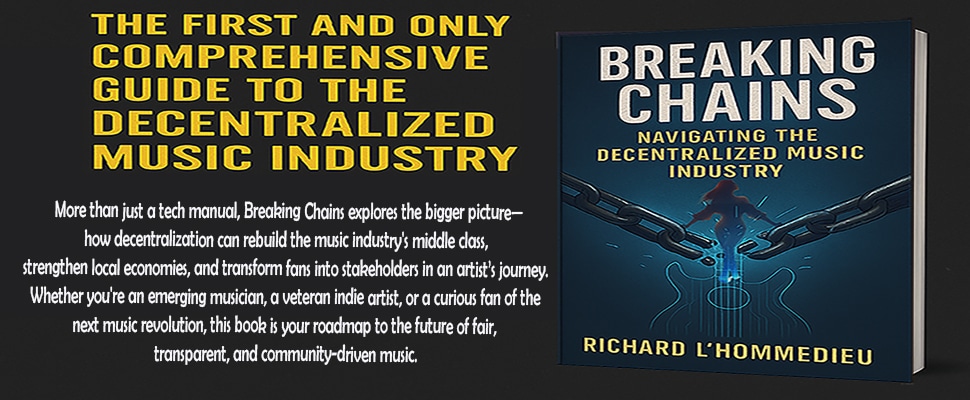
Breaking Chains – Navigating the Decentralized Music Industry
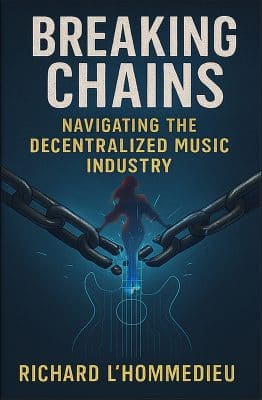
Breaking Chains is a groundbreaking guide for independent musicians ready to take control of their careers in the rapidly evolving world of decentralized music. From blockchain-powered royalties to NFTs, DAOs, and smart contracts, this book breaks down complex Web3 concepts into practical strategies that help artists earn more, connect directly with fans, and retain creative freedom. With real-world examples, platform recommendations, and step-by-step guidance, it empowers musicians to bypass traditional gatekeepers and build sustainable careers on their own terms.
More than just a tech manual, Breaking Chains explores the bigger picture—how decentralization can rebuild the music industry’s middle class, strengthen local economies, and transform fans into stakeholders in an artist’s journey. Whether you’re an emerging musician, a veteran indie artist, or a curious fan of the next music revolution, this book is your roadmap to the future of fair, transparent, and community-driven music.
Get your Limited Edition Signed and Numbered (Only 50 copies Available) Free Shipping Included
Discover more from Making A Scene!
Subscribe to get the latest posts sent to your email.


