
NFTs for Musicians: Beyond the Hype




Making a Scene – NFTs for Musicians: Beyond the Hype
You’ve heard the buzzword and seen the headlines. Here’s the simple version, no tech talk. An NFT is a digital receipt that proves who owns a special version of something. That “something” can be your single, your album, a music video, a backstage pass, a signed vinyl voucher, or a bundle with all of the above. The receipt lives on a public database called a blockchain. Think of it like a global ledger that anyone can read but no one can secretly change. If a fan owns your NFT, the ledger shows it. If they transfer it to a friend, the ledger updates. That’s it. Straightforward, public, and trackable.
There are many blockchains, but the two you’ll hear most for music are Ethereum and Polygon. Ethereum is like the big city: crowded, premium, and often more expensive to use. Polygon is like the connected suburb: faster and much cheaper for small actions, but it still plugs into the same larger ecosystem. This low-fee design is why many artists choose Polygon for beginner-friendly drops and collectibles where you want lots of fans to participate without paying much in “gas” (network fees).
Before we jump into the how-to, let’s ground this with a few well-known artist stories so you can see what’s possible. In 2021, electronic artist 3LAU sold a special NFT album drop called Ultraviolet and grossed around $11.6 million in a single weekend. That sale proved there’s real demand for scarce music moments when the packaging, storytelling, and rewards are strong.
Another classic example is RAC’s $TAPE. He launched a token on the Zora platform that was redeemable for 100 limited-edition cassettes. In plain words, he tied a digital collectible to a real, physical item his fans could hold. That simple bridge from on-chain to in-hand made a lot of sense to music lovers and showed a clean way to bundle physical merch with NFTs.
Rapper and multi-hyphenate Latashá shows a different path. She leaned into music video NFTs and community education, selling works for significant sums while helping other artists learn the ropes. Her story is less about one giant payday and more about steady, values-driven growth using open platforms to reach fans directly.
Singer-songwriter VÉRITÉ explored selling slices of royalty rights through NFT offerings. One of her drops sold out in seconds and raised about $90,000, which helped fund the project while bringing fans closer to the music’s long-term success. This is a glimpse of how NFTs can go beyond “collectibles” into real revenue sharing when you use a platform built for it.
Now let’s walk through everything from zero to live—wallet setup, minting on Polygon and Ethereum, pricing choices, bundling ideas, and a realistic plan you can copy for your next release.
What an NFT actually is, in plain language
An NFT is a record that says “this wallet owns this item.” Wallets are like music lockers that live on your phone or browser. When someone buys your NFT, their wallet becomes the owner of that item. Your NFT can carry the artwork, the audio, the story, and a special “unlock” that only the buyer can see—like a private download link, a code for VIP access, or a form to claim a signed cassette. On some platforms, this unlockable content is stored off-chain but made visible only to the owner so you can deliver higher-res files, stems, or instructions for claiming physical goods.
Safety first: set up a wallet and protect your keys
Most artists start with MetaMask. It’s a free wallet app and browser extension. When you set it up, MetaMask gives you a Secret Recovery Phrase—twelve words that are the master key to your wallet. Write those words on paper, keep them offline, and never share them. Not even with a support agent. If you lose them, no one can get them back for you. If someone else gets them, they can move your funds. This is the tradeoff of owning your own keys: you have more power and more responsibility, just like holding cash.
Step-by-step: mint a music NFT on Polygon with OpenSea
First, add a small amount of MATIC to your wallet. That’s Polygon’s native token, and you’ll need just a tiny bit for transactions. Most people buy MATIC on a major exchange and withdraw it to their MetaMask address. You can also bridge funds from Ethereum to Polygon if you already have ETH somewhere, but for a first drop, buying a little MATIC directly is simplest. Polygon exists to make actions cheaper than Ethereum Mainnet, which is why it’s popular for entry-level collectibles.
Second, connect to an NFT marketplace that supports Polygon. OpenSea works across many chains, including Polygon, so it’s a straightforward place to begin. After you connect your wallet, you’ll create a collection, choose Polygon as the chain, and upload your song art and your audio file. OpenSea follows common metadata standards and supports audio attachments, which is important for music releases.
Third, add unlockable content if you want to deliver extras. This is where you can paste a private link to a lossless WAV, stems, lyric sheets, a behind-the-scenes video, or a Google Form to collect shipping info for signed merch. You can keep it simple for your first drop by offering a high-quality download and a heartfelt note to collectors, then expand to more perks over time.
Fourth, set your supply and price. If you want reach, mint more copies at a lower price. If you want rarity, mint fewer copies at a higher price. On Polygon, fees are usually pennies or less, so lower priced editions are possible without scaring off fans with gas costs. List the item, hit publish, and share the link with your community. If your audience is totally new to crypto, explain what they’ll need to buy and give them a clear walkthrough.
Fifth, deliver quickly and follow up. As soon as the first collectors come in, thank them publicly and privately. If you included unlockable content, make sure it works. If you promised physical items, send a claim form right away and post an update so holders know the timeline.
Step-by-step: mint a music NFT on Ethereum with music-native platforms
If your goal is a premium one-of-one, Catalog is made for that. It’s a digital record shop where you “press” a single track as a unique digital record on Ethereum and sell it like rare vinyl. It’s focused on direct artist support and one-of-one culture. Because it’s on Ethereum Mainnet, fees can be higher during busy times, but the audience there understands the one-off art vibe.
If your goal is editions and fan-friendly pricing, Sound.xyz is a strong option. Sound runs on Ethereum Mainnet and also on Layer 2 chains like Optimism and Base, which keep costs low for fans. Sound also supports credit card checkout, so newcomers can collect without touching a crypto exchange. In practice, you upload your song and cover, pick your chain, set your edition size and price, schedule the drop, and publish. Collectors can pay with card or with crypto, and the song is delivered to the chain you choose.
If you’re exploring revenue sharing, use a platform designed for rights. Royal is the best-known example here. Royal’s drops have let fans buy a small share of streaming royalties in tracks by artists like Nas and others, and the platform runs on Polygon so fees stay manageable while drops scale. If you want to experiment with offering a piece of royalties, don’t try to DIY the legal side; use a service that was built for it and follow their rules.
Pricing that actually makes sense
Set your price to match your goal. If you want lots of new collectors, keep the price low and use Polygon or an Ethereum Layer 2 like Base or Optimism. The idea is to remove friction so a curious fan can jump in even if they’ve never touched crypto before. When the price and fees are small, more people say yes. If you want to create something rare for a few superfans, do a one-of-one on Catalog or a tiny edition on Sound’s Mainnet and treat the piece like art. Both approaches work. What matters is that the price makes sense for your story, your audience, and the value you’re delivering.
Start simple to build trust. Your first NFT can be one song, one cover image, one clear perk. A private lossless download is great because it gives real value on day one. If you want to add more, offer stems, a demo pack, or a short private listening session. The goal is to overdeliver and make your earliest collectors feel special. When people feel seen and rewarded, they come back.
Use scarcity with purpose. A one-of-one is like a single test pressing. A 25-copy run feels like a short stack of signed CDs. An open edition for 24 hours is like a tour shirt only sold at one show. Fans understand these frames already. You don’t need to hype it. You just need to be clear about what they’re getting and why it matters.
Watch gas and timing. If you choose Ethereum Mainnet for a premium drop, publish at a time when network fees are lower or consider setting the sale as an auction that runs long enough to catch a low-fee window. If you want to avoid the whole gas issue, use Polygon or a Sound drop on Base or Optimism; these chains exist to reduce fees while staying connected to the Ethereum world.
Real-world examples you can learn from
3LAU’s Ultraviolet drop was not just about money; it was about concept. He combined scarcity, clear perks, and a story that fans wanted to be part of. It showed that when you package a release in a special way, fans will support at a high level. You don’t have to copy the scale, but you can copy the thinking: make the moment feel important and deliver real value.
RAC’s $TAPE was a master class in tying digital to physical. The token was redeemable for a limited-edition cassette. That kept things easy to understand for fans who love objects and showed how NFTs can be claim tickets for merch you can sign and ship. You can repeat this pattern with vinyl, lyric zines, polaroids, or tour posters.
Latashá proved that consistency and community matter. She sold music video NFTs, hosted events like Zoratopia to educate creators, and used open platforms to reach new fans. Her path shows that steady releases plus public teaching can grow both your audience and your income.
VÉRITÉ’s royalty drops brought fans into the business side. Selling a small share of royalties raised around $90,000 in seconds and created a group of supporters who cheer every stream. If you try something like this, use a platform designed for rights so the contracts and payments are handled properly.
Royal, the rights platform co-founded by 3LAU, chose Polygon so drops can scale without scary fees. This is a good sign that low-cost chains are useful not only for collectibles but also for more complex releases like royalty shares.
Bundling NFTs with merch, VIP, and experiences
You can treat the NFT like a digital key that unlocks something special. The simplest bundle is a claim for signed physical items. Put the claim link and a deadline inside the NFT’s unlockable content, then verify each claim against the wallet that owns the NFT. RAC’s redeemable cassette is the cleanest example to copy here because fans already understand how that works.
Access is powerful. Your NFT can be a ticket to soundcheck, a slot in a private Zoom listening party, or a way to join a small studio livestream where you talk about the song’s mix decisions. For in-person access, you can verify wallet ownership at the door using widely available wallet-connect tools. For online access, you can post a private link only visible to wallet holders, or use token-gated pages in common Web3 website tools.
You can stack value over time. You might promise that holders get the next two singles in high-res, a quarterly drop of demos, and a “vote” on which of three artworks becomes the official cover. This turns the NFT into a lightweight fan club where people feel seen and included. The more they feel included, the more likely they are to stick around, collect again, and tell friends.
If you’re sharing royalties, use a platform like Royal that is built for it. Rights are law, and you don’t want to improvise legal promises in a tweet. Dedicated platforms handle the contracts and reporting for you and make sure fans get what they were promised.
The truth about secondary royalties
You’ll see people talk about “creator royalties” on resales. Some markets used to enforce these fees automatically. Today, many large marketplaces have shifted to optional royalties or ended strict enforcement, which means you should treat resale royalties as a bonus, not a core plan. Focus your business on the first sale, the bundle value, and the long-term relationship with your collectors. If a later resale pays you something, that’s great, but don’t count on it.
Helping fans buy when they don’t have crypto
The easier the checkout, the more collectors you’ll have. Sound supports credit card payments, including Apple Pay and Google Pay, so a fan can collect your song without touching an exchange. When they do that, the system handles the on-chain delivery behind the scenes, and the edition lands on the chain you chose, such as Base or Optimism for lower fees. This kind of simple checkout is perfect for first-time collectors.
Some rights platforms also offer “custodial” wallets, which means the platform temporarily holds the wallet for the fan until they’re ready to self-custody. This is a gentle on-ramp that reduces friction while fans learn. As they get more comfortable, they can move to a self-custodied wallet like MetaMask.
Full walkthrough you can copy this month
Pick one track that already connects with your listeners. Write a short story about why this song matters—what inspired it, what almost broke it, and what you learned making it. Prepare your art and your audio in high quality. If your goal is reach, choose Polygon on OpenSea or an L2 chain on Sound. If your goal is rarity, choose a one-of-one on Catalog or a small edition on Sound Mainnet. Decide the perk you can deliver right away, like a lossless download and a private note. Pick a fair price that matches your goal. Publish. Share the link with a simple explanation and the exact time the drop opens. Thank early collectors by name. Deliver the perk the same day.
If you go the Polygon route on OpenSea, remember that OpenSea supports audio and follows common metadata standards, and make use of unlockable content for the private link. If you go the Sound route, remember you can enable card payments, and consider Optimism or Base for lower fees. If you go the Catalog route, frame the drop like a gallery piece and take your time building the story around that one record. Each path is valid. Choose the one that best fits your audience today.
Pricing tips that respect your fans
For many first drops, a low price and a friendly edition size make sense. You want people to have an easy “yes.” You can always add a higher-tier piece later. For example, do a broad, low-price edition on Polygon or Base so many fans can collect, and then offer a tiny, higher-price one-of-one on Catalog with extra perks like studio stems and a private mix session. This gives your casual fans and your superfans a place to show up without forcing one group into the other’s lane.
Mind the total cost to the fan. On Ethereum Mainnet, gas can spike, which can make a cheap mint not so cheap. On Polygon and L2s, fees are usually tiny, so lower prices make more sense. Explain fees in your announcement so first-timers aren’t surprised. A single sentence goes a long way: “Fees on Polygon are usually cents, not dollars.”
Marketing that feels human
Don’t just drop a link. Host a short listening stream on Instagram, TikTok, or YouTube where you play the track, share the story, and explain in normal language what a collector gets. If you used unlockable content, show a censored preview so people understand there’s something extra waiting for them. If you bundled a claim for signed merch, hold up an example on camera. If you did a rights drop on a platform like Royal, walk through what that means in practice: small slices of streaming income, handled by the platform, no scary spreadsheets for fans. The more you show, the less people guess.
After the drop, stick around. Post a collectors-only update. Share a thank-you note. Invite holders to vote on cover art for the next single or to choose between two B-side demos. These small touches move people from “buyer” to “supporter,” and that’s the whole point of doing this direct.
Common worries and honest answers
Do I lose my master or my publishing if I sell an NFT? Not unless you choose to. A normal NFT sale is like selling a special, signed edition. It doesn’t move your copyrights. If you want to sell or share royalties, use a dedicated platform that handles the legal side and read the terms carefully. That way, everyone knows what they’re getting.
What about the environment and fees? Ethereum has improved its energy use and is now far more efficient than it used to be after its shift to proof-of-stake, and chains like Polygon and L2s are built to make transactions cheap and fast. If you want the lowest fees for fans, start on Polygon or an L2 and you’ll avoid most of the cost problem.
Will I earn money when my NFT resells later? Maybe. Some markets now make royalties optional, which means you shouldn’t rely on them. Design your drop so that the first sale and the collector experience carry the value. If resales pay you, treat it as a bonus.
Is this all just for big artists? No. Many of the best results come from smaller communities where fans actually want to be part of the story. Time Magazine profiled independent musicians raising real money this way, using platforms like Catalog to earn without giving up rights. You don’t need millions of followers to make this work. You need a real connection and a clear offer.
A deeper plan you can follow for the next three releases
For release one, keep it simple. Make a Polygon collectible with a friendly price, a clean cover image, and a private lossless download. Tell your story, publish, and deliver the same day. Use this to learn how your audience behaves. If twenty people collect, message them personally. Ask what worked and what confused them.
For release two, add one level. If the first one did well, offer a small edition on Sound’s Base or Optimism chain, still at a friendly price, and include stems or a short private livestream hang. Announce that holders of release one get early access to release two so you reward your early believers. Because Sound supports card checkout, this is also a great chance to onboard more fans who never used crypto before.
For release three, make something rare for your top supporters. Press a one-of-one on Catalog or do a micro-edition with a serious experience attached, like VIP access for the next show, a studio visit, or a co-writing Zoom. Frame it like art. Explain why the piece is special. Keep your promises tight and deliver quickly.
Troubleshooting when things get weird
If Ethereum fees suddenly spike and scare your buyers, pause and redirect people to an L2 or Polygon version. L2s and Polygon exist to cut costs while staying in the Ethereum family. If newcomers struggle with wallets, use a platform that allows credit cards so the purchase flow feels familiar. If you promised physical goods, set clear claim deadlines and shipping windows and post updates in one public place so collectors aren’t guessing.
If you ever feel lost, remember why you’re doing this. You are not trying to become a crypto expert. You are giving your fans a new way to support you and get closer to your art. Keep the tech simple. Keep the promises clear. Learn one tool at a time. Small, steady releases beat one giant, stressful gamble.
Final word
NFTs are not magic. They are tools that help you turn a song into a special moment, a music video into a collectible, and a fan into a true supporter who gets more than a stream. You can mint on Polygon for pennies to welcome new collectors. You can mint on Ethereum or its Layer 2s when you want that gallery-style moment or a bigger community drop with card checkout. You can bundle physical merch and VIP access so the digital key unlocks real experiences. You can even share a slice of royalties using platforms designed for rights so fans become partners in your success. The big artist stories prove the ceiling is high, but your path is built one clear, honest release at a time. Start simple, ship fast, overdeliver, and keep going. That’s how you move past hype and turn on-chain music into steady, real revenue for your indie career.
 |  Spotify |  Deezer |  Breaker |
 Pocket Cast |  Radio Public |  Stitcher |  TuneIn |
 IHeart Radio |  Mixcloud |  PlayerFM |  Amazon |
 Jiosaavn |  Gaana |  Vurbl |  Audius |
 Reason.Fm | |||
Find our Podcasts on these outlets
Buy Us a Cup of Coffee!
Join the movement in supporting Making a Scene, the premier independent resource for both emerging musicians and the dedicated fans who champion them.
We showcase this vibrant community that celebrates the raw talent and creative spirit driving the music industry forward. From insightful articles and in-depth interviews to exclusive content and insider tips, Making a Scene empowers artists to thrive and fans to discover their next favorite sound.
Together, let’s amplify the voices of independent musicians and forge unforgettable connections through the power of music
Make a one-time donation
Make a monthly donation
Make a yearly donation
Buy us a cup of Coffee!
Or enter a custom amount
Your contribution is appreciated.
Your contribution is appreciated.
Your contribution is appreciated.
DonateDonate monthlyDonate yearlyYou can donate directly through Paypal!
Subscribe to Our Newsletter
Order the New Book From Making a Scene
Breaking Chains – Navigating the Decentralized Music Industry
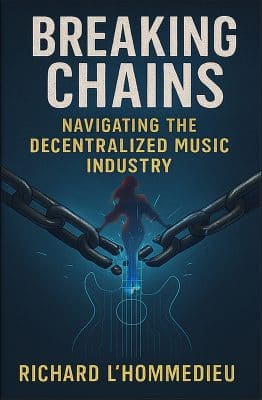
Breaking Chains is a groundbreaking guide for independent musicians ready to take control of their careers in the rapidly evolving world of decentralized music. From blockchain-powered royalties to NFTs, DAOs, and smart contracts, this book breaks down complex Web3 concepts into practical strategies that help artists earn more, connect directly with fans, and retain creative freedom. With real-world examples, platform recommendations, and step-by-step guidance, it empowers musicians to bypass traditional gatekeepers and build sustainable careers on their own terms.
More than just a tech manual, Breaking Chains explores the bigger picture—how decentralization can rebuild the music industry’s middle class, strengthen local economies, and transform fans into stakeholders in an artist’s journey. Whether you’re an emerging musician, a veteran indie artist, or a curious fan of the next music revolution, this book is your roadmap to the future of fair, transparent, and community-driven music.
Get your Limited Edition Signed and Numbered (Only 50 copies Available) Free Shipping Included
Discover more from Making A Scene!
Subscribe to get the latest posts sent to your email.


