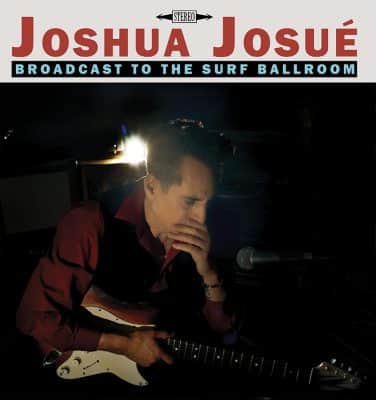
Joshua Josue’ Broadcast To The Surf Ballroom



 Joshua Josue’
Broadcast To The Surf Ballroom
Electric Chololand Records
Joshua Josué is a rising bilingual singer-songwriter and performer whose music blends Latin soul, R&B, and pop with deeply personal storytelling. A native of Eugene, Oregon, with strong ties to Los Angeles, Joshua has been building a reputation across the United States through emotionally charged Chicano rock performances and a versatile vocal range that moves easily between tenderness and power. From headlining his own shows to sharing stages with artists such as Metalachi, Old 97’s, and Teddy Thompson, he brings both energy and authenticity to every performance.
The lineup on this project features Joshua on vocals and guitar, joined by lead guitarist Ben Rice, Marilyn Darrell on accordion and guitar, Nick Skalberg on bass, Hammond B-3, piano, and backing vocals, and Yoshi Fitted Sheetz on drums.
The album is built around unfinished songs and fragments left behind by two of rock and roll’s most important early voices: Ritchie Valens and Buddy Holly. Rather than simply covering these songs, Joshua uses the surviving fragments as creative starting points, completing them in a way that imagines where each artist’s songwriting may have gone had their lives not ended so early.
“Let’s Rock & Roll,” originally the closing track on a live Pacoima Junior High recording by Valens, is expanded here with a new verse and a reimagined arrangement. Joshua turns it into a driving rock and roll performance that honors the direction Valens seemed to be heading as the 1960s approached. The song captures youthful momentum and the restless excitement that defined early Chicano rock.
On “What To Do,” Joshua revisits a rough home demo recorded by Holly just a month before his death. Although the song had previously been overdubbed and released after Holly’s passing, Joshua aims to recover what he believes was the original emotional spirit of the piece. His version imagines the more forward-looking musical direction Holly may have pursued.
“Now That You’re Gone” began as a raw acoustic demo from Valens, still unfinished when originally recorded. Joshua develops the melodic and lyrical fragments into a complete performance, carefully extending the song without losing the intimacy of the original idea.
“Wishing,” written by Holly for The Everly Brothers, remains one of Holly’s most delicate compositions. Joshua preserves its emotional simplicity while giving it a warm, modern texture.
“Oh, Selena” becomes a bridge between generations. It honors both Valens and Selena—two Mexican American artists who embraced Spanish-language singing even when it was not always natural or expected. Joshua openly connects the song to his own experience, noting that he was once criticized for his “Pocho Spanish,” yet chose to continue singing authentically in both languages.
“Well… All Right,” Holly’s 1958 single, is reimagined through psychedelic guitar textures developed in Joshua’s live performances with Ben Rice. The updated arrangement gives the song a fresh atmosphere while respecting its original optimism.
“Learning the Game,” one of Holly’s most intimate late demos, was co-written with a teenage Waylon Jennings in Holly’s Greenwich Village apartment. Joshua leans into the song’s emotional vulnerability, keeping the fragile ache intact.
“The Paddi Wack Song” has special meaning for Joshua because he first encountered it through La Bamba, where Valens sings it to his younger sister. Joshua turns it into a celebration of Valens’ gift for transforming everyday moments into something musically memorable.
“That Makes It Tough” was another nearly complete Holly demo that required only light finishing touches. Joshua and Ben Rice carefully shaped the arrangement, allowing the song’s direct emotional core to remain central.
The album closes with “La Bamba,” Valens’ defining anthem and the song closest to Joshua’s heart. Rather than treating it as a familiar standard, he uses it as a statement of cultural continuity—honoring Valens and every Chicano rock artist who followed.
One critic has noted that the album’s blend comes directly from Joshua Josué himself: a Chicano American artist working in the tradition of Hermanos Gutiérrez and Los Lobos, while still creating something unmistakably his own.
This project feels less like a tribute album and more like a conversation across generations—Joshua Josué stepping into unfinished spaces left by legends and answering them in his own voice.
Richard Ludmerer
Buy Us a Cup of Coffee!
Join the movement in supporting Making a Scene, the premier independent resource for both emerging musicians and the dedicated fans who champion them.
We showcase this vibrant community that celebrates the raw talent and creative spirit driving the music industry forward. From insightful articles and in-depth interviews to exclusive content and insider tips, Making a Scene empowers artists to thrive and fans to discover their next favorite sound.
Together, let’s amplify the voices of independent musicians and forge unforgettable connections through the power of music
Make a one-time donation
Make a monthly donation
Make a yearly donation
Buy us a cup of Coffee!
Or enter a custom amount
Your contribution is appreciated.
Your contribution is appreciated.
Your contribution is appreciated.
DonateDonate monthlyDonate yearlyYou can donate directly through Paypal!
Subscribe to Our Newsletter
Order the New Book From Making a Scene
Breaking Chains – Navigating the Decentralized Music Industry
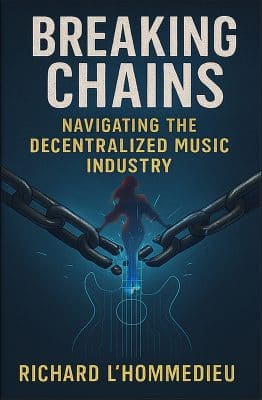
Breaking Chains is a groundbreaking guide for independent musicians ready to take control of their careers in the rapidly evolving world of decentralized music. From blockchain-powered royalties to NFTs, DAOs, and smart contracts, this book breaks down complex Web3 concepts into practical strategies that help artists earn more, connect directly with fans, and retain creative freedom. With real-world examples, platform recommendations, and step-by-step guidance, it empowers musicians to bypass traditional gatekeepers and build sustainable careers on their own terms.
More than just a tech manual, Breaking Chains explores the bigger picture—how decentralization can rebuild the music industry’s middle class, strengthen local economies, and transform fans into stakeholders in an artist’s journey. Whether you’re an emerging musician, a veteran indie artist, or a curious fan of the next music revolution, this book is your roadmap to the future of fair, transparent, and community-driven music.
Get your Limited Edition Signed and Numbered (Only 50 copies Available) Free Shipping Included
Discover more from Making A Scene!
Subscribe to get the latest posts sent to your email.


